New Jersey Summer Flounder vs Fluke: Same Fish, Different Name
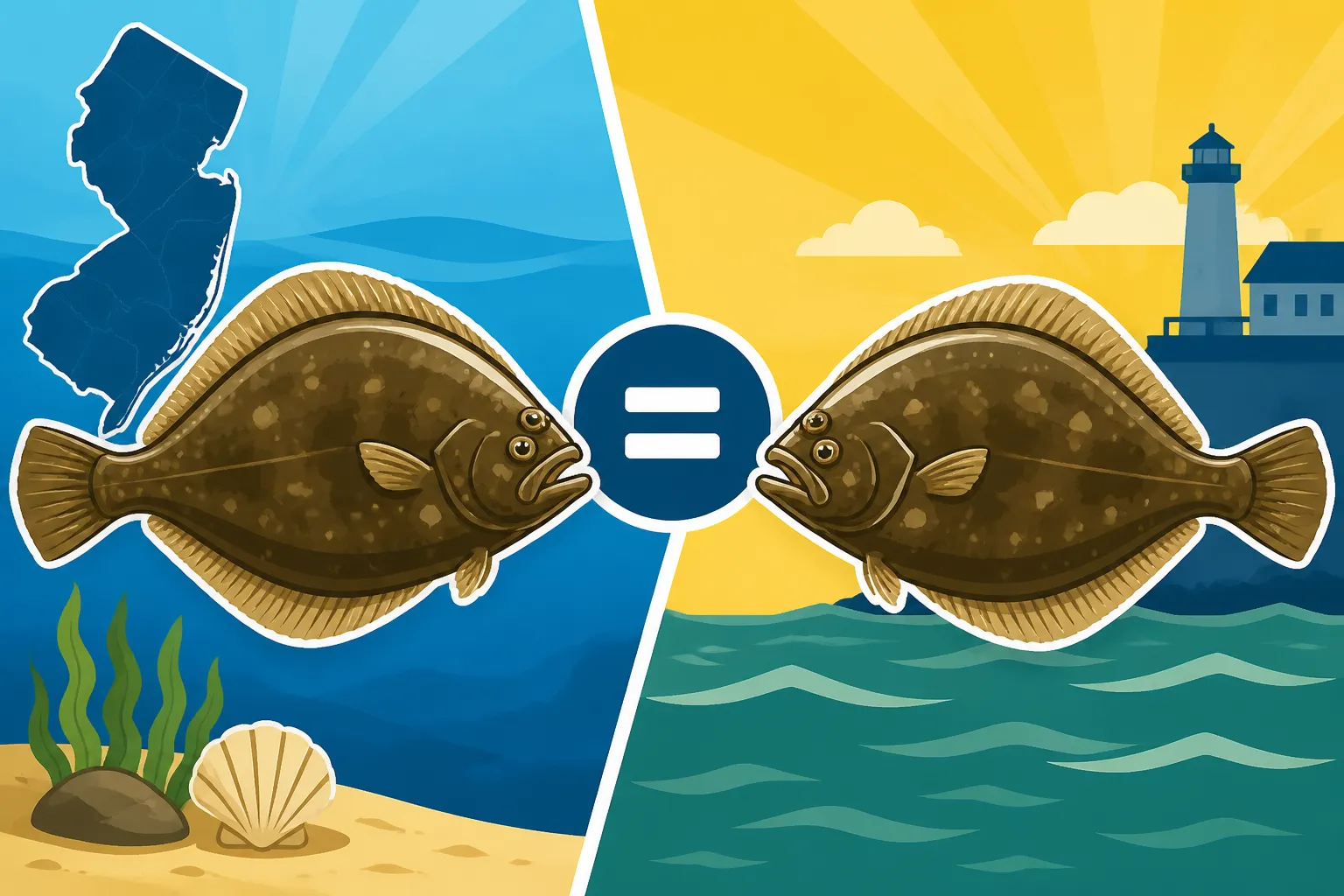
Ever found yourself scrolling through fishing reports or talking to fellow anglers, only to hear them interchangeably use "summer flounder" and "fluke" and wonder if you missed something crucial? It's a common confusion that can make navigating New Jersey's fishing scene feel a bit like a secret club. Rest assured, you're not alone, and this guide is here to clear up the mystery: they are, in fact, the same amazing fish.
The Great New Jersey Flounder Fiasco: Why the Dual Identity?
For many anglers hitting the New Jersey coast, the terms "summer flounder" and "fluke" are tossed around so often that it’s easy to believe they refer to two distinct species, perhaps cousins in the same family, or even different sexes of the same fish. This isn't just a Jersey thing; you'll find similar regional linguistic quirks all along the Eastern Seaboard. But the truth is far simpler, and once you understand it, a good chunk of fishing jargon will snap right into place. The confusion stems from a blend of scientific classification, official government language, and deeply ingrained local traditions.
A Tale of Two Names: Common vs. Scientific
Let's start with the hard science to lay the groundwork. The fish we're talking about, the one that makes for such fantastic summer fishing and even better fish tacos, has a very specific scientific name: Paralichthys dentatus. This is its universal, undisputed scientific moniker, the name that scientists use no matter where in the world they are discussing this particular flatfish. Just like humans are Homo sapiens, this fish is Paralichthys dentatus. There's only one species here, folks.
However, in the world of common names, things get a little murkier, and that's where the "fluke" versus "summer flounder" debate really takes hold. Across different regions, and even within the same state, people develop their own colloquial terms for animals. In New Jersey, especially along the iconic Jersey Shore, "fluke" became the dominant, everyday term for this delectable flatfish. It's what your grandfather called it, what the bait shop owner calls it, and what you’ll hear most often when chatting with a fellow angler on a dock in Barnegat Light or Cape May.
The problem, if you can even call it that, arises when official bodies, like state fisheries departments, step in. They often lean towards the more formal, universally recognized common name to avoid regional ambiguities in their regulations and scientific reports. This is where "summer flounder" enters the picture, often used to distinguish it from other flounder species like the winter flounder (which is a completely different fish, Pseudopleuronectes americanus). So, while locally we all know what a "fluke" is, the official documents tend to stick with "summer flounder." It’s a classic case of local tradition meeting formal nomenclature.
New Jersey's Official Stance: What the Books Say
When you delve into the official publications from the New Jersey Department of Environmental Protection (NJDEP) Fish and Wildlife, you'll consistently find the term "Summer Flounder" used in their regulations, scientific studies, and public outreach materials. This is their chosen common name for Paralichthys dentatus. They do this for consistency and clarity across all their communications, aiming for a single, unambiguous term that can be understood by anglers, commercial fishermen, and scientists alike, regardless of their local dialect.
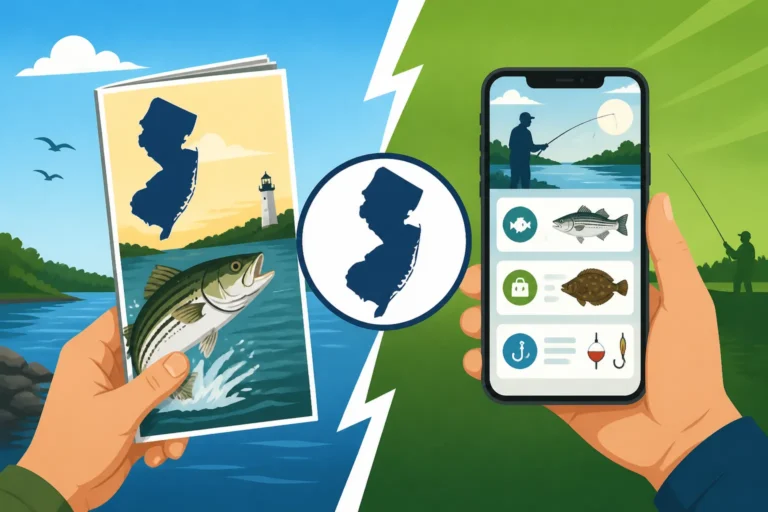
For instance, if you pick up a copy of the annual "Reading the New Jersey Fish and Wildlife Digest"—which you absolutely should, it's packed with crucial information—you'll see the rules and guidelines listed under "Summer Flounder." This includes all the pertinent details about minimum size, daily bag limits, and fishing seasons. It might feel a bit stiff compared to the casual "fluke" you're used to, but it's the state's way of ensuring everyone is on the same page, legally speaking.
Despite this official preference, the term "fluke" continues to dominate the everyday lexicon of New Jersey anglers. Head down to any bait and tackle shop from Sandy Hook to Cape May, and you’ll find signs advertising "fluke rigs" and hear conversations about where the "fluke bite" is hot. Party boat captains will talk about catching "fluke," and fishing reports will almost exclusively refer to them as "fluke." It’s a testament to how deeply ingrained this local term is. So, when you look up the current "New Jersey Fluke Size and Bag Limits Explained", just know that the "fluke" they're talking about is the exact same species the state calls "Summer Flounder." It's merely a matter of formality versus tradition, not a difference in the fish itself.
Unpacking the "Same Fish, Different Name" Reality
It can be genuinely bewildering to hear different names for what seems like the same fish, especially when you’re trying to keep up with regulations or buy the right tackle. You might even hear some old-timers insist there's a subtle difference, perhaps a slight variation in coloration or fin shape. But let's put those rumors to rest once and for all. The core truth here is unequivocally clear: there is no biological distinction between a "summer flounder" and a "fluke." Zero. Zip. Nada.
Biological Identical Twins: No Actual Difference
This bears repeating because it's the absolute crux of the matter: "summer flounder" and "fluke" are not two different species, nor are they subspecies, variants, or even regional morphs. They are precisely the same fish, Paralichthys dentatus. Think of it like this: a "soda" in New Jersey might be a "pop" in the Midwest, but it's still the same carbonated beverage. The fish doesn't change its spots, or in this case, its flat body or eye placement, just because you call it something different.
They share all the same characteristics: a flat, typically brownish or grayish body with scattered darker spots, eyes on the left side of their head when viewed from above (a key identification feature!), and an incredible ability to change their skin color and pattern to blend seamlessly with the ocean floor. This camouflage is why they're such ambush predators, lying in wait for unsuspecting baitfish or crustaceans. Every aspect, from their diet and preferred habitats to their growth rates and spawning patterns, is identical because they are, quite simply, one and the same. This means that any fishing tips, regulations, or identification guides for one term apply equally to the other. If you're looking for pointers on "How to Fish for Fluke in New Jersey", those same techniques will work for "summer flounder" because you're targeting the exact same creature. And when you're trying to figure out if your catch is legal, the "New Jersey Fluke Identification Guide" is your go-to, regardless of what you call it.
The Historical and Regional Roots of "Fluke"
The adoption of different common names for the same species is a fascinating linguistic and cultural phenomenon, deeply rooted in local history and tradition. The term "fluke" has a long and storied history, particularly in the Mid-Atlantic and Northeastern United States. It's believed to have originated from an old English word referring to a flatfish or even a type of anchor barb, perhaps alluding to the fish's broad, flat body or its tendency to "hook" onto bait. Over generations, this term became ingrained in the local fishing communities of New Jersey, New York, and surrounding states.
Anglers and commercial fishermen, long before standardized regulations and scientific naming conventions became widespread, simply used the names that evolved naturally within their communities. "Fluke" was catchy, easy to say, and distinguished this particular flatfish from others. It rolled off the tongue, becoming a part of the local fishing vernacular and tradition, passed down from one generation of anglers to the next. You can still hear it echoed today in conversations at marinas in Point Pleasant or on charter boats heading out of Atlantic Highlands.
This cultural persistence is why, despite the official preference for "Summer Flounder," "fluke" remains the dominant term in casual conversation, in local fishing reports, and often even in how fishing gear is labeled by manufacturers or sold in local shops. You might head to your local tackle shop, or even browse online retailers like Amazon, looking for "fluke rigs" or "flounder lures," and find an overwhelming array of products. Even if a product description on Amazon or a tackle shop sign says "Summer Flounder Tackle," rest assured it's designed for the very same fish we affectionately call fluke. It's a linguistic quirk, not a biological one, and understanding its roots helps dispel any lingering confusion.
Practical Implications for Anglers
Alright, so we've established that "summer flounder" and "fluke" are the same fish. Great! But what does this really mean for you, the angler, out on the water in New Jersey? It mostly boils down to how you interpret information and communicate with others, especially when it comes to the nitty-gritty of regulations and choosing your tackle. The good news is, once you understand the dual naming convention, your fishing life becomes a whole lot simpler.
Navigating Regulations with Confidence
The most important practical implication is how you approach fishing regulations. Whether the rulebook says "Summer Flounder" or your buddy says "fluke," the law is the law, and it applies equally to Paralichthys dentatus. This means that the bag limits, size restrictions, and season dates are identical for both terms because they refer to the exact same species. There isn't a separate, more lenient (or stricter) set of rules for "fluke" versus "summer flounder."
For example, if the current regulation states a minimum size limit of 18 inches for "Summer Flounder," that means your "fluke" must also measure 18 inches or more from tip to tail to be a legal keeper. The same goes for daily bag limits; if you're allowed to keep three "Summer Flounder" per day, you're allowed to keep three "fluke." It's critical to stay informed about these rules, as they can change annually. Always check the most recent New Jersey Fish and Wildlife Digest or their website for the most up-to-date information. Pay close attention to specifics like the "New Jersey Fluke Season Dates for 2026" and familiarize yourself with what it means to have a legal "How to Tell If a Fluke Is Legal Size". Understanding this dual nomenclature ensures you're always compliant, whether you're reading an official government document or chatting with a fellow angler on the pier.
Choosing Your Gear and Bait: It's All the Same Game
Another key takeaway is that your approach to gear and bait doesn't need to change, regardless of whether you're thinking "fluke" or "summer flounder." There are no special baits or lures that work only for one name and not the other. The fish itself doesn't care what you call it; it only cares about what looks enticing and edible. This is great news because it means all the tried-and-true methods for catching fluke are exactly what you should be using for summer flounder.
If you're wondering what to use, traditional favorites like live minnows, killifish, or squid strips remain highly effective. Artificial baits like Gulp! swimming mullets are incredibly popular and productive. When it comes to "Best Bait for Fluke Fishing", you'll find a consensus among anglers. Don't forget the importance of your rig; a well-tied "How to Tie a Fluke Rig" can make all the difference, often featuring a bucktail or a teaser above a baited hook. Whether you prefer "Gulp Bait vs Live Bait for Fluke Fishing", the fish will respond to the same offerings. Even if a product on Amazon is labeled for "summer flounder," it’s still the right stuff for your fluke fishing adventure. Searching for "fluke jigs" on Amazon will yield the same results as "summer flounder jigs" because, ultimately, they're marketed for the same species. Your tackle box needs the same essentials, no matter which name you prefer.
Beyond the Name: What Really Matters When Targeting Fluke
Now that we've firmly established that summer flounder and fluke are one and the same, let's shift our focus to what truly enhances your fishing experience: understanding the fish itself. Knowing Paralichthys dentatus – its behavior, preferred habitats, and effective techniques – is far more valuable than worrying about its name. This knowledge will empower you to find and catch more of these fantastic flatfish, whether you're drifting a bay or working a wreck offshore.
Understanding Fluke Behavior and Habitat
To consistently catch fluke, you need to think like a fluke. These fish are masters of camouflage and ambush. They love to lie partially buried in sandy or muddy bottoms, often near structure, waiting for an opportune moment to dart out and grab their prey. Their preferred habitats vary with the seasons and their size. In the warmer months, especially from late spring through early fall, smaller fluke often move into the shallower, warmer waters of New Jersey's back bays, tidal creeks, and estuaries. This is where you'll find them lurking near oyster beds, channel edges, and bridge pilings.
As they grow larger and the water temperatures start to drop, or simply because they prefer deeper water, bigger fluke tend to migrate out to the ocean. Here, you'll find them around artificial reefs, natural wrecks, rockpiles, and along the contours of the continental shelf. They are often concentrated where there's good current flow, which brings a constant supply of baitfish. Understanding their seasonal movements and where they hold is crucial. For example, knowing "What Does a Fluke Eat?" helps you present the most enticing bait. They primarily feed on small fish like spearing, bunker, and sand eels, as well as squid, crabs, and shrimp. Mimicking these natural food sources is a surefire way to increase your hook-ups.
Essential Techniques for Consistent Success
Catching fluke is incredibly rewarding, and there are several highly effective techniques favored by New Jersey anglers. The most popular method is drifting, either in bays or offshore. This involves allowing your boat to move with the current or wind while dragging your bait or lure along the bottom. This covers a lot of ground and presents your offering naturally. For many, drifting with a traditional fluke rig, often adorned with a bucktail jig or a Gulp! bait, is the quintessential approach. You might find specialized leader material or hooks for fluke fishing on Amazon that are perfectly suitable for what the state officially refers to as summer flounder.
Jigging, particularly with bucktails, is another go-to technique, especially in areas with stronger currents or around structure. The idea is to bounce the jig along the bottom, mimicking a wounded baitfish or crustacean, which often elicits an aggressive strike from a lurking fluke. Varying your jigging motion—short lifts, long sweeps, subtle twitches—can be key to finding what the fish prefer on a given day. Regardless of the technique, presentation is paramount. You want your bait or lure to look as natural as possible, tumbling or swimming enticingly close to the bottom where these flatfish are hidden. Mastering these methods will make you a more effective fluke angler, far more so than fretting over what name to call your next catch.
| Term | Scientific Name | Official NJDEP Usage | Common Angler Usage in NJ | Notes |
|---|---|---|---|---|
| Summer Flounder | Paralichthys dentatus | Primary | Less Common | Used in official regulations and documents. |
| Fluke | Paralichthys dentatus | Secondary | Primary | Widely used by anglers, fishing reports. |
| Winter Flounder | Pseudopleuronectes americanus | Primary | Primary | A completely different species, not a "fluke." |
Disclaimer
Please note that fishing regulations, including size and bag limits, and season dates, are subject to change. Always consult the official New Jersey Department of Environmental Protection (NJDEP) Fish and Wildlife website or the current year's Fish and Wildlife Digest before heading out on the water to ensure you are compliant with all state rules and regulations.