What Does a Fluke Eat?
Oh, the age-old question that plagues every New Jersey angler trying to put some delicious summer flounder in the cooler: "What do fluke actually eat?" It's a frustrating riddle, isn't it? You can be in the perfect spot, at the right tide, and still come up empty if your bait isn't appealing to what they're actually hunting for. This guide is here to demystify the fluke's menu, helping you understand their natural diet so you can trick them into biting your hook every time.
Understanding the Fluke's Diet: A Hunter of Opportunity
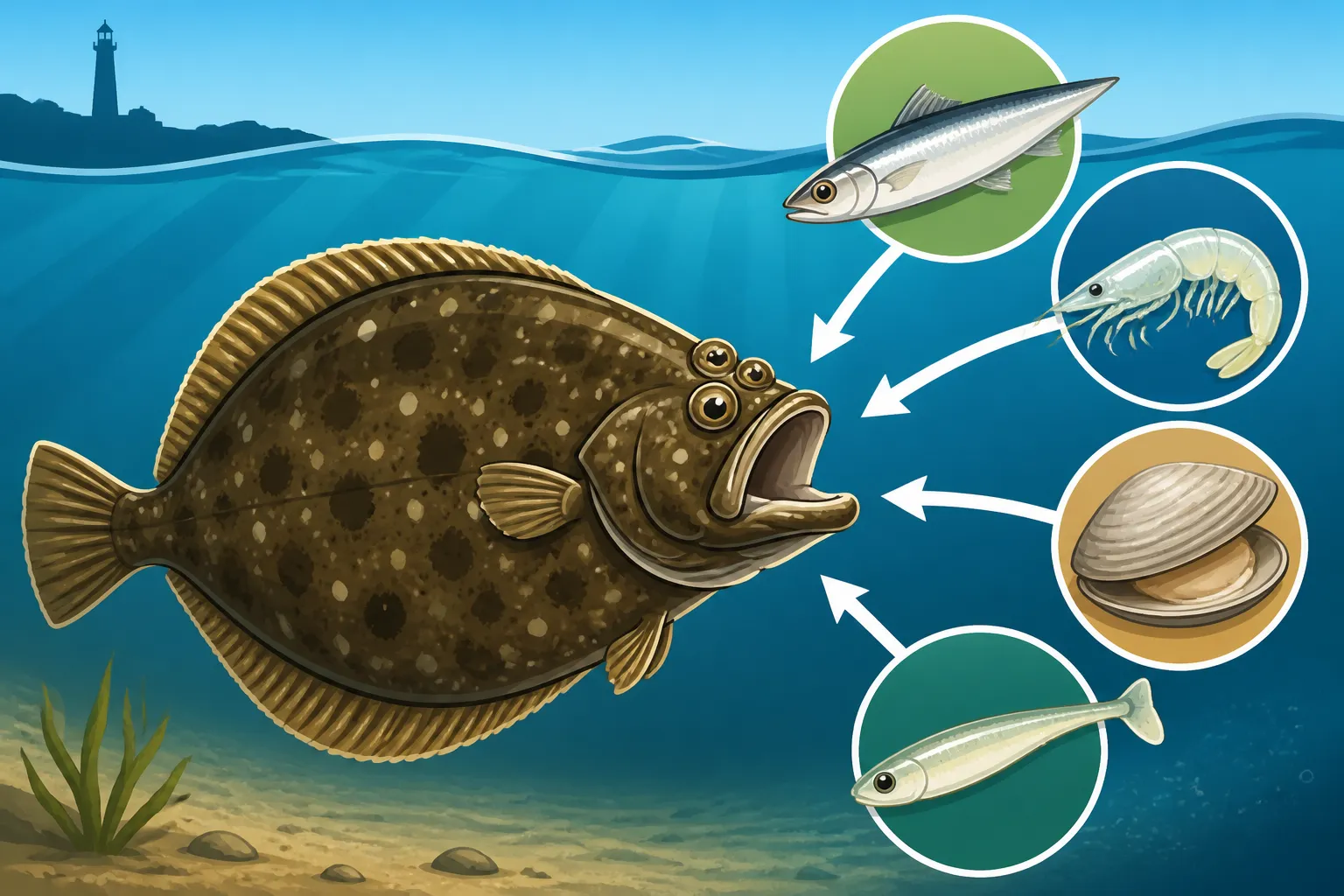
Fluke, or summer flounder as they're officially known, are fascinating creatures. They spend their lives camouflaged on the bottom, patiently waiting, often buried in the sand or mud, with just their eyes poking out, watching for an unsuspecting meal to swim by. They're not picky eaters in the sense that they'll refuse a meal, but they are certainly opportunistic predators, and their diet heavily depends on what's available in their environment.
Natural Prey in New Jersey Waters
When you think about what a fluke eats, picture a flattened, camouflaged hunter on the seabed. Their diet is primarily driven by what moves past them or what they can ambush from their sandy hideout. In New Jersey, this means a smorgasbord of small to medium-sized marine life that inhabits our bays, estuaries, and offshore waters.
One of their absolute favorite meals, and perhaps the most important for anglers to understand, is baitfish. We're talking about species like spearing (silversides), killifish (mummichogs), sand eels (especially in the ocean surf), and juvenile bunker (peanut bunker). These small, silvery fish are abundant in New Jersey's bays and along the coast, making them a primary food source. Fluke will often position themselves in current rips or along channel edges, waiting for schools of these baitfish to be swept past, then dart out with surprising speed to engulf them. You'll often hear veteran anglers say, "Match the hatch," and with fluke, that usually means matching the local baitfish. For example, if you're fishing a shallow bay teeming with killifish, using a live killie or a soft plastic that mimics one will be far more effective than a large cut of bunker meant for a striped bass.
Beyond baitfish, crustaceans play a significant role in a fluke's diet. Small crabs, shrimp, and even mantis shrimp are readily consumed. If you've ever seen a fluke's stomach contents, you'd be amazed at the variety. In areas with grassy bottoms or rocky structures, these bottom-dwelling critters are easy pickings. This is why artificial baits that imitate shrimp or small crabs can be deadly, especially when fished slowly along the bottom.
Lastly, squid and other small invertebrates like worms and even juvenile scup or sea bass make up a portion of their meals. Squid are a particular delicacy, especially for larger fluke, and when they are running, fluke will gorge on them. This knowledge is crucial when you're selecting your bait; a piece of fresh squid can entice a bite when nothing else will.
Seasonal and Habitat Influences on Diet
A fluke's diet isn't static; it's a dynamic menu that shifts with the seasons and the specific habitat they find themselves in. Think about it: a fluke in the shallow, warm waters of Barnegat Bay in July isn't eating the exact same thing as a fluke in the deeper, cooler ocean waters off Cape May in May.
In spring, as water temperatures begin to rise and fluke migrate back into our coastal bays and estuaries, their diet often consists of smaller prey. The first waves of baitfish like spearing and killifish become active, and small crabs and shrimp emerge from their winter dormancy. This is when smaller profile baits, whether live or artificial, tend to work best. You'll find fluke lurking in the shallower channels and flats, ambushing anything that wanders too close.
As summer progresses and fluke spread out into the warmer bay waters and along the ocean beaches and reefs, their diet can diversify. Larger baitfish like peanut bunker become more prevalent, and adult fluke, having grown throughout the spring, are more willing to tackle a bigger meal. This is also when squid runs can occur, turning fluke into voracious squid eaters. If you're drifting in Barnegat Bay Fluke Fishing in Summer, you'll notice a strong preference for live bait like peanut bunker or strip baits cut from larger bunker.
In the fall, as water temperatures start to drop, fluke begin their migration offshore into deeper ocean waters. Their feeding often becomes more aggressive as they try to fatten up for the winter. They'll actively chase larger baitfish and will readily hit bigger jigs and baits. This can be a fantastic time for catching trophy-sized fluke on ocean wrecks and reefs. Understanding these shifts is key to consistent success. A bait that was irresistible in June might be completely ignored in October, simply because the natural food sources have changed.
Why Their Diet Matters to Anglers (and What This Means for Your Bait Choice)
Knowing what fluke eat isn't just trivia; it's the fundamental principle behind successful fluke fishing. If you can present something that looks, smells, or moves like their natural prey, you're halfway to a bite. It really comes down to offering them a meal they're already expecting to find.
Mimicking Natural Prey with Baits and Lures
Anglers have developed countless ways to imitate a fluke's natural diet, ranging from live baits that are literally their food, to artificial lures designed to trick their predatory instincts. The goal is always to present something that looks, smells, and moves like a distressed baitfish, a scuttling crab, or a fluttering squid.
Live Bait: This is often considered the gold standard because it is natural prey. Killifish, spearing, and peanut bunker are all fantastic live baits. The erratic swimming, the natural scent, and the struggle on the hook can be irresistible to a hungry fluke. Many anglers swear by live bait, especially for larger, more wary fluke. You can often net your own bait in shallow bay waters, or purchase it from local tackle shops.
Cut Bait: When live bait isn't available or practical, fresh cut bait is your next best bet. Strips of bunker, mackerel, or even squid are excellent choices. The key here is "fresh" and "cut correctly." A fresh, thin strip of bunker with a bit of skin on it will flutter enticingly in the current, mimicking a wounded baitfish. The natural oils and scent also act as a powerful attractant. Many anglers will "sweeten" their artificial lures with a strip of cut bait for added scent and appeal. You can find pre-cut bait options at your local tackle shop, but cutting your own fresh bait from a whole bunker can often yield better results.
Artificial Lures: This is where things get really fun, and where brands like Amazon come in handy for stocking up! Bucktail jigs are arguably the most iconic fluke lure, and for good reason. They can be dressed with a strip of cut bait or a soft plastic trailer (like a Gulp! grub or swimming mullet) to imitate baitfish or squid. The jig's weight allows you to get to the bottom quickly, and the jigging motion simulates a struggling prey item. There's an endless variety of colors and sizes available on Amazon or at any good tackle shop, allowing you to match the local baitfish precisely. When choosing a bucktail, consider colors that mimic local baitfish – white, chartreuse, pink, or natural bunker colors are often winners.
Soft plastics like Berkley Gulp! are another game-changer. They combine scent and realistic action, often out-fishing natural bait on many days. These come in various shapes—grubs, shrimp, minnows—that can be fished alone or as trailers on bucktail jigs. Anglers frequently debate Gulp Bait vs Live Bait for Fluke Fishing, but many agree that having both options on hand is the best strategy. Whether you're chasing that elusive trophy or just looking for a productive day on the water, having a well-stocked tackle box is essential, and sites like Amazon make it easy to grab whatever you need.
The Importance of Freshness and Presentation
You could have the best bait in the world, but if it's old and stinky, or if you're presenting it poorly, you won't catch anything. Fluke have excellent eyesight and a keen sense of smell, especially in clear water.
Freshness is paramount. A fluke isn't going to go out of its way for a bait that looks like it's been sitting in the sun all day. Fresh live bait, lively and wiggling, is always best. For cut bait, it should be firm, vibrant in color, and have a natural fishy smell, not a rancid one. If your bait looks dull or feels slimy, it's time to change it. This applies whether you're using a store-bought strip or cutting your own from fresh bunker.
Presentation is king. How your bait or lure moves in the water is critical. Fluke are ambush predators; they react to movement.
- Drifting: When fishing from a boat, a slow, controlled drift allows your bait to cover ground naturally, imitating a lost or wounded prey item. Keep your line as vertical as possible to maintain contact with the bottom.
- Jigging: Whether with bucktails or soft plastics, a gentle lift-and-drop motion mimics a struggling baitfish or a scuttling crustacean. The idea is to make your bait look easy to catch.
- Retrieve Speed: Avoid a fast, unnatural retrieve. Fluke don't typically chase down fast-moving prey over long distances. A slow, steady retrieve with pauses and subtle movements is far more effective.
- Leader Material: Using a fluorocarbon leader can make a huge difference, especially in clear water. It's nearly invisible underwater, making your bait look more natural and less connected to your main line. You can find quality fluorocarbon leader material on Amazon for a reasonable price.
Adapting Your Approach: Tips for Different Scenarios
Just like their diet changes with location and season, your fishing approach needs to adapt too. A one-size-fits-all strategy simply won't yield consistent results for fluke in New Jersey.
Fishing in Estuaries and Shallow Bays
When you're fishing in the shallower, often murkier waters of New Jersey's estuaries and bays, your approach needs to be more refined. Fluke here might be smaller on average, but they are often plentiful and can be very aggressive if you hit their feeding zones right.
- Lighter Tackle: You'll typically be using lighter rods and reels here, as you're not battling strong currents or deep water. This allows for a more sensitive feel for bites and a more natural presentation.
- Smaller Baits: Think finesse. Killifish, spearing, small strips of squid or bunker, or small Gulp! grubs are perfect. A 3/8 oz to 1 oz bucktail jig with a small trailer is often all you need. You're mimicking the smaller forage found in these calmer waters.
- Slower Drifts/Patience: Fluke in the bays often sit in defined ambush points like channel edges, drop-offs, or around structure. A slower drift allows your bait to stay in their strike zone longer. If you're drifting too fast, consider a drift sock or a sea anchor to slow down. Don't be afraid to hold your position over a productive spot for a little while, as fluke often move in small schools.
- Target Structure: Look for changes in depth, oyster beds, marsh edges, and bridge pilings. These are natural congregation points for both baitfish and the fluke that hunt them. Remember to check local rules about New Jersey fishing regulations before you head out.
Targeting Fluke in Deeper Ocean Waters
Heading offshore to target fluke on wrecks, reefs, or deeper sticky bottom areas is a completely different ballgame. These are often the places where you'll find the true "doormat" fluke – those big, broad-shouldered fish that make for a fantastic fight and an even better dinner.
- Heavier Tackle: You'll need sturdier rods and reels to handle heavier weights, deeper water, and larger fish. A medium-heavy conventional rod with a robust reel is standard for ocean fluke.
- Larger Baits/Heavier Jigs: Big fluke want a big meal. Large strips of bunker, whole squid, or even live snapper bluefish (if legal and available) are effective. When jigging, you might be using bucktails from 2 oz all the way up to 6 oz or more, depending on the current and depth. Pair them with larger soft plastic trailers or substantial strips of cut bait to offer a more appealing profile.
- Aggressive Drifts: Often, a faster drift is necessary in deeper water to cover more ground and present your bait to active fish. You might need to adjust your lead head or bucktail weight frequently to ensure you're maintaining bottom contact without dragging excessively.
- Focus on Structure: Ocean fluke are almost always found in association with structure—wrecks, artificial reefs, rock piles, and sharp drop-offs. These provide hiding places and concentrated feeding grounds. A good fish finder is invaluable here to pinpoint these areas. When fishing these spots, be prepared for snags, but also for explosive bites from big fluke. It's also worth familiarizing yourself with New Jersey Fluke Size and Bag Limits Explained before keeping any fish. If you plan on exploring New Jersey's offshore fishing, you might also want to look into New Jersey Deep Sea Fishing Charters for a guided experience, as they know these deeper grounds intimately.
| Fluke Prey Type | Example Species | Best Baits/Lures to Mimic (Angler's Choice) | Ideal Fishing Scenario |
|---|---|---|---|
| Baitfish | Spearing, Killifish, Sand Eels, Peanut Bunker | Live killies/peanut bunker, Fresh cut bait strips (bunker/mackerel), Gulp! Swimming Mullet, Bucktail Jigs (white, chartreuse) | Bays, estuaries, ocean surf, channel edges |
| Crustaceans | Small Crabs, Shrimp, Mantis Shrimp | Gulp! Shrimp, Jig & soft plastic grub, Small crab chunks | Muddy/grassy bottoms, shallow flats, around structure |
| Squid | Juvenile Squid | Fresh squid strips, Whole squid, Gulp! Grub (white/pink), Bucktail Jigs (white/pink) | Ocean wrecks, reefs, areas with squid runs |
| Other Fish | Juvenile scup, sea bass, other small bottom fish | Larger cut bait, Live small fish, Big bucktails with large trailers | Deep water, offshore wrecks/reefs, larger fluke habitat |
Remember, no matter where you're fishing or what bait you choose, confidence and adaptation are your greatest assets. Observe what other successful anglers are using, pay attention to what you find in a fluke's stomach if you keep one, and don't be afraid to experiment. Happy fishing!
Disclaimer
This article is for general informational purposes only and does not constitute professional advice. Laws, prices and regulations vary by location and change over time. Consult a qualified professional for guidance on your specific situation.