New Jersey Fishing License Renewal Grace Period
It's a common question, and one that often causes a little panic: "Did my New Jersey fishing license expire? Is there a grace period, or am I officially out of luck if I haven't renewed it yet?" Many anglers assume there's a little wiggle room, a week or two where you're still covered even if you've missed the exact renewal date. This guide is here to clear up that confusion and make sure you understand exactly how New Jersey handles license renewals, so you can avoid any unpleasant surprises on the water.
Understanding New Jersey's Fishing License Validity Period
Navigating fishing regulations can sometimes feel like trying to untangle a particularly stubborn bird's nest of fishing line. One of the most fundamental aspects, often overlooked until it's too late, is understanding when your license is actually valid. In New Jersey, it's pretty straightforward, but the "grace period" idea is where many folks get tripped up.
The Standard Annual License Cycle
For most recreational anglers in New Jersey, the annual fishing license operates on a calendar year basis. This means your license, whether you bought it on January 1st or July 1st, is generally valid from the date of purchase through December 31st of that same year. It doesn't run for a full 12 months from the day you acquire it; it simply covers you for the remainder of the current calendar year. This is a crucial detail that often catches people off guard. You might buy your license in March, fish all spring and summer, and then suddenly realize in January that you've been fishing on an expired license.
This fixed expiration date simplifies things in some ways for the state, but it places the onus squarely on the angler to remember that December 31st cutoff. Once the clock strikes midnight on New Year's Eve, your old license is, for all intents and purposes, null and void. The state’s system is designed for a clean break each year, making it easier to track compliance and manage revenue for conservation efforts. This is also why many anglers tend to buy their new licenses in late December or early January, ensuring continuous coverage as soon as the new year begins. For more details on the exact timing, you can check out information on When Does a New Jersey Fishing License Expire?.
Short-Term Licenses and Their Specific Durations
Beyond the standard annual license, New Jersey also offers a few short-term options that cater to different needs, like the 7-day or 2-day vacation licenses. These are incredibly handy for visitors or residents who might only fish for a brief period. The key difference here is that these licenses do typically provide coverage for a specific number of consecutive days from the date of purchase or a specified start date, rather than being tied to the calendar year end.
For example, if you purchase a 7-day vacation license on a Tuesday, it will be valid for that Tuesday and the next six consecutive days, regardless of whether that period crosses over into a new month or even a new year. This makes them much more flexible in terms of their "start" date but still rigid in their "end" date once activated. There's no ambiguity, and certainly no implied grace period once that specific duration is over. You get precisely what you pay for in terms of days on the water. It’s always smart to double-check the exact terms when you purchase these shorter licenses to avoid any misinterpretations.
| License Type | Validity Period | Renewal Frequency | Grace Period? |
|---|---|---|---|
| Annual Resident/Nonresident | Date of purchase through December 31st of the current calendar year | Annually | No |
| 7-Day Vacation License | 7 consecutive days from chosen start date | As needed | No |
| 2-Day Vacation License | 2 consecutive days from chosen start date | As needed | No |
| Trout Stamp | Same as base license (annual, expires Dec 31) | Annually | No |
| Saltwater Registry | Annual, usually January 1st to December 31st | Annually | No |
The Truth About Grace Periods in New Jersey Fishing
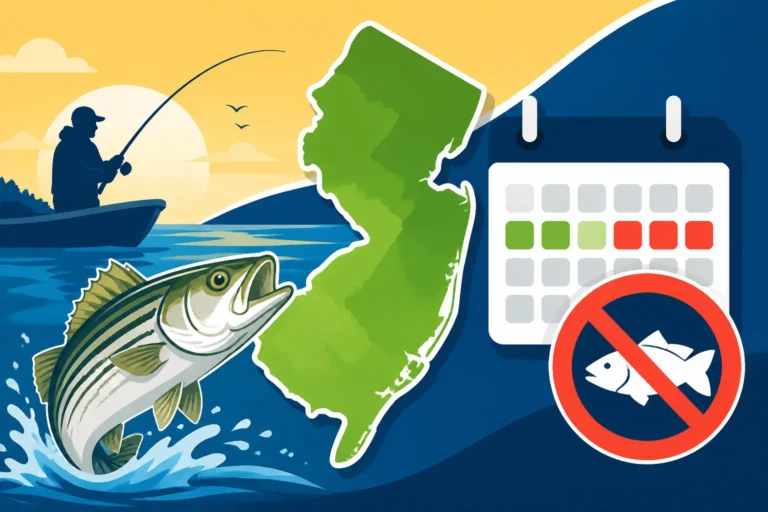
Now, let's tackle the burning question directly: Does New Jersey offer a grace period for fishing license renewals? The short and direct answer is no, New Jersey does not have a formal grace period for fishing license renewals. This can be a bit of a shock, especially for those accustomed to grace periods for things like car insurance or even other state-issued licenses. But when it comes to hitting the water with a rod and reel in the Garden State, the rules are quite clear and strictly enforced.
Why No Grace Period? State Regulations and Enforcement
The New Jersey Division of Fish and Wildlife (NJFW) operates under specific state statutes and administrative code that govern all aspects of hunting and fishing licenses. These regulations are designed to be unambiguous to ensure consistent enforcement and to manage conservation funds effectively. A grace period, while convenient for anglers who might forget, introduces a layer of complexity and potential loopholes that the state opts to avoid. Their stance is that it's the individual angler's responsibility to know and abide by the rules.
Conservation Police Officers (CPOs) are on the job year-round, patrolling freshwater lakes, streams, and coastal areas. Their primary role includes enforcing these regulations, and they carry out checks diligently. If your license expired on December 31st, and you're fishing on January 1st without a renewed license, you are considered to be fishing without one, plain and simple. There's no "I forgot, I'll renew it tomorrow" excuse that will fly. This clear-cut approach helps the NJFW ensure that all anglers are contributing their fair share to the vital conservation programs that protect and enhance New Jersey's diverse aquatic ecosystems. It's all about fairness to those who comply and ensuring funds are consistently available for stocking, habitat restoration, and enforcement. You can learn more about how the state sets its rules by reading How New Jersey Sets Its Fishing Regulations Each Year.
The Practical Implications for Anglers
For you, the angler, the absence of a grace period means a few important things. First, precision is paramount. You need to know your license's expiration date, especially if it's the standard annual license that expires on December 31st. Second, proactivity is key. Don't wait until January 1st to think about renewing your license. Plan to renew it in December to ensure seamless coverage.
Imagine you're out on your favorite lake, perhaps Lake Hopatcong, on a beautiful January morning, feeling refreshed and ready to cast a line. A CPO approaches for a routine license check. If your license expired just hours earlier on December 31st, you could face penalties. It doesn't matter if you intended to renew it later that day or if you simply lost track of time. The law is the law. This can be incredibly frustrating, especially for seasoned anglers who’ve been fishing for years and just had a momentary lapse. The state really aims to make it clear: if you're fishing, you need a current, valid license in hand or easily accessible.
What Happens If You Fish Without a Current License
So, you've heard there's no grace period, but what's the real deal if you accidentally — or perhaps intentionally — find yourself fishing without a valid, current New Jersey fishing license? It’s not just a slap on the wrist; the consequences can be significant and certainly put a damper on your fishing trip. The state takes its licensing requirements seriously, as these fees directly fund critical conservation efforts.
Penalties and Fines You Could Face
Getting caught fishing without a valid license in New Jersey is a violation of state law, and it comes with explicit penalties. You might be surprised at how quickly a fun day on the water can turn into a costly headache. While specific fines can vary depending on the exact circumstances, the general outcome is usually a monetary fine. These fines are not trivial; they are designed to be a deterrent and a genuine consequence.
A first offense typically involves a significant fine, often in the range of several hundred dollars. It's usually more expensive than an annual license itself, which is a tough pill to swallow for what might have been an oversight. Furthermore, the CPO has the authority to confiscate your fishing gear, including your rod and reel, if they deem it necessary. This isn't just about financial loss; it's about the inconvenience and the loss of your valued equipment. In more egregious or repeat cases, you could even face court appearances, additional penalties, and potentially the suspension of your fishing privileges for a period. It's a situation you absolutely want to avoid, and it certainly drives home the point that there's no informal grace period. Understanding these potential costs is vital, so make sure to check out Penalties for Fishing Without a License in New Jersey for more detailed information.
Interactions with Conservation Police Officers
Conservation Police Officers (CPOs) are highly trained law enforcement professionals whose duties extend far beyond just checking licenses. They protect New Jersey's natural resources, enforce environmental laws, and ensure public safety in outdoor recreational areas. When a CPO approaches you for a license check, it's important to be cooperative and respectful. They are simply doing their job to uphold the regulations that everyone must follow.
If you are found to be without a valid license, the CPO will explain the violation and the associated penalties. While they are often understanding of genuine mistakes, their primary role is enforcement. They cannot grant you a grace period on the spot or waive the requirement. Your best course of action is to always carry proof of your current license, whether it's a physical copy, a digital version on your phone, or a clear photo. This makes the interaction smooth and efficient for everyone involved. For information on how these officers operate and their role in protecting our waters, consider reading New Jersey Conservation Police and License Checks. Remember, their goal is to ensure sustainable fishing for everyone, and license compliance is a big part of that.
How to Avoid a Lapse in Your New Jersey Fishing License Coverage
The thought of facing a fine or losing your gear because of an expired license is enough to make any angler a little nervous. But avoiding a lapse in your New Jersey fishing license coverage is actually quite simple with a little planning and organization. You definitely don't want to find yourself in a sticky situation with a Conservation Police Officer, especially when it's so easy to stay compliant.
Setting Up Reminders and Renewing Early
Since there’s no grace period, being proactive is your best defense. The easiest way to ensure you're always covered is to renew your annual license well before the December 31st expiration date. Many anglers, myself included, make it a December ritual to purchase their new license for the upcoming year. This way, come January 1st, you’re good to go without a second thought.
Consider these practical tips for setting up reminders:
- Calendar Alerts: Use your smartphone or computer calendar to set a recurring reminder for early December each year. Name it something obvious like "Renew NJ Fishing License!"
- Email Notifications: When you purchase your license online through the NJDEP Fish and Wildlife licensing system, ensure your email address is up-to-date. The state often sends out renewal reminder emails, which are incredibly helpful.
- Physical Notes: If you prefer old-school methods, write a note on your physical calendar or stick a reminder on your refrigerator. For those who like a more tactile approach, you can even find some great fishing-themed magnetic dry-erase boards on Amazon that you can use specifically for these kinds of reminders!
- Associate with an Event: Link your renewal to another annual event, like holiday shopping or the start of deer season, to help trigger your memory.
Renewing your license is straightforward. You can usually do it online from the comfort of your home, or visit a licensed agent like a tackle shop or sporting goods store. For a comprehensive guide on the process, check out How to Buy a New Jersey Fishing License Online.
Keeping Proof of License Accessible and Safe
Once you've got that shiny new license, keeping proof of it accessible and safe is paramount. It’s not enough just to buy it; you need to be able to present it if requested by a CPO.
- Digital Copy: The most convenient method for many is to keep a digital copy on your smartphone. Take a clear photo of your license or save the PDF confirmation email to a dedicated folder on your device. Just be sure your phone battery doesn't die! Having a backup portable charger, easily found on Amazon, is a smart move for any angler who relies on their phone for navigation, photos, or digital licenses.
- Printed Copy: While a digital copy is generally accepted, some anglers prefer the peace of mind of a physical printout. You can laminate it to protect it from water damage – a small, affordable laminator from Amazon can be a great investment for protecting all your important outdoor documents. Keep it in your wallet, tackle box, or fishing vest.
- Waterproof Holder: Consider a small, waterproof holder or pouch for your license and other important documents. These can easily clip onto your gear and keep everything dry and secure, preventing loss or damage.
- Check All Requirements: Remember that if you're fishing for certain species like trout, you might need an additional New Jersey Trout Stamp Requirements Explained. And don't forget the New Jersey Saltwater Registry Explained if you plan to hit the coast, as this is a separate requirement from a freshwater license.
By following these simple steps, you can ensure you’re always on the right side of the law, focused on the fish, and enjoying your time out on New Jersey’s beautiful waters.
Disclaimer
The information provided in this guide is for general informational purposes only and is not intended as legal advice. Fishing regulations in New Jersey can change. Always consult the official New Jersey Department of Environmental Protection (NJDEP) Division of Fish and Wildlife website or the current New Jersey Fish and Wildlife Digest for the most up-to-date and accurate regulations before engaging in any fishing activities.