Lake Hopatcong Bass Fishing Hotspots
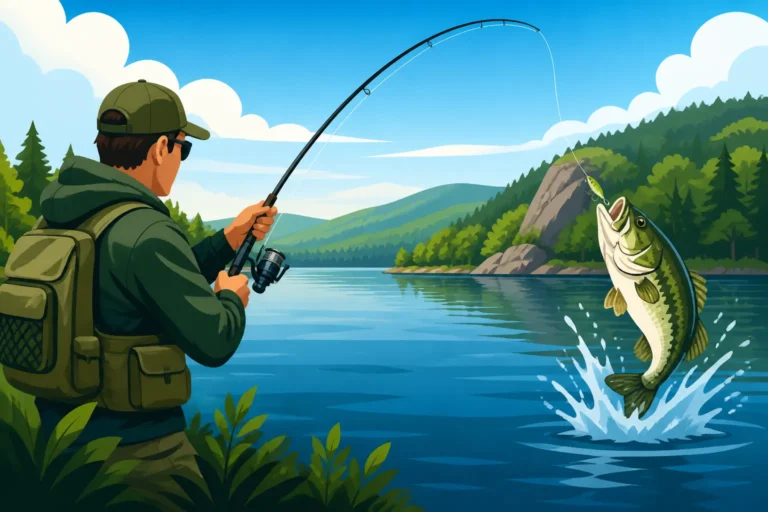
Lake Hopatcong, New Jersey's largest freshwater lake, can feel like a labyrinth when you're trying to pinpoint those elusive bass. Anglers often struggle with where to even begin, facing endless coves, docks, and submerged structures without a clear strategy. This comprehensive guide is designed to cut through that confusion, revealing the top bass fishing hotspots on Lake Hopatcong and equipping you with the knowledge to target both largemouth and smallmouth effectively throughout the seasons.
Understanding Lake Hopatcong's Bass Habitat
Before we dive into specific locations, it's crucial to grasp what makes Lake Hopatcong such a fantastic bass fishery and where these fish prefer to live. This isn't just a big pond; it's a complex ecosystem with diverse bottom structures, varying depths, and plenty of cover. Understanding these elements is like having a secret map to where the bass are hiding.
The Layout of the Lake and Its Structure
Lake Hopatcong is roughly nine miles long and up to three miles wide in some areas, boasting a shoreline of around 26 miles, not counting the numerous islands and coves. This vastness means a wide range of habitats. The lake was formed by glaciers, giving it a varied bottom contour with ledges, humps, and sudden drop-offs. You'll find everything from shallow, weedy flats to deep, clear basins that plunge to over 50 feet in places.
Man-made structures also play a huge role. Docks, boat lifts, seawalls, and bridges provide shade, cover, and ambush points for bass. Natural cover includes extensive weed beds, lily pads, submerged timber (especially in older, less-developed areas), and rocky outcroppings. Largemouth bass tend to gravitate towards the shallower, weedier, and more structured areas, while smallmouth bass, true to their "bronze back" reputation, often prefer deeper, rockier habitats with cooler, clearer water. The key is knowing how to identify these features, either visually or with your electronics, and understanding which species is likely to be there. For a broader overview of the lake, check out our guide on Fishing Lake Hopatcong: New Jersey's Largest Lake.
Key Forage and Water Conditions for Bass
The health and abundance of bass in Lake Hopatcong are directly tied to its forage base and water quality. The lake is incredibly fertile, supporting a diverse menu for hungry bass. Primary forage includes a healthy population of alewife (also known as landlocked herring), which are a staple for larger gamefish. Perch, sunfish, shiners, and even juvenile panfish also make up a significant portion of their diet. This rich food source allows bass to grow to impressive sizes here.
Water conditions fluctuate throughout the year. In spring, as ice retreats (if it forms, see our Lake Hopatcong Ice Fishing Guide for winter details) and temperatures rise, the shallower bays and coves warm up first, signaling the start of the spawn. Summer brings warmer surface temperatures, pushing some bass deeper or into shaded cover. Fall sees cooling temperatures and a pre-winter feeding frenzy, with bass actively chasing baitfish in shallower to mid-depth ranges. Understanding these seasonal shifts in water temperature and how they influence baitfish and bass behavior is paramount to consistent success.
Northern Lake Hopatcong Hotspots for Largemouth and Smallmouth
The northern end of Lake Hopatcong, particularly around the areas of Nolan's Point and Mount Arlington, offers a dynamic mix of shallow, protected coves and deeper, rocky structures, making it a prime hunting ground for both largemouth and smallmouth bass. This area gets a lot of boat traffic, especially during peak season, but don't let that deter you; the fish are still there, often just a bit more wary.
Davis Cove and the Jefferson Arms Area
Davis Cove, nestled near Nolan's Point, is a fantastic starting point, especially during spring and early summer. This expansive cove features abundant docks, lily pads, and thick weed lines that extend into moderate depths. These are classic largemouth bass hideouts. Focus your efforts around the edges of the weed beds, flipping jigs or soft plastics into pockets, or pitching Texas-rigged worms under boat docks. The largemouth here can be quite aggressive, particularly in low light conditions or after a morning boat rush subsides. Look for areas where feeder creeks or storm drains enter the cove, as these can concentrate baitfish and provide cooler water.
Moving towards the Jefferson Arms area, you'll encounter a combination of residential docks and rocky points. This transition zone is where you might start to pick up some smallmouth bass mixed with largemouth. Smallmouth will often relate to the rockier bottom contours and ledges, especially those that drop off into deeper water. Try throwing crankbaits that mimic alewife or smallmouth-specific baits like drop shots or tubes. A great tip for fishing around docks is to cover as many as possible; bass often hold on the shadiest side or near any unique structure like a sunken tire or old pilings.
Mount Arlington and the Causeway
The area around Mount Arlington is another northern gem. Here, you'll find numerous coves and points that hold fish, but the true standout is the causeway that connects to the mainland. This causeway creates a constriction point, often leading to current, which smallmouth bass absolutely love. The rip-rap rocks along the causeway offer excellent habitat, providing countless nooks and crannies for crayfish and baitfish, which in turn attract bass.
Drifting parallel to the causeway with a jig or a weighted tube bait can be incredibly effective for smallmouth, especially during times of increased water flow. Don't neglect the deeper water just off the causeway either, as smallmouth will often suspend there, waiting for an easy meal. On the shallower side of Mount Arlington, you'll find more docks and weed beds, typical largemouth territory. In the early morning or late evening, throwing topwater lures near these structures can produce explosive strikes. For tips on specific retrieves, consider articles like How to Fish Topwater Lures for Largemouth Bass. Remember to always respect private property and be mindful of boat traffic when fishing these bustling areas.
Central Lake Hopatcong's Productive Bass Waters
The central section of Lake Hopatcong is arguably its most famous and certainly one of its most productive bass fishing zones. This area is characterized by major islands, prominent points, and a good mix of both shallow and deep water, creating diverse habitats that appeal to both largemouth and smallmouth bass throughout the year.
Bertrand Island and the Cowpens
Bertrand Island, once home to a popular amusement park, is now a residential area, but its underwater structure remains a magnet for bass. The island's perimeter offers a mix of rocky shoreline, scattered docks, and submerged points that extend into the lake. Largemouth bass will patrol the shallower rocky areas and docks, particularly where there's some weed growth. Flipping jigs, spinnerbaits, or swim jigs along these edges can be very effective. Look for old amusement park ruins or rubble underwater, as these provide unique cover.
Just off Bertrand Island, towards the deeper main lake, you'll find an area often referred to by locals as "The Cowpens." This spot is essentially a series of underwater humps and rocky reefs that rise from deeper water, creating ideal smallmouth bass habitat. These structures act like underwater magnets, concentrating baitfish and drawing in hungry smallmouth. Vertically jigging spoons, tubes, or drop shots over these humps, especially when you mark baitfish on your sonar, can be incredibly productive. This is a classic area to find suspended smallmouth, so patience and good electronics are your friends. For more on this technique, check out How to Drop Shot for Smallmouth Bass. Many seasoned anglers even use services like FishingBooker to find guides who specialize in these deep-water smallmouth techniques.
Great Cove and the State Park
Great Cove is another central lake hotspot that really shines for largemouth bass. This large, relatively shallow cove is brimming with thick weed beds, lily pads, and numerous docks. It's a classic example of prime largemouth habitat in Lake Hopatcong. During the warmer months, bass will burrow deep into the weeds for shade and ambush opportunities. Punching heavy jigs or Texas-rigged creature baits through the densest mats can yield some impressive fish. Alternatively, working frogs or other topwater lures over the top of the lily pads early in the morning or late in the evening can be exhilarating.
The area surrounding Hopatcong State Park offers additional excellent access and diverse fishing opportunities. The park's shoreline, including areas near the public launch ramps, features a mix of rocky banks and scattered cover. While the immediate areas around the busiest sections might see more pressure, venturing a bit further along the park's edges can reveal less-fished pockets. Here, you can expect to find both largemouth relating to the shoreline cover and smallmouth potentially cruising the slightly deeper, rockier sections. This is also a good spot to launch a kayak or canoe for quieter exploration of the coves.
Southern Lake Hopatcong's Bass Fishing Secrets
The southern end of Lake Hopatcong, while perhaps slightly less frenetic than the central areas, offers equally fantastic bass fishing, often with a slightly different character. Here, you'll find some expansive, winding coves and a more riverine feel as the lake narrows towards its outflow, providing unique opportunities for different bass patterns.
Ashley Cove and the Byram Cove Entrance
Ashley Cove is a large, sprawling indentation on the southern end, known for its extensive weed lines and abundant docks, making it a largemouth bass haven. The back sections of the cove are particularly good, often shallower and holding warmer water, especially in spring. As you move deeper into Ashley Cove, you'll notice it has many smaller fingers and pockets. These are prime areas to target, as they offer secluded spots for bass to spawn and feed away from the main lake traffic. Pitching finesse jigs, plastic worms, or creature baits into gaps in the weeds or under overhanging trees can be very productive.
The entrance to Byram Cove, where it opens into the main lake, is a dynamic transition zone. This area features more prominent points, rocky structures, and a good mix of deeper water with scattered weeds. Here, you have a solid chance of catching both largemouth and smallmouth. Largemouth will stick closer to the weed lines and docks, while smallmouth will patrol the rocky points and ledges, especially those with access to deeper water. During the alewife spawn, this transition area can be explosive, as bass will ambush baitfish moving in and out of the cove. Cranking baits or jerkbaits that imitate baitfish can work wonders here.
The River Styx Area and Structures
As Lake Hopatcong narrows towards the dam and the outflow into the Musconetcong River, it transforms into an area affectionately known as the "River Styx." This section is characterized by a more channel-like appearance, prominent current (especially after heavy rains or when the dam is releasing water), and numerous bridges and bridge pilings. This is a fantastic area for current-loving smallmouth bass, but largemouth will also hold tight to any available slack water cover.
The bridge pilings and abutments are absolute gold mines. Bass will stack up against these structures, using them as current breaks and ambush points. Pitching jigs, Texas-rigged plastics, or even smaller crankbaits tight to the concrete can draw immediate strikes. Don't overlook the eddies and slack water pockets that form behind these structures, as largemouth often prefer these less turbulent zones. The shorelines in this area are typically rockier and steeper, again favoring smallmouth. Using your electronics to identify deeper holes or subtle current breaks can give you a significant advantage here. Always be mindful of currents and potential submerged hazards when navigating this section of the lake.
Seasonal Bass Fishing Strategies for Lake Hopatcong
Lake Hopatcong's bass bite changes dramatically with the seasons. What works in April might be completely ineffective in August. Understanding these seasonal shifts in bass behavior is critical for consistent success and helps you select the right spots and techniques.
Spring Spawning and Post-Spawn Patterns
Spring is arguably one of the most exciting times to fish for bass on Lake Hopatcong. As water temperatures climb into the 50s and then 60s Fahrenheit, both largemouth and smallmouth bass begin their pre-spawn movements, pushing into shallower coves and flats to feed heavily. Look for these fish around transitions from deep to shallow water, rocky points, and the budding edges of weed beds. Crankbaits, jerkbaits, and spinnerbaits are excellent choices for covering water and locating these active fish. You can learn more about How to Catch Largemouth Bass in Early Spring for specific tips.
Once the water temperature consistently reaches the mid-60s, typically from late April through May, bass will move onto their spawning beds in shallow, protected areas. Largemouth prefer soft bottoms near cover like docks or submerged brush, while smallmouth might choose rocky flats or gravel beds. During this time, they become very territorial. Flipping or pitching soft plastics like tubes, lizards, or stick baits into or near beds can trigger a defensive strike. Post-spawn, usually in late May and early June, bass are often lethargic, recuperating in nearby cover. They'll start to feed again, often relating to the first available deep water access near their spawning grounds. Small jerkbaits, shaky heads, or weightless worms can be good choices during this transition.
Summer Deep Water and Night Fishing
Summer on Lake Hopatcong brings warmer water temperatures, especially in the shallower areas. While some largemouth will remain in the thickest weed beds and under docks, many bass, particularly the larger ones and most smallmouth, will seek refuge in deeper, cooler water. This means focusing your efforts on offshore humps, ledges, and deep points. This is where electronics become invaluable for locating schools of suspended baitfish and the bass feeding on them.
Vertical jigging with spoons, drop-shotting finesse worms, or slow-rolling deep-diving crankbaits along contours can be highly effective. Early morning and late evening are prime times, as bass will often move shallower to feed under lower light conditions. Another fantastic summer strategy, especially on a lake with as much boat traffic as Hopatcong, is night fishing. The lake quiets down, and bass become much more active, often moving into shallower water to hunt. Throwing large dark-colored spinnerbaits, buzzbaits, or even big worms can lead to some monster bites. For specific summer lure advice, refer to Best Lures for Largemouth Bass in Summer Heat.
Fall Feeding Frenzy and Winter Holdovers
As autumn approaches and water temperatures begin to drop, Lake Hopatcong's bass enter a frantic feeding period known as the fall feeding frenzy. They know winter is coming and need to pack on the calories. This is a fantastic time for aggressive fishing. Bass will often follow baitfish schools into shallower to mid-depth areas, actively chasing them. Spinnerbaits, chatterbaits, lipless crankbaits, and jerkbaits that imitate fleeing baitfish are incredibly effective. Focus on main lake points, channel swings, and areas where baitfish are abundant.
As winter truly sets in and water temperatures dip below 45 degrees, bass become much more lethargic. They'll often school up in deeper main lake basins or around major deep-water structures. Fishing techniques become much slower and more subtle. Blade baits, spoons, and slow-presentations of jigs or finesse plastics can still entice bites, but patience is key. While not a primary bass season, a few dedicated anglers still find success with these deep-water tactics, and some might even transition to Lake Hopatcong Ice Fishing Guide for other species.
Essential Gear and Techniques for Lake Hopatcong Bass
Having the right tools for the job can make a huge difference in your success on Lake Hopatcong. This isn't just about owning a fishing rod; it's about understanding the specific types of baits, lures, and tackle that perform best in the lake's unique environments for different bass species.
Recommended Baits and Lures
Lake Hopatcong's diverse habitats and forage base mean a wide array of baits and lures can be effective. For largemouth bass, especially in the shallower, weedy areas and around docks, you'll want to stock up on:
- Jigs: Flipping and pitching jigs (1/4 to 3/4 oz) in black/blue, green pumpkin, or brown are staples. Pair them with craw or creature trailers.
- Soft Plastics: Texas-rigged worms (7-10 inches), creature baits, and senkos are incredibly versatile. Weightless wacky-rigged senkos are especially deadly around docks.
- Topwater: Frogs (for lily pads), buzzbaits, and poppers can create explosive strikes in low light conditions.
- Spinnerbaits & Chatterbaits: Excellent for covering water along weed lines and points, especially in spring and fall.
- Crankbaits: Medium-diving crankbaits work well around transition zones.
For smallmouth bass, particularly around rocky structures, humps, and deeper water, focus on:
- Drop Shot Rigs: Finesse worms or small minnow-imitating plastics on a drop shot are irresistible to pressured smallmouth.
- Tube Baits: Goby-imitating tubes (3-4 inches) in green pumpkin or brown, fished on a lead head, are classic smallmouth killers.
- Jerkbaits & Small Crankbaits: Minnow-imitating jerkbaits are excellent for suspended smallmouth or those cruising rocky points.
- Spoons & Blade Baits: For vertical jigging over deep structure, especially in cooler water.
Don't forget live bait! Shiners and alewife (where permitted and available) can be incredibly effective, especially for larger smallmouth or when the bite is tough. Many anglers using charter services found through platforms like FishingBooker will rely on the captain's expertise for bait selection.
Optimal Rods, Reels, and Line for Varying Conditions
Matching your tackle to your technique is essential. You don't want to be flipping heavy jigs with a light spinning rod!
- For Largemouth in Heavy Cover (Flipping/Punching): A heavy to extra-heavy power casting rod (7' to 7'6") paired with a high-speed baitcasting reel (7.1:1 or higher gear ratio) is ideal. Spool up with 50-65 lb braided line for cutting through weeds and extracting big fish.
- For General Largemouth (Jigs, Worms, Spinnerbaits): A medium-heavy power casting rod (6'6" to 7') with a versatile baitcasting reel (6.4:1 to 7.1:1) works well. Use 15-20 lb fluorocarbon or monofilament, or 30-40 lb braid with a fluorocarbon leader.
- For Topwater and Cranking: A medium power casting rod (6'6" to 7') with a moderate action is often preferred for better hookups and casting lighter baits. Monofilament line (12-17 lb) is great for topwater due to its buoyancy.
- For Smallmouth (Finesse Techniques like Drop Shot, Tubes): A medium-light to medium power spinning rod (6'6" to 7'2") with a fast action tip, paired with a sensitive spinning reel, is key. Use 6-10 lb fluorocarbon, or 10-15 lb braid with a fluorocarbon leader for maximum sensitivity.
- For Heavy Current (River Styx): A medium-heavy spinning or casting rod with robust line (15-20 lb fluorocarbon or heavy braid) will help you maintain control and battle fish in the flow.
Remember, a New Jersey Fishing License Guide for 2026 is a must-have before you even think about casting a line, and make sure you understand New Jersey Freshwater Fishing Regulations Every Angler Should Know to stay compliant.
Here's a quick comparison of common bass fishing techniques for Lake Hopatcong:
| Technique | Target Bass Species | Preferred Habitat | Key Lures/Baits | Optimal Season |
|---|---|---|---|---|
| Flipping/Pitching | Largemouth | Docks, heavy cover, lily pads, dense weeds | Jigs, Texas-rigged creature baits, plastic worms | Spring, Summer, Fall |
| Drop Shot | Smallmouth | Deep humps, rocky ledges, clear water | Finesse worms, small minnow baits | Summer, Fall, Winter |
| Crankbaiting | Largemouth/Smallmouth | Main lake points, ledges, coves, rocky banks | Shallow, medium, and deep diving crankbaits | Spring, Summer, Fall |
| Topwater | Largemouth | Shallow coves, lily pads, weed edges | Frogs, poppers, buzzbaits | Summer, Fall (early) |
| Jigging Spoons | Smallmouth | Deep water humps, suspended schools, channels | Silver or gold spoons, blade baits | Summer, Fall, Winter |
| Spinnerbaits | Largemouth/Smallmouth | Weed lines, rocky points, stained water | Tandem willow/Colorado blades, skirted | Spring, Fall |
This table provides a snapshot, but continuous learning and adapting to conditions are part of the fun of fishing. Don't be afraid to experiment, and always stay informed about any New Jersey Fishing Regulation Changes for 2026 that might impact your day on the water.
Disclaimer
The information provided in this guide is for general informational purposes only and is subject to change. Fishing regulations, conditions, and fish behavior can vary. Always consult the latest New Jersey Fish and Wildlife Digest or official state resources for the most current rules and safety guidelines before heading out on the water.