Lake Hopatcong Ice Fishing Guide
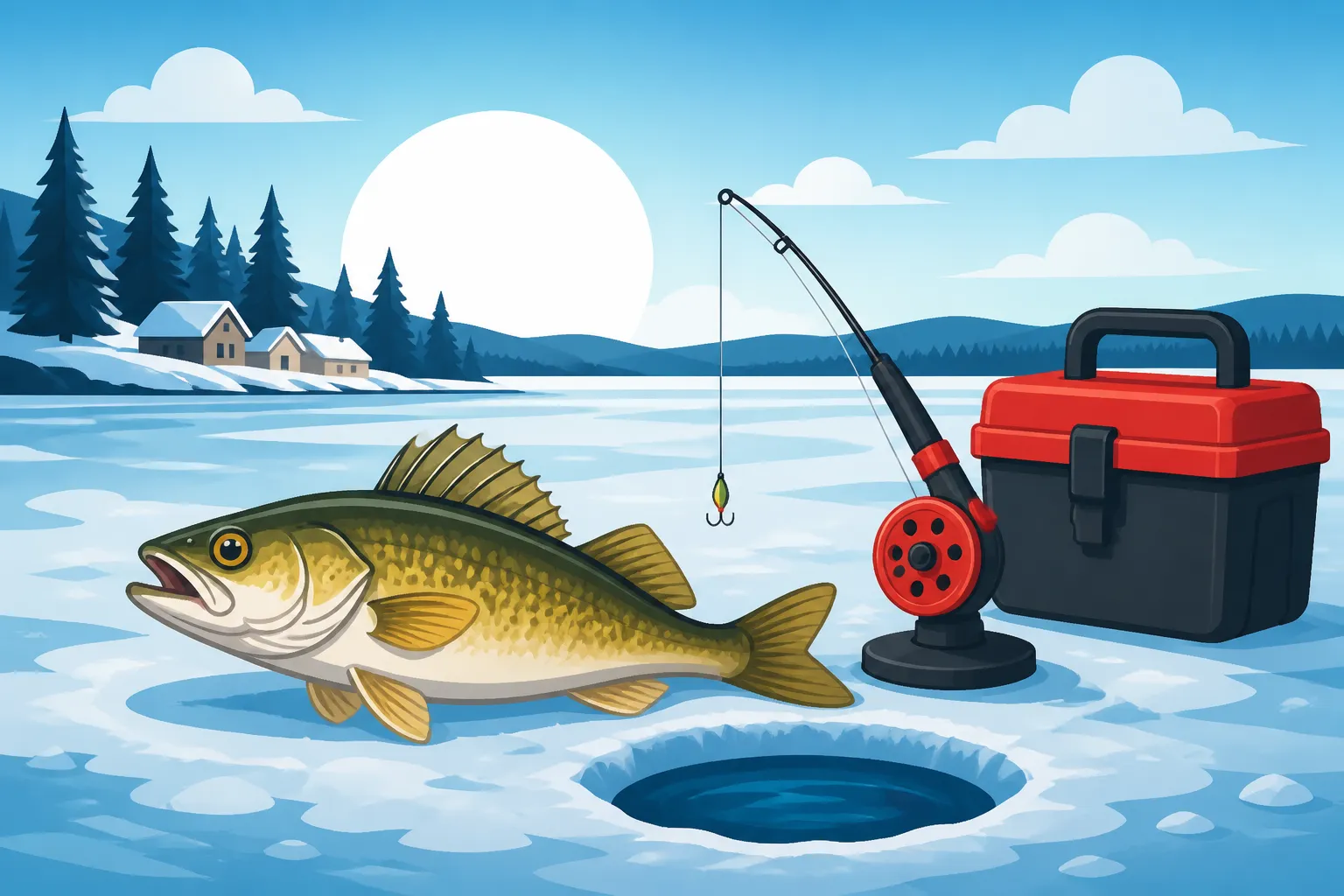
The crisp, invigorating air, the vast expanse of frozen water, and the quiet solitude that comes with being out on the ice – these are the hallmarks of ice fishing. Yet, many anglers in New Jersey feel a bit intimidated by Lake Hopatcong in winter, wondering if it's truly safe or how to even begin tackling such a large body of water when it's locked under ice. This comprehensive guide is designed to cut through that confusion, offering practical advice and seasoned tips to help you experience successful and safe ice fishing on New Jersey's biggest lake.
Understanding Lake Hopatcong for Ice Fishing
Lake Hopatcong, New Jersey's largest freshwater lake, transforms into an angler's paradise once it freezes over. Its diverse structure and rich forage base mean there's plenty of action under the ice, but you need to understand its unique winter personality to truly tap into its potential.
Lake Characteristics and Depth
Lake Hopatcong spans over 2,500 acres and boasts a maximum depth of around 50 feet, though its average depth is closer to 9 feet. This mix of shallow flats, gradual drop-offs, and deeper channels creates a varied underwater landscape that fish utilize differently throughout the winter. During the early ice period, fish might still be found in areas they frequented in late fall, often relating to shallower points, weed lines, or transitions where they can ambush baitfish. As winter progresses and oxygen levels change, some species tend to move towards deeper basins or areas with subtle structure, like rock piles or old submerged timber, providing stability and potential thermal refuge. It's not just a big bowl of water; it's a complex ecosystem that requires a little homework to decipher in its frozen state. Knowing the contours and depths will be your secret weapon to pinpointing productive areas.
Prime Species for Winter Angling
Lake Hopatcong is renowned for its diverse fishery, and many of these species remain active and catchable through the ice. Perhaps the most sought-after are the crappie and yellow perch. These panfish often school up in large numbers, making for fast-paced action once you find them. Largemouth bass and smallmouth bass are also prime targets, though they tend to be a bit more lethargic and require slower presentations. Anglers often find pickerel, too, particularly in areas with remnant weeds, as these toothy predators are always on the hunt. Believe it or not, even walleye can be caught through the ice, though they often require a bit more dedication and can be most active during low-light conditions. Each species has its preferred habitat and feeding patterns under the ice, which we'll delve into in more detail. For a broader look at the finned residents, you can check out our guide on the Fish Species You Can Catch at Lake Hopatcong.
Ice Safety: What Every Angler Needs to Know
I cannot stress this enough: ice safety is paramount. There is absolutely no fish worth risking your life for. Lake Hopatcong is a large, irregularly shaped lake with many coves, inlets, and areas influenced by springs or currents, which means ice thickness can vary dramatically even within a short distance. Always assume the ice is unsafe until you can verify otherwise. The general rule of thumb for safe ice is at least 4 inches for foot travel, 5-7 inches for a snowmobile or ATV, and 8-12 inches for a car or small truck. However, these are just guidelines.
Before you even step on the ice, check with local bait shops, marina owners, or other experienced anglers for current conditions. They often have the most up-to-date and localized information. When you do venture out, go with a buddy, wear a life vest over your winter clothing, and carry ice picks around your neck. A spud bar is also essential for checking ice thickness as you go, especially in unfamiliar territory. Pounding it ahead of you can reveal thin spots before you step on them. Be especially wary of areas near inlets, outlets, bridges, or aerators, as currents can prevent solid ice formation. This isn't just common sense; it's vital for your survival. Our detailed guide on New Jersey Ice Fishing Safety Basics offers even more crucial information.
Essential Gear and Setup for Lake Hopatcong Ice Fishing
Getting geared up for ice fishing might seem overwhelming, but with the right tools, you'll be comfortable, efficient, and ready to reel in those winter catches on Lake Hopatcong.
Rods, Reels, and Line for Cold Water
Unlike open-water fishing, ice fishing uses specialized equipment designed for close-quarters combat and extreme cold. Ice fishing rods are typically short, ranging from 24 to 36 inches, allowing for quick hooksets and maneuverability in a small ice shanty or out in the open. They come in various actions, from ultra-light for panfish to medium-heavy for larger bass or pickerel. Pair these with small spinning reels spooled with appropriate line. Fluorocarbon line is a popular choice for its low visibility and minimal stretch, which helps with sensitivity. However, braid with a fluorocarbon leader is also common, especially when targeting larger fish, as it offers superior strength and sensitivity without the memory issues of mono in cold temps. Remember, line freezes easily, so consider a low-diameter line or one treated for cold weather to reduce ice buildup on your guides.
Augers and Shelters: Manual vs. Power
Drilling holes through thick ice is a core part of ice fishing, and your choice of auger is critical.
- Manual Augers: These are typically hand-cranked and are perfect for early ice or if you only plan to drill a few holes. They are lightweight, require no fuel or batteries, and are relatively inexpensive. Brands like Eskimo and Strikemaster offer reliable manual options that are great for beginners or those who prefer to keep things simple. However, drilling 10+ inches of ice can be quite a workout!
- Power Augers: These come in gas, propane, or electric (battery-powered) versions. Gas augers are powerful and can drill many holes quickly, but they're heavy, noisy, and require fuel. Propane augers offer similar power with cleaner operation. Electric augers, like those from ION or StrikeMaster's Lithium series, have revolutionized the sport. They're quiet, lightweight, and drill quickly, but battery life can be a concern on very cold days or when drilling many holes. For a large lake like Hopatcong where you might be drilling numerous test holes to find fish, a power auger, especially an electric one, can be a game-changer.
Shelters provide much-needed refuge from the wind and cold.
- Pop-up Shelters: These resemble camping tents and are quick to set up and take down. They're spacious, often insulated, and can accommodate multiple anglers. Brands like Clam and Eskimo offer excellent pop-up shelters that pack down compactly.
- Flip-over Shelters: These are often attached to a sled, making them easy to transport. When you reach your spot, you simply flip the tent section over, and you're ready to fish. They're great for mobile anglers and come in single or two-person versions. They provide instant protection and are often well-insulated. Some models, like those from Otter or Clam, even integrate built-in seats and rod holders.
Sonar and Underwater Cameras: Seeing Beneath the Ice
In ice fishing, you're essentially blind to what's below your hole without some technological assistance.
- Sonar (Fish Finders): Flasher units like those from Vexilar or Marcum are staples in ice fishing. They provide real-time readings of what's directly beneath your transducer – bottom structure, baitfish, and most importantly, your lure and any fish approaching it. The circular display on a flasher is intuitive once you get the hang of it, showing different colors for varying signal strengths, indicating fish, your jig, or the bottom. They are crucial for locating fish and understanding their behavior. Many modern units also offer a more traditional graphical display alongside the flasher.
- Underwater Cameras: These are incredible tools for visual learners and curious anglers. Brands like Aqua-Vu offer cameras that you can drop down your hole to literally see the fish, the bottom, and how fish react to your bait. While not as good for covering large areas as sonar, they can confirm species, help you fine-tune presentations, and are just plain fun to watch. They are especially useful in clear water lakes like Hopatcong, allowing you to observe fish behavior and see if your jigging action is enticing them or scaring them away.
Techniques and Tactics for Success on the Ice
Ice fishing isn't just about dropping a line down a hole; it's about strategic presentations and understanding how fish react in their cold-water environment.
Jigging Strategies for Various Species
Jigging is the most active and often the most effective method for ice fishing.
- Panfish (Crappie, Perch): For crappie and perch, small jigs are the name of the game. Teardrop jigs, often tipped with a grub, a small piece of worm, or a wax worm, are incredibly effective. A common technique is to drop your jig to the desired depth, then use subtle lifts and drops, mimicking a dying baitfish. Sometimes a tiny quiver of the rod tip is all it takes to entice a bite. Watch your sonar closely; if fish appear below you, slowly raise your jig above them. Often, they will follow the bait upwards, which can trigger a strike. Tiny tungsten jigs are also popular as they sink quickly to deeper depths without being too bulky. Our guide on How to Ice Fish for Panfish in New Jersey dives deeper into these strategies.
- Bass (Largemouth, Smallmouth): Bass are generally less active under the ice, but they can still be caught. Spoon jigs, lipless crankbaits, or even larger soft plastics on a jig head can work. The key is often a slower, more methodical presentation. Let the lure hit the bottom, then lift it slowly a few feet, letting it flutter back down. Sometimes a long pause is necessary. Don't be afraid to experiment with different cadences. Often, bass will pick up a subtle bait, so pay close attention to any slack in your line or slight tap.
- Pickerel: These aggressive predators will hit a variety of baits. Larger spoons, jigging Rapalas, or even a shiner on a jig head can be effective. They often lurk in areas with dying weeds or near drop-offs. Their strikes are usually quite aggressive, so be ready!
Setting Up Tip-Ups for Passive Fishing
While jigging is active, tip-ups allow you to cover more water and fish passively. A tip-up consists of a spool of line submerged below the ice, connected to a flag that "tips up" when a fish takes the bait. This is fantastic for targeting larger, cruising fish like bass, pickerel, or even the occasional walleye, while you're jigging another hole or warming up in your shelter.
The setup is straightforward:
- Drill your hole.
- Set your tip-up over the hole.
- Spool heavy mono or braided line onto the tip-up spool (e.g., 20-30 lb test).
- Attach a leader of fluorocarbon (e.g., 8-12 lb test for bass/pickerel) to the main line, using a swivel to prevent line twist.
- Attach a small bell sinker a foot or two above a sharp hook (treble or single, depending on regulations and target species).
- Bait with a lively shiner or minnow. Hook it lightly through the back near the dorsal fin or through the lips to keep it active.
- Lower your bait to the desired depth, often just off the bottom or midway up the water column if you're marking fish on your sonar.
- Set the flag mechanism, ensuring it's sensitive enough to trigger when a fish pulls the line.
Space your tip-ups according to local regulations (often 2-3 lines per angler, including jigging rods). Keep a close eye on your flags and be ready to sprint! When a flag goes up, approach quietly, grab the line, and wait for the fish to make a solid run before setting the hook with a firm pull. This wait ensures the fish has fully taken the bait.
Best Baits and Lures for Lake Hopatcong in Winter
Choosing the right bait can make or break your ice fishing day.
- Live Bait: For panfish, wax worms are king. They're hardy, stay lively, and are irresistible to crappie, perch, and bluegill. Spikes (maggots) are another excellent choice. For larger predators, shiners or fathead minnows fished under a tip-up or on a jigging spoon are hard to beat. Always check local bait shops like those around Lake Hopatcong for the freshest and most effective live bait options.
- Artificial Lures:
- Jigging Spoons: These metal lures flutter and flash as they fall, imitating dying baitfish. Common brands include Kastmaster, Swedish Pimple, and Acme Little Cleo. Sizes vary from tiny 1/16 oz for panfish to 1/4 oz or larger for bass and pickerel.
- Jigging Rapalas/Swimming Lures: These lures, like the Rapala Jigging Rap or Chubby Darter, have a distinct darting action that can trigger aggressive strikes. They're excellent for targeting suspended fish or those actively feeding.
- Soft Plastics: Small plastic grubs, tubes, or creature baits on a jig head can be incredibly effective, especially when tipped with a wax worm or piece of a minnow. They offer a subtle presentation that can tempt finicky fish.
- Tungsten Jigs: These small, heavy jigs sink quickly, allowing you to get back down to the fish faster. Their compact size makes them perfect for panfish.
A good strategy is to start with a more aggressive jigging presentation with an artificial lure. If fish show interest but don't commit, switch to a smaller, more subtle jig tipped with live bait. Remember, fish behavior can change throughout the day, so be willing to adapt!
Finding the Hottest Spots on Lake Hopatcong
Lake Hopatcong is big, and blindly drilling holes won't cut it. Finding those honey holes requires understanding winter fish behavior and utilizing the lake's unique features.
Understanding Depths and Structure
In winter, fish often relate to specific depths and structures for food, cover, and comfort.
- Weed Lines: Even under the ice, submerged weeds provide oxygen, cover, and attract baitfish. Look for green weed beds, especially in shallower bays or coves, that hold up well into winter. The edges of these weed lines, or pockets within them, can be hotspots for crappie, perch, and pickerel.
- Drop-Offs: Fish frequently congregate along sudden changes in depth. A steep drop-off from a shallow flat into a deeper basin acts as a highway for fish, and they'll often hold along these contours, waiting for an easy meal. Use a good lake map or your sonar to identify these transitions.
- Points and Humps: Submerged points extending from shore or underwater humps (islands) are classic ice fishing spots. Fish will often cruise over and around these features, particularly if they have access to different depths or adjacent cover.
- Deep Basins: In mid-winter, some species like perch and walleye might suspend in deeper basins, especially if baitfish are present. Using your sonar to find these suspended schools is key.
- Inlets/Outlets: While dangerous due to currents, areas slightly away from direct flow where creeks enter or exit the lake can concentrate fish, bringing in nutrients or warmer water (relatively speaking). Always exercise extreme caution in these areas.
Common Access Points and Parking
Accessing Lake Hopatcong for ice fishing can be tricky, as many spots are privately owned or have limited winter parking. However, there are a few reliable public access points and areas historically used by ice anglers.
- State Park Launch: Hopatcong State Park, located at the lake's southern end in Landing, often provides safe, albeit regulated, access. Parking is typically available, and it's a good starting point for exploring the wider lake. Always check park regulations before heading out.
- Local Marinas and Bait Shops: Many local businesses, when open in winter, might offer access or at least direct you to suitable entry points. Places like Lake Hopatcong Marine or Dow's Boat Rental might have information, though specific winter access varies year to year. They are also excellent sources for up-to-date ice conditions.
- Public Ramps: Certain public boat ramps, such as those maintained by the state, can be used for walk-on access once the ice is thick enough. Just be mindful of parking rules and ensure you're not blocking snowplows or emergency vehicle access.
- Local Knowledge: The best bet is often to consult with local anglers who frequent the lake. A friendly chat at a bait shop will often yield invaluable information about current conditions and popular, safe spots. Some anglers even use services like FishingBooker to connect with local ice fishing guides for their initial trips, which can be a fantastic way to learn the ropes and pinpoint productive locations without the guesswork.
Reading Ice Conditions and Local Reports
As mentioned, ice conditions on Lake Hopatcong can vary wildly. Relying on good, recent information is essential.
- Visual Cues: Look for clear, black ice, which is generally stronger than milky or white ice (which often indicates snow-ice or refrozen slush). Avoid areas with cracks, open water, or visible current. Pay attention to changes in snow cover; thin snow might mean thinner ice beneath.
- Spud Bar: This is your best friend. As you walk, repeatedly strike the ice ahead of you. If it chips easily, or if you break through, you know it's too thin. If it takes several hard strikes to make a dent, you're likely on safe ice.
- Local Bait Shops: These are goldmines of information. They often get daily reports from anglers, know where the safest ice is, and can advise on current bite patterns.
- Online Forums/Social Media: Many New Jersey fishing groups on social media platforms will have real-time updates from anglers on the ice. Use these as a guide, but always verify conditions yourself with a spud bar.
- NJDEP Fish & Wildlife: While they don't provide daily ice reports, their website offers general safety guidelines and regulations. For overall New Jersey ice fishing advice, resources like the NJDEP Fish & Wildlife website can be a helpful starting point.
Regulations and Responsible Ice Fishing Practices
Just like any other form of angling, ice fishing on Lake Hopatcong comes with its own set of rules and responsibilities. Adhering to these not only keeps you legal but also helps preserve the fishery for future generations.
New Jersey Ice Fishing License Requirements
Yes, you absolutely need a New Jersey freshwater fishing license to ice fish on Lake Hopatcong if you are 16 years of age or older. There are no special "ice fishing" licenses; your standard freshwater fishing license covers you. Whether you're a resident or a non-resident, the rules apply. You can purchase your license online through the NJDEP Fish & Wildlife website, at a licensed agent (like many bait and tackle shops, and some sporting goods stores), or sometimes at the Hopatcong State Park office. Make sure your license is valid for the current year. It's always a good idea to carry physical or digital proof of your license with you, as conservation officers do patrol the ice. If you're unsure about the specifics, our New Jersey Fishing License Guide for 2026 breaks down everything you need to know. For those wondering about the younger generation, our guide on Do Kids Need a Fishing License in New Jersey? confirms that anglers under 16 are usually exempt.
Bag and Size Limits for Winter Catches
New Jersey's freshwater fishing regulations apply year-round, including during the ice fishing season. This means that the same bag and size limits for species like bass, crappie, perch, and pickerel that apply in open water also apply when the lake is frozen. These limits are in place to manage fish populations and ensure sustainable angling. Before heading out, always consult the current New Jersey Fish and Wildlife Digest, which can be found online or picked up at most license agents. Pay close attention to any special regulations that might apply to Lake Hopatcong specifically, though generally, the statewide freshwater rules are in effect. For example, there are specific limits for pickerel and often a creel limit for panfish like crappie and yellow perch. Being aware of these limits prevents fines and helps protect the resource. Our detailed guide on How Bag and Size Limits Work in New Jersey provides a thorough explanation.
Environmental Responsibility and Leave No Trace
Responsible angling extends to every season, and ice fishing is no exception. It’s crucial to leave the ice as you found it, if not cleaner.
- Pack It In, Pack It Out: This is the golden rule. All trash, including bait containers, fishing line scraps, broken tackle, food wrappers, and especially tip-up markers, must be removed from the ice. Wind can easily scatter lightweight debris across the frozen landscape, where it can pose a threat to wildlife or become an eyesore once the ice melts.
- Proper Fish Disposal: If you plan to keep fish, dispatch them quickly and humanely. Do not leave fish carcasses on the ice; if you're not going to eat them, they should be released immediately to minimize waste.
- Ice Shanty Care: If you use an ice shanty, ensure it’s secured so it doesn't blow away in high winds. When breaking down camp, make sure to remove all temporary structures and any associated debris.
- Human Waste: If you're out for an extended period, plan for proper disposal of human waste. Portable toilets or WAG bags are recommended; simply going on the ice is unsanitary and contributes to pollution when the ice melts.
- Respect Private Property: Be mindful of where you access the lake and avoid trespassing on private property. Parking responsibly is also part of this. Respecting private landowners helps ensure continued public access where it's permitted. Following these simple principles ensures that Lake Hopatcong remains a beautiful and productive fishery for everyone to enjoy.
Planning Your Lake Hopatcong Ice Fishing Trip
A successful ice fishing trip to Lake Hopatcong involves more than just knowing where the fish are; it's about preparation, comfort, and having the right information at your fingertips.
Weather Considerations and Cold Weather Gear
New Jersey winters can be fickle, ranging from mild days to brutally cold, windy conditions. Always check the forecast before you go, and be prepared for sudden changes. Dress in layers, as this allows you to adjust to changing temperatures and activity levels.
- Base Layers: Moisture-wicking thermal underwear is essential to keep sweat away from your skin, preventing hypothermia.
- Mid-Layers: Fleece or down insulation for warmth.
- Outer Shell: A waterproof and windproof jacket and pants are critical. Insulated ice fishing suits are specifically designed for this purpose, often featuring flotation assistance for added safety.
- Extremities: Don't forget a warm hat (most body heat is lost through the head), insulated gloves or mittens, and waterproof, insulated boots. Chemical hand warmers and foot warmers can also be a lifesaver on bitter cold days.
- Sun Protection: Even in winter, the sun's glare off the snow and ice can cause sunburn and eye strain, so pack sunglasses and sunscreen.
- Emergency Gear: Always carry a fully charged cell phone, a first-aid kit, a whistle, and extra dry clothes in a waterproof bag, just in case. Knowing What to Wear Ice Fishing is as crucial as knowing what bait to use.
Resources for Real-Time Ice Conditions
As discussed, ice conditions are dynamic. Don't rely on outdated information.
- Local Bait and Tackle Shops: These are your best friends. Call or stop by shops near Lake Hopatcong like Lake Hopatcong Marine, or other smaller, independent bait shops in the surrounding towns. They get real-time reports from anglers and often know which areas are safe and which to avoid.
- Online Fishing Forums and Social Media Groups: Search for New Jersey ice fishing groups on platforms like Facebook. Anglers frequently post updates, photos, and discuss current conditions. Use these as a general guide, but always verify conditions yourself.
- Weather Apps: Use reliable weather apps that provide wind speed and direction, as well as temperature. Strong winds can create dangerous wind chill and move shanties, while persistent warmth can quickly degrade ice.
- Word of Mouth: Talk to other anglers you see on the ice. Most are happy to share information, especially about safety.
- Consider a Guide: For a truly immersive and safe experience, especially if you're new to the lake or ice fishing in general, consider hiring a local guide. Services found through platforms like FishingBooker connect you with experienced guides who know Lake Hopatcong inside and out, ensuring you hit safe ice and productive spots.
Local Bait Shops and Supplies
A well-stocked bait shop is more than just a place to buy worms; it's a community hub and a vital resource for ice anglers.
- Live Bait: This is often the primary draw. You'll find wax worms, spikes, minnows, and shiners. Call ahead to check availability, especially for specific bait types.
- Tackle and Lures: Shops will stock a range of ice fishing specific jigs, spoons, tip-ups, line, and small tackle tailored to the local fishery.
- Propane and Fuel: If you're running a power auger or a propane heater in your shanty, these shops will often have propane cylinders or gas cans.
- Ice Safety Gear: You might find ice picks, spud bars, and even basic flotation devices.
- Local Intel: As mentioned, the staff are often lifelong anglers with invaluable insights into current conditions, fish behavior, and productive locations on Lake Hopatcong. They can tell you what's biting, what depth, and with what bait.
Before heading to Lake Hopatcong, make a stop at one of these local establishments. Not only will you get the supplies you need, but you'll also gain crucial knowledge that can significantly improve your chances of a successful and safe day on the ice. Sometimes, even just picking up a map or asking about specific fishing spots like Lake Hopatcong Bass Fishing Hotspots can give you an edge in the winter months.
| Aspect | Manual Auger | Electric Auger | Gas/Propane Auger |
|---|---|---|---|
| Cost | Low (เริ่มต้นที่ $50-$100) | Medium to High (เริ่มต้นที่ $400-$800+) | Medium to High (เริ่มต้นที่ $300-$600+) |
| Noise Level | Silent | Very Quiet | Loud |
| Weight | Lightweight (5-10 lbs) | Medium (15-25 lbs) | Heavy (25-40 lbs) |
| Drilling Speed | Slow (depends on ice thickness and user strength) | Fast (consistent speed, battery dependent) | Very Fast (consistent power) |
| Maintenance | Low (sharpen blades) | Low (charge batteries, occasional blade sharpening) | Medium (fuel, oil, spark plug, blade sharpening) |
| Portability | Excellent | Excellent (no fuel worries, battery only) | Good (can be cumbersome with fuel cans) |
| Environmental Impact | None | None (rechargeable battery) | Emissions (fumes, noise) |
| Ideal For | Early ice, few holes, close to shore, budget anglers | Mobile anglers, many holes, clear lakes, group trips | Heavy users, very thick ice, remote locations |
Disclaimer
Please note that fishing regulations, ice conditions, and local access points can change. It is your responsibility to consult the latest New Jersey Fish and Wildlife Digest and local authorities before planning any fishing trip. Always prioritize safety, especially when venturing onto frozen bodies of water.