Fishing Culvers Lake for Trout
The crisp air, the quiet lapping of water, and the thrilling tug on your line – if you're like many New Jersey anglers, you dream of trout fishing without the endless crowds or the uncertainty of finding a good spot. Culvers Lake, nestled in Sussex County, offers a fantastic, often overlooked opportunity for chasing these elusive fish, providing a serene yet productive experience for both seasoned and novice anglers. This guide will walk you through everything you need to know to make your next trout fishing trip to Culvers Lake a resounding success.
Understanding Culvers Lake's Trout Fishery
Culvers Lake, a picturesque natural glacial lake, is a true gem in northern New Jersey. It’s one of those spots that feels like a hidden retreat, yet it's incredibly accessible. Knowing a bit about its unique characteristics, what fish it holds, and how the state keeps it stocked will give you a significant advantage before you even cast your first line.
Lake Characteristics and Location
Culvers Lake is a rather substantial body of water, covering about 550 acres with an average depth of around 20 feet, though it dips down to nearly 50 feet in some areas. This varying depth is crucial for trout, as they seek out cooler, deeper waters, especially as the seasons change. The lake's clear, clean water, fed by natural springs and streams, contributes to its excellent fish habitat. Its location in Branchville, NJ, places it conveniently for anglers in northern New Jersey and even parts of Pennsylvania or New York, making it a viable day trip destination. The shoreline is a mix of residential properties, but there are ample public access points that we'll dive into later. The structure of the lake includes drop-offs, submerged weed beds, and rocky areas, all of which provide excellent cover and feeding grounds for trout and other species.
Trout Stocking Program Details
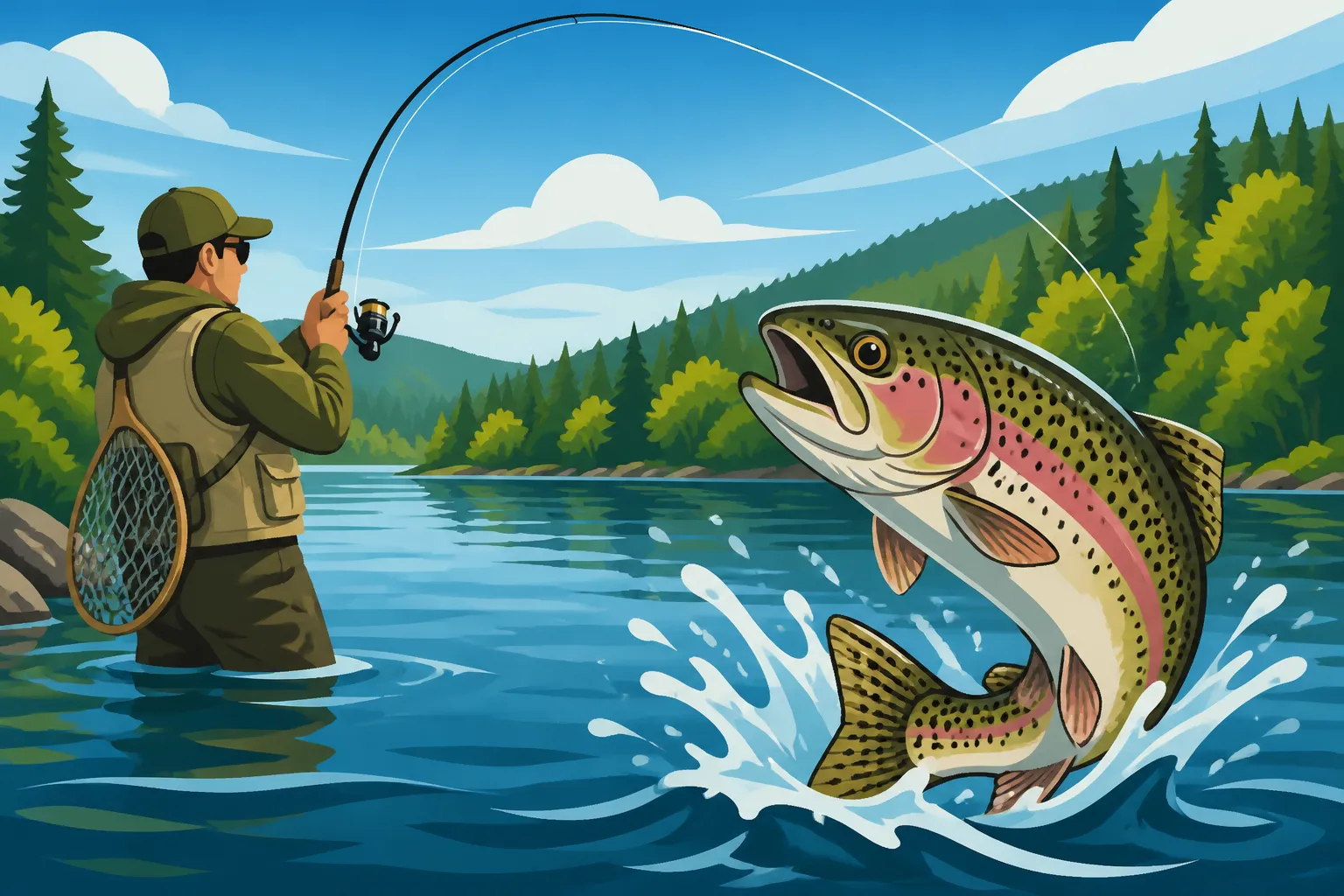
One of the main reasons Culvers Lake is such a reliable trout destination is the New Jersey Division of Fish and Wildlife's robust stocking program. The state actively stocks Culvers Lake with thousands of trout each spring, and often again in the fall. These aren't just small fingerlings; they typically stock adult rainbow trout, brown trout, and sometimes brook trout, often ranging from 10 to 18 inches, with some real trophies mixed in. The goal is to provide immediate angling opportunities, which means when you hit the water, you're fishing for catchable fish.
Understanding the New Jersey Spring Trout Stocking Start Date is paramount here. The spring stocking usually kicks off in late March or early April, and continues for several weeks, often multiple times for larger lakes like Culvers. These stockings are well-publicized by the state, and knowing when fresh fish have been introduced can drastically improve your chances. While the state aims for an equitable distribution of fish, trout tend to congregate in certain areas immediately after stocking, especially near access points or where cooler water enters the lake. It's a fantastic program that ensures a vibrant trout fishery year after year, and it’s why so many anglers flock to these waters during peak season. You can usually find the most up-to-date stocking schedule directly on the NJ Fish & Wildlife website or through local bait shops.
Other Fish Species in Culvers Lake
While we're here to talk trout, it's worth noting that Culvers Lake is a diverse fishery. You'll find a healthy population of largemouth bass, particularly in the shallower, weedier coves and along structure. There are also plenty of panfish, including sunfish, crappie, and yellow perch, which can provide fun action for younger anglers or when the trout aren't biting. Chain pickerel are also present, often lurking in the same areas as the bass. Sometimes, you'll even encounter channel catfish, especially in the deeper, muddier bottoms. This diverse ecosystem means that even if the trout are being finicky, you still have a good chance of bending a rod with another species, making it a versatile destination for a mixed bag trip. For targeting other species, anglers often rely on local knowledge or platforms like FishingBooker to connect with guides who specialize in these varied fisheries.
Best Times and Techniques for Catching Trout in Culvers Lake
Now that you know what Culvers Lake has to offer, let's get down to the brass tacks: when to go and how to catch those beautiful trout. Trout, especially stocked trout, can be a bit particular, but with the right approach, you can consistently bring them to the net.
Seasonal Strategies
- Spring (Post-Stocking): This is arguably the prime time for trout fishing in Culvers Lake. Immediately after the New Jersey Spring Trout Stocking Start Date and for the few weeks following, the trout are actively feeding and somewhat disoriented from their journey, making them more susceptible to a variety of baits and lures. They'll often be found closer to shore, near access points, or anywhere cool water flows into the lake. Look for them in the upper water column or just off the bottom in moderate depths. The action can be fast and furious, especially on opening day and the subsequent weekends.
- Summer: As the water warms up, trout become more challenging to catch. They'll retreat to the deepest, coolest parts of the lake, often near cold springs or at the thermocline (the layer where water temperature changes rapidly). This means shifting your tactics to deeper presentations, using heavier weights, and perhaps fishing early in the morning or late in the evening when water temperatures are at their coolest. Fishing from a boat becomes a significant advantage during these months, allowing you to access those cooler, offshore zones. Targeting trout in warm summer water requires patience and precision.
- Fall (Post-Stocking): Just like spring, the fall stocking brings a renewed burst of activity. The cooler water temperatures invigorate the trout, and they begin to feed more aggressively in preparation for winter. Fall fishing can be incredibly rewarding, offering a peaceful experience with fewer crowds than in spring. The trout behavior during this period often mimics spring, with fish being found in similar areas and responding to similar presentations. The New Jersey Fall Trout Stocking Dates are typically in October, providing excellent opportunities well into November.
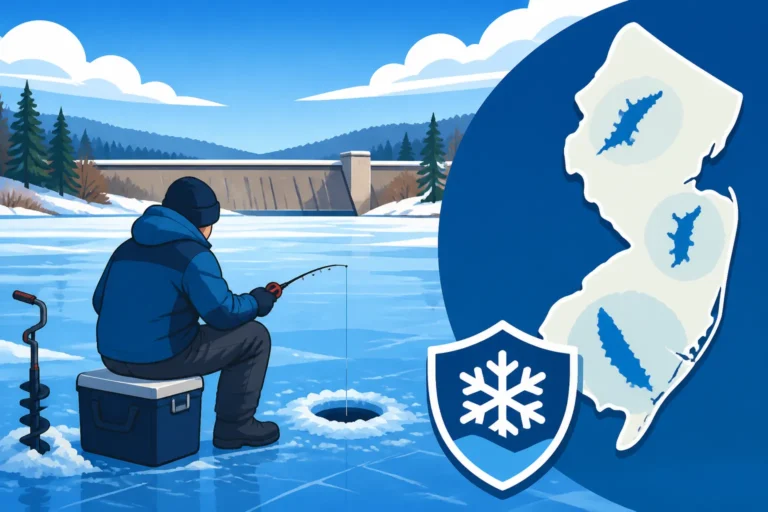
- Winter (Ice Fishing): When the lake freezes over, Culvers Lake becomes a popular destination for ice anglers. If you're wondering How Cold Does It Need to Be to Ice Fish in New Jersey?, generally, consistent temperatures below freezing are needed for safe ice formation, usually 4 inches or more for safe foot traffic. Trout remain active under the ice, although their metabolism slows. They'll still seek out deeper areas but can be tempted with small jigs tipped with bait, or by setting up tip-ups with live shiners or mealworms. Always prioritize New Jersey Ice Fishing Safety Basics and check local ice conditions before venturing out.
Top Baits and Lures
For trout in Culvers Lake, a diverse tackle box is your best friend. Different conditions and different trout moods call for different approaches.
- Live Bait: This is often the most reliable for newly stocked trout.
- Worms: Garden worms, nightcrawlers, and even smaller mealworms are consistently effective. You can fish them on a single hook (#8 or #10) with a split shot or two, either off the bottom or suspended under a bobber.
- PowerBait/Salmon Eggs: These manufactured baits are incredibly popular and effective, especially for stocked rainbows. Mold them around a small treble hook, let it float a foot or two off the bottom with a sliding sinker rig. The scent and bright colors are often irresistible.
- Corn: Believe it or not, plain old canned corn can be a trout killer, particularly for stocked fish. Thread a few kernels onto a small hook.
- Shiners/Minnows: For targeting larger trout, especially brown trout, live shiners fished under a bobber or on a slow troll can be deadly.
- Artificial Lures: For active fish or covering more water, lures shine.
- Spinners: Classic inline spinners like Mepps, Panther Martins, or Rooster Tails in sizes #0 to #2 are fantastic. Gold, silver, and copper blades with a chartreuse or black body work wonders. Cast them out and retrieve steadily.
- Spoons: Small Kastmasters, Little Cleos, or daredevils in silver, gold, or brass flutter tantalizingly through the water. They're great for casting long distances and appealing to aggressive trout.
- Small Stickbaits/Jerkbaits: Brands like Rapala or Rebel make tiny floating or suspending lures that mimic small baitfish. Twitching these slowly can entice strikes, especially from brown trout.
- Jigs: Micro jigs tipped with a grub tail or a piece of Berkley Gulp can be very effective, particularly when jigging through the ice or targeting deeper holding fish.
A crucial tip: Don't be afraid to experiment. If one color or retrieve isn't working, switch it up! Sometimes, a subtle change can make all the difference.
Essential Gear for Culvers Lake
You don't need a boatload of expensive gear to have a great day at Culvers Lake, but having the right essentials will certainly improve your experience.
- Rod and Reel Combo: A light to medium-light action spinning rod, around 6 to 7 feet long, paired with a matching spinning reel spooled with 4-6 lb test monofilament or fluorocarbon line is perfect for trout. It's sensitive enough to feel subtle bites yet strong enough to handle a feisty trout.
- Tackle Box Basics: Stock it with a variety of hooks (sizes #8 to #12), split shot weights, small egg sinkers, swivels, and a few bobbers. Don't forget a selection of the baits and lures mentioned above.
- Landing Net: A small, rubberized landing net is essential. It protects the fish if you plan to Catch and Release Rules in New Jersey and makes landing them much easier, especially when fishing from shore or a small craft.
- Pliers/Forceps: These are invaluable for safely removing hooks, particularly if a fish has swallowed the bait.
- Waders/Waterproof Boots: Depending on where you're fishing and the time of year, waders can provide access to shallow areas unreachable from the bank, helping you find those shy trout.
- Chair/Bucket: If you're planning on shore fishing for an extended period, a comfortable chair or a bucket (which can also hold your catch or tackle) makes a big difference.
- Cooler: If you're keeping your catch, a cooler with ice is a must to keep your trout fresh.
- Valid New Jersey Fishing License: Absolutely non-negotiable! Make sure you have your New Jersey Fishing License Guide for 2026 and a New Jersey Trout Stamp Requirements Explained if you are actively fishing for or keeping trout. You can often buy these online or at local bait and tackle shops. You can also carry Carrying Proof of Your New Jersey Fishing License digitally on your phone.
| Bait/Lure Type | Best Season | Best Conditions | Target Species | Notes |
|---|---|---|---|---|
| PowerBait/Salmon Eggs | Spring, Fall | Still water, light current | Rainbow Trout | Fish off bottom with small treble hook & sinker |
| Worms (Nightcrawlers) | All Seasons | All conditions | All Trout Species | Versatile, great for suspending or bottom fishing |
| Small Inline Spinners | Spring, Fall, Summer | Active fish, clear water | Rainbow, Brown Trout | Steady retrieve, vary depth |
| Small Spoons | Spring, Fall | Active fish, clear water | Rainbow, Brown Trout | Erratic retrieve, good for covering water |
| Live Minnows/Shiners | All Seasons | Larger trout, deeper water | Brown Trout | Fished under a bobber or slow troll |
| Micro Jigs + Grub | Winter (Ice), Summer | Deeper water, slow bite | All Trout Species | Vertical jigging, subtle movements |
Access, Regulations, and Local Tips for Culvers Lake
Now that you're armed with knowledge about the lake and how to catch trout, let's talk about the practicalities of getting there, staying legal, and some insider tips to make your day even better.
Public Access Points and Facilities
Culvers Lake has a few key access points that anglers should know about.
- Culvers Lake Public Boat Ramp: Located on the eastern side of the lake, this is the primary public access point for boats. It's a well-maintained ramp, offering plenty of parking for trailers and vehicles. There's a fee for non-motorized boats and often for launching, so be prepared for that. This ramp provides direct access to the deeper portions of the lake, which is essential, especially during warmer months. Remember to check New Jersey Boat Ramp Rules and Access Fees before you head out.
- Shoreline Access: While much of the shoreline is private, there are spots, particularly around the public boat ramp area and some small sections of undeveloped land, where you can cast from shore. These spots are often well-trodden, especially during stocking periods. Arrive early to secure a good spot, particularly on a beautiful spring day.
- Hand-Launch/Kayak Access: For smaller craft like kayaks, canoes, or paddleboards, the public ramp is still the best bet. These offer fantastic mobility on the lake, allowing you to quietly explore coves and areas that larger boats might overlook. Do Kayak Anglers Need a License in New Jersey? Yes, general fishing license rules apply.
There are usually portable restrooms available at or near the main boat ramp during peak seasons, but it's always wise to be self-sufficient. Local convenience stores and bait shops are usually a short drive away if you need supplies or a quick bite.
Key New Jersey Fishing Regulations for the Lake
Fishing anywhere in New Jersey means understanding and adhering to the regulations set forth by the Division of Fish and Wildlife. These rules are in place to protect the fishery and ensure sustainable angling for everyone.
- Fishing License and Trout Stamp: As mentioned, a valid New Jersey Fishing License Guide for 2026 is mandatory for anyone aged 16 and older. If you plan to fish for or possess trout, you'll also need a valid New Jersey Trout Stamp: Who Needs One. You can purchase both online or at various bait shops and sporting goods stores, even major retailers like Walmart.
- Season Dates: While general fishing is open year-round, trout fishing has specific seasons. Pay close attention to the New Jersey Trout Season Preseason Closure Explained, which typically sees certain waters, including Culvers Lake, closed to all fishing just before opening day to allow for stocking. Once opening day hits, the season is generally open, though bag and size limits still apply.
- Bag and Size Limits: The daily bag limit for trout in most New Jersey waters is 3 fish, with a minimum size of 9 inches. These limits are crucial to abide by. For example, knowing How Bag and Size Limits Work in New Jersey is important for every species you might encounter. Always consult the most current New Jersey Fish and Wildlife Digest for the exact, up-to-date regulations. You can typically find a digital version online, or pick up a physical copy at license vendors.
- Gear Restrictions: In general, you're allowed to use two lines when fishing in New Jersey freshwater. Each line can have up to three hooks. Some specific trout conservation areas have special regulations (like artificial lures or flies only), but Culvers Lake typically follows general state regulations.
- Reporting Violations: If you ever witness a fishing violation, it's important to report it. The New Jersey Conservation Police Officer Contact Information is readily available on the state's Fish and Wildlife website, and they actively patrol waters like Culvers Lake to ensure compliance.
Local Angler Insights and Conservation
Beyond the official rules, local knowledge and a strong commitment to conservation can really enhance your Culvers Lake experience.
- Early Bird Gets the Worm (and the Trout): Especially during spring and fall stocking periods, getting to your preferred access point early can make a huge difference. Not only do you get first crack at the newly stocked fish, but you also avoid the rush of other anglers. Trout are often most active in the early morning and late evening, so planning your trips around these times can be very productive.
- Observe and Adapt: Pay attention to what's happening around you. Are other anglers catching fish? What are they using? Look for signs of baitfish, insect hatches, or trout jumping. The weather, water clarity, and even boat traffic can influence trout behavior. Being flexible with your bait, lure, or fishing depth can turn a slow day into a successful one.
- FishingBooker for Local Expertise: If you're new to the area or want to maximize your chances, consider hiring a local guide. Websites like FishingBooker are excellent resources for finding experienced freshwater fishing guides who specialize in lakes like Culvers. They can provide not only the boat and gear but also invaluable local insights into where the fish are holding, what they're biting on, and the best techniques for that specific day. It's a fantastic way to learn the ropes and get on fish quickly.
- Leave No Trace: Culvers Lake is a beautiful natural resource, and it's up to all of us to keep it that way. Always pack out everything you pack in, and perhaps even pick up any litter you find. Responsible disposal of fishing line, hooks, and bait containers is crucial. Protecting the environment ensures that Culvers Lake remains a pristine fishing destination for generations to come.
- Respect Private Property: While there's public access, much of the lake's shoreline is privately owned. Be mindful of property lines and avoid trespassing. A little respect goes a long way in maintaining positive relationships between anglers and local residents.
- Hydrilla Watch: Keep an eye out for invasive aquatic vegetation like hydrilla. If you spot it, report it to the NJDEP. Always clean your boat, trailer, and gear thoroughly before moving between different bodies of water to prevent the spread of invasive species. This small act of diligence protects all of New Jersey's precious waterways.
Culvers Lake offers a truly rewarding trout fishing experience for those willing to learn its nuances. With a little preparation and a respectful approach, you’re well on your way to enjoying some fantastic angling in one of New Jersey’s most beautiful lakes.
Disclaimer
Fishing conditions and regulations in New Jersey can change. While this guide provides comprehensive and up-to-date information based on current knowledge, it is always the angler's responsibility to consult the latest New Jersey Division of Fish and Wildlife regulations before heading out. State agencies may issue emergency closures or modify limits, so checking official sources is paramount for legal and safe fishing.