Monksville Reservoir Fishing Guide
Finding a freshwater fishing spot in New Jersey that offers a diverse array of species and a serene, unspoiled experience can sometimes feel like searching for a needle in a haystack. Many lakes are crowded, or their regulations are complex. This guide will take a deep dive into fishing Monksville Reservoir, providing you with everything you need to know to successfully target its unique populations and enjoy a truly rewarding day on the water.
Unveiling Monksville Reservoir: A Northern Jersey Gem
Monksville Reservoir, nestled within the picturesque Highlands region of West Milford, Passaic County, is truly a standout among New Jersey's freshwater fisheries. What makes this 505-acre lake so special isn't just its stunning natural beauty, surrounded by the rugged, forested landscape of Long Pond Ironworks State Park; it's also its reputation for offering incredible fishing opportunities for a diverse range of species, including some true trophy contenders. It's a place where the hustle and bustle of the outside world genuinely fades away, leaving you with nothing but the tranquility of the water and the thrill of the chase.
A Pristine, Electric-Only Fishery
One of the defining characteristics of Monksville Reservoir, and a major factor in its pristine condition and excellent fishing, is the strict enforcement of an electric-motors-only rule. This means no noisy, polluting gas engines are allowed on the water, which creates a remarkably peaceful environment for anglers and wildlife alike. For those of us who appreciate the quiet hum of an electric trolling motor over the roar of an outboard, it’s a breath of fresh air. This regulation also contributes to the clarity of the water and the health of the aquatic ecosystem, which in turn supports a thriving fish population. It requires a bit more planning if you're accustomed to gas-powered boats, but the payoff in peace and quality fishing is immense. Anglers often find themselves focusing more on finesse techniques and stealthy approaches, which can be incredibly effective in these calm waters.
Deep Waters and Varied Structure
Monksville Reservoir is known for its relatively deep, clear waters, which provide excellent habitat for cool-water species like smallmouth bass and walleye, alongside its robust populations of largemouth bass, pickerel, and panfish. The reservoir boasts an average depth of around 20 feet, with certain areas plunging much deeper, offering a variety of thermal layers and hiding spots for fish throughout the year. Beneath the surface, you'll find a rich tapestry of structure, including submerged timber, rock piles, ledges, and steep drop-offs. These features create ideal ambush points for predatory fish and provide cover for baitfish, making it crucial for anglers to understand how to locate and effectively fish these underwater structures. Access to detailed contour maps or a quality fish finder can dramatically improve your success rate here, allowing you to pinpoint those productive hidden gems beneath the surface.
Prime Fish Species to Target at Monksville Reservoir
Monksville Reservoir is a true multi-species fishery, offering something for almost every type of angler. While it has a well-deserved reputation for specific trophy fish, you'll find a healthy population of common panfish and predatory species throughout its waters. Understanding what each species prefers and where they tend to hold will significantly boost your chances of a successful outing.
Trophy Smallmouth Bass
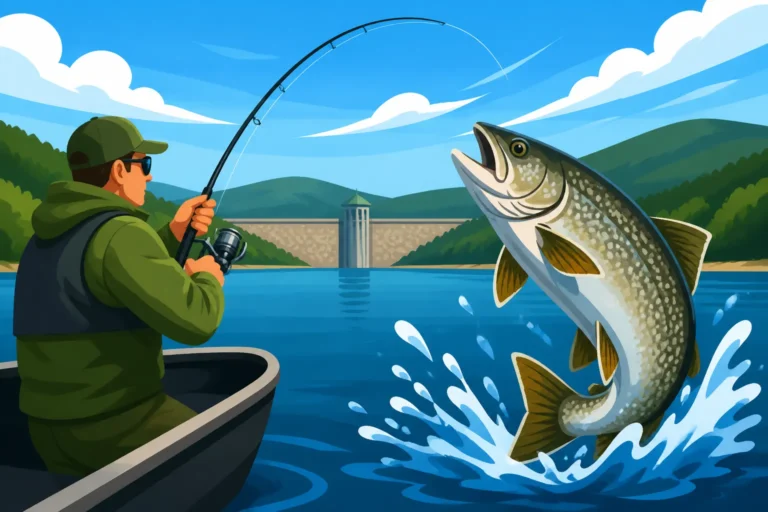
If you’re a fan of hard-fighting smallmouth bass, Monksville Reservoir should be at the top of your list. This reservoir is arguably one of the best places in New Jersey to land a trophy smallmouth, with fish regularly exceeding the 4-pound mark and occasionally pushing into the 6-pound range. These bronze beauties thrive in the reservoir’s clear, rocky, and deep environment. They are particularly active during the spring and fall, but can be caught throughout the warmer months by targeting deeper structure. Look for them around points, submerged humps, rock piles, and steep drops, especially those with good current or deeper access. You'll often find these fish schooling, so if you catch one, there are likely more to follow. For a deeper dive into targeting these aggressive fish, you might want to read our guide on New Jersey Smallmouth Bass Fishing.
Elusive Walleye and Muskie
Monksville Reservoir is also home to populations of walleye and muskie, adding an exciting challenge for anglers looking for something different. Walleye are known for their delicious fillets and their light-sensitive eyes, which make them most active during low-light conditions – dawn, dusk, and cloudy days, or even at night. They tend to hold close to the bottom, often near drop-offs and channel edges, feeding on baitfish. Targeting them often involves jigs tipped with minnows or soft plastics, or crankbaits that can reach their depth. Muskie, on the other hand, are the true apex predators of the reservoir, growing to impressive sizes. While they are not overly abundant, the chance to hook into one of these freshwater leviathans keeps many dedicated anglers coming back. Catching a muskie is often described as a game of a thousand casts, requiring patience, heavy tackle, and large baits or lures. Their presence speaks to the health of the reservoir’s ecosystem and the availability of ample forage.
Abundant Largemouth Bass and Panfish
Beyond the trophy smallmouth and elusive muskie, Monksville Reservoir offers fantastic fishing for largemouth bass, as well as a variety of panfish, making it a great spot for family outings or beginners. Largemouth bass prefer the shallower, weedier coves and areas with fallen timber, offering a different type of fishing experience compared to their smallmouth cousins. They are aggressive eaters and will readily strike topwater lures, spinnerbaits, and soft plastics fished around cover. The reservoir’s panfish population includes healthy numbers of yellow perch, crappie, and bluegill. These species are perfect for younger anglers or anyone just looking for consistent action. They can be caught using simple setups with live bait like worms or small jigs, and they provide excellent table fare. These fish are usually found closer to shore, near docks (where permitted), submerged brush, and weed lines.
Here's a quick reference table for Monksville Reservoir's popular species:
| Species | Best Season | Preferred Habitat | Recommended Baits/Lures | Key Notes |
|---|---|---|---|---|
| Smallmouth Bass | Spring, Fall | Rocky points, humps, deep drops | Tube jigs, Ned rigs, crankbaits, swimbaits, live shiners | Known for strong fights; target clear, cool water. |
| Walleye | Spring, Fall, Night | Bottom near drop-offs, channels | Jigs with minnows, deep diving crankbaits, blade baits | Active in low light; excellent table fare. |
| Muskellunge | Summer, Fall | Weed edges, submerged timber, open water | Large bucktails, jerkbaits, glide baits, large live suckers | Trophy fish, requires heavy tackle and patience; catch and release often recommended. |
| Largemouth Bass | Spring, Summer, Fall | Weedy coves, fallen timber, shallow cover | Spinnerbaits, topwater, soft plastics, jigs | More accessible than smallmouth; good for aggressive strikes. |
| Yellow Perch | Year-round | Weed beds, submerged brush, shallower areas | Small jigs, worms, minnows | Great for kids and easy action; excellent eating. |
| Black Crappie | Spring, Fall | Submerged brush, docks, calm coves | Small jigs, minnows, tiny crankbaits | Schools can be found around structure; good for numbers. |
| Bluegill | Summer | Nearshore vegetation, shallow structure | Worms, crickets, tiny flies | Abundant and cooperative; ideal for beginners and light tackle. |
Best Fishing Techniques and Seasonal Strategies
Fishing Monksville Reservoir effectively means adapting your tactics to the season and the specific species you're targeting. The clear water and the absence of gas motors mean stealth and finesse often pay off big, especially when pursuing the reservoir's prized smallmouth and walleye. However, don't be afraid to experiment!
Spring into Action: Pre-spawn and Spawn Periods
Spring is arguably one of the most exciting times to fish Monksville. As the water temperatures begin to rise, all species become more active, moving into shallower areas for their pre-spawn and spawning rituals. This is prime time for big smallmouth bass. Look for them cruising rocky points, humps, and shallow flats adjacent to deeper water. Tube jigs, Ned rigs, and jerkbaits worked slowly can be incredibly effective during this period. For largemouth bass, target the warmer, shallower coves with submerged vegetation or fallen trees. Spinnerbaits, crankbaits, and even weightless soft plastics can entice a bite. Walleye will also be making their spawning runs, often congregating near rocky areas or tributary mouths (where present). Vertical jigging with minnows or soft plastics can be a deadly tactic. Remember that during the spawn, fish can be very sensitive to pressure, so a gentle approach is always best. Understanding New Jersey Fishing Season Dates and Closures can help you plan your spring trips around optimal activity.
Summer Success: Deep Water and Low Light
When the summer sun heats up, many fish, especially smallmouth bass and walleye, retreat to the cooler, deeper waters of the reservoir. This is when your fish finder becomes an invaluable tool. Look for fish holding on deep structure like offshore humps, ledges, and channels. Drop-shotting, deep-diving crankbaits, and heavy jigs are excellent choices for targeting these suspended or bottom-hugging fish. Smallmouth can often be found suspended over deep water, especially during dawn and dusk. For largemouth bass, early morning and late evening, or even night fishing (where permitted and safe), can be highly productive as they move into shallower feeding areas. Topwater lures, frogs, and Texas-rigged worms fished around lily pads and thick cover will often draw explosive strikes. Panfish, like crappie and perch, can still be found in various depths, often schooling around submerged brush or along deeper weed lines, making them a consistent summer target.
Fall Feeding Frenzy: Preparing for Winter
As the air cools and water temperatures begin to drop in the fall, many species enter a "feeding frenzy" phase, aggressively bulking up for the lean winter months. This is another fantastic time for trophy smallmouth and largemouth bass. They will often be found shallower than in summer, but still relating to structure, actively chasing baitfish. Crankbaits, swimbaits, and bladed jigs can be incredibly effective as fish are willing to chase a meal. Walleye also become very active in the fall, often moving into shallower feeding grounds, especially during overcast days. Trolling crankbaits or casting blade baits can yield excellent results. Muskie anglers often find fall to be their best chance at a true giant, as these fish are incredibly aggressive and will hit large lures with ferocity. The key in fall is often matching the hatch – paying attention to the size and type of baitfish the predators are feeding on and selecting your lures accordingly.
Access Points, Amenities, and Regulations
Knowing how to get on the water, what facilities are available, and most importantly, what rules to follow, is crucial for any successful and enjoyable trip to Monksville Reservoir. Being prepared and respectful of the regulations ensures a smooth experience for everyone.
Boat Launches and Shoreline Access
Monksville Reservoir offers convenient access for anglers with boats, as well as those who prefer to fish from shore. There are two primary boat launches available for public use. The most popular is often the one located off Hewitt Road (County Route 511), which provides ample parking and a well-maintained ramp. Another access point is located on the opposite side of the reservoir, providing additional options, especially during peak times. Remember, only electric motors are allowed, so plan your vessel accordingly. Kayaks, canoes, and small jon boats are incredibly popular here, allowing anglers to quietly navigate the coves and reach prime fishing spots without disturbing the tranquil environment. For those who prefer to keep their feet on solid ground, Monksville Reservoir offers a surprising amount of shoreline access. Because it's part of Long Pond Ironworks State Park, there are several trails and undeveloped areas where anglers can hike in and find secluded spots to cast from the bank. This makes it an excellent destination for anglers without a boat. Before you head out, it’s always a good idea to check for any New Jersey Boat Ramp Rules and Access Fees that might apply.
Crucial Regulations and Permits
Fishing at Monksville Reservoir falls under the general freshwater fishing regulations of New Jersey. This means that a valid New Jersey fishing license is required for all anglers aged 16 and older. You can find comprehensive details in our New Jersey Fishing License Guide for 2026. It's crucial to be aware of species-specific size and bag limits, which can vary by species and sometimes even by water body. For example, while Monksville is known for its muskie, these fish often have very strict size limits, and many anglers practice catch and release for them due to their slow growth rates and conservation efforts. Always consult the current New Jersey Fish and Wildlife Digest (available online and at license vendors) before your trip to stay up-to-date on the latest rules. Beyond fishing regulations, remember the electric-motor-only rule for boats. There are also general state park rules to follow, such as no littering, respecting wildlife, and often restrictions on swimming or open fires. Adhering to these rules helps preserve the reservoir's exceptional quality for all to enjoy.
Nearby Amenities and Services
While Monksville Reservoir itself is largely undeveloped, offering a raw natural experience, you'll find essential amenities in the surrounding areas of West Milford. There are bait and tackle shops within a short drive where you can pick up live bait, lures, and any forgotten gear. If you're planning an extended trip, there are a few dining options and even some lodging choices nearby, though many anglers choose to stay in more developed towns and commute to the reservoir for their fishing days. Restroom facilities are generally available at the main boat launch areas, but it's always wise to be prepared with your own provisions, especially if you plan to explore more remote sections of the shoreline. If you're traveling from further afield and looking for a guide to explore other renowned New Jersey fishing waters, you could consider platforms like FishingBooker to find experienced local captains, even if Monksville Reservoir is primarily a DIY fishing destination for many.
Tips for a Successful Monksville Reservoir Trip
Making the most of your time on the water at Monksville Reservoir involves a blend of preparedness, strategic thinking, and adapting to the unique conditions of this fantastic fishery. A few smart choices can significantly enhance your experience and your catch rate.
Essential Gear for Monksville Anglers
Given the clear water and varied depths of Monksville, having the right gear is paramount. For smallmouth and walleye, a medium-light to medium power spinning rod with a fast action, paired with a reliable spinning reel spooled with 8-10 lb fluorocarbon or braided line with a fluorocarbon leader, is ideal for finesse presentations like tube jigs, Ned rigs, and drop shots. For largemouth bass, a medium-heavy baitcasting setup with 15-20 lb fluorocarbon or braided line will handle heavier cover and larger lures. Muskie fishing requires specialized heavy gear, including stout rods, large conventional reels, and strong braided line (65-100 lb test) capable of handling large lures and powerful fish. Don't forget a good quality fish finder, especially if you're in a boat, to locate submerged structure and identify potential fish arches in the deeper sections. A quality pair of polarized sunglasses will also greatly assist in spotting shallow structure and cruising fish in the clear water. Always carry a net, especially for those larger smallmouth and muskie, to ensure a safe landing and release.
Navigating the Electric-Only Waters
The electric-motor-only rule is a defining characteristic of Monksville, and understanding how to best navigate these waters is a key to success. If you're bringing a boat, ensure your electric trolling motor has sufficient battery life for your planned outing. Many anglers carry multiple batteries or a portable generator for recharging if they plan to be on the water all day. The reservoir is large enough that a weaker trolling motor might struggle to cover significant distances or fight against wind, so a powerful 24V or 36V system is highly recommended for serious anglers. For kayak and canoe anglers, paddle power is the way to go, and investing in a good quality, lightweight paddle can make a huge difference in covering water and reducing fatigue. Always be mindful of wind, as it can make paddling challenging on open water sections of the reservoir. The quiet operation of electric motors and paddle craft allows for stealthy approaches to fishing spots, which is a major advantage in clear water conditions where fish can be easily spooked.
Conservation and Catch and Release Ethics
Monksville Reservoir is home to some incredible fish, and practicing responsible angling, especially catch and release for larger specimens, helps ensure these populations remain healthy for future generations. While keeping panfish for a meal is certainly encouraged, consider releasing larger bass, walleye, and especially muskie. These larger, older fish are vital for the breeding stock and overall health of the fishery. When practicing catch and release, handle fish gently with wet hands, minimize their time out of the water, and use proper de-hooking tools. For muskie, a large net or cradle and long-nosed pliers are essential for safe handling. Avoiding excessive stress on the fish, particularly during warmer months when water oxygen levels are lower, is critical for their survival. Participating in proper catch and release is a sign of respect for the resource and the community of anglers who cherish Monksville.
Exploring Nearby Fishing Opportunities
While Monksville Reservoir offers a fantastic fishing experience, the surrounding North Jersey Highlands are dotted with other excellent freshwater fishing spots. If you're in the area for a few days or just looking to diversify your fishing portfolio, there are plenty of worthy destinations within a reasonable drive.
The Mighty Ramapo River
Just a short distance from Monksville, the Ramapo River flows through picturesque landscapes, offering a completely different fishing experience. The Ramapo is known for its excellent trout fishing, particularly during the spring stocking season. It’s a classic freestone stream with a mix of riffles, runs, and deeper pools, perfect for fly fishing or light tackle spin fishing. Anglers can target rainbow, brown, and brook trout, which are stocked heavily by the state. Beyond trout, the river also holds populations of smallmouth bass, particularly in its lower stretches, along with various panfish. Fishing the Ramapo requires a different approach than the reservoir, often involving wading and precise presentations. To learn more about specific techniques, our article on New Jersey Trout Fishing Techniques might be helpful.
The Storied Lake Hopatcong
If you're looking for a larger, more diverse lake experience, New Jersey's largest lake, Lake Hopatcong, is within a reasonable drive. Lake Hopatcong is a sprawling body of water known for its incredible bass fishing (both largemouth and smallmouth), as well as walleye, muskie, pickerel, and a wide array of panfish. Unlike Monksville, gas motors are permitted on Lake Hopatcong, allowing for faster travel across its expansive waters. It offers numerous public access points, marinas, and a bustling atmosphere. The fishing pressure can be higher, but the sheer size and variety of habitat mean there's always a new spot to explore. If you're curious about this iconic lake, consider diving into a guide like Fishing Lake Hopatcong: New Jersey's Largest Lake.
Other Local Ponds and Reservoirs
The greater Passaic and Morris County areas are home to numerous smaller lakes, ponds, and reservoirs that offer good fishing for various species. Spruce Run Reservoir and Merrill Creek Reservoir, though a bit further south, are also known for their clear waters and excellent smallmouth bass and trout fishing, albeit with their own unique sets of regulations and access points. Many local county parks also feature smaller ponds that are regularly stocked with trout or hold healthy populations of largemouth bass and panfish, providing excellent options for a quick trip or for introducing kids to fishing. Always check local regulations for any specific rules pertaining to these smaller bodies of water. For those seeking specialized guidance across various New Jersey fisheries, platforms like FishingBooker can connect you with guides experienced in different water types, ensuring you find the perfect expert for your next angling adventure, whether it's on a quiet reservoir or a sprawling lake.
Disclaimer
The information provided in this guide is for general informational purposes only and is subject to change. Fishing regulations, season dates, and access policies in New Jersey are determined by the New Jersey Department of Environmental Protection (NJDEP) Division of Fish and Wildlife and can be updated periodically. It is the angler's responsibility to consult the most current New Jersey Fish and Wildlife Digest or the official NJDEP website before any fishing trip to ensure compliance with all applicable laws and regulations. We are not responsible for any inaccuracies or outdated information.