Menantico Sand Wash Pond: Where New Jersey’s Record Bass Was Caught
It can be incredibly frustrating when you hear about legendary fishing spots, only to find vague directions or outdated information, leaving you wondering if you'll ever experience a truly memorable catch. But don't worry, fellow angler! This comprehensive guide will take a deep dive into Menantico Sand Wash Pond, the legendary spot where New Jersey's record largemouth bass was caught, covering its unique characteristics, optimal fishing strategies, and how you can approach this hallowed water to create your own unforgettable fishing memories.
The Storied History of Menantico Sand Wash Pond's Record Bass
Menantico Sand Wash Pond isn't just another body of water in New Jersey; it holds a special place in the hearts of anglers across the state, etched into history as the home of the largest largemouth bass ever caught here. For generations, anglers have dreamed of that one monster fish, and on a particular spring day, that dream became a reality at this unassuming pond.
The Unforgettable Day of the Record Bass
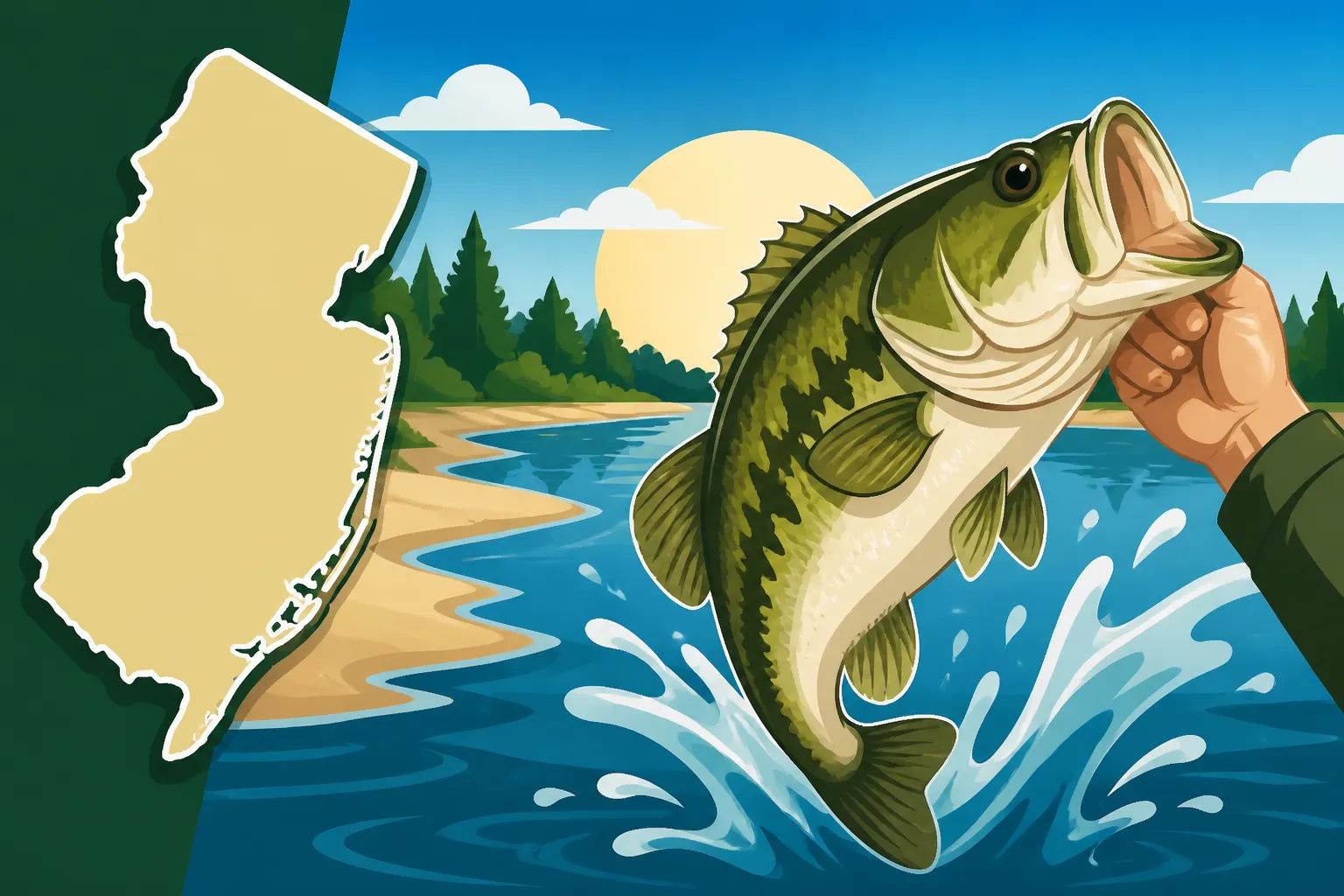
On May 7, 1980, Robert E. Harmelin made history when he pulled a monstrous largemouth bass weighing an astounding 10 pounds, 14 ounces from Menantico Sand Wash Pond. This fish wasn't just big; it shattered the previous state record and instantly elevated the pond to legendary status. Imagine the sheer excitement, the adrenaline rush of battling a fish of that caliber – it's the kind of story that gets passed down through families and fuels countless fishing trips. Anglers still talk about the sheer size of the fish and the quiet determination it must have taken to land such a trophy. You might be interested in learning more about the official New Jersey Largemouth Bass State Record: 10 Pounds 14 Ounces. The story of this catch often makes anglers wonder Where Was New Jersey's Record Largemouth Bass Caught?, and for good reason—it’s a place that continues to intrigue. The record-breaker truly established a benchmark for what's possible in New Jersey's freshwater systems.
The significance of this catch goes beyond just the weight; it put Menantico Sand Wash Pond on the map as a premier destination for trophy bass. Before this, many might have overlooked it, but suddenly, every serious bass angler in the state had it on their radar. It cemented the pond's reputation and gave hope to everyone casting a line, proving that New Jersey waters could produce world-class largemouths. It also sparked curiosity about the fish itself, with many asking questions like How Old Was New Jersey's Record Largemouth Bass? and just generally wondering What Is the Biggest Largemouth Bass Ever Caught in New Jersey?.
Why Menantico Was Ripe for a Record
Menantico Sand Wash Pond's success wasn't just luck; it was a combination of unique environmental factors that created the perfect habitat for a giant bass. These sand wash ponds, typical of the Pinelands region, often have very specific characteristics that allow fish to thrive. The water quality is often excellent, and the availability of diverse forage creates an ideal growth environment. The pond's structure, with its varying depths, submerged timber, and weed beds, provides ample ambush points and protective cover for a predator like a largemouth bass to grow undisturbed, reaching truly enormous sizes.
The surrounding area's undisturbed nature also played a role. Less pressure from intense fishing can allow fish populations to mature and grow larger. Furthermore, a consistent and abundant food source, from baitfish to crawfish and smaller panfish, means bass don't have to expend excessive energy hunting, allowing them to focus on growth. This combination of rich habitat, clean water, and a robust food chain made Menantico a prime candidate for producing a record-setting fish, and it still holds the potential for trophy catches today, albeit with more fishing pressure.
Understanding Menantico Sand Wash Pond's Unique Ecosystem
To truly fish Menantico effectively, you need to appreciate its unique ecosystem. It's not your average pond; its characteristics are distinct and play a huge role in where fish hold and how they behave. Thinking of it as a living system will help you decipher its secrets.
Geographic Location and Accessibility
Menantico Sand Wash Pond is nestled within the beautiful Pinelands National Reserve in Cumberland County, New Jersey. It's part of the Menantico Ponds Wildlife Management Area, near the town of Millville. Access to the pond is generally managed by the state, providing public access for anglers, which is fantastic. The drive to get there takes you through some scenic Pinelands landscapes, a welcome escape from the hustle and bustle. While it's publicly accessible, the area maintains a somewhat wild and undeveloped feel, which contributes to its mystique. You won't find bustling marinas or bait shops right on the water's edge, but rather a more serene, natural experience.
Access points are typically unpaved, often requiring a bit of navigating through gravel or dirt roads, especially after heavy rain. This keeps some of the casual anglers away, which can be a blessing for those willing to make the effort. It’s always a good idea to check local New Jersey Fish and Wildlife resources or use a reliable app like FishingBooker to confirm the most current access details and any potential restrictions before heading out. Sometimes, parking can be limited, so arriving early is always a good strategy, especially on weekends or during peak fishing seasons.
Depth, Structure, and Water Quality
Menantico Sand Wash Pond is renowned for its incredibly clear, dark, tea-stained water, characteristic of the Pinelands, which is often rich in tannins from decaying vegetation. This clear water means fish can be easily spooked, requiring a stealthy approach. The pond's depth varies, with shallower sandy flats transitioning into deeper pockets, often reaching depths of 10-15 feet or more in certain areas, providing cooler holding spots for bass during warmer months. The bottom composition is predominantly sand, as its name suggests, but also features areas of silt and rich organic muck, particularly in deeper zones and around vegetation.
Structure is key here. You'll find plenty of submerged timber, fallen trees, and stumps along the shorelines and extending into the water. These natural structures are magnets for largemouth bass, offering shade, ambush points, and protection. Extensive weed beds, including lily pads and various submerged grasses, are also prevalent, especially in the shallower coves and along the edges. These provide crucial habitat for baitfish and invertebrates, which in turn attract the larger predators. The excellent water quality, free from excessive pollution, contributes to the health and growth potential of all the fish species within the pond, making it one of the healthier lake systems in the region.
Forage Base for Trophy Bass
A robust forage base is absolutely critical for growing trophy-sized bass, and Menantico Sand Wash Pond delivers in spades. Largemouth bass are opportunistic predators, and their diet in this pond is rich and varied. You'll find a healthy population of baitfish, including various species of minnows and smaller sunfish, which provide a readily available food source. Crayfish are also abundant, hiding among the rocks and submerged wood, and are a favorite high-protein meal for larger bass. These crustaceans are often overlooked but are vital for bass growth.
Beyond fish and crustaceans, bass in Menantico also feed on frogs, salamanders, and even larger insects that fall into the water. The dense weed beds and shoreline vegetation support a thriving invertebrate population, which forms the base of the food chain for smaller fish, eventually feeding the bass. Understanding what largemouth bass eat in this specific environment can significantly inform your lure selection and presentation. This rich and diverse buffet allows bass to grow quickly and reach impressive sizes, making every cast a potential encounter with a true lunker.
Fishing Strategies for Menantico's Largemouth Bass
Fishing a legendary spot like Menantico requires more than just a casual approach. You need to adapt your strategies to the pond's unique characteristics, especially if you're targeting those elusive trophy bass. Patience and observation are your best friends here.
Best Lures and Baits for Success
Given the clear water and diverse forage, versatility in your lure selection is key. For topwater action, especially during dawn and dusk or overcast days, hollow-bodied frogs or walking baits like Heddon Super Spooks can be incredibly effective when worked over and around the lily pads and submerged vegetation. The explosive strike of a bass on a topwater lure is unmatched! When bass are holding tighter to cover or deeper, a Texas-rigged soft plastic, such as a Senko or a creature bait, fished slowly around fallen timber and weed lines, can entice a bite. Darker colors like black, junebug, or green pumpkin tend to work well in the tea-stained water.
Jigs, especially skirted bass jigs in black and blue or green pumpkin, tipped with a crawfish imitator, are also phenomenal choices for probing deeper structure or pitching into dense cover. Work them slowly, mimicking a crawfish scurrying along the bottom. Spinnerbaits and chatterbaits can be great for covering water quickly, particularly along weed edges or shallower flats, using blades that create a lot of flash and vibration to call fish in. Consider natural bait options too; live shiners or large nightcrawlers can often tempt even the most finicky bass, particularly if presented subtly. It’s worth noting that using live bait requires extra attention to presentation to avoid snagging, especially around heavy cover.
Seasonal Tactics and Techniques
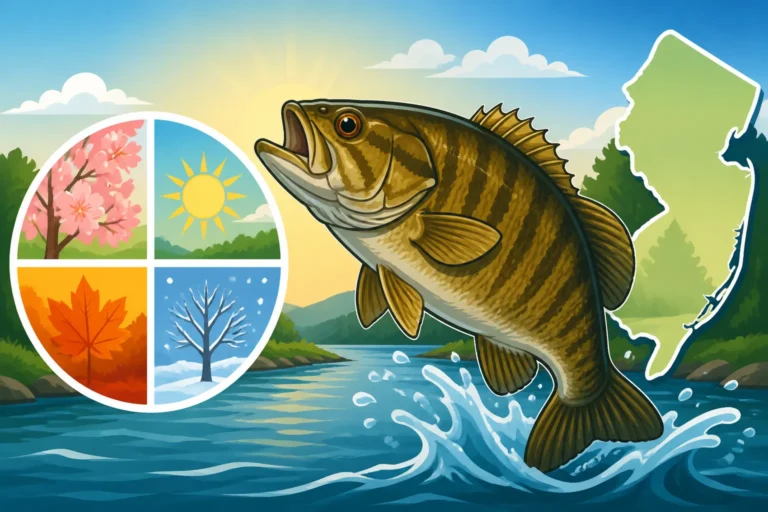
Menantico Sand Wash Pond fishes differently throughout the year, requiring adjustments to your approach. In early spring, as water temperatures begin to rise, bass move into shallower areas to spawn. This is a prime time for sight fishing, targeting spawning beds with soft plastics or jigs. You'll find some great tips in guides like How to Catch Largemouth Bass in Early Spring. As spring transitions into summer, bass often retreat to deeper, cooler water or seek refuge in dense weed beds and under lily pads during the heat of the day. This is when pitching and flipping jigs or heavy Texas-rigs into thick cover becomes paramount. During summer, topwater lures in low-light conditions are also incredibly productive. If you're hitting the water during the hottest months, check out Best Lures for Largemouth Bass in Summer Heat.
Fall brings a renewed feeding frenzy as bass fatten up for winter. They become more aggressive and will chase reaction baits like spinnerbaits, crankbaits, or even larger topwater lures as they actively hunt baitfish. Look for them concentrated around structure and along main lake points. Winter fishing at Menantico can be challenging due to cold water, but it's not impossible. Bass will typically hold in the deepest parts of the pond or near vertical structure. Slow-moving baits like jigs, blade baits, or suspending jerkbaits worked meticulously can draw strikes. For those brave enough to tackle the cold, resources like How to Catch Largemouth Bass in Cold Water can provide invaluable guidance. Always adjust your retrieve speed to match the water temperature and the fish's metabolism.
Shoreline vs. Kayak/Canoe Fishing Approaches
Fishing from the shoreline at Menantico Sand Wash Pond offers limited access to the pond's full potential, but it can still be productive. Focus on areas with visible structure—fallen trees, docks, or breaks in the weed line. Casting parallel to the shore or probing accessible coves with jigs and soft plastics can yield results. For shore anglers, patience and a willingness to move to different spots are crucial. A longer casting rod can help you reach beyond the immediate bank.
However, to truly unlock Menantico's secrets and reach its prime bass habitats, a kayak or canoe is highly recommended. These silent vessels allow you to navigate the shallow, vegetated areas, access dense lily pad fields, and silently approach submerged timber without spooking wary fish. You can hug the shorelines, pitch lures into tight pockets, and explore the deeper channels and weed edges that are inaccessible from land. The quiet approach of a paddle craft is a massive advantage in clear water conditions. If you're planning a trip with a kayak, using an app like FishingBooker can help you find local guides or rental options, maximizing your time on the water.
Beyond Bass: Other Species at Menantico
While largemouth bass are the undisputed kings of Menantico Sand Wash Pond, this vibrant ecosystem supports a variety of other fish species, offering diverse fishing opportunities for anglers of all ages and skill levels. It's not just a one-species wonder; there's plenty of action to be found!
Panfish Opportunities for Family Fun
Menantico is a fantastic spot for targeting panfish, making it an ideal destination for family fishing trips or for beginners looking for consistent action. Bluegill, crappie, and sunfish are abundant throughout the pond. These smaller species are often eager biters and provide excellent sport on light tackle. Imagine a kid's face lighting up after catching their first fish – Menantico can deliver those moments repeatedly. They tend to congregate around the same types of structure that bass love, such as weed beds, lily pads, and submerged timber, but often in shallower water.
For panfish, simple setups work best: a light spinning rod, a bobber, a small hook, and some worms or small jigs are usually all you need. Crappie can be targeted with small jigs or minnows, especially around brush piles or deeper weed edges. Bluegill and other sunfish will readily take a worm or small artificial bait under a bobber in almost any vegetated area. These species not only provide consistent entertainment but also serve as a crucial forage base for the larger largemouth bass, contributing to the pond's overall health and productivity.
Pickerel and Other Predators
Beyond bass, Menantico also boasts a healthy population of chain pickerel, another exciting freshwater predator. Pickerel are known for their aggressive strikes and sharp teeth, making for an exhilarating fight. They often inhabit similar areas to largemouth bass, particularly lurking in dense vegetation, along weed lines, and near submerged structure, waiting to ambush unsuspecting prey. They are voracious eaters and will readily strike spinnerbaits, spoons, or jerkbaits. Just be mindful of their sharp teeth when handling them – a good pair of pliers is a must-have!
While less common, you might also encounter other species like yellow perch, which add to the diversity of the catch. These secondary predators and forage fish indicate a well-balanced ecosystem, demonstrating the overall health of Menantico Sand Wash Pond. Exploring different parts of the pond and varying your presentation can lead to unexpected and exciting catches beyond just largemouth bass.
Regulations and Responsible Angling at Menantico
Fishing at Menantico, like any public water in New Jersey, comes with rules designed to protect the fishery and ensure its sustainability for future generations. Understanding and adhering to these regulations is a crucial part of being a responsible angler. No one wants to accidentally break a rule and face penalties, or worse, harm the very resource we cherish.
Specific Rules and Limits for the Pond
The New Jersey Division of Fish and Wildlife sets specific regulations for freshwater fishing, including those that apply to Menantico Sand Wash Pond. These typically cover bag limits, size limits, and season dates for various species. For largemouth bass, for instance, there will be a minimum size limit and a daily creel (bag) limit, which can change from year to year based on population assessments. It’s imperative to consult the current New Jersey Freshwater Fishing Regulations Every Angler Should Know before your trip. This digest is your ultimate guide, and it's available online or at bait and tackle shops. You should also be aware of the New Jersey Daily Bag Limits by Species to ensure you're in compliance.
Beyond fish-specific rules, there might be general rules for the Menantico Ponds Wildlife Management Area itself, such as restrictions on boat motor types (e.g., electric motors only, or no motors at all), bait restrictions (e.g., no live baitfish from other waters to prevent disease spread), or specific hours of access. Always look for signage at access points or check the official NJDEP Fish and Wildlife website for any specific pond-level rules. And remember, while fishing, you will need a valid New Jersey freshwater fishing license if you are 16 years of age or older. While many small ponds might seem private, state-managed areas like Menantico almost always require proper licensing, so it's good to avoid asking yourself Can I Fish a Private Pond in New Jersey Without a State License? when dealing with public access spots.
Conservation and Catch and Release Practices
Given Menantico's reputation for trophy bass, responsible angling, especially catch and release, is highly encouraged, particularly for larger fish. While it’s tempting to keep a monster bass, releasing it back into the water allows it to contribute to the gene pool and ensures future generations of anglers have a chance at a similar catch. When practicing catch and release, handle fish gently, minimize their time out of the water, and use appropriate tools like de-hookers to remove hooks quickly and cleanly. Avoid dragging fish on the bank or holding them by their jaw vertically if they are large and heavy, as this can cause damage.
Understanding the importance of conservation goes hand-in-hand with enjoying the outdoors. Keeping the pond clean by packing out all trash, including discarded fishing line, is essential. Fishing line can be a hazard to wildlife. By practicing ethical angling, we can all contribute to the health and longevity of Menantico Sand Wash Pond as a premier fishing destination. This respect for the resource is what keeps spots like Menantico legendary, ensuring that future anglers can also dream of catching the next state record bass.
Planning Your Trip to Menantico Sand Wash Pond
A successful fishing trip to Menantico Sand Wash Pond involves a bit of planning beyond just knowing where to cast. Being prepared for the environment and understanding the best times to visit will significantly enhance your experience.
Best Time to Visit and What to Bring
The absolute best times to visit Menantico Sand Wash Pond for largemouth bass are typically during the spring (April to early June) and fall (September to November). During these seasons, water temperatures are ideal, and bass are often more active, feeding aggressively. Spring offers the excitement of the spawn, while fall presents a feeding frenzy as fish prepare for winter. Summer can still be productive, but you'll need to focus on early mornings, late evenings, or overcast days to avoid the midday heat when bass tend to become lethargic and seek deep cover. Winter fishing, while challenging, can reward dedicated anglers with fewer crowds and potentially large, slow-moving bass.
When it comes to what to bring, think light and versatile. A selection of your favorite bass lures – soft plastics, jigs, topwaters, and spinnerbaits – should cover most situations. Don't forget pliers for hook removal, a good pair of polarized sunglasses to spot fish and structure in the clear water, and a wide-brimmed hat for sun protection. Insect repellent is a must, especially during warmer months, as the Pinelands can be buggy. If you're using a kayak or canoe, ensure you have all necessary safety gear, including a PFD (personal flotation device), and a small anchor. A portable fish finder can also be incredibly helpful for locating submerged structure and deeper pockets. And, of course, your valid New Jersey fishing license is non-negotiable! Using FishingBooker for booking guided trips in the area can provide expert insights on what specific gear works best at certain times.
Nearby Amenities and Accommodations
Menantico Sand Wash Pond is located in a relatively wild and natural area, so you won't find extensive amenities right on its doorstep. The nearest town for supplies, gas, and food would be Millville, which is a short drive away. Millville offers a variety of restaurants, grocery stores, and some basic accommodations, including hotels or motels. For a more rustic experience, there might be state park campgrounds or private campgrounds in the broader Pinelands region, allowing you to immerse yourself fully in the natural environment.
If you're looking to make a full weekend out of your trip, consider exploring other nearby fishing opportunities or attractions within the Pinelands. Just remember that this is a natural setting, so come prepared with anything you might need for the day. Always plan your food and water needs accordingly, as there are no concession stands or public restrooms directly at the pond. A little preparation goes a long way in ensuring a comfortable and enjoyable fishing adventure at this legendary New Jersey spot.
Disclaimer
The information provided in this guide is for general informational purposes only and is subject to change. Fishing regulations, season dates, and access rules can be updated by the New Jersey Division of Fish and Wildlife. Always consult the most current official New Jersey Fish and Wildlife Digest or their website before planning your fishing trip to ensure compliance with all applicable laws and regulations. Fishing inherently involves risks; please prioritize safety and exercise caution while on the water.