4×4 Permit Requirements for Surf Fishing at Island Beach State Park
Oh, the allure of Island Beach State Park! There's nothing quite like the feeling of driving your rig right onto the sand, fishing rod in hand, ready to tackle the surf. But if you've ever tried to figure out the permit system to make that dream a reality, you know it can feel like trying to untangle a hundred yards of monofilament after a bird's nest. It's confusing, often frustrating, and sometimes you just wish someone would lay it all out for you in plain English. Well, consider this your comprehensive guide to understanding the 4×4 permit requirements for surf fishing at the legendary Island Beach State Park, so you can stop scratching your head and start casting.
Why a 4×4 Permit is Essential for Island Beach State Park Surf Fishing
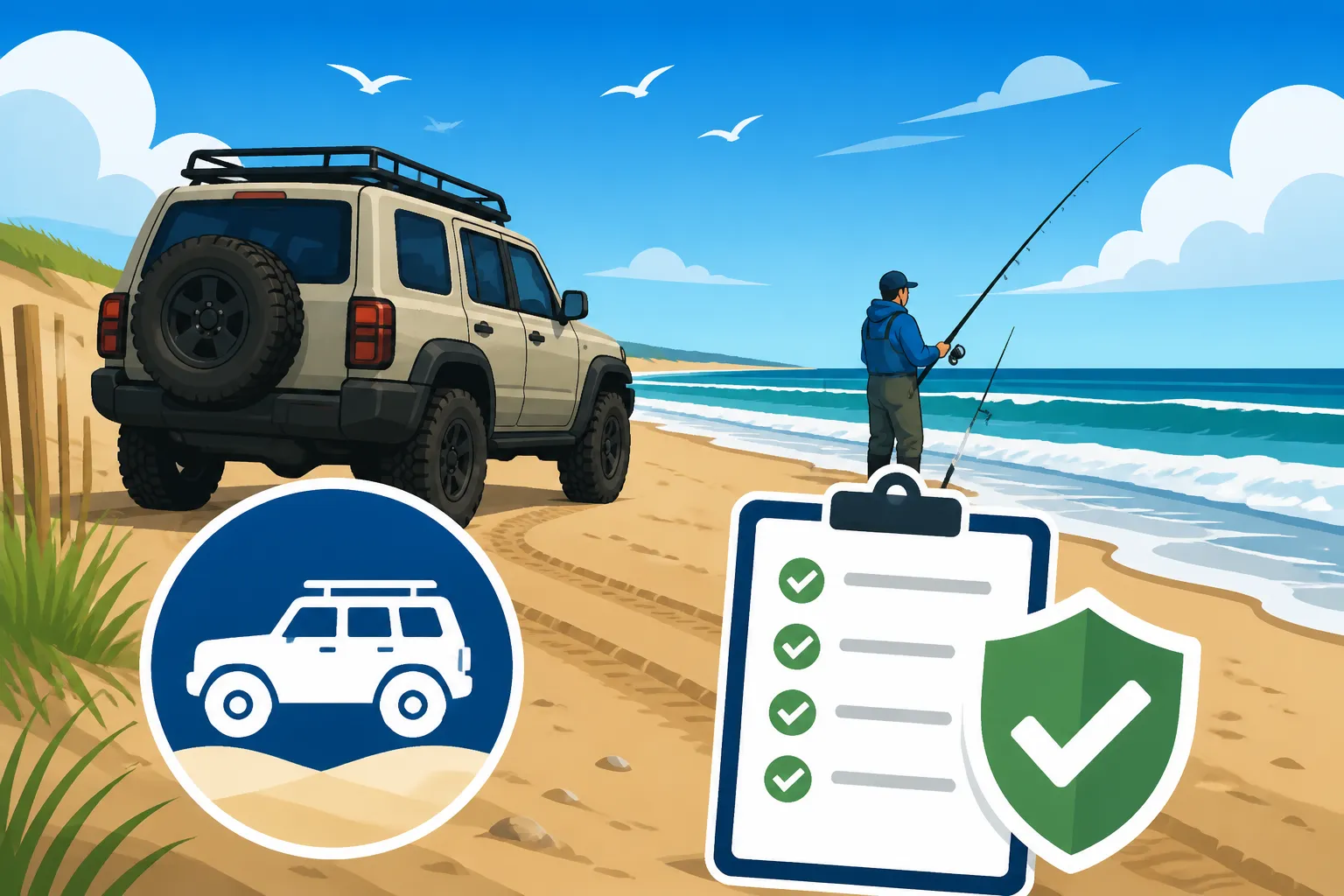
Island Beach State Park (IBSP) is a true gem along the New Jersey coastline, a pristine, undeveloped barrier island that offers some of the best surf fishing opportunities in the state. Unlike many public beaches where you can just walk on with your gear, accessing the prime fishing spots here often requires a vehicle capable of handling soft sand. And that's where the 4×4 permit comes into play. Without it, your vehicle won't be allowed past the paved parking areas into the mobile sportfishing zones.
Understanding the Unique Access at IBSP
Island Beach State Park isn't just any beach; it's a vital natural habitat and a state park dedicated to conservation. This means access is carefully controlled to protect its fragile ecosystem, including dunes, nesting birds, and unique plant life. The mobile sportfishing zones are specific stretches of beach where anglers with the proper permits can drive their specially equipped 4×4 vehicles. This isn't just about convenience; it's about managing human impact on a sensitive environment.
The park's rules are designed to strike a balance between allowing public enjoyment, like incredible surf fishing, and preserving the natural integrity of the island. Imagine hundreds, even thousands, of vehicles driving willy-nilly across the dunes and nesting areas – the damage would be catastrophic. So, the permit system, while sometimes a hurdle, is a necessary measure to ensure this natural treasure remains healthy for generations of anglers to come. It’s a privilege, really, to be able to access such untouched beauty.
The Benefit of Beach Driving for Anglers
For the serious surf angler, having a 4×4 permit and the ability to drive directly onto the beach at IBSP is a game-changer. Think about it: instead of lugging heavy coolers, multiple surf rods, tackle bags, chairs, and bait buckets across soft sand for what feels like miles, you can drive most of your gear right to your chosen spot. This is especially beneficial if you're planning a full day of fishing, or if you're targeting species like striped bass during their migratory runs when being able to quickly move to where the bite is can make all the difference.
Beyond the sheer convenience, beach driving opens up access to incredibly productive, less-pressured areas of the park. Many of the best fishing guts, sloughs, and bars are a significant walk from the designated parking lots. With a 4×4, you can reach these remote stretches, often finding uncrowded spots where the fish are more plentiful and less wary. It also means you can comfortably set up a base camp for the day, with shelter, food, and plenty of gear at your fingertips, making for a much more enjoyable and productive outing.
Types of 4×4 Permits and How to Obtain Them
When it comes to driving on the beach at Island Beach State Park for fishing, there’s one primary permit you need to know about: the Mobile Sportfishing Vehicle Permit. Forget about day passes or quick exemptions for beach driving specific to fishing; this is the key.
Annual Mobile Sportfishing Permit Details
The Mobile Sportfishing Vehicle Permit for Island Beach State Park is an annual pass that allows you to drive your registered 4×4 vehicle onto designated sections of the beach for fishing purposes. This permit is highly sought after and typically goes on sale around December 1st each year for the upcoming calendar year. These permits are incredibly popular, and they often sell out fast – sometimes within hours or days of becoming available. Missing the purchasing window can mean you're out of luck for the entire year, which is a real bummer if you've been looking forward to hitting those specific sandy stretches.
To apply for and obtain this permit, you'll generally need:
- Proof of Vehicle Registration: Your vehicle must be registered, and it must clearly be a true 4×4 (four-wheel drive) vehicle, not just an AWD (all-wheel drive). The park rangers are quite strict on this, as AWD vehicles often lack the low-range gearing and ground clearance needed for safe beach driving and are more prone to getting stuck.
- Proof of Insurance: Current vehicle insurance is a must.
- Valid Driver's License: The person applying for the permit must hold a valid driver's license.
- Fee Payment: As of recent years, the cost for the annual permit is typically around $50. This is a small investment for the access and opportunities it provides.
- Application Process: The application is usually done online through the New Jersey State Park Service website, though sometimes in-person sales are offered at the park office before they sell out online. It's crucial to check the official IBSP website or the NJ DEP's State Parks page well in advance of December 1st to confirm the exact sale date and process for the year you're interested in.
It's also worth noting that this permit is specifically for mobile sportfishing. It means you’re expected to be actively engaged in fishing while in the mobile zones. While you can certainly enjoy the scenery and relax between casts, it's not a general beach driving permit for picnics or sunbathing. Always remember that having a valid New Jersey Fishing License Guide for 2026 is also a separate requirement for anyone aged 16 and older engaging in freshwater fishing, and while saltwater fishing doesn't require a license, you do need to understand the New Jersey Saltwater Registry Explained for reporting purposes.
Temporary or Day-Use Options
This is where a common misconception arises, and it's important to clarify: Island Beach State Park generally does not offer temporary or day-use 4×4 permits specifically for driving onto the mobile sportfishing areas of the beach. The annual Mobile Sportfishing Vehicle Permit is the standard and virtually sole way to gain this access for fishing.
If you don't have the annual 4×4 permit, your options for fishing the surf at IBSP are limited to walking onto the beach from the various access points and parking lots. While this is certainly doable, and many anglers do it successfully, it means you'll be restricted to the areas closest to the paved access and will have to haul all your gear on foot. If the permit window has passed, or you missed out, don't despair! There are still fantastic opportunities to fish the park, you'll just have to put in a little more legwork. Alternatively, if the idea of managing permits and vehicle requirements feels like too much, you could always explore charter fishing options through platforms like FishingBooker, where experienced captains handle all the regulations and gear for you.
Important Rules and Regulations for 4×4 Anglers at IBSP
Having a 4×4 permit for Island Beach State Park is a privilege, and with that comes a responsibility to adhere to a strict set of rules. These aren't just arbitrary guidelines; they're designed to protect the fragile coastal environment and ensure safety for all park visitors. Ignoring them can lead to hefty fines, permit revocation, and even banishment from the park.
Vehicle Requirements and Safety Gear
Before you even think about airing down your tires and hitting the sand, your vehicle needs to meet specific criteria, and you absolutely must carry certain safety equipment. This isn't optional; park rangers perform regular checks, and they won't hesitate to turn you away or issue a citation if you're not compliant.
First and foremost, your vehicle must be a true 4×4 with low-range gearing. Many modern SUVs and crossovers boast "AWD" capabilities, but these are often not sufficient for the soft, deep sand found at IBSP. A genuine 4WD system, identifiable by a 4WD-Low setting, provides the necessary torque and traction.
Mandatory safety equipment to be carried in your vehicle at all times while in the mobile sportfishing zones includes:
- Shovel: A sturdy shovel for digging yourself out if you get stuck.
- Tow Rope or Chain: At least a 10-foot long tow strap or chain with a minimum breaking strength equal to twice your vehicle's gross vehicle weight. This is for getting pulled out or for helping others.
- Jack and Jack Support Board: A stable jack (like a bottle jack or hi-lift jack) and a sturdy piece of wood or plastic (at least 12"x12") to provide a stable base for the jack on soft sand.
- Tire Pressure Gauge: Essential for deflating your tires before hitting the sand and reinflating them afterward.
- Trash Container/Bag: Pack it in, pack it out! No littering is tolerated.
- Spare Tire: A full-size spare tire, properly inflated and accessible.
- First-Aid Kit: A well-stocked kit for minor injuries.
- Flashlight/Headlamp: If you plan on fishing before sunrise or after sunset.
While not explicitly mandatory, many experienced anglers also carry a portable air compressor to re-inflate tires, extra water, a fire extinguisher, and a basic tool kit. It’s always better to be over-prepared when you’re venturing onto the beach.
Driving Etiquette and Environmental Responsibility
Driving on the beach is a unique experience, and it comes with its own set of rules to protect the environment and other park users.
- Speed Limits: Obey the posted speed limits. It's typically 15 mph on paved sections and 5 mph on the sand. Going faster than 5 mph on sand is not only dangerous but can also cause unnecessary wear and tear on the beach and your vehicle.
- Stay on Designated Ruts: Only drive on established vehicle tracks. Veering off into untouched sand, especially near the dunes, can damage vegetation, disturb nesting wildlife (like endangered Piping Plovers), and lead to getting severely stuck.
- Respect the Dunes: Stay off the dunes completely. These are critical for protecting the island from erosion and providing habitat for wildlife. Climbing, driving on, or disturbing dunes in any way is strictly prohibited and can result in significant fines.
- Nesting Closures: Be aware that certain sections of the mobile sportfishing zones may be temporarily closed during nesting seasons for shorebirds. These closures are clearly marked, and it's imperative to respect them.
- Yield to Pedestrians: Always yield to walkers, bathers, and other anglers on foot.
- No Night Driving (Except for Fishing): While you can fish at night, general recreational night driving is not permitted. Your presence in the mobile zone after dark should be directly related to active fishing.
Remember, the goal is to leave no trace. This pristine environment relies on everyone's respect and adherence to these guidelines.
Fishing Specific Rules
Beyond the driving rules, your permit also implicitly binds you to the fishing regulations of New Jersey. This includes observing all How Bag and Size Limits Work in New Jersey for specific species, knowing the New Jersey Fishing Season Dates and Closures, and being aware of any gear restrictions.
For instance, if you're targeting striped bass, you must be aware of the New Jersey Striped Bass Slot Limit Explained, which can change annually based on conservation efforts. Similarly, if you're after fluke, you need to know the New Jersey Fluke Size and Bag Limits Explained and season dates. Always carry a copy of the current New Jersey Fish and Wildlife Digest (or have the digital version on your phone) to stay informed. Conservation Police Officers regularly patrol IBSP and will check for valid permits, fishing licenses (if applicable), and compliance with all regulations. Understanding How Many Fishing Rods Can You Use at Once in New Jersey? is also helpful, as some anglers like to deploy multiple rods when surf fishing.
Tips for a Successful 4×4 Surf Fishing Trip to Island Beach State Park
Embarking on a 4×4 surf fishing adventure at Island Beach State Park is an incredible experience, but a little preparation and knowledge go a long way in making it successful and stress-free. There's nothing worse than getting stuck, losing your gear, or missing out on a bite because you weren't ready.
Preparing Your Vehicle and Gear
Getting your vehicle and equipment ready before you even leave home is paramount. This proactive approach saves time, prevents headaches, and ensures you can focus on the fishing.
- Vehicle Check-Up: Give your 4×4 a once-over. Check tire pressure (for driving to the park, you'll air down once you get there), fluid levels, and make sure your spare tire is in good condition. You don't want a mechanical issue to ruin your trip miles down a sandy stretch. Ensure your mandatory safety gear (shovel, tow strap, jack, etc.) is easily accessible.
- Tire Pressure Adjustment: This is critical for beach driving. As you approach the mobile access point, you’ll want to significantly reduce your tire pressure. For most trucks and SUVs, dropping to 15-20 PSI (pounds per square inch) is a good starting point, but always check your vehicle manufacturer's recommendations for off-road driving and experiment to find what works best for your specific vehicle and load. Lowering tire pressure increases your tire's footprint, distributing the vehicle's weight over a larger area and providing much better traction on soft sand. Failure to air down is the quickest way to get stuck.
- Organize Your Fishing Gear: Surf fishing requires a fair amount of tackle. Have your rods rigged, bait ready, and tackle box organized. Think about the species you're targeting – maybe you're going for fluke, so you'll have your Best Bait for Fluke Fishing and bucktail jigs ready. Or perhaps it's striped bass, and you've got a variety of plugs and cut bait.
- Consider a sturdy beach cart even with a 4×4 if you plan to move away from your vehicle for shorter stints.
- Pack a cooler with plenty of ice for your catch and another for your food and drinks. Hydration is key, especially on sunny summer days on the sand.
- Don't forget essentials like sunscreen, a hat, polarized sunglasses, and appropriate clothing (layers are always a good idea, as conditions can change quickly on the coast).
- Check Park Conditions and Tides: Before heading out, check the IBSP official website or call the park office for any alerts, temporary closures, or specific conditions. Knowing the How to Read Tide Charts for Better Fishing in New Jersey is crucial for surf fishing, as fish activity often correlates with tidal movements. Low tide exposes sandbars, while high tide allows fish to move closer to shore.
Best Practices on the Beach
Once you've got your permit, your gear, and your aired-down tires, it's time to hit the sand. But safe and responsible beach driving has its own set of rules.
- Engage 4WD Early: Don't wait until you're stuck to engage your 4-wheel drive. Engage it before you enter the soft sand. If your vehicle has a low-range option, use it for particularly soft sections or when getting started from a dead stop.
- Maintain Momentum: On soft sand, smooth, steady momentum is your friend. Avoid sudden stops or sharp turns. If you feel your vehicle bogging down, give it a little more gas, but don't spin your tires wildly, as this will only dig you in deeper.
- Follow Existing Tracks: Whenever possible, drive in existing tire tracks. These paths are usually more compacted and offer better traction.
- Read the Sand: Learn to "read" the sand. Darker, damp sand (often closer to the water's edge at low tide) is usually firmer. Dry, fluffy, light-colored sand, especially near the dunes, is much softer and more likely to get you stuck.
- Parking: When you park, try to do so on a slight incline facing the ocean if possible. This makes it easier to get started again. Don't park too close to the water at high tide, or you might find your vehicle getting wet as the tide comes in!
- Getting Unstuck: If you do get stuck (it happens to the best of us!):
- Don't panic and don't spin your tires.
- Try backing up along your tracks.
- Use your shovel to clear sand from around the tires and beneath the vehicle.
- Place your jack board or floor mats under the drive tires for added traction.
- If you're still stuck, don't be afraid to ask for help. Fellow anglers are usually more than willing to lend a tow strap.
- Re-inflate Tires: Once you're off the sand and back on pavement, it's crucial to re-inflate your tires to their proper road pressure. Driving long distances on deflated tires can damage them and is extremely dangerous.
By following these tips, you'll not only enhance your chances of a productive fishing trip but also ensure a safe and enjoyable experience for yourself and others at this magnificent park. For specific gear recommendations, you might find the article on Best New Jersey Fishing Gear for Beginners helpful.
Common Misconceptions and Troubleshooting
Even with all the information in the world, people often have questions or run into unexpected issues when dealing with 4×4 permits at Island Beach State Park. Let's tackle some of the common ones.
Permit Availability and Renewals
The biggest misconception is often about permit availability. Many anglers assume they can just show up and buy a permit, or that they'll be able to grab one any time of year. Unfortunately, that's not how it works for the IBSP Mobile Sportfishing Vehicle Permit.
- Selling Out Quickly: As mentioned, these permits have a limited quantity and are extremely popular. They typically go on sale around December 1st for the following year and can sell out in a matter of days, or sometimes even hours. If you're planning a trip for, say, a fall striper run, you need to have secured your permit almost a year in advance. This can be a huge frustration for new anglers or those who aren't in the loop, but it's the reality of managing a popular, sensitive resource.
- Renewal vs. New Purchase: The process for "renewal" is essentially the same as buying a new one each year. There isn't usually a special renewal window or guaranteed spot for previous permit holders. Everyone generally competes for the same limited number of permits when they go on sale. Stay tuned to the official New Jersey State Parks website or the IBSP specific page for exact sale dates and procedures. Setting a reminder on your phone for early December is a smart move if you want to secure one.
What to Do If You're Caught Without a Permit
So, you've somehow ended up in the mobile sportfishing zone without the proper 4×4 permit. Maybe you misunderstood the rules, or perhaps you just took a chance. What happens then? This is where realism comes into play: the consequences can be quite severe.
- Fines: Park rangers and New Jersey Conservation Police Officers actively patrol the mobile sportfishing zones. If you're caught without a valid permit, you will almost certainly receive a citation and a substantial fine. These aren't just minor parking tickets; they can run into the hundreds of dollars.
- Vehicle Removal: You may be required to immediately remove your vehicle from the restricted area, which could be inconvenient and embarrassing, especially if you're deep into the mobile zone. In some cases, if you're deemed a hazard or uncooperative, your vehicle could potentially be towed, adding significant expense.
- Future Restrictions: Repeated offenses or particularly egregious violations (like driving off designated tracks, disturbing wildlife, or littering) could lead to your vehicle being banned from the park for an extended period, or even permanently.
- Know the Rules: The best way to avoid these penalties is simply to educate yourself and follow the rules. If you're unsure about any aspect of the permit or regulations, contact the park office before you enter the mobile zone. It’s always better to ask than to pay a hefty fine later. The article on What Happens If You Get Caught Fishing Without a License in New Jersey? discusses similar consequences, though specifically for fishing licenses, the principle of penalties for non-compliance remains consistent.
Remember, the permits and regulations are in place to ensure everyone can enjoy Island Beach State Park responsibly. Adhering to them not only keeps you out of trouble but also contributes to the preservation of this incredible natural resource for years to come.
Here's a quick reference table to help clarify the IBSP 4×4 Mobile Sportfishing Permit details:
| Permit Type | Description | Cost (Approx.) | Validity Period | Key Requirements | Availability |
|---|---|---|---|---|---|
| Mobile Sportfishing Permit | Allows 4×4 vehicle access to designated mobile sportfishing zones at IBSP. | $50 | Annual (Jan 1 – Dec 31) | Valid 4×4 Vehicle Registration (true 4WD, not AWD), Proof of Insurance, Valid Driver's License, Mandatory Safety Equipment (shovel, tow strap, jack & board, tire gauge, trash bag, spare tire) | Limited; Sells out quickly (usually Dec 1 for following year) |
| Temporary/Day-Use 4×4 Permit | Not offered for beach driving at IBSP for fishing. | N/A | N/A | N/A | Not Available |
While the permit process for Island Beach State Park can seem like a bit of a hurdle, the reward of accessing those pristine, untouched stretches of the Jersey Shore for surf fishing is absolutely worth it. It’s a truly unique experience that allows you to connect with nature and chase incredible fish, from the mighty striped bass to the ever-popular fluke, without the crowds. Just make sure you do your homework, secure your permit early, and understand the rules to ensure a smooth and memorable trip. Happy fishing!
Disclaimer
Please note that fishing regulations and permit requirements are subject to change by the New Jersey Department of Environmental Protection (NJ DEP) and Island Beach State Park management. While this guide provides the most current information available, it is always your responsibility to verify all rules, regulations, and permit availability directly with the official New Jersey State Park Service or NJ DEP Fish and Wildlife before planning your trip.