Great Bay Striped Bass Fishing Guide
For anglers venturing out in New Jersey, the quest for striped bass can sometimes feel like trying to solve a complex puzzle, especially when navigating the diverse waters of Great Bay. It's easy to feel overwhelmed by the sheer size of the bay, the shifting tides, and the endless array of baits and techniques out there. But don't fret! This comprehensive guide is designed to cut through the confusion and provide you with actionable insights and proven strategies to successfully target striped bass in Great Bay, helping you turn those challenging days into memorable catches.
Understanding Great Bay's Striped Bass Fishery
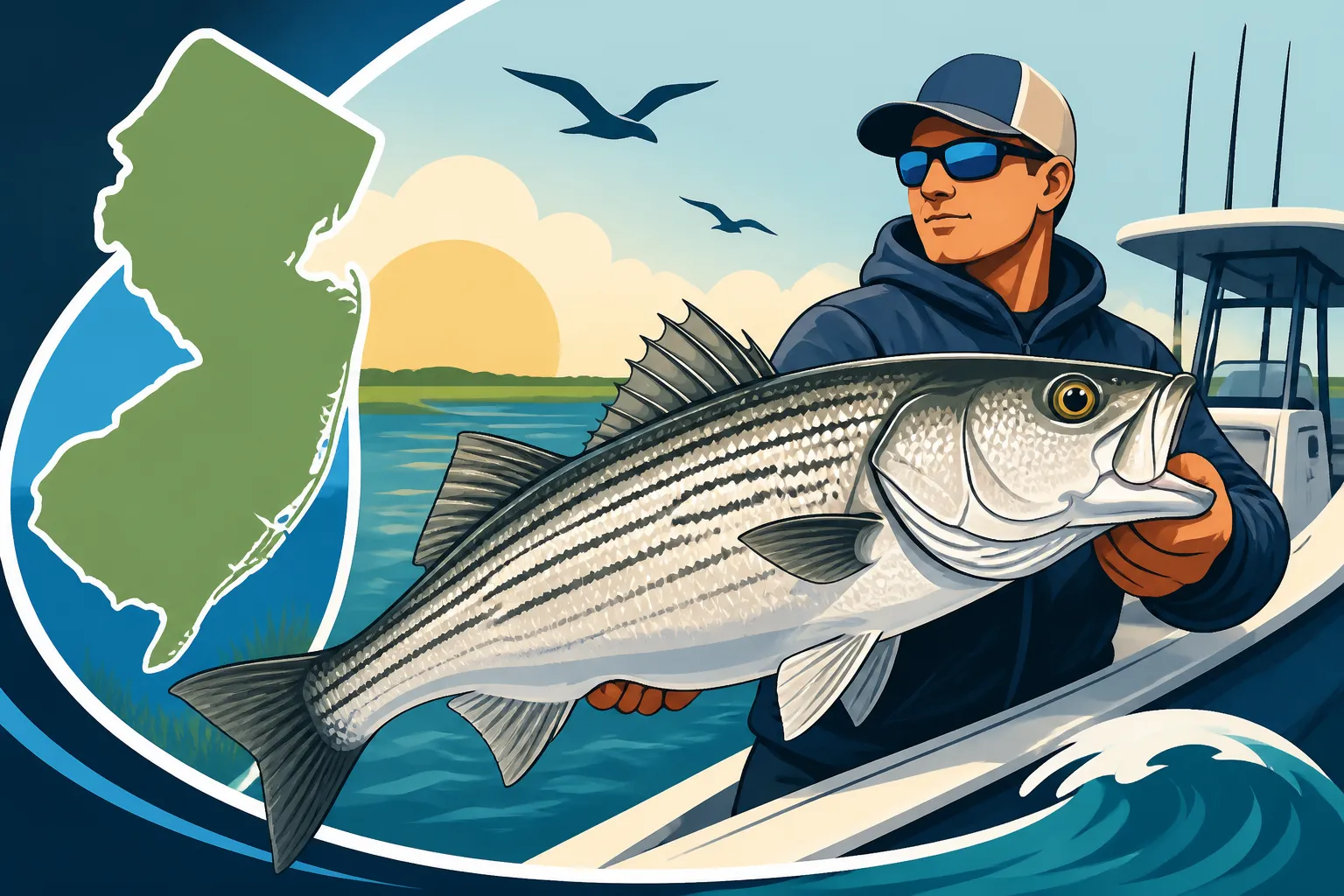
Great Bay, nestled along the southern New Jersey coast, is a dynamic estuary system that offers incredible opportunities for striped bass fishing. Unlike the open ocean, the bay provides a complex network of channels, creeks, shallow flats, and marsh islands, creating an ideal habitat for baitfish and, consequently, hungry stripers. Understanding this unique environment is key to unlocking its potential.
The Seasonal Migration of Striped Bass
Striped bass are highly migratory, and their presence in Great Bay is largely dictated by the seasons and water temperatures. In the spring, usually from late March through May, the bay comes alive as stripers migrate northward from their wintering grounds. These fish are often post-spawn and hungry, eager to gorge on the abundant baitfish that also enter the bay. They'll push into the shallower areas, tidal creeks, and along marsh edges, making them accessible to smaller boats and even shore anglers. This is a fantastic time for light tackle action.
As summer progresses, the larger, migratory stripers tend to move offshore or north to cooler waters, but Great Bay still holds a healthy population of "resident" stripers. These fish, often smaller to mid-sized, stick around all season, finding ample food and comfortable temperatures within the bay's deeper channels and cooler pockets. The fall run, typically from September through early December, sees a resurgence of larger migratory fish heading south. This is often considered the peak season for trophy stripers in the area, as they aggressively feed to build up reserves for their winter journey. Knowing when to target these fish – whether it's the eager spring migrants or the robust fall run – can significantly impact your success. For a broader understanding of when these fish move through the region, you might find our guide on the Best Time of Year to Fish for Striped Bass in New Jersey helpful.
Why Great Bay is a Striped Bass Haven
Great Bay's unique geography makes it a prime location for striped bass. Its numerous tributaries, such as the Mullica River and Bass River, provide brackish water environments that are nurseries for many baitfish species like Atlantic menhaden (bunker), spearing, and mullet. These rivers also serve as travel corridors for stripers moving in and out of the bay. The extensive marshlands create vast areas of submerged structure and cover, where stripers can ambush prey. The bay's relatively shallow nature means that changes in tide and current can concentrate baitfish, making it easier for stripers to feed.
Furthermore, the bay acts as a protective staging area during migrations. Larger predators can seek refuge from heavy seas in the ocean, while smaller stripers find safety from larger ocean predators. The blend of freshwater influence, brackish estuaries, and proximity to the ocean creates a rich biodiversity, supporting a robust food web that keeps striped bass coming back year after year. When planning your trip, consider checking out the broader Great Bay and Mullica River Fishing guide to understand the entire ecosystem.
Prime Striped Bass Fishing Locations in Great Bay
Great Bay is vast, and knowing where to focus your efforts is paramount. Striped bass are creatures of habit, often holding around specific types of structure or feeding lanes. Identifying these key areas can dramatically increase your chances of a hook-up.
Key Structure and Depth for Stripers
Striped bass love structure and changes in bottom contour. In Great Bay, this means targeting several key features. Channels and Guts are critical. The main navigation channels, like the Intracoastal Waterway (ICW) that runs through portions of the bay, and the various deeper guts leading into shallower creeks, act as highways for stripers. They'll often stage along the edges of these channels, waiting for baitfish to be swept by the current. Look for sudden drops in depth or areas where the channel narrows, creating a pinch point.
Marsh Islands and Sedges are another hotspot. The countless marsh islands and sedge banks found throughout Great Bay are not just pretty scenery; they are vital feeding grounds. Stripers will patrol the edges of these islands, especially on an outgoing tide, to ambush baitfish being flushed out of the grass. Focus on points, cuts, and small pockets within the marsh that create eddies or current breaks.
Oyster Beds and Mussel Bars also attract stripers. These natural structures provide excellent habitat for crustaceans and smaller baitfish, which in turn attract larger predators. While sometimes challenging to fish due to snagging, these areas can be incredibly productive. A good depth finder will help you identify these subtle changes in the bottom. Many anglers utilize specialized charter services to explore these nuanced spots; platforms like FishingBooker can help you connect with experienced local captains who know these hidden gems.
Tidal Flows and Current Seams
The tides in Great Bay play a critical role in striped bass behavior. A strong moving tide, whether incoming or outgoing, is generally better than slack tide. Incoming tides push ocean water and baitfish into the bay, often bringing larger, more aggressive stripers with them. Focus your efforts around the mouths of creeks and inlets where the incoming tide creates distinct current seams. The fish will sit in these seams, letting the current bring food to them.
Outgoing tides drain the bay, flushing baitfish, crabs, and other forage out of the marsh grass and into deeper channels. This is an excellent time to target the edges of marsh islands, creek mouths, and shallow flats adjacent to deeper water. The stripers will position themselves to intercept this easy meal. Look for areas where two currents meet, creating a visible seam or eddy. These are often prime ambush points.
Understanding and reading these tidal flows is a skill that develops with experience. For a deeper dive into this crucial aspect of saltwater fishing, exploring resources like How to Read Tide Charts for Better Fishing in New Jersey can significantly enhance your strategy. Being aware of the local regulations, such as New Jersey Striped Bass Slot Limit and Season, will also ensure you're fishing responsibly and legally while targeting these powerful fish during favorable tides.
Effective Techniques and Baits for Great Bay Stripers
Once you've identified promising locations and understood the tidal influences, the next step is to present your bait or lure effectively. Striped bass can be finicky, so having a diverse approach is always beneficial.
Live Bait and Chunking Strategies
When it comes to putting big stripers in the boat, it's hard to beat live bait or fresh cut bait, often referred to as "chunking."
Live Bait: The most effective live baits in Great Bay are often those found naturally in the area. Live bunker (menhaden) are stripers' preferred meal. You can catch them with a cast net or by snagging them with a weighted treble hook. Once you have live bunker, you can drift them along channel edges, near structure, or along marsh banks. A common rig involves a single circle hook (mandated for bait fishing for striped bass in New Jersey), fished with a minimal weight to allow the bait to swim naturally. The key is to present the live bait in a way that mimics an injured or unsuspecting fish. Another excellent live bait is eels, particularly effective at night or in low-light conditions. Eels are durable and stripers absolutely love them.
Chunking: If live bait is scarce or you prefer a more stationary approach, chunking can be incredibly effective, especially in deeper channels or holes. This involves cutting fresh bunker (or other oily fish like mackerel or herring) into pieces and deploying them on a weighted rig. The scent trail created by the chunks acts as a powerful attractant, drawing stripers from a distance. The trick to successful chunking is to create a consistent chum slick. This means periodically tossing small pieces of bait into the water upstream from your boat to drift down to your hooked baits. Use a basic fish-finder rig with a circle hook and a weight heavy enough to hold bottom. Many anglers use a local charter to learn the ropes of these techniques, and a quick search on FishingBooker can show you options for guides specializing in bait fishing for stripers. For those interested in mastering the art of bait preparation, a read-through of How to Rig Live Bait for Striped Bass can offer valuable insights.
Artificial Lures and Their Presentation
While bait fishing is highly productive, artificial lures offer an exciting, active way to target stripers, especially when they are actively feeding on schools of bait.
Soft Plastics: These are incredibly versatile. Paddle tails and swim shads, rigged on jig heads ranging from 3/4 oz to 2 oz depending on current and depth, are fantastic for imitating spearing, mullet, or smaller bunker. Work them with a steady retrieve, or a lift-and-drop retrieve, along channel edges, around structure, or even across shallow flats during higher tides. Popular colors include white, chartreuse, olive, and darker shades like black or purple for low-light conditions.
Plugs and Topwater Lures: When stripers are actively feeding on the surface, creating "blitzes," topwater plugs like poppers and walk-the-dog style lures are incredibly exciting. These lures mimic distressed baitfish struggling on the surface and trigger aggressive strikes. Use them in areas where you see baitfish being chased or birds diving. At other times, diving plugs like lipped swimmers or minnow-imitators can be effective, especially when trolled or retrieved in deeper water to cover more ground.
Bucktail Jigs: The classic bucktail jig is a staple for a reason. Its versatility is unmatched. You can cast and retrieve it, bounce it along the bottom, or tip it with a strip of Gulp! or pork rind for added scent and appeal. Bucktails are excellent for probing deeper channels and targeting stripers holding close to the bottom. Colors like white, chartreuse, and olive are perennial favorites. Learning the nuances of How to Fish for Striped Bass in New Jersey with artificials will elevate your game, and it’s a rewarding challenge. Always remember to check the current New Jersey Daily Bag Limits by Species to ensure your catches are within legal limits.
Here's a quick comparison of popular Great Bay Striped Bass techniques:
| Technique | Preferred Season | Target Area | Ideal Conditions | Bait/Lure Examples | Pros | Cons |
|---|---|---|---|---|---|---|
| Live Lining | Spring, Fall | Channel edges, marsh points, structure | Moving tide, low light | Live Bunker, Eels | Highly effective for large fish, natural presentation | Requires catching live bait, circle hook mandate |
| Chunking | Spring, Fall | Deep channels, holes, anchored spots | Moving tide, any light | Fresh Bunker chunks, Mackerel | Attracts fish from afar, scent trail | Messy, can attract unwanted species |
| Soft Plastics | All seasons | Shallow flats, creek mouths, channel edges | Any tide, calm water | Paddle tails, Swim shads | Versatile, active fishing, less mess | Requires active presentation, not always best for big fish |
| Topwater Plugs | Spring, Fall | Surface blitzes, shallow flats | Calm water, active feeding | Poppers, Walk-the-dog lures | Exciting visual strikes, covers water | Only effective when fish are surface feeding |
| Bucktail Jigs | All seasons | Deep channels, structure, current seams | Moving tide, any light | White, Chartreuse bucktails | Versatile, effective for bottom fish, simple | Can snag easily, requires good feel for bottom |
Essential Gear and Safety Considerations
Having the right gear makes a huge difference in your enjoyment and success on the water. Beyond the basic rod and reel, a few key items and safety practices are vital for fishing Great Bay.
Rods, Reels, and Line Recommendations
For striped bass in Great Bay, you'll want gear that can handle strong fish and potentially heavy currents. A medium-heavy spinning rod, typically 7 to 8 feet in length, paired with a reliable 4000-6000 series spinning reel, is a versatile setup. This combination offers enough backbone to fight powerful stripers while still being light enough for comfortable casting of artificials. For line, braided line is highly recommended. Its thin diameter, incredible strength, and zero stretch make it ideal for detecting subtle bites and getting good hook sets. A 20-40 lb braided main line, coupled with a 20-50 lb fluorocarbon leader (attached with an FG or Albright knot), provides strength and abrasion resistance, crucial around oyster beds and rocks.
If you're primarily chunking or live-lining heavier baits, a conventional (baitcasting) setup with similar line strength might be preferred by some anglers for its winch-like power and precision when dropping baits. Always ensure your drag system is smooth and properly set before you start fishing. While you might be fishing in the bay, always prepare as if you're battling an ocean-run fish. If you're looking for guidance on setting up your fishing gear, a resource like Best New Jersey Fishing Gear for Beginners could offer a solid starting point.
Navigating Great Bay Safely
Great Bay, while beautiful, can be challenging to navigate, especially for those unfamiliar with its waters. Shallow water and shifting sandbars are prevalent outside the marked channels, so a reliable GPS/chartplotter is not just a convenience, it's a necessity. Always pay close attention to depth soundings, and if you're in an unfamiliar area, proceed slowly. Tides can rapidly expose vast mudflats, leaving boats stranded until the next high tide.
Weather can change quickly in coastal areas. Always check the marine forecast before heading out, paying particular attention to wind predictions. Strong winds can churn up the bay, making navigation difficult and creating uncomfortable, if not dangerous, conditions, especially in smaller boats. Be prepared for sudden thunderstorms in the summer. Essential safety gear, including life jackets for everyone on board, a whistle or horn, flares, a first-aid kit, and a fully charged VHF radio or cell phone, should always be on hand. It's also a good practice to file a float plan with someone on shore, letting them know where you're going and when you expect to return. Remember, a New Jersey fishing license is essential, and understanding your New Jersey Saltwater Registry Explained will help ensure you're compliant with all regulations.
Ultimately, fishing Great Bay for striped bass is a rewarding experience that combines the thrill of the chase with the beauty of New Jersey's coastal environment. By understanding the seasons, scouting the right locations, employing effective techniques, and prioritizing safety, you'll be well on your way to many successful trips.
Disclaimer
Please note that fishing regulations, including bag and size limits, seasons, and licensing requirements, are subject to change. Always consult the latest New Jersey Fish and Wildlife Digest or their official website before heading out to ensure you are compliant with current laws. This guide is for informational purposes only and does not constitute legal advice.