New Jersey’s Deepest Lakes for Ice Fishing
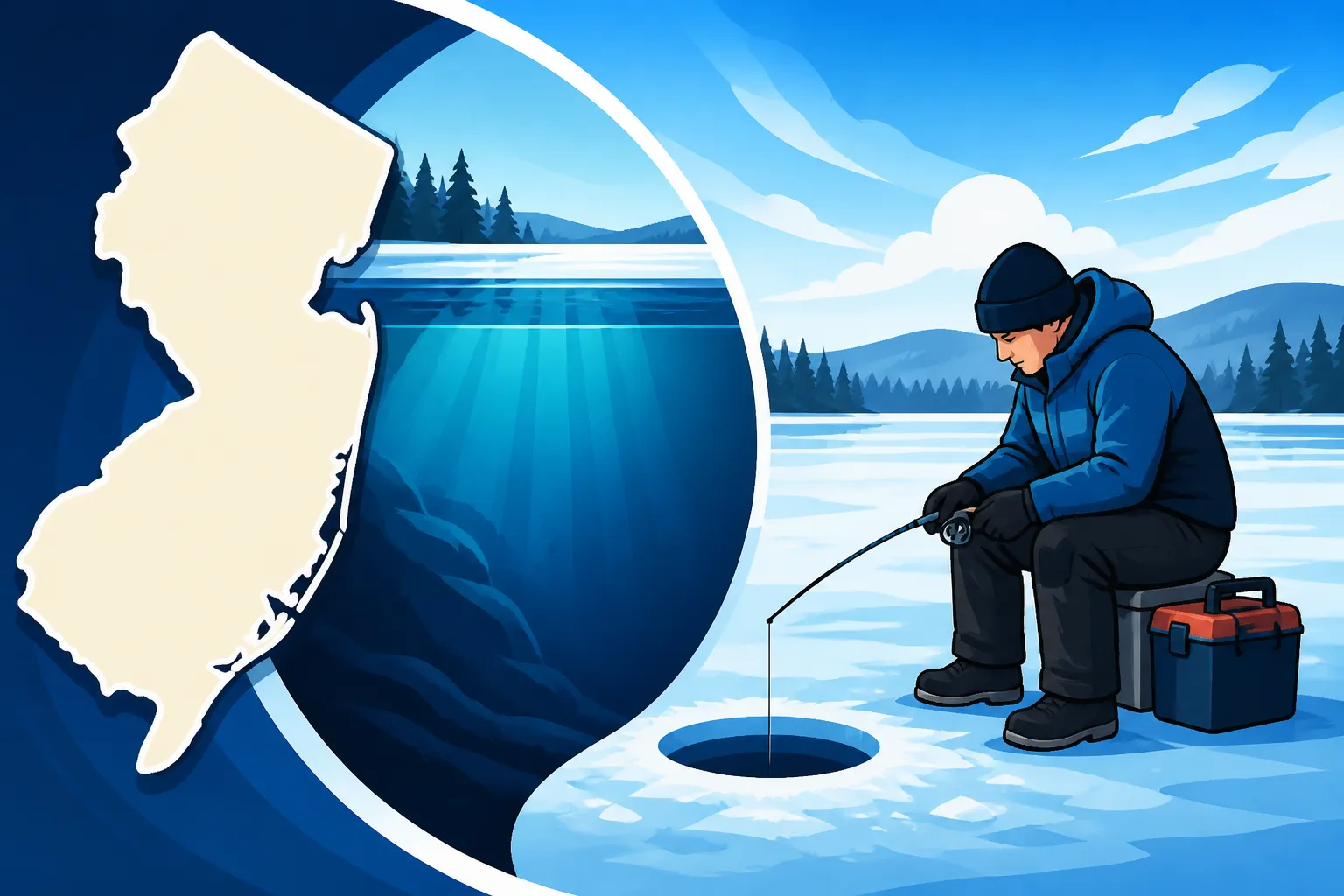
There's nothing quite like the thrill of drilling a hole through solid ice, peering into the dark water below, and knowing you're about to test your wits against the fish. But let's be honest, for many New Jersey anglers, the biggest hurdle to a successful ice fishing trip isn't just the cold, it's finding truly deep, stable water that not only offers consistent ice but also harbors those hard-to-reach winter catches. This guide is here to unravel the mystery, showing you New Jersey's deepest lakes perfect for ice fishing and how to approach them safely and effectively.
Understanding the Importance of Depth in Winter Fishing
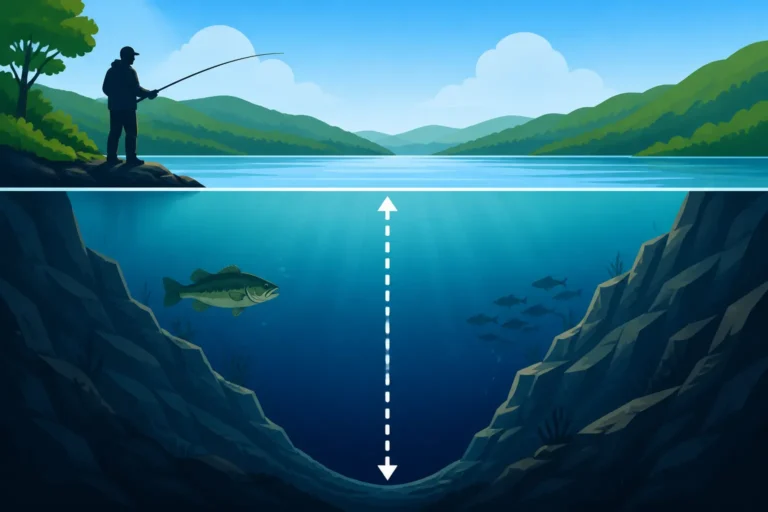
When the brutal cold of winter settles over New Jersey, the dynamics of a lake change dramatically. Fish, like most creatures, seek comfort and stability, and in an ice-covered environment, that often means heading to deeper waters. It’s not just about finding the fish; it's about finding the right kind of ice and understanding how the lake behaves under a frozen blanket.
Ice Thickness and Thermal Stratification
One of the primary concerns for any ice angler is, of course, the ice itself. While no body of water is universally safe, deeper lakes can sometimes offer a more consistent and predictable freeze once the cold truly sets in, especially in their shallower coves and bays. The sheer volume of water in deep lakes means they take longer to freeze solid, but once they do, the ice can often be more stable across larger areas, though always requiring vigilance.
More importantly, deep lakes exhibit a phenomenon called thermal stratification, even in winter. While the common image is of freezing from top to bottom, water is densest at 39°F (4°C). This means that during winter, the coldest water (just above freezing, 32°F) is at the very top, directly under the ice. Below that, the water gradually warms, often reaching that stable 39°F in the deepest sections of the lake. Fish, particularly cold-blooded species, are incredibly sensitive to temperature changes. They'll often seek out these slightly warmer, more stable deep pockets to conserve energy, find consistent oxygen levels, and hide from predators. So, targeting these deeper zones isn't just a guess; it's often where the fish want to be. Understanding How Cold Does It Need to Be to Ice Fish in New Jersey? is crucial for recognizing these conditions.
Fish Behavior in Deep Winter Water
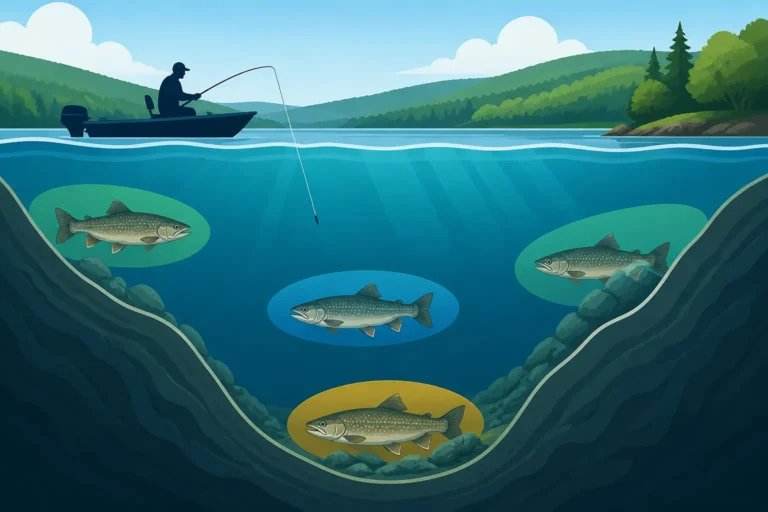
During the ice season, fish become less active, their metabolism slowing down considerably. They're not chasing bait like they would in summer; instead, they're looking for an easy meal close by. In deeper lakes, larger game fish like lake trout, walleye, and even larger perch and crappie will often suspend themselves or hug the bottom structure in these thermal refuges. These areas also tend to have more consistent oxygen levels compared to shallower, sometimes stagnant, areas.
For anglers, this means adjusting your approach. You're not necessarily looking for huge schools darting around; you're looking for those subtle marks on your fish finder, often close to structure like submerged humps, rock piles, or ledges that drop into the deeper basins. The deep water provides both a safe haven and a consistent environment, making these spots prime targets for those willing to venture out onto the ice.
Top Deep Lakes for Ice Fishing in New Jersey
New Jersey isn't just about saltwater fishing; our state boasts some impressive freshwater bodies, and a few stand out as prime candidates for deep-water ice fishing. While ice conditions are always paramount and vary year-to-year, these lakes consistently offer significant depth, making them excellent choices when the ice is safe.
Lake Hopatcong: The Grand Dame of Deep Ice Fishing
Lake Hopatcong, New Jersey's largest freshwater lake, is often the first name that comes to mind for ice fishing, and for good reason. It boasts depths over 50 feet in some areas, particularly in its northern basins and along its old river channels. This considerable depth, combined with its large surface area, means it takes a sustained cold spell to freeze safely, but when it does, it offers fantastic opportunities.
Anglers often target its deeper sections for walleye, jumbo yellow perch, and crappie. While not known for lake trout, the deep structure holds plenty of other species that thrive in cold water. Access is plentiful, with numerous public ramps and shoreline points, although finding parking and safe entry during peak ice fishing season can sometimes be a challenge. Checking local bait shops for current ice reports is always a smart move. For more detailed information, you can always consult a Lake Hopatcong Ice Fishing Guide or the general Fishing Lake Hopatcong: New Jersey's Largest Lake.
Round Valley Reservoir: Cold, Clear, and Deep
If you're looking for truly deep, clear, and cold water, Round Valley Reservoir is your crown jewel. It’s one of the deepest lakes in New Jersey, with depths exceeding 180 feet in its central basin. This former quarry turned reservoir is known for its incredible clarity and its populations of lake trout, brown trout, and rainbow trout. When it comes to ice fishing here, depth is not just a feature; it's the defining characteristic.
Because of its extreme depth and gin-clear water, Round Valley freezes later and is often one of the last lakes to offer safe ice. However, when conditions allow, the rewards can be immense, particularly for those targeting trophy lake trout that suspend in the deeper water column. Fishing here often requires specialized gear and techniques, like using electronics to mark fish and heavier jigs or bait for deep presentation. Access can be a bit more limited, often requiring a bit of a hike or careful planning, but the solitude and potential for big fish are unmatched. If you're chasing that elusive lake trout, our Round Valley Reservoir Lake Trout Fishing guide has more insights.
Spruce Run Reservoir: A Consistent Contender
Another excellent deep water option for ice fishing is Spruce Run Reservoir. While not as deep as Round Valley, it still offers significant depths, reaching over 40 feet in its main basin. This depth makes it a consistent producer for various species, including largemouth bass, crappie, and some impressive walleye and muskellunge if you're lucky.
Spruce Run tends to freeze more reliably than Round Valley due to its slightly shallower average depth, making it a popular choice once the ice season gets underway. Its diverse bottom structure, including submerged timber and rock piles, provides plenty of cover for fish in the deeper areas. Anglers here often have success targeting the edges of these deep channels and structures. There are several access points around the reservoir, offering good opportunities for setting up tip-ups or jigging. Our comprehensive Spruce Run Reservoir Fishing Guide can help you plan your trip.
Here's a quick overview of New Jersey's Deepest Lakes for Ice Fishing:
| Lake Name | Max Depth (feet) | Key Ice Fishing Species | Notable Features | Best For |
|---|---|---|---|---|
| Round Valley Reservoir | 180+ | Lake Trout, Brown Trout | Exceptionally clear, pristine, trophy potential | Serious trout anglers, solitude |
| Lake Hopatcong | 50+ | Walleye, Perch, Crappie, Bass | Largest lake, diverse fishery, good access | General ice fishing, panfish, walleye |
| Spruce Run Reservoir | 40+ | Walleye, Crappie, Bass, Muskie | Good structure, reliable freeze, mixed bag | Multi-species angling, good for beginners/intermediate |
| Merrill Creek Reservoir | 180+ | Lake Trout, Walleye | Pumped storage reservoir, unique challenges | Experienced trout/walleye anglers |
| Wanaque Reservoir | 60+ | Trout, Bass, Panfish | Strict access, municipal water supply, very clear | Limited access, deep water specialists |
Safety and Strategy for Deep Lake Ice Fishing
Ice fishing, especially on deep lakes, requires a healthy respect for the environment and a solid plan. Safety should always be your number one priority, followed closely by understanding how to effectively find and catch fish in these challenging conditions.
Essential Ice Safety Gear and Practices
Never, ever take ice safety for granted. While deeper lakes can offer more stable ice in certain areas, the depth itself doesn't make the ice safer. In fact, currents and deeper water can sometimes create unpredictable weak spots. Always assume the ice is unsafe until you've confirmed otherwise with a spud bar or auger.
Here’s a checklist of essential safety gear:
- Ice Spud Bar: Your first line of defense. Use it to check ice thickness as you walk.
- Ice Picks: Worn around your neck, these are critical for self-rescue if you fall through.
- Flotation Suit or PFD (Personal Flotation Device): A full flotation suit is ideal for warmth and safety. If not, wear a life vest over your layers.
- Rope: At least 50 feet of rope to help others or be helped.
- Throw Bag: A small bag with floating rope, easy to toss to someone in distress.
- Navigation: A GPS or smartphone with a mapping app can help you avoid known hazards or track your path back, especially if visibility drops.
- Buddy System: Always fish with a partner or group. Never go alone.
- Tell Someone: Let someone know where you're going and when you expect to return.
Beyond gear, practice safe habits. Continuously check ice thickness, especially when moving to new areas. Ice should generally be at least 4 inches thick for foot travel, but conditions can change rapidly. Avoid areas with current, pressure ridges, or discolored ice. More safety tips can be found in our New Jersey Ice Fishing Safety Basics guide. Remember, when considering How Thick Should Ice Be Before You Fish on It?, consistency is key, not just a single spot.
Locating Fish in Deep, Frozen Waters
Finding fish in deep, ice-covered lakes is less about luck and more about technology and understanding fish behavior.
- Electronics are Your Friend: A good fish finder is indispensable. Flashers (like Vexilar or Marcum) provide real-time readings, showing bottom structure and fish as they move under your hole. GPS-enabled units with mapping capabilities (like Humminbird or Lowrance) can show contour lines, marking those deep drop-offs, humps, and channels where fish congregate. Using these devices is crucial for success.
- Map Study: Before you even hit the ice, study bathymetric (depth) maps of the lake. Look for abrupt depth changes, submerged islands, points, and humps that extend into deeper water. These are natural fish magnets.
- Drill, Drill, Drill: Don't be afraid to drill multiple holes, especially if you're not marking fish. Work a grid pattern over promising structure, using your electronics to scan each hole. Fish can be very localized in winter.
- Look for Transition Zones: Fish often hold where different types of bottom meet – for example, where a rocky bottom transitions to soft mud, or where a weed line ends and a deep drop-off begins. These zones provide both cover and access to food.
When you're out there, remember that the clearest water of deep lakes like Round Valley can make fish extra wary. Lighter lines and subtler presentations might be necessary to entice a bite.
Reading the Ice and Understanding Lake Structure
Beyond just thickness, learning to "read" the ice itself is an art. Clear, black ice is generally strongest, while white or milky ice, often formed from refrozen snow, is weaker. Listen to the sounds the ice makes – groans and pops are often normal, but loud cracks combined with excessive flexing are warning signs.
Understanding the underlying structure of a deep lake is also critical. Imagine the lake bottom as a map:
- Drop-offs: These are prime spots. Fish will often stage at the edge of a deep drop-off, moving up to feed in shallower water during low-light periods and retreating to the depths during brighter times.
- Humps and Submerged Islands: Fish will often relate to these elevated structures, especially if they rise significantly from a deep basin. The top of the hump might hold baitfish, attracting predators.
- Old River Channels: In reservoirs like Hopatcong and Spruce Run, old riverbeds often carve out the deepest channels, acting as highways and holding areas for fish.
Combining your understanding of these structures with real-time feedback from your fish finder will put you squarely in the strike zone. Don't be afraid to explore, but always prioritize safety.
Species and Techniques for Deep Ice Fishing in New Jersey
Deep lakes in New Jersey offer an exciting variety of fish species during the ice fishing season, each requiring slightly different approaches. From elusive lake trout to abundant panfish, tailoring your techniques to the target species and the unique characteristics of deep water is key.
Targeting Lake Trout, Walleye, and Deepwater Panfish
The species you'll encounter in New Jersey's deepest lakes often reflect their cold, clear water environments.
- Lake Trout: These are the ultimate deep-water ice fishing prize in lakes like Round Valley and Merrill Creek Reservoir. They prefer very cold, oxygen-rich water and will often suspend at various depths, sometimes just 10 feet below the ice, other times 50-100 feet down. They are predatory and require a different approach than typical panfish.
- Walleye: Found in good numbers in Lake Hopatcong and Spruce Run Reservoir, walleye are often found relating to deep structure like humps, points, and old river channels. They are typically more active during low light periods (dawn and dusk) but can be caught throughout the day, especially in deeper, darker water. Check out New Jersey's Best Lakes for Walleye for more insights.
- Jumbo Perch & Crappie: While often associated with shallower water, large yellow perch and crappie will also congregate in deeper areas of lakes like Hopatcong and Spruce Run, particularly in the vicinity of submerged timber or weed lines adjacent to deep drops. These are excellent targets for action-packed days.
- Brown Trout & Rainbow Trout: These are stocked extensively in many deep lakes, including Round Valley. While some may cruise shallower, many will hold in deeper water, especially the larger, more cautious specimens. For general trout tips, our New Jersey Trout Fishing Techniques article is a good read.
Knowing your target species helps you choose the right gear and presentation. If you're looking for specialized advice on deeper water species, sometimes guides listed on platforms like FishingBooker can offer invaluable, hyper-local knowledge on how to approach these fish, especially for challenging species like lake trout in vast, deep reservoirs.
Jigging and Tip-Up Strategies for Depth
Effective techniques for deep-water ice fishing often involve a combination of active jigging and passive tip-up fishing, adjusted for the unique challenges of depth.
Jigging for Active Fish
Jigging is an active style of fishing where you use a rod and reel to manipulate a lure or bait in the water column. In deep water, this technique becomes a focused effort to entice less-active fish.
- Lure Selection: For lake trout, heavy spoons (like Swedish Pimples or Kastmasters), blade baits, or large soft plastics rigged on jig heads are effective. For walleye, lipless crankbaits, jigging Rapalas, or spoons tipped with a minnow head work well. For perch and crappie, smaller tungsten jigs tipped with wax worms, spikes, or soft plastic micro-baits are perfect. The weight of your lure is crucial in deep water to ensure it gets down quickly and you can maintain feel.
- Presentation: Drop your lure to the desired depth (often marked on your fish finder), then experiment with different jigging motions. A slow, subtle lift-and-drop can be deadly for walleye and trout. For perch and crappie, small twitches and pauses are often more effective. Watch your electronics carefully; a "mark" appearing often means a fish is checking out your lure.
- Line Choice: Fluorocarbon line is a popular choice for its low visibility and minimal stretch, which helps with sensitivity at depth. Consider lighter lines, especially in clear deep lakes, as fish can be line-shy.
Tip-Ups for Passive Presentation
Tip-ups are stationary devices that signal a bite by raising a flag. They are fantastic for covering more water and for offering a more natural, passive presentation of bait in deep water. You can often run multiple tip-ups simultaneously (check local regulations for the maximum number allowed).
- Bait Selection: Live minnows (shiners, fatheads, suckers) are king for tip-ups, especially for predatory fish like lake trout, walleye, and larger bass. Hook them through the back or lips. For perch or crappie, smaller minnows or even chunks of nightcrawler can work.
- Rigging: Use a simple slip sinker rig or a small jig below a swivel, allowing the bait to swim freely. Make sure your leader material is strong enough for potential trophy catches. For deep presentations, ensure your bait reaches the desired depth quickly and doesn't get tangled. Our How to Set Up Tip-Ups for Ice Fishing guide provides more specific details.
- Depth Setting: Set your tip-ups at varying depths until you find where the fish are holding. One tip-up might be near the bottom, another suspended mid-water, and a third near the top of a deep drop-off. Adjust based on your electronics and any flags you get.
For those planning an extensive deep-water ice fishing trip, especially to a remote section of one of these larger lakes, it can be incredibly helpful to check resources like FishingBooker for guides specializing in specific deep-water tactics. They can often provide charter services that come with all the necessary gear and expertise for these unique challenges.
By combining the right knowledge, safety practices, and a blend of active and passive fishing techniques, you'll be well on your way to experiencing the exhilarating world of deep-water ice fishing in New Jersey.
Disclaimer
Please remember that ice fishing is an inherently dangerous activity. Ice conditions can change rapidly due to weather, currents, and springs. Always prioritize safety over catching fish. This guide provides general information and recommendations; however, it is your responsibility to check current ice conditions, local regulations, and forecast weather before venturing onto any frozen body of water. Stay safe, stay warm, and have fun out there!