Long Beach Island Striped Bass Fishing Conditions
If you've ever stood on the sands of Long Beach Island, casting into the vast Atlantic, you know the thrill and frustration that comes with chasing striped bass here. It’s a magical place, but deciphering the ever-changing conditions for stripers can feel like trying to solve a complex puzzle without all the pieces. This guide aims to pull back the curtain on LBI's striped bass fishing conditions, helping you understand the rhythms of this incredible fishery and arming you with the knowledge to make your next trip more successful.
The Unique Appeal of Long Beach Island for Striped Bass
Long Beach Island, or LBI as locals affectionately call it, isn't just another stretch of sand along the Jersey Shore. It's a dynamic, intricate system of currents, structure, and abundant baitfish that makes it a premier destination for striped bass anglers. However, this very complexity is what makes understanding its fishing conditions so crucial – and sometimes, so maddening.
LBI's Diverse Structure and Habitat for Stripers
One of the main reasons LBI is such a striped bass magnet is its incredible diversity of habitats, both in the ocean and on the bay side. For starters, you have mile after mile of long, sandy beaches on the oceanfront, but these aren't uniform. Beneath the waves, these beaches feature subtle but critical structures like sandbars, troughs, and sloughs. These underwater contours act like highways and hiding spots for baitfish, which, in turn, draw in hungry stripers. A deep trough running parallel to the shore, for example, can be a perfect ambush point for a cruising bass, especially during a falling tide when bait gets washed out.
Then there's the monumental presence of Barnegat Inlet at the northern tip of the island. This isn't just a break in the land; it's a powerful funnel where immense volumes of water surge in and out with the tides. The rocky jetties on either side, especially the legendary Barnegat Light, create incredible current breaks, eddies, and deep pockets. These areas are prime holding grounds for striped bass, offering them shelter from strong currents and a constant conveyor belt of food. If you're looking for detailed insights into fishing this specific area, you'll find a wealth of information in our Barnegat Light Surf Fishing Guide. The bay side of LBI also offers its own unique charm, with calmer, shallower waters, numerous sedges, grass flats, and oyster beds. While often overlooked by ocean-focused anglers, these areas can be teeming with smaller baitfish and offer fantastic opportunities for resident stripers, especially during warmer months or when the ocean is too rough to fish.
Understanding Striped Bass Behavior in LBI Waters
Striped bass are highly adaptable creatures, and their behavior in LBI waters is largely dictated by whether they are migratory giants passing through or smaller, more resident fish that call the bay or nearshore ocean home for extended periods. The larger, migratory striped bass undertake epic journeys along the East Coast, traveling from their spawning grounds in rivers like the Chesapeake Bay and Delaware River. They use the Jersey Shore, including LBI, as a crucial feeding ground during their spring and fall movements. These fish are often on the hunt for substantial meals, like schools of bunker, and will aggressively pursue them in the surf, around the inlets, and just offshore.
Resident striped bass, on the other hand, tend to be smaller, but they provide consistent action. You’ll often find these fish lurking in the calmer waters of Barnegat Bay, around docks, bridges, and sedge islands, feeding on crabs, grass shrimp, and smaller baitfish like spearing. Their behavior is more localized, influenced by daily tidal movements within the bay. Understanding which type of fish you’re targeting, and when, is key to success. For instance, chasing a 40-pound cow striper in the spring run requires a different approach than targeting a 24-inch resident fish in the summer bay. It's a continuous learning curve, but that's what keeps us coming back for more, isn't it?
Seasonal Striped Bass Fishing Conditions on LBI
Fishing for striped bass on Long Beach Island is a year-round possibility, but the conditions, the fish's behavior, and your chances of success change dramatically with each season. Many anglers get frustrated by inconsistent results, often because they haven't aligned their expectations and methods with the seasonal patterns.
Spring Run: The Awakening of LBI's Striper Fishery
The spring run on LBI is when the fishing truly comes alive after the quiet winter months. Typically, this period kicks off in late March or early April, extending through May and into early June, though nature always keeps us on our toes. The primary trigger for this surge of activity is the rising water temperature, which typically needs to creep above the 45-50°F mark to really get the stripers moving and feeding actively. As the water warms, vast schools of baitfish, particularly bunker (Atlantic menhaden) and herring, begin their own migrations along the coast, heading north to their spawning grounds. Sand eels, too, are a vital forage in the spring.
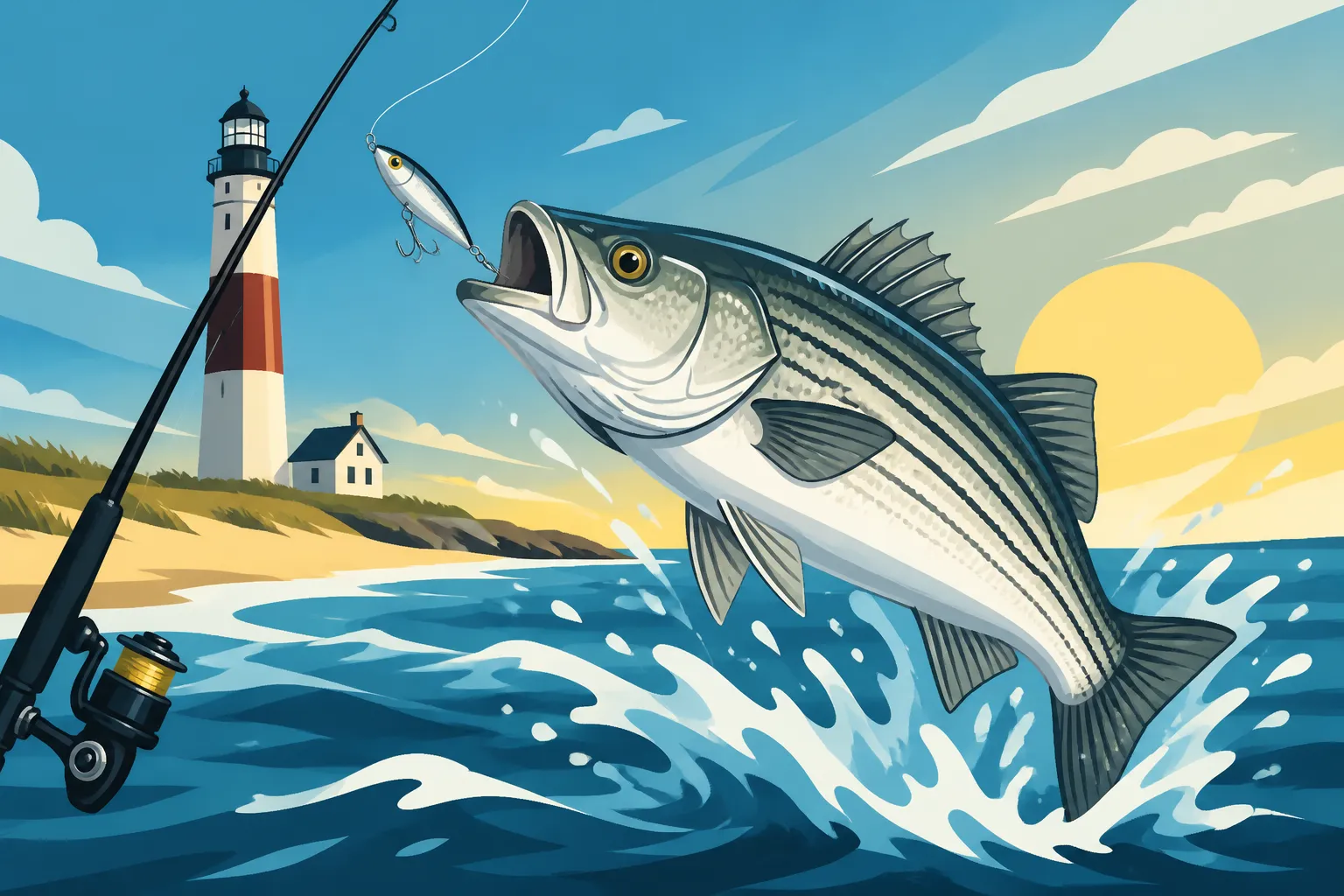
During this time, the striped bass are often hungry and aggressive, having conserved energy over the colder months. They follow these baitfish schools closely, and when the bait pushes close to shore, the surf fishing can be absolutely phenomenal. Anglers often find success using natural baits like fresh clam bellies or chunks of fresh bunker, fished on a standard fish-finder rig in the surf. Artificial lures like large swimming plugs, SP Minnows, or bucktail jigs also work wonders, mimicking the local baitfish. Knowing the specific regulations is also important; checking the New Jersey Fishing Season Dates and Closures will help ensure you're compliant. It’s a thrilling time to be on the beach, but it can be fleeting, so being prepared and hitting the window just right is key.
Summer Fishing: Challenges and Opportunities
As the scorching New Jersey summer sun drives water temperatures up, often into the high 60s and 70s, striped bass fishing on LBI presents a new set of challenges and, surprisingly, some unique opportunities. The large migratory stripers tend to move offshore to deeper, cooler waters, making them less accessible to shore anglers. However, this doesn't mean the fishing entirely shuts down. Far from it! Instead, the focus shifts to resident fish, often smaller "schoolie" stripers, that remain in the cooler pockets of the back bays, inlets, and occasionally the immediate surf zone, especially during low-light hours.
Night fishing becomes incredibly productive during the summer. As the sun sets and temperatures drop, these stripers move out of their daytime haunts to feed. Targeting them with topwater plugs around docks, bridge pilings, or sod banks in the bay can be exhilarating. In the surf, early mornings and late evenings, or even fishing through the night, can yield fish, particularly during strong moving tides. Smaller baitfish like spearing, grass shrimp, and crabs become more prevalent, so downsizing your offerings to match these forage items is often a smart move. While you might not be catching trophy fish regularly, the summer offers consistent action for those willing to adapt their schedule and tactics.
Fall Run: LBI's Most Famous Striped Bass Season
Ah, the fall run! For many, this is the reason LBI exists. Beginning typically in September and often lasting well into December, the fall run is legendary for its explosive action and the chance at catching true trophy striped bass. This is when the grand migration moves south, and LBI becomes a major stopover. The dropping water temperatures, usually in the 50s and 60s, invigorate the stripers, and they enter a voracious feeding frenzy, gorging themselves on massive schools of baitfish before their winter migration.
The amount and type of baitfish are staggering: huge pods of bunker, dense schools of mullet, and vast numbers of spearing and sand eels. When these baitfish are present in the surf, striped bass often put on spectacular feeding displays, known as "blitzes," within casting distance of the beach. It’s an electrifying experience, seeing birds diving and stripers crashing bait right in front of you. Anglers will often match the hatch, throwing large swimming plugs, poppers, metals, and soft plastics that mimic the prevalent bait. Fresh chunks of bunker or whole mullet on a surf rig can also be deadly. This is truly the Best Time of Year to Fish for Striped Bass in New Jersey, and understanding How to Fish for Striped Bass in New Jersey effectively is key. Just remember, adhering to regulations like the New Jersey Striped Bass Slot Limit Explained is crucial for the health of the fishery.
Winter: The Quiet Period
Once the chaos of the fall run subsides and true winter sets in, typically from late December through February, striped bass fishing on LBI becomes significantly more challenging, though not entirely impossible. The vast majority of migratory stripers have pushed further south or moved into deeper, warmer offshore waters. The water temperatures plummet, slowing down the metabolism of any remaining fish.
However, determined anglers can still find success by targeting "holdover" fish. These are typically smaller stripers that have taken up residence in the deeper channels of Barnegat Bay or in the immediate, slightly warmer waters of Barnegat Inlet. Fishing becomes a game of patience and precision, often requiring lighter tackle and slower presentations with smaller baits like bloodworms or small soft plastics. It’s a time when you really earn every bite, and while the action is sparse, landing a striper in the dead of winter is a highly satisfying accomplishment. It’s a testament to the dedication of New Jersey anglers who are truly passionate about their sport.
Key Factors Influencing Striped Bass Success on LBI
Beyond the general seasonal patterns, several dynamic environmental factors play a huge role in determining whether you'll have a banner day or a slow one on LBI. Ignoring these factors is often why anglers go home frustrated.
The Critical Role of Tides and Currents
On LBI, particularly around Barnegat Inlet and in the back bays, understanding the tides and currents isn't just helpful – it's absolutely non-negotiable for striped bass success. Stripers are opportunists, and moving water creates feeding opportunities by disorienting baitfish and washing food past their ambush points. In the ocean surf, the incoming and outgoing tides can be equally productive, depending on the specific location and the presence of bait. An incoming tide often pushes bait closer to shore and into troughs, while an outgoing tide can pull bait out of the back bays through the inlets, concentrating it for hungry bass.
Around Barnegat Inlet, the currents are incredibly strong. During peak tidal flow, baitfish struggle against the powerful surge, making them easy targets. The "slack" tide, the brief period of minimal current between the incoming and outgoing, can sometimes slow the bite, but often the hour leading up to and following the slack are prime times. Look for eddies and current breaks formed by the jetties or submerged rocks where stripers can rest out of the main current flow while waiting for an easy meal. Furthermore, learning How to Read a Rip Current for Safer Surf Fishing can not only improve your chances of finding fish but also keep you safe in the dynamic LBI surf.
Baitfish Presence and Availability
You've heard it a million times: "Find the bait, find the fish." On LBI, this old adage is gospel. Striped bass are almost entirely driven by their forage. The presence, abundance, and type of baitfish dictate where the stripers will be and what they'll be willing to eat. In spring and fall, large schools of bunker (menhaden), mullet, and sand eels are the primary targets for migratory bass. If these bait schools are close to shore, the fishing can be electric. Conversely, if the bait has moved offshore or is simply not present, even during prime season, the fishing can be frustratingly slow.
During summer, smaller baitfish like spearing, killifish, and even crabs become more important, especially in the bay. Paying attention to what local bait is active – whether you see it jumping, or notice birds diving – is your best clue. If you're consistently striking out with a particular lure, it might be time to switch to something that more closely mimics the local forage. This could mean changing size, shape, or color. For specific recommendations, you might find our guide on What Bait Works Best for Striped Bass in the Fall Run? incredibly useful, though many of those baits are effective year-round.
Weather, Wind, and Water Temperature
These elements are the wild cards in LBI striped bass fishing, and they can change hourly. While we can predict tides, the weather demands constant vigilance. Wind direction and strength are huge. An easterly wind, especially after a period of calm, can be a blessing and a curse. It often pushes bait closer to shore and stirs up the bottom, making conditions prime for stripers. However, too strong an east wind can create treacherous surf conditions, making fishing difficult or even impossible. A sustained northwest wind after a storm can clear up the water, but it often drives bait offshore, leading to slower fishing.
Water temperature is, of course, a critical factor for migratory patterns, as discussed earlier. But short-term temperature fluctuations can also affect the bite. A sudden cold snap in spring or fall can make fish lethargic, while a brief warm spell can sometimes ignite a feeding spree. Rain can also play a role, especially in the back bays, as it can lower salinity and wash nutrients (and sometimes bait) into the system. While you can't control the weather, understanding its immediate impact on LBI fishing conditions allows you to adjust your approach, knowing when to fish harder, or when to perhaps take a break and plan for the next window of opportunity.
Gear, Techniques, and LBI Specific Tips
Being prepared with the right equipment and understanding effective techniques will significantly boost your success rate when targeting striped bass on LBI. There's nothing worse than seeing fish blitzing just out of range because you brought the wrong rod.
Essential Rods, Reels, and Terminal Tackle for LBI Stripers
For surf fishing on LBI, a robust setup is paramount. You'll typically want a surf rod between 10 to 12 feet in length. This longer rod provides the leverage needed to cast heavier lures and bait rigs a considerable distance, which is often crucial when the fish are just beyond the first sandbar. Our guide on the Best Rod Length for Jersey Shore Surf Fishing offers more specific advice tailored to our local waters. Pair this with a durable spinning reel, ideally in a 6000 to 8000 series, capable of holding 250-300 yards of 30-50 pound braided line. Braid is preferred for its strength-to-diameter ratio and lack of stretch, allowing for better bite detection and longer casts.
For terminal tackle, you'll need a range of lead weights, from 2 to 6 ounces, often pyramid or hurricane sinkers to hold bottom in the surf. Leaders should be 40-60 pound fluorocarbon, which is abrasion-resistant and nearly invisible underwater. Circle hooks are mandatory for bait fishing for striped bass in New Jersey, and sizes from 6/0 to 9/0 are common, depending on your bait. For artificials, make sure your plugs, metals, and soft plastics have strong, sharp hooks capable of handling powerful striped bass. Having a reliable surf bag to carry your tackle, a sand spike to hold your rod, and a headlamp for night fishing are also indispensable.
Effective Fishing Techniques from LBI's Shore
The beauty of LBI fishing is the variety of techniques that can be employed, from soaking bait to actively casting artificials. When the stripers are feeding on clams or bunker in the wash, bait fishing with a classic fish-finder rig is often the most effective method. Cast your bait out, let it settle in a trough, and be patient. The key is to keep your bait fresh and appealing.
However, when stripers are actively chasing bait schools or feeding aggressively, casting artificials can be incredibly productive and exciting. Large swimming plugs (like the SP Minnow or Darters), metal jigs (like Tsunami Talkin' Poppers or Avas), and soft plastics (like the Kettle Creek Charters teasers or Zoom Super Flukes) are all go-to options. Learning New Jersey Surf Fishing Techniques will give you a solid foundation, including how to read the beach for productive spots. Mastering the art of casting a considerable distance is often the difference between success and frustration on LBI, especially when those bait schools are just out of reach. Check out our tips on How to Cast Farther When Surf Fishing to really get your lures out there.
Leveraging Local Knowledge and Resources
Perhaps the most crucial, yet often overlooked, tip for improving your LBI striped bass fishing is to tap into local knowledge. The conditions on LBI can be incredibly nuanced and change rapidly. What worked yesterday might not work today, and what works at Barnegat Inlet might not work 10 miles south in Ship Bottom. Local tackle shops are absolute goldmines of real-time information. Stores like Harvey Cedars Bait & Tackle or Fisherman's Headquarters in Ship Bottom are not just places to buy gear; their staff live and breathe LBI fishing and can tell you what bait the fish are on, what tides are best, and where the bite has been active. Don't be shy; ask questions!
For those who are new to the area or want to quickly get up to speed on the local nuances, booking a local guide can be an invaluable investment. Services found through platforms like FishingBooker connect you with experienced LBI captains and guides who specialize in striped bass. They know the subtle rips, the hidden sloughs, and the exact baits and techniques working on any given day. This can dramatically shorten your learning curve and put you on fish faster than trying to figure it out alone. Remember to always respect the local regulations, including the specific New Jersey Striped Bass Slot Limit: 28 to 38 Inches and general New Jersey Daily Bag Limits by Species, to help ensure the sustainability of this cherished fishery.
| Season | Primary Baitfish | Preferred Baits/Lures | Key Techniques | LBI Specifics & Tips |
|---|---|---|---|---|
| Spring Run | Bunker, Herring, Sand Eels | Fresh Clams, Bunker Chunks, SP Minnows, Bucktail Jigs | Surfcasting Bait, Plug Casting | Focus on Barnegat Inlet & northern beaches. Look for warmer water. |
| Summer | Spearing, Crabs, Sand Eels | Small Plugs, Soft Plastics, Live Killies/Crabs | Night Fishing, Bay Fishing, Light Tackle | Target resident stripers in back bays & inlets. Mornings/evenings in the surf. Seek cooler water. |
| Fall Run | Bunker, Mullet, Sand Eels | Fresh Bunker Chunks, Large Plugs (Paddletails, Poppers), Metal Lures | Heavy Surfcasting (Bait & Lures) | LBI's peak season! Follow the bait schools, look for blitzes. Fish hard, be ready to move. |
| Winter | Small Baitfish, Worms | Bloodworms, Small Soft Plastics | Light Tackle, Bottom Fishing | Target holdover fish in deep bay channels & Barnegat Inlet. Patience is key. Limited opportunities. |
Disclaimer
Fishing conditions can change rapidly. This guide provides general information and recommendations. Always consult the most current New Jersey Fish and Wildlife regulations before fishing. Be aware of local conditions, weather forecasts, and prioritize safety when on or near the water.