Where to Fish Near Atlantic City Without a Boat
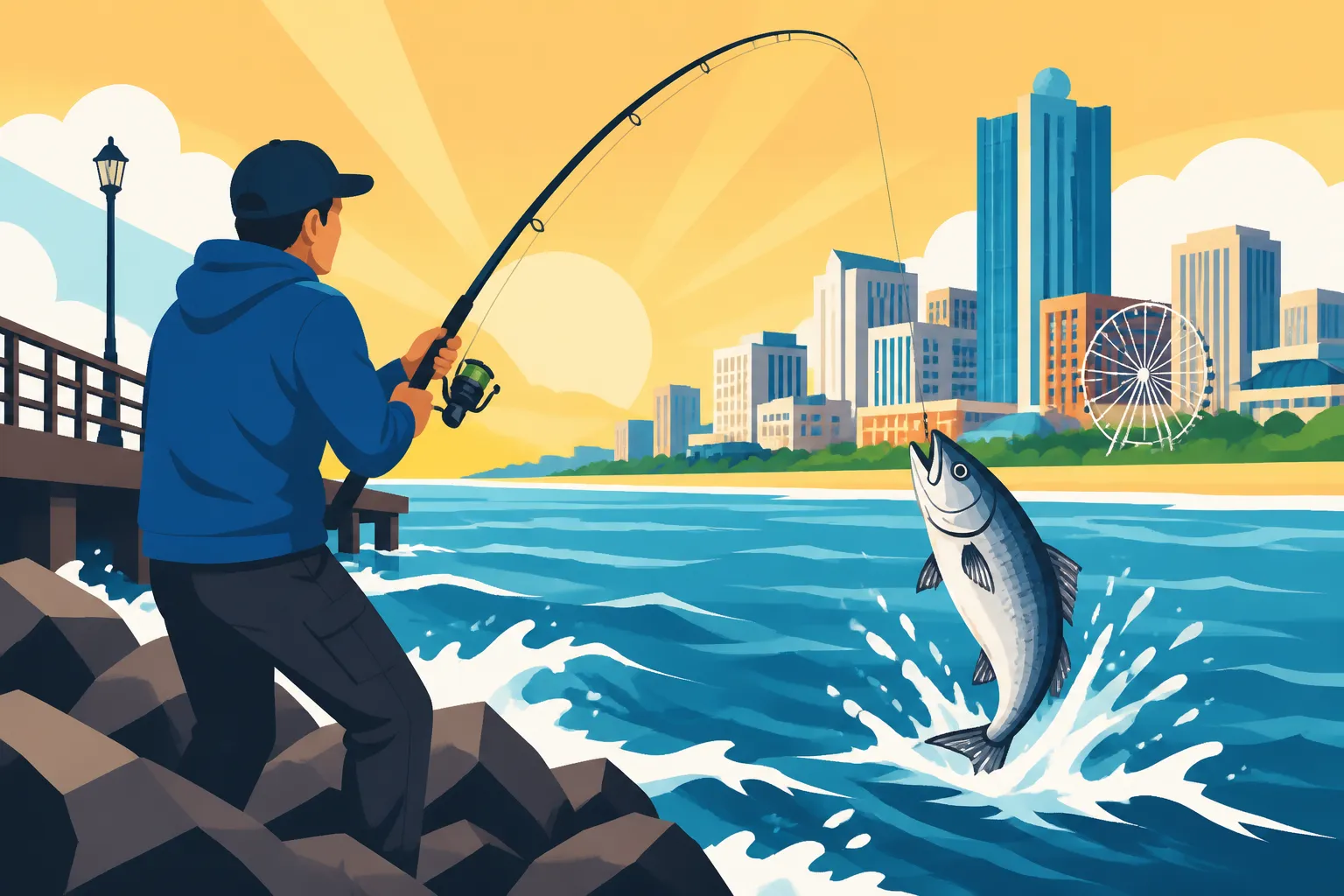
You’re standing on the iconic Atlantic City boardwalk, the sounds of the ocean a constant reminder that just beyond the bright lights and casinos, a whole different world awaits. Many folks, especially those new to the area or vacationing, assume that to truly get into the bountiful fishing waters around AC, you absolutely need a boat. That couldn't be further from the truth! It’s a common misconception that can deter eager anglers, but I’m here to tell you that some of the best fishing experiences are easily accessible from shore, piers, and jetties. This guide will shine a light on fantastic, boat-free spots where you can cast a line and soak in the New Jersey coastal vibe without ever setting foot on a vessel.
Pier and Jetty Fishing Prime Spots for Easy Access
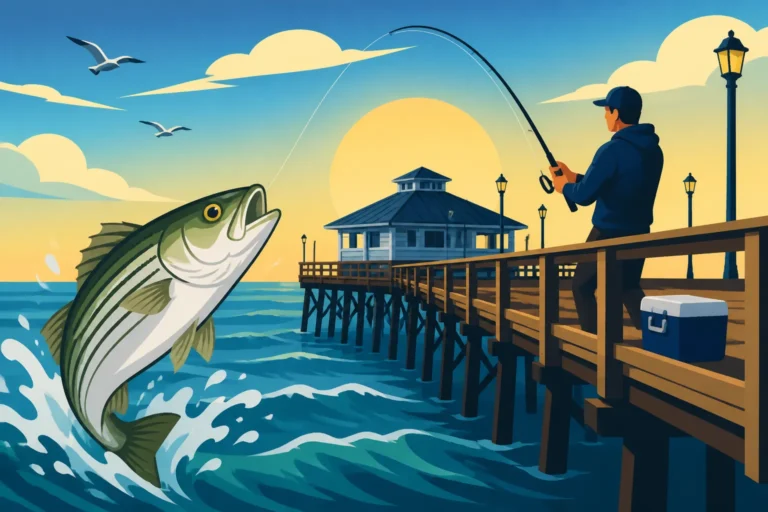
Fishing from a pier or jetty near Atlantic City offers a fantastic way to access deeper waters without the need for a boat. These structures often extend into areas where various species congregate, making them prime real estate for shore-based anglers. You’re often fishing over structure, which attracts baitfish, and in turn, larger predatory fish. Plus, there’s usually plenty of room to spread out, and you might even find amenities like bait shops or restrooms nearby.
The Iconic Steel Pier and Garden Pier
When you think of Atlantic City, the Steel Pier is likely one of the first images that comes to mind. While famous for its amusement rides, it also offers a unique fishing opportunity, although it's primarily designed for entertainment. For a more dedicated fishing experience, the Garden Pier, located at the end of New Jersey Avenue, is a historical gem that still allows public access for fishing. It might not be as grand as some purpose-built fishing piers, but its accessibility right off the boardwalk makes it incredibly convenient. You can cast out for various panfish, small bluefish, and even some fluke, especially during warmer months. The waters underneath and around the pier provide cover, attracting baitfish and the predators that feed on them.
What's great about these boardwalk piers is the sheer convenience. You can literally walk off the boardwalk with your gear, find a spot, and start fishing. You won't have to worry about parking far away or navigating tricky terrain. For many, it's the perfect blend of a classic AC experience and a relaxing fishing session. Just be mindful of crowds, especially during peak tourist season, and always check for any specific pier rules or regulations regarding fishing times or tackle. For those looking for local insights into what's biting, sometimes the small tackle shops located near the boardwalk can offer up-to-the-minute reports.
Fishing the Inlet Jetties and Rock Walls
The jetties and rock walls that define the Atlantic City Inlet are arguably some of the most productive shore fishing spots in the area. These robust structures extend far out into the Atlantic, creating natural fish highways and providing ideal habitat. The rocks themselves are teeming with mussels, barnacles, and crabs, which are a banquet for many popular game fish. You'll find anglers here year-round, braving the elements for a chance at a trophy catch.
Access to these jetties often requires a bit more care than a pier. The rocks can be slippery, especially at low tide or after a rain, so proper footwear is absolutely essential. Safety should always be your top priority. But the reward is often worth the effort. Striped bass are a major draw here, especially during their spring and fall migrations. Tautog (blackfish) love to hide in the crevices, offering a challenging but rewarding fight. You can also hook into bluefish, weakfish, and even some black sea bass depending on the season and tide. Remember that How to Fish Around Jetties Safely is paramount for a good experience. The current around these jetties can be strong, so be prepared with heavier tackle if needed. For specific insights into tides and currents, understanding How to Read Tide Charts for Better Fishing in New Jersey will be incredibly beneficial.
Exploring the Back Bays and Marsh Systems
Beyond the immediate oceanfront, Atlantic City is surrounded by an intricate network of back bays, tidal creeks, and salt marshes. These sheltered waters offer a completely different, often more tranquil, fishing experience than the open ocean. They're nurseries for countless species and provide excellent opportunities for anglers without a boat to target a wide variety of fish. The shallower, calmer waters can be particularly inviting for families or those looking to escape the hustle and bustle of the boardwalk.
Absecon Bay and Its Productive Edges
Absecon Bay is the largest of Atlantic City's immediate back bays, stretching along the city's western edge and offering numerous points of access. While some spots require a bit of local knowledge to find, many areas are publicly accessible. The bay itself is a rich ecosystem, characterized by muddy bottoms, eelgrass beds, and Spartina marsh grass, all of which provide crucial habitat for baitfish and their predators. This makes it an excellent location to try for fluke, especially during the summer months when they move into the bay to feed. You'll also find striped bass, particularly juveniles, patrolling the edges of the marsh grass and deeper channels.
When fishing Absecon Bay from shore, look for public parks, boat ramps (even if you don't have a boat, they often offer bank access), or bridges that span tidal creeks leading into the bay. Places like the areas around the Frank S. Farley State Marina or various small culverts can be surprisingly productive. Using live killifish (minnows), Gulp! artificial baits, or small jigs tipped with a strip of squid can be incredibly effective here for fluke. For specific access points and what to target, our guide on Absecon Bay Fishing Access Near Atlantic City dives even deeper into this productive area. You might also consider using a platform like FishingBooker to find local guides who specialize in these back bay areas from kayaks or small skiffs, offering a unique perspective and helping you learn the local nuances even if you stick to shore fishing next time.
Lakes Bay and the Margate Causeway
Just south of Atlantic City, Lakes Bay offers another fantastic back bay fishing environment. It’s connected to Absecon Bay and features similar rich ecosystems. One of the most popular and easily accessible spots here is along the Margate Causeway (Ventnor Ave/Route 40), which spans a significant portion of the bay. The causeway has numerous pull-offs and pedestrian walkways that allow anglers to cast into the productive waters below. This area is particularly known for fluke and weakfish, with striped bass also making appearances, especially around the bridge pilings and deeper troughs.
Fishing the causeway means you'll be casting into a dynamic environment. The tidal flow here is significant, so paying attention to the incoming and outgoing tides is crucial. A moving tide often brings baitfish through, activating the bite. Drifting bait or jigs along the bottom from the causeway can be very effective for fluke. For weakfish, soft plastic artificial lures or bloodworms are often the ticket. Remember, a New Jersey Fishing License Guide for 2026 and New Jersey Saltwater Registry Explained are absolute must-haves for fishing these waters, regardless of where you decide to cast your line. Make sure you're always properly licensed and registered before you head out!
Local Creeks and Tidal Ponds
Sprinkled throughout the greater Atlantic City area are countless smaller tidal creeks and ponds that feed into the larger bay systems. These often overlooked spots can be fantastic for a quiet day of fishing, especially if you're targeting smaller species or introducing kids to fishing. Many of these creeks are accessible from neighborhood parks, small dirt pull-offs, or under road bridges. They're perfect for light tackle and simple bait setups.
In these smaller waterways, you're likely to find white perch, snapper bluefish (juvenile bluefish), small striped bass, and even some freshwater species if the creek extends far enough inland to become brackish. Crabs are also abundant in these areas, making them great for crabbing with traps or hand lines. Focus on areas with structure like docks, fallen trees, or bridge pilings. A simple bobber rig with a live grass shrimp, a piece of clam, or a small worm can be incredibly effective. Sometimes, the most peaceful and surprising catches come from these hidden pockets of water, far from the crowds.
Surf Fishing the Atlantic City Beaches
For many, there's nothing quite like the experience of surf fishing – standing on the beach, feeling the sand between your toes, and casting your line into the vast expanse of the Atlantic Ocean. Atlantic City's beaches offer miles of prime surf fishing territory, where you can target a wide array of popular game fish without ever needing a boat. It's an accessible and often thrilling way to fish, connecting you directly with the raw power of the ocean.
Choosing Your Beach Stretch
While all of Atlantic City's beaches offer surf fishing opportunities, some stretches might be more productive or accessible than others. Generally, beaches with nearby jetties or deeper troughs tend to hold more fish. The troughs are depressions or deeper channels that run parallel to the beach, often created by wave action, and they act as natural highways for fish moving up and down the coast. Looking for these subtle changes in depth, often indicated by darker water or a change in wave patterns, can dramatically increase your chances of success.
Areas away from the immediate boardwalk crowds, particularly towards the north or south ends of the city's beach zones, can provide a more peaceful fishing experience. Always check local regulations, as some municipalities might have restrictions on fishing in heavily populated swimming areas during peak season. Understanding Best New Jersey Beaches for Surf Fishing can give you broader insights into finding prime locations along the Jersey Shore, including those within reach of Atlantic City.
Essential Techniques and Target Species
Surf fishing involves a specific set of techniques and gear. A longer, stout surf rod (typically 9-12 feet) is essential for making those long casts past the breaking waves. Using a pyramid or Sputnik sinker will help your bait hold bottom in the often strong surf. For bait, fresh clam, cut bunker (menhaden), or bloodworms are perennial favorites and are excellent choices for targeting popular species. Our guide on Best Bait for Surf Fishing in New Jersey goes into detail on the most effective options.
Common species you can expect to catch while surf fishing in Atlantic City include:
- Striped Bass: These are the kings of the surf, especially during the spring and fall migrations. Look for them feeding in the wash, in front of sandbars, or near jetties. The New Jersey Striped Bass Slot Limit: 28 to 38 Inches is a critical regulation to know, as is the use of circle hooks when bait fishing.
- Bluefish: Known for their aggressive strikes and sharp teeth, bluefish are a blast to catch. They'll readily hit metal lures or cut bait. Be prepared for a fight!
- Fluke (Summer Flounder): While often associated with bay fishing, fluke can also be caught in the surf, especially in warmer months. They tend to lie in wait in troughs and along the edges of sandbars. The New Jersey Fluke Size Limit: 18 Inches is strictly enforced.
- Kingfish, Croakers, and Spot: These smaller, panfish-like species are abundant in the surf and offer consistent action, especially for beginners or those using light tackle. They love small pieces of clam or bloodworms.
- Drum Fish: Black Drum and Red Drum can occasionally be caught in the surf, particularly in the spring and fall. These are large, powerful fish that require heavy tackle.
For detailed strategies, consider reading up on New Jersey Surf Fishing Techniques. Knowing how to read the beach, understanding where the fish might be holding, and adapting your presentation to the conditions are all part of the rewarding challenge of surf fishing.
What to Expect and How to Maximize Your Catch
Fishing without a boat near Atlantic City is not just possible; it's a vibrant and rewarding experience. Whether you prefer the structure of a pier, the tranquility of a back bay, or the excitement of the surf, there are ample opportunities awaiting you. To make the most of your trip, a little preparation and understanding of local conditions go a long way.
Essential Gear for Shore Anglers
You don't need a boatload of gear, but having the right essentials will significantly improve your experience. Here’s a quick rundown:
| Item | Purpose | Tips for Atlantic City |
|---|---|---|
| Rod & Reel | Versatile setup for various species and casting distances. | 7-9 foot spinning rod for bays/piers; 9-12 foot surf rod for beaches. |
| Terminal Tackle | Hooks, sinkers, swivels, leaders, floats. | Bring a variety for different conditions and target species. |
| Bait | Live, fresh, or artificial options. | Clam, bunker, bloodworms for natural bait; Gulp!, metal lures for artificials. |
| Pliers/Scissors | For cutting line, removing hooks. | Saltwater-resistant pliers are a lifesaver. |
| Measuring Tape | Crucial for ensuring compliance with size limits. | Always measure before keeping! |
| Cooler/Bucket | For keeping your catch fresh or carrying bait. | A 5-gallon bucket is surprisingly versatile. |
| Appropriate Clothing | Layers, rain gear, sun protection. | Weather can change quickly, especially near the ocean. |
| Headlamp/Flashlight | Essential for early morning or late evening fishing. | Always helpful, even for daytime trips. |
Best Times and Tidal Influences
Understanding the rhythm of the tides is paramount when fishing without a boat, especially in the back bays and inlets around Atlantic City. Fish tend to be more active during moving water – either an incoming or outgoing tide – as it stirs up bait and concentrates food sources. Slack tide, when the water is still, often results in a slower bite. You can find local tide charts online or in tackle shops, which will tell you when high and low tide occur. Planning your trip around these movements can be the difference between a slow day and a banner one. Also, early morning and late evening often provide cooler temperatures and lower light, which can trigger feeding frenzies in many species, particularly striped bass and bluefish. Our comprehensive guide on New Jersey Fishing Season Dates and Closures can help you pinpoint the best times to target specific fish.
For those curious about how long a New Jersey fishing license is valid for, it typically runs on a calendar year, expiring on December 31st, regardless of when you purchased it. So, if you're planning multiple trips throughout the year, an annual license is usually the most cost-effective. For more details on this, check out How Long Is a New Jersey Fishing License Valid?. If you're really looking to maximize your knowledge of the local fishing scene and perhaps even book an inshore kayak or bay fishing guide, platforms like FishingBooker are an excellent resource for connecting with local experts who can share insights into the best boat-free spots and techniques. They might even offer "shore-based" or "kayak" fishing trips that still align with your desire to avoid large boats.
Responsible Angling and Conservation
As with any outdoor pursuit, responsible angling is crucial to preserve the fantastic fishing opportunities we enjoy in New Jersey. Always be aware of and follow all local and state regulations, including size and bag limits for specific species. These rules are in place for a reason – to protect fish populations and ensure healthy fisheries for future generations.
If you're practicing catch and release, handle fish with care, especially larger specimens. Minimize their time out of water, use de-hooking tools when possible, and revive them gently before release. Properly dispose of all fishing line, hooks, and trash. Monofilament line, in particular, can be incredibly harmful to wildlife if left in the environment. Let's all do our part to keep Atlantic City's fishing grounds clean and productive.
Disclaimer
Please note that fishing regulations, including licensing requirements, seasons, and size/bag limits, are subject to change. Always consult the latest New Jersey Fish and Wildlife Digest or their official website before heading out on your fishing trip to ensure you are in compliance with all current rules.