Fishing the Pequest River for Trout
Many anglers dream of fishing a pristine trout river, but sometimes the sheer volume of information – or lack thereof for a specific local gem like the Pequest River – can feel overwhelming. You want to know where to go, what to use, and when the best time is to increase your chances of landing a beautiful trout. This guide is dedicated to demystifying fishing the Pequest River for trout, providing you with a comprehensive breakdown of its unique characteristics, effective techniques, and all the essential regulations you need to know for a successful and enjoyable trip.
Understanding the Pequest River Trout Fishery
The Pequest River, nestled in the heart of Warren County, New Jersey, is a true jewel for trout anglers. Unlike some larger, more boisterous rivers, the Pequest offers a more intimate experience, weaving its way through pastoral landscapes and wooded areas. It’s primarily known for its incredible trout population, largely sustained by the efforts of the nearby Pequest Trout Hatchery. This isn't just a generic stream; it's a dedicated trout program designed to provide fantastic fishing opportunities for both seasoned fly-casters and casual spin fishermen.
The Pequest's Unique Characteristics
What truly sets the Pequest apart is its designated "Trout Stocked Waters" status. This means it receives consistent stockings of trout from the state hatchery, ensuring a healthy and catchable population throughout the season. The river itself is a mix of classic trout stream features: gentle riffles, deeper runs, undercut banks, and quiet pools. The bottom substrate varies, with stretches of gravel, cobble, and even some silty areas, all contributing to a diverse habitat. The water quality is generally excellent, a critical factor for supporting healthy trout. While it's certainly a productive fishery, it's not a secret; you'll often find other anglers, especially during peak stocking times, but there's usually enough room for everyone to enjoy. Understanding these characteristics is the first step in successful angling here. Knowing the flow and depth can greatly influence your choice of presentation and where you expect fish to hold.
The river's character changes as you move along its course. Upstream sections might be narrower and faster, perfect for drifting small nymphs or spinners, while broader, slower pools downstream might hold larger, more wary fish that require a more delicate approach. The vegetation along the banks also varies, offering both challenging casting opportunities and crucial cover for trout. It's truly a dynamic waterway that rewards exploration and observation.
Types of Trout You'll Encounter
When you drop a line into the Pequest, you're most likely targeting three main species: Rainbow Trout, Brown Trout, and Brook Trout. The vast majority of these will be stocked fish, released from the nearby hatchery to supplement the river's population.
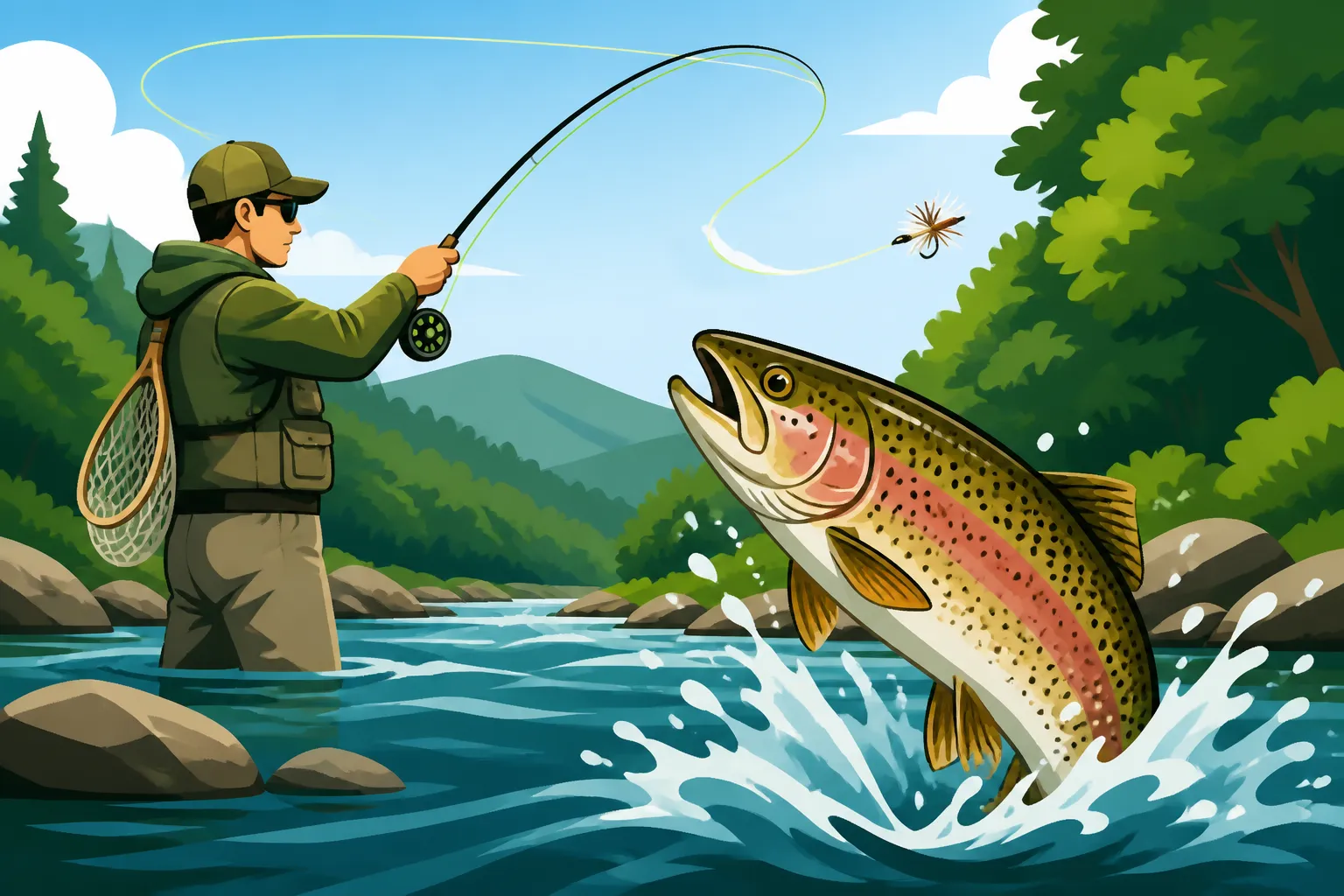
- Rainbow Trout: These are the most common species you'll encounter. Known for their vibrant, iridescent stripe and acrobatic fighting style, rainbows are a favorite among anglers. They're often eager to strike a variety of baits and lures, making them a great target for beginners and experienced anglers alike. The state stocks them regularly, often in catchable sizes, meaning you won't have to wait long after a stocking to find some action.
- Brown Trout: While not stocked in the same numbers as rainbows, brown trout are also a significant part of the Pequest's fishery. These fish are often a bit more elusive and cunning, preferring to hide in deeper pools, under undercut banks, or near submerged structure. They can grow to impressive sizes in the Pequest, and catching a large, wild-looking brown is often considered a trophy. They're known for their beautiful spotted patterns and often feed more actively during lower light conditions. You might even stumble upon some holdover browns that have survived previous seasons, becoming more attuned to the river's natural food sources.
- Brook Trout: While pure native brook trout are rare in the main stem of the Pequest, some smaller tributaries might hold wild populations, and stocked brookies are sometimes released. These are New Jersey's only native trout species, recognizable by their worm-like markings on their backs and vibrant red and orange spots, often with blue halos. They tend to be smaller but are incredibly beautiful and a joy to catch.
For more detailed information on identifying these species and understanding their characteristics, check out our guide on New Jersey Rainbow Trout vs Brown Trout vs Brook Trout. While most fish you catch will be hatchery-raised, there's always the chance of encountering a more "wild" looking holdover, especially brown trout, which adapt well to river environments.
Essential Techniques and Tackle for the Pequest
Fishing the Pequest River successfully requires a versatile approach. Whether you prefer the graceful art of fly fishing or the simplicity and effectiveness of spin fishing, there are techniques that will work. The key is to be adaptable and understand what the trout are feeding on, which can change day-to-day.
Fly Fishing Strategies
Fly fishing on the Pequest can be incredibly rewarding. The river's varying depths and flows provide excellent opportunities for different fly presentations.
- Nymphing: This is arguably the most effective fly fishing technique on the Pequest, especially when trout aren't actively rising to surface insects. Trout spend the majority of their time feeding subsurface on aquatic insect larvae and pupae. Using patterns like Pheasant Tails, Hare's Ears, Caddis Larvae, or even small stonefly imitations, drifted naturally along the bottom, can be deadly. A strike indicator is crucial for detecting subtle takes. For a deeper dive into these methods, consider reading up on Nymphing Techniques for Trout Streams.
- Dry Fly Fishing: While not always consistent, when hatches occur, dry fly fishing on the Pequest can be phenomenal. Look for rising fish, which indicate they are feeding on insects on the surface. Mayflies, caddisflies, and midges are common hatches. Matching the hatch with patterns like Adams, Elk Hair Caddis, or Parachute Adams can lead to explosive strikes. Early mornings and late evenings are often the best times for dry fly action, especially during warmer months.
- Streamer Fishing: For larger, more aggressive trout, especially brown trout, streamer fishing can be very effective. Patterns like Woolly Buggers, Sculpzillas, or small baitfish imitations stripped through deeper runs and pools can trigger predatory instincts. This technique can be particularly good during higher flows or after a rain, when trout are less cautious.
A 4 to 6-weight fly rod is generally ideal for the Pequest, offering enough backbone for larger fish while still being delicate enough for smaller presentations. Pair it with a floating line for versatility, and have a sinking tip or full sinking line ready if you plan on throwing larger streamers.
Spin Fishing Approaches
Spin fishing is a highly accessible and effective way to catch trout on the Pequest, especially for those new to trout fishing or who prefer a more direct approach.
- Ultralight Gear: An ultralight spinning rod (5-6 feet) paired with a small reel spooled with 4-6 lb test monofilament or fluorocarbon line is perfect. This setup allows for accurate casting of small lures and baits, and the light line provides a more natural presentation.
- Artificial Lures: Small inline spinners (like Mepps Aglias or Panther Martins) in silver, gold, or black, small spoons (such as Kastmasters or Little Cleos), and micro crankbaits are excellent choices. Vary your retrieve speed and depth until you find what the fish are reacting to. Try to cast upstream and retrieve downstream, allowing the current to give your lure a natural action. Soft plastic trout worms or small grub jigs can also be deadly when fished on a light jig head.
- Natural Baits: PowerBait, especially in popular colors like chartreuse, rainbow, or white, is a perennial favorite for stocked trout. Worms (earthworms, mealworms, wax worms) fished on a small hook with minimal weight are also incredibly effective. Drifting a live minnow under a bobber in deeper pools can entice larger, more wary trout. Remember that when it comes to What Do Stocked Trout Eat?, they're often accustomed to hatchery pellets, so brightly colored, scented baits can mimic their past diet.
Using very light tackle and paying attention to subtle bites will increase your success. Sometimes the strike is barely a tap, so keep your eye on your line for any twitch or hesitation.
Recommended Baits and Lures
Choosing the right bait or lure can make all the difference on the Pequest. Here's a quick rundown of some proven performers:
| Type | Specific Examples | Best Use Case | Tips for Pequest River |
|---|---|---|---|
| Baits | PowerBait (Trout Nuggets, Power Worms), Live Worms | Stocked trout, especially after recent stockings | Use small balls of PowerBait; drift worms naturally. |
| Spinners | Mepps Aglia, Panther Martin, Rooster Tail | Actively feeding trout, moderate current | Try silver or gold blades; vary retrieve speed. |
| Spoons | Kastmaster, Little Cleo | Deeper pools, targeting larger fish | Jig or slow retrieve; bright colors for visibility. |
| Soft Plastics | Berkley Gulp! Trout Worms, Small Grub Jigs | Finicky fish, slow presentation, clear water | Fish on light jig heads, bounce along the bottom. |
| Flies (Nymphs) | Pheasant Tail, Hare's Ear, Caddis Larva | Subsurface feeding, most consistent | Dead drift with a strike indicator; vary weight. |
| Flies (Dry) | Adams, Elk Hair Caddis, Parachute Adams | During insect hatches, rising fish | Match the size and color of natural insects. |
| Flies (Streamers) | Woolly Bugger, Sculpzilla | Aggressive trout, higher water, targeting larger fish | Strip through deeper water, near structure. |
Remember that stocked trout, especially right after release, are often less selective. However, as they acclimate, they become more wary, and more natural presentations or realistic flies will perform better. For opening day excitement, you might want to review Best Bait for Opening Day Trout.
Navigating Regulations, Seasons, and Access
Fishing the Pequest River isn't just about what gear you use; it's also about understanding and respecting the local regulations. New Jersey has specific rules for its freshwater fisheries, particularly those that are heavily stocked with trout. Knowing these rules ensures you have a legal and enjoyable outing.
Key Regulations and Season Dates
The Pequest River falls under New Jersey's general trout fishing regulations, with some specific nuances due to its stocking program.
- Fishing License and Trout Stamp: Anyone 16 years or older needs a valid New Jersey fishing license to fish freshwater. Additionally, if you're targeting or possessing trout, you'll need a New Jersey Trout Stamp. These are separate purchases, but both are essential. You can find comprehensive details in our New Jersey Fishing License Guide for 2026 and New Jersey Trout Stamp Requirements Explained articles.
- Season Dates and Preseason Closures: New Jersey's trout season has a specific opening day, typically the first Saturday in April. Before this date, many trout-stocked waters, including sections of the Pequest, are closed to all fishing to allow for extensive stocking and to ensure a fair opening day experience. This is known as the New Jersey Trout Season Preseason Closure Explained. After opening day, the season generally remains open until December 31st, though regulations can vary, so always check the current New Jersey Fish and Wildlife Digest.
- Bag and Size Limits: Daily bag and size limits apply to trout on the Pequest. These can change year to year, but typically there's a minimum size limit (e.g., 9 inches) and a daily creel limit (e.g., 3-6 trout per day). Always consult the most recent regulations for specific numbers.
- Special Regulations: Some sections of the Pequest might have specific "Trout Conservation Areas" or "Seasonal Trout Conservation Areas" with enhanced regulations, such as artificial lures only, fly fishing only, or different size/bag limits. Always look for signage along the river and refer to the official regulations for any such designated areas. These areas are designed to promote catch-and-release and allow trout to grow larger.
It's crucial to always carry your license and trout stamp (or digital proof) with you while fishing. Conservation Police Officers regularly patrol the Pequest, especially during peak seasons. You can find more general information about all freshwater rules in our New Jersey Freshwater Fishing Regulations Every Angler Should Know guide.
Public Access Points and Parking
One of the great things about the Pequest River is the relatively good public access, thanks in large part to the Pequest Trout Hatchery and Natural Resource Education Center.
- Pequest Trout Hatchery: This is a prime access point. Located in Oxford, the hatchery offers ample parking, restrooms, and direct access to sections of the river that are regularly stocked. There's usually a dedicated stretch of river (often called the "Pequest Fishing Education Pond" or similar) that is heavily stocked and very accessible, even for children or anglers with limited mobility. This spot is particularly popular on opening day and during the weeks following initial stockings.
- Route 31 Bridge Crossings: Throughout its course, the Pequest parallels or crosses Route 31. Many bridges offer informal pull-offs or small parking areas where you can access the river. Always be mindful of private property signs and ensure you are parking legally and not blocking any driveways or gates.
- Wildlife Management Areas: Some sections of the Pequest run through or near Wildlife Management Areas (WMAs), which are public lands managed for wildlife and recreation. These areas often have designated parking lots and trails that lead to the river. Examples might include parts of the Pequest WMA itself. These spots can offer a more secluded experience than the hatchery grounds.
Before heading out, it's always a good idea to consult a local map or an online resource like FishingBooker to identify specific public access points and parking areas. Be prepared to do a little walking to get to less crowded spots, especially on busy weekends. Respect the environment by packing out everything you pack in, and avoid disturbing private landowners.
The Role of the Pequest Trout Hatchery
The Pequest Trout Hatchery is not just a stocking facility; it's the heart and soul of New Jersey's trout fishing program. Located right on the banks of the Pequest River, this state-of-the-art facility is responsible for raising and releasing hundreds of thousands of trout into New Jersey's waters each year.
- Massive Stocking Efforts: The hatchery annually raises and stocks various species and sizes of trout, primarily rainbows, but also browns and brookies. These fish are released into designated trout-stocked waters across the state, ensuring that anglers have abundant opportunities. The Pequest River itself benefits directly from this program, receiving frequent stockings from late winter through the spring, and often again in the fall. You can find out How Many Weeks Does New Jersey Stock Trout After Opening Day? to plan your trips around these releases.
- Economic and Recreational Impact: Beyond providing fish, the hatchery supports recreational fishing, which in turn boosts local economies through tackle sales, guide services (which you can often find listed on platforms like FishingBooker), and tourism. It also provides educational opportunities for the public, teaching about fish biology, conservation, and angling ethics.
- Conservation Efforts: While primarily focused on stocking, the hatchery also plays a role in broader conservation efforts, sometimes working with native strains or research projects that benefit wild trout populations where they exist. It's a testament to New Jersey's commitment to maintaining robust freshwater fisheries.
Visiting the hatchery itself can be a fascinating experience, offering a glimpse into the incredible effort that goes into making New Jersey a premier trout fishing destination.
Tips for a Successful Day on the Pequest
Beyond the right gear and knowing the rules, a successful day on the Pequest often comes down to a few key strategies and understanding the fish. Trout, especially those that have been in the river for a while, can be quite wary.
Reading the Water and Choosing Your Spot
Trout are creatures of habit and efficiency. They'll position themselves in spots that offer food, cover, and minimal energy expenditure. Learning to "read the water" is perhaps the most valuable skill you can develop.
- Riffles and Runs: These faster-moving, shallower sections oxygenate the water and dislodge insect larvae, creating a food conveyor belt. Trout will often hold behind rocks or in the seams of these currents, waiting for food to drift by. Presenting a nymph or small spinner through these areas can be very effective.
- Pools: Deeper, slower-moving pools offer comfort, safety from predators, and often hold larger fish. Look for structure within these pools, like submerged logs, large rocks, or changes in depth. Casting a weighted nymph, a small spoon, or even a streamer into these areas can draw out a strike.
- Undercut Banks and Overhanging Vegetation: These areas provide excellent cover and shade, making them prime hiding spots for trout. Fish them carefully, trying to present your bait or lure as close to the bank as possible without spooking the fish. A delicate cast with a dry fly or a subtle drift with a worm can pay off.
- Seams and Eddies: Where faster water meets slower water, or where currents swirl around an obstacle, are often fish magnets. These "seams" concentrate food and provide trout with a comfortable resting spot. Presenting your offering along these current breaks is often highly productive.
Walk slowly, observe the water, and try to understand where a trout would naturally hold. Look for insect activity on the surface or near the banks. The more you watch, the more you'll learn.
When to Visit for Optimal Fishing
The Pequest offers good fishing opportunities throughout its open season, but certain times are definitely more productive than others.
- Spring (Opening Day through May): This is undoubtedly the most popular and often the most productive time on the Pequest. With frequent stockings, trout are abundant and generally eager to bite. Weekdays are usually less crowded than weekends. Keep an eye on the state's stocking schedule if you want to hit the river right after a fresh batch of fish is released. This is when you'll see a lot of people out, from families to serious anglers.
- Summer (June through August): As water temperatures rise, trout can become more lethargic and seek out cooler, more oxygenated water. Focus your efforts during early mornings or late evenings. Look for areas with deeper pools or spring-fed sections. Fly anglers might find some dry fly action during hatches, but overall, it can be a tougher period. Consider seeking out Trout Survival Through Summer in New Jersey Lakes information if you're concerned about catch and release mortality in warmer conditions.
- Fall (September through November): Fall offers another fantastic window for Pequest trout fishing. Cooler temperatures re-energize the fish, and the state often conducts additional stockings. The river tends to be less crowded than in spring, and the autumn foliage makes for a beautiful backdrop. Brown trout, in particular, can become more active as they prepare for spawning, making this a prime time for larger fish.
While you might be able to find a good local guide or charter through services like FishingBooker who can help you pinpoint the best times and locations, a little personal research and on-the-ground observation will go a long way. Always check the weather forecast and river conditions before you head out. High, muddy water after heavy rains can make fishing challenging, while extremely low and clear water might require more stealth and delicate presentations.
Disclaimer
Please be aware that fishing regulations, season dates, and limits are subject to change by the New Jersey Department of Environmental Protection (NJDEP) Division of Fish and Wildlife. Always consult the most current New Jersey Fish and Wildlife Digest or the official NJDEP website before planning your fishing trip to ensure you are compliant with all regulations. This guide is for informational purposes only and should not be considered a substitute for official legal requirements.