Best New Jersey Fishing Gear for Beginners
Stepping into the world of fishing in New Jersey can feel a little like walking into a massive tackle shop blindfolded. There’s an overwhelming array of rods, reels, lines, and lures, and it’s easy to get frustrated trying to figure out what you actually need to catch fish. But don't you worry, because this comprehensive guide is here to demystify all that gear, giving you the solid foundation you need to start your angling adventures across our amazing state.
Understanding the Basics of Fishing Gear
Before you get caught up in all the shiny gadgets, let’s talk about the absolute fundamentals. Think of your fishing setup as a system, where each part plays a crucial role in helping you successfully cast, hook, and reel in a fish. Getting the right basics will make all the difference, especially when you're just starting out. It's about finding that sweet spot of versatility and ease of use.
Rods: The Backbone of Your Setup
Your fishing rod is essentially an extension of your arm, designed to cast your line out and absorb the shock of a fighting fish. For beginners, the sheer variety can be intimidating, but we can simplify it quite a bit.
When you're first getting started, a spinning rod is almost always the way to go. They are incredibly user-friendly, forgiving, and excellent for casting lighter baits and lures, which is perfect for the kind of fishing you’ll likely do in New Jersey's lakes, ponds, and bays. Unlike baitcasting or fly rods, spinning rods are simple to learn, reduce tangles, and are generally more versatile for a wide range of species and conditions. They feature an open-faced reel mounted on the underside of the rod, which makes casting intuitive for most newcomers.
Now, let's talk about rod specifications:
- Length: For general-purpose beginner fishing in New Jersey, a rod between 6 and 7 feet is a fantastic starting point. This length offers a good balance of casting distance and accuracy. Shorter rods (under 6 feet) are great for tight spots, like small streams or heavy cover, but don't cast as far. Longer rods (over 7 feet) excel at long casts, which might be useful for surf fishing down the line, but can be unwieldy for a beginner learning the ropes in a local pond or from a pier.
- Action: This refers to where on the rod it bends. A fast action rod bends mostly at the tip. This gives you excellent sensitivity to feel bites and powerful hook sets, which can be great for finesse fishing. However, it's less forgiving. A moderate action rod bends more in the middle section, offering a better all-around experience for beginners. It casts a wider range of lure weights, is more forgiving during a fight, and still provides enough sensitivity for most situations. For your first rod, moderate action is a safe bet, making it easier to learn casting and reduce the chances of pulling the hook out of a fish's mouth.
- Power (or Weight): This indicates how much force is needed to bend the rod. Common options are ultra-light, light, medium, and heavy.
- For panfish (like bluegill, perch, crappie) and small trout in New Jersey's freshwater ponds, an ultra-light or light power rod is ideal. These rods are sensitive and make even small fish feel like a trophy.
- For larger freshwater bass or light saltwater species like fluke, croakers, or small bluefish, a medium-light or medium power rod provides the necessary backbone without being too cumbersome. This is often the most versatile choice for a beginner's first rod, allowing you to tackle a good variety of fish without needing a specialized setup right away.
When you're ready to pick one up, look for combos that pair a spinning rod and reel together. Brands like Ugly Stik, Penn, or Shimano often have reliable and affordable options that are perfect for beginners. Many of these combos are available on platforms like Amazon, offering a convenient way to get started without breaking the bank.
Reels: The Engine of Your Angling Experience
The reel is where your line is stored, and it's how you retrieve your lure or bait, and, most importantly, how you fight a fish. As with rods, we're going to keep it simple for beginners and focus on spinning reels.
Spinning reels are perfect for newcomers because they are easy to cast and handle. The line comes off in coils, which is less prone to tangles (or "backlashes") than a baitcasting reel. When choosing a spinning reel, consider these key features:
- Reel Size: Spinning reels are typically categorized by a number series (e.g., 1000, 2000, 3000, 4000). For a beginner's general-purpose rod, a reel in the 2500 to 3000 series is a fantastic choice.
- A 1000-series reel is very small, best suited for ultra-light rods targeting tiny panfish.
- A 2500 or 3000 reel pairs well with a 6-7 foot medium-light to medium power rod. It holds enough line for most freshwater and light saltwater situations in New Jersey and provides enough cranking power for species like bass, trout, and fluke.
- Larger reels (4000 series and up) are typically for heavier saltwater applications like striped bass or surf fishing, which you might graduate to later.
- Drag System: This is arguably the most crucial part of your reel. The drag system allows line to peel off the spool when a fish pulls hard, preventing your line from breaking or your rod from snapping. A smooth, easily adjustable drag is essential. You'll want to set your drag to about 25-30% of your line's breaking strength. For example, if you're using 10-pound test line, your drag should be set to release line at around 2.5 to 3 pounds of pressure. Learning to adjust your drag during a fight is a skill that comes with practice but a smooth system makes it much easier.
- Gear Ratio: This indicates how many times the spool rotates with one turn of the handle. A 5.2:1 ratio means the spool turns 5.2 times for every single crank. Higher ratios are faster, lower ratios are stronger. For beginners, a mid-range gear ratio (around 5.0:1 to 6.0:1) is versatile enough for most applications, offering a good balance of speed and power.
Again, many beginner rod and reel combos will come with a reel that's appropriately matched to the rod. Good brands to look for, often found on Amazon or at local sporting goods stores, include Daiwa, Pflueger, and the aforementioned Penn and Shimano. Don't feel pressured to buy the most expensive reel; a reliable, smooth entry-level model will serve you well for years.
Line: The Critical Connection
The fishing line is your direct link to the fish, and choosing the right one is more important than many beginners realize. It's not just about strength; it's also about visibility, stretch, and ease of handling.
For beginners hitting New Jersey waters, I almost always recommend starting with monofilament (mono) line. Here's why:
- Ease of Use: Mono is very forgiving. It’s easy to tie knots with, has a good amount of stretch (which acts as a shock absorber, helping prevent hooks from tearing out of a fish's mouth), and is generally less prone to tangles than braid for beginners.
- Visibility: While some fish can see line, mono is less visible than braid in the water, especially in clear conditions found in many of New Jersey's lakes and reservoirs.
- Cost: It's typically the most affordable option, which is great when you're just learning and might make a few mistakes that require re-spooling.
Let’s talk about line specifications:
- Pound Test: This refers to the breaking strength of the line.
- For freshwater fishing in New Jersey for panfish, trout, and small bass (in spots like the Musconetcong River or any of the state's trout-stocked lakes), a 6 to 10-pound test monofilament is perfect. It's light enough for finesse, but strong enough for decent-sized fish.
- For light saltwater fishing in New Jersey bays (think fluke, porgies, small bluefish), a 10 to 15-pound test monofilament is a good starting point. It offers more abrasion resistance against barnacles and tougher fish.
- Leaders: While mono can be your main line, sometimes adding a fluorocarbon leader is beneficial. Fluorocarbon is nearly invisible underwater and has excellent abrasion resistance. You can tie a short, 18-36 inch section of fluorocarbon (e.g., 8-12 lb test for freshwater, 15-20 lb for saltwater) to the end of your main monofilament line using a small swivel or a reliable knot like the double uni-knot. This gives you the best of both worlds: easy casting with mono and stealth/toughness with fluoro at the business end.
- Swivels and Snaps: These small pieces of terminal tackle are incredibly useful.
- Barrel swivels help prevent line twist, especially when using spinning lures or live bait.
- Snap swivels allow you to quickly change lures or rigs without re-tying, which is a huge time-saver for beginners still experimenting with what works. Just make sure to use swivels that are appropriately sized for your line and target species. Too big, and they'll spook fish; too small, and they might break.
You'll find a dizzying array of line brands out there, but good beginner choices available at most tackle shops or on Amazon include Berkley Trilene, Stren, or Sufix. Don't overthink it; pick a monofilament line within the recommended pound test, and you'll be off to a great start.
Essential Tackle Box Must-Haves for New Jersey Beginners
So, you've got your rod, reel, and line sorted. Now comes the exciting part: filling up your tackle box! This is where you store all those little bits and pieces that actually catch the fish. For a beginner in New Jersey, the key is to keep it simple, versatile, and not get overwhelmed by the thousands of options. Focus on the core components that will work for a variety of common species.
Hooks, Weights, and Swivels
These are the absolute bread and butter of your tackle box. Without them, you literally can't connect with a fish.
- Hooks: The type and size of hook you need will vary depending on what you're trying to catch and what bait you're using. For beginners in New Jersey, it's wise to have a selection of common, reliable hooks:
- J-Hooks (Baitholder Hooks): These are standard hooks with small barbs on the shank to hold bait securely. Sizes from #6 to 1/0 (that's "one ought") will cover most freshwater panfish, trout, and small bass, as well as smaller saltwater species like croakers or kingfish. A common mistake is using hooks that are too large; small hooks catch big fish, but big hooks rarely catch small fish!
- Circle Hooks: If you plan on doing any bait fishing for striped bass, especially with natural bait, you absolutely need to understand New Jersey Circle Hook Requirements for Bait Fishing. Circle hooks are designed to hook fish in the corner of the mouth, reducing gut-hooking and improving the chances of a successful catch and release. Have some 1/0 to 3/0 circle hooks on hand if you foresee yourself fishing for stripers with bait, even from a dock or pier. They might look odd at first, but they are incredibly effective and much better for fish health.
- Sinkers (Weights): These get your bait or lure down to where the fish are. Having a variety is important for different depths and currents.
- Split Shot: These small, round weights can be squeezed onto your line with pliers. They're perfect for light freshwater fishing with bobbers or to add a little extra casting weight to a small lure. Have an assortment of small sizes (BB to #7).
- Egg Sinkers: These are oval-shaped with a hole through the middle, allowing your line to slide freely. They're great for bottom fishing, especially for species like catfish or even fluke in calmer bay waters. A small stopper bead is often used between the egg sinker and the swivel to protect the knot.
- Pyramid Sinkers: If you're going to dabble in surf fishing at all, you'll want some pyramid sinkers. Their shape helps them dig into the sand and hold bottom in the surf, preventing your rig from being washed away. Sizes from 2 to 4 ounces are common for entry-level surfcasting.
- Swivels and Snaps: We touched on these earlier, but they're so important they deserve another mention here. Keep a selection of barrel swivels and snap swivels in sizes appropriate for your line (e.g., size 7 to 12 barrel swivels, and small to medium snap swivels). They prevent line twist and make changing lures incredibly efficient.
Lures and Baits to Start With
This is where the magic happens! While live bait is often king, carrying a few versatile artificial lures can be highly effective, especially when live bait isn't readily available or you want to cover more water.
For Freshwater Fishing (Ponds, Lakes, Streams):
- Live Bait: Honestly, for freshwater beginners in New Jersey, nothing beats live bait for consistency.
- Worms (Nightcrawlers, Red Wigglers): The undisputed champions. Fish of all kinds eat worms. They're cheap, effective, and easy to use. You can buy them at virtually any bait shop, many convenience stores, and even on Amazon.
- Minnows: Live minnows are excellent for bass, pickerel, and larger trout. You'll typically need to buy these from a bait shop.
- Artificial Lures:
- Spinners (e.g., Mepps, Rooster Tail): These are fantastic for trout, bass, and panfish. The spinning blade creates flash and vibration that fish can't resist. Start with small sizes (1/8 to 1/4 ounce) in silver, gold, or brass.
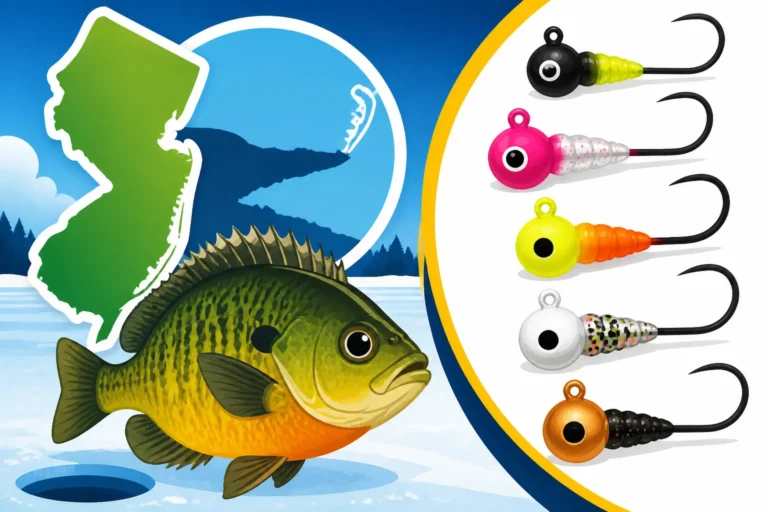
- Small Jigs (e.g., Marabou Jigs, Grub Jigs): Tipped with a small plastic grub or just fished plain, these are incredibly versatile. They can be cast and retrieved, bounced along the bottom, or dangled under a bobber. Sizes 1/16 to 1/8 ounce are great for panfish and trout.
- Small Crankbaits: These lures dive when retrieved and have a wobbling action. They're great for bass and pickerel. Look for shallow-diving models in natural baitfish patterns.
For Light Saltwater Fishing (Bays, Inlets, Piers):
- Natural Bait:
- Clams: Fresh or frozen, clams are a go-to bait for many species along the New Jersey coast, including fluke, kingfish, croakers, and even striped bass.
- Squid: Easy to use, tough, and effective for fluke, sea bass, and a variety of other bottom dwellers. You can buy it frozen at bait shops. Cut it into strips before rigging.
- Spearing: Small baitfish often sold frozen, great for fluke.
- Artificial Lures:
- Gulp! Baits (by Berkley): These scented soft plastics are a game-changer. They come in various shapes (shrimp, minnow, grub) and colors, and fluke absolutely love them. They're a fantastic alternative to live bait and work incredibly well. Keep a few tubs in different colors (chartreuse, white, pink) on hand.
- Bucktail Jigs: A classic for fluke and striped bass. Start with 1/2 to 1-ounce bucktails in white, chartreuse, or pink. You can tip them with a Gulp! trailer or a strip of squid.
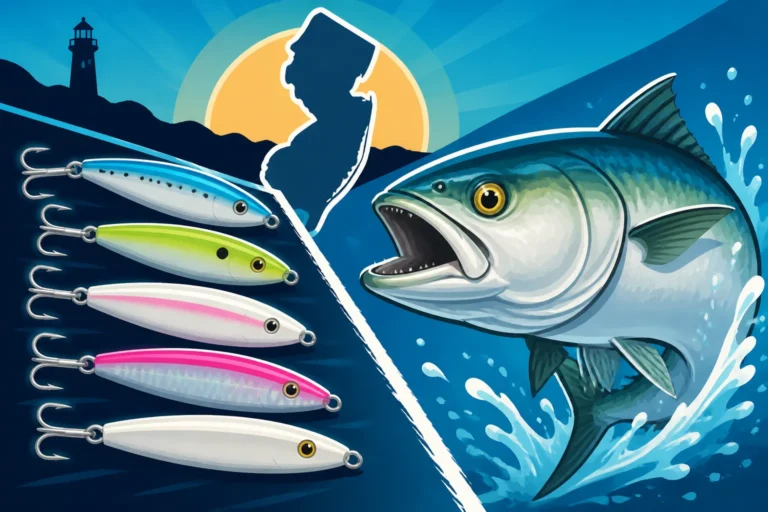
- Small Spoons (e.g., Kastmaster): Great for casting to bluefish or even small striped bass. They cast a mile and have an irresistible wobbly action.
Here's a quick comparison table for basic baits and lures:
| Category | Freshwater Recommendations | Saltwater Recommendations (Light) |
|---|---|---|
| Live Bait | Nightcrawlers, Red Wigglers, Live Minnows | Clams, Squid Strips, Spearing |
| Artificial | Small Spinners (Mepps), Small Jigs, Small Crankbaits | Gulp! Baits (Shrimp, Grub), Bucktail Jigs, Small Spoons (Kastmaster) |
| Target Species | Panfish, Trout, Bass, Pickerel | Fluke, Croaker, Kingfish, Small Bluefish, Striped Bass |
Tools and Accessories
These are the non-glamorous but utterly essential items that make your fishing trip easier, safer, and more successful.
- Pliers/Forceps: You will need to remove hooks from fish, and sometimes from yourself! A good pair of long-nose pliers or fishing forceps is indispensable. They also help with cutting line, crimping weights, and general adjustments.
- Line Cutters: Small scissors or a pair of nail clippers designed for fishing line will make tying knots and re-rigging much less frustrating than trying to bite through line with your teeth.
- Stringer or Cooler with Ice: If you plan on keeping fish (and always check How Bag and Size Limits Work in New Jersey first!), you'll need a way to keep them fresh. A simple stringer for freshwater fish or a small cooler with ice for saltwater species is crucial.
- Measuring Tape or Ruler: Absolutely essential for ensuring your catch meets New Jersey's minimum size requirements. Many tackle boxes come with one built-in, or you can purchase a small, flexible measuring tape.
- Small First-Aid Kit: Accidents happen. A basic kit with band-aids, antiseptic wipes, and pain relievers is always a good idea, especially when hooks are involved.
- Headlamp or Flashlight: If you're fishing at dawn, dusk, or night (which can be prime time for many species!), a reliable light source is critical for rigging up safely.
- Sunscreen and Hat/Sunglasses: Don't underestimate the power of the New Jersey sun, even on cloudy days. Protect yourself from UV rays.
- Rag or Hand Towel: Your hands will get slimy, dirty, and maybe bloody. A small towel keeps things cleaner.
With these items in your tackle box, you’ll be well-prepared for most beginner fishing situations in New Jersey. Remember, you don't need everything right away; start with the basics and expand as you discover what type of fishing you enjoy most.
Gear for Different New Jersey Fishing Scenarios
New Jersey is a surprisingly diverse state when it comes to fishing opportunities. From serene freshwater lakes to bustling ocean beaches, the environment can dictate subtle differences in the gear that will give you the most success. While your basic beginner setup is versatile, understanding these nuances will help you fine-tune your approach and increase your chances of a catch.
Freshwater Pond and Lake Fishing (Panfish, Small Bass)
This is arguably the best starting point for any new angler in New Jersey. Our state boasts countless public ponds and lakes teeming with panfish (bluegill, crappie, perch) and a healthy population of largemouth and smallmouth bass. These environments are generally calmer, more accessible, and offer a relaxed atmosphere perfect for learning.
- Recommended Gear: For these scenarios, your ultra-light to medium-light spinning rod (5'6" to 6'6") paired with a 1000- to 2500-series spinning reel spooled with 6 to 8-pound monofilament line is absolutely perfect. This lighter setup allows for delicate presentations, feels lively even with smaller fish, and makes catching panfish a blast.
- Rigging for Success: Keep it simple!
- Bobber Rig: This classic setup is incredibly effective and visually exciting for beginners. Attach a small bobber (clip-on or slip bobber) to your line, followed by a few small split shot weights about 6-12 inches above a #6 or #8 J-hook. Bait it with a piece of nightcrawler, a few wax worms, or a small piece of corn. The bobber floats, signaling a bite when it goes under! This is fantastic for catching bluegill or yellow perch in lakes like Lake Hopatcong or even smaller municipal ponds.
- Bottom Rig (for Bass): If you're targeting bass, you can ditch the bobber. Tie on a small egg sinker (1/4 to 1/2 ounce) above a barrel swivel. Then, attach a 12-18 inch fluorocarbon leader (8-10 lb test) to the other end of the swivel, terminating in a #1 or 1/0 J-hook or small circle hook. Bait this with a whole nightcrawler, a live shiner, or even a soft plastic stick bait. Cast it out, let it sink to the bottom, and wait for a bite. This simple approach can be very effective for largemouth bass lurking in the weeds or around structure.
- Key Tip: Focus on areas with cover like lily pads, fallen trees, or docks, as these are natural hiding spots for fish. Places like Mercer Lake in Mercer County, or Lake Shenandoah are fantastic spots for beginners to get their feet wet.
Light Saltwater Bay and Pier Fishing (Fluke, Bluefish, Croakers)
The bays, inlets, and ocean piers along the Jersey Shore offer a different kind of thrill. While the fish can be bigger and the environment more dynamic, many light saltwater species are still very accessible for beginners.
- Recommended Gear: You'll want to step up your gear slightly compared to freshwater. A medium-light to medium power spinning rod (6'6" to 7'6") with a 3000- to 4000-series spinning reel spooled with 10 to 15-pound monofilament or even 20-pound braided line (with a fluorocarbon leader) will be more appropriate. The slightly heavier setup provides the strength needed for stronger saltwater fish and the ability to cast heavier baits/lures.
- Rigging for Success:
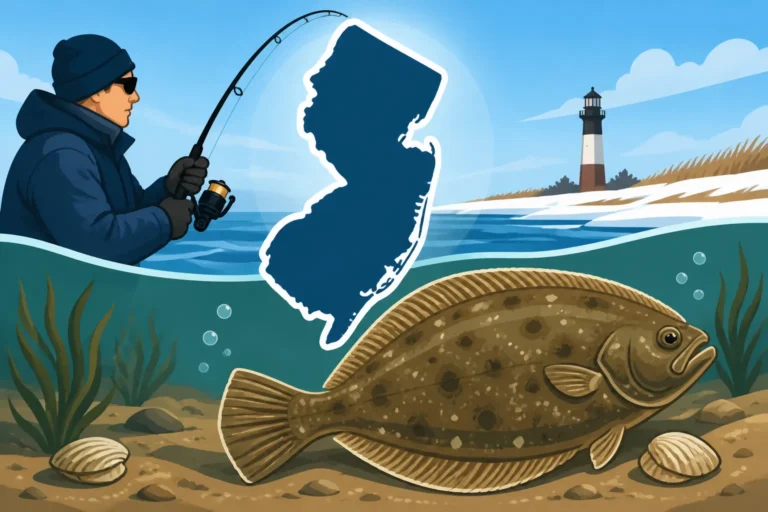
- Fluke Rig (High-Low or Teaser Rig): This is a staple for catching summer flounder (fluke). It typically consists of a main line with two droppers (short lines with hooks) spaced apart, and a sinker at the bottom. You can buy pre-tied fluke rigs, which I highly recommend for beginners. Bait the hooks with strips of squid, spearing, or the incredibly effective Gulp! shrimp or minnow imitations. Use a 1/2 to 2-ounce lead sinker, depending on the current. Drift fishing is a popular and effective method for fluke; letting your boat or kayak drift slowly across flats or channels allows your rig to cover ground and present your bait naturally.
- Simple Bottom Rig (for Croakers, Kingfish, Small Bluefish): For general bottom fishing off a pier or in a calm bay, a basic two-hook bottom rig (again, often sold pre-tied) with a 1 to 3-ounce pyramid or bank sinker on the bottom is perfect. Bait the hooks with clam snouts, pieces of squid, or bloodworms. Cast it out and let it sit on the bottom. Fish like croakers, kingfish, and even small striped bass will readily bite this setup.
- Key Tip: Pay attention to the tides! Many saltwater species, especially fluke, feed actively during moving tides (either incoming or outgoing). Check local tide charts before you go. Popular piers like the Belmar Fishing Pier or those in Point Pleasant are great spots to start. Remember, a New Jersey Saltwater Registry Explained is required for most saltwater fishing, though party boat passengers are typically covered by the vessel's blanket registration.
Surf Fishing (Introductory)
Surf fishing, casting from the beach into the ocean, is a quintessential New Jersey experience. It's exhilarating and can yield impressive catches, particularly striped bass and bluefish. While it's a step up from pond or bay fishing, a beginner can certainly start with a basic setup.
- Recommended Gear: For introductory surf fishing, you'll need a longer, heavier rod. A 9 to 10-foot medium-heavy spinning rod paired with a 4000- to 6000-series spinning reel spooled with 20 to 30-pound braided line (with a heavy fluorocarbon leader, 30-50 lb test) is a good starting point. This setup allows you to cast heavy weights and baits far out into the surf and handle the powerful fish that patrol the beaches.
- Rigging for Success:
- Fish Finder Rig: This is a popular and effective rig for surf fishing, especially for striped bass. It allows a fish to take the bait without feeling the full weight of the sinker, making for a more natural presentation. It consists of a barrel swivel tied to your main line, with a short leader (18-36 inches, 30-50 lb fluorocarbon) ending in a strong 5/0 to 7/0 circle hook. Above the barrel swivel, slide a fish-finder slide onto your main line, and attach a pyramid sinker (2 to 5 ounces, depending on the current and waves) to the slide. Bait with a whole bunker head, a chunk of fresh bunker, or a large clam.
- Basic Hi-Lo Surf Rig: Similar to the bay version but beefed up. Two large hooks (3/0 to 5/0 J-hooks or circle hooks) spaced on dropper loops above a heavy pyramid sinker. This is good for baiting with clam or squid for smaller surf species or even schoolie stripers.
- Key Tip: Read the beach. Look for "cuts" or "sloughs" – deeper areas between sandbars where fish can ambush bait. The outflow of inlets can also be productive. Don't be afraid to ask experienced surf anglers for advice; they're often very helpful. For more in-depth techniques, you'll eventually want to dive into resources like New Jersey Surf Fishing Techniques. Long Beach Island or Island Beach State Park are iconic surf fishing destinations, but many public beaches offer great access.
Dressing for Success and Safety on the Water
Fishing in New Jersey isn't just about the rod and reel; it's also about being prepared for the elements and staying safe. Our weather can be notoriously fickle, and comfort levels directly impact your enjoyment and focus. Being properly dressed and having essential safety gear will make your experience much more pleasant and secure.
Clothing and Footwear
The right clothing can make or break a fishing trip, especially with New Jersey's diverse climates. The key is layering and protection.
- Layering for Comfort: Even on a warm day, mornings can be chilly, and evenings can cool down quickly. Dressing in layers allows you to adjust to changing temperatures. Start with a moisture-wicking base layer (not cotton, which retains moisture), add an insulating mid-layer (like a fleece), and top it off with an outer shell. This approach is vital for spring and fall fishing, particularly for trout in our colder streams or during the spring and fall striped bass runs.
- Waterproof Outerwear: This is non-negotiable, especially for saltwater fishing or if there's any chance of rain. A good quality waterproof and windproof jacket and pants (often called "rain gear" or "foul weather gear") will keep you dry and comfortable. Nothing saps enjoyment faster than being cold and wet. Even on a boat on a sunny day, sea spray can drench you quickly.
- Comfortable and Sturdy Footwear:
- For freshwater bank fishing, waterproof hiking boots are often ideal, offering good ankle support and traction on uneven terrain. If you're wading in streams, a good pair of waders (chest waders or hip waders) can extend your fishing season and open up more access points.
- For saltwater fishing from piers, docks, or boats, non-slip, closed-toe shoes are essential. Sandals might seem appealing on a hot day, but hooks, slippery surfaces, and sharp objects are common hazards. Consider deck shoes or fishing boots that offer good grip and can handle getting wet.
- When surf fishing, waterproof boots or waders are a must to stay dry and warm, especially if you plan to wade out into the waves.
- Sun Protection: The sun's reflection off the water can be intense, even on cloudy days.
- Wide-brimmed Hat: Protects your face, ears, and neck from sunburn.
- Polarized Sunglasses: These are not just for style; they significantly reduce glare off the water, allowing you to see submerged structure and even fish, which can be a huge advantage. They also protect your eyes from stray hooks.
- Sunscreen: Apply generously and reapply regularly, even on your hands. Look for broad-spectrum, water-resistant formulas.
- Neck Gaiter/Buff: Provides extra sun protection for your neck and face.
Personal Safety Gear
Beyond comfort, your personal safety should always be a top priority. Fishing is generally a safe activity, but being prepared for unexpected situations is key.
- Personal Flotation Devices (PFDs): If you're fishing from a kayak, canoe, or small boat in New Jersey, wearing a PFD (life jacket) is not just a good idea, it's often legally required. Even if it's not mandated, wear it. Accidents can happen quickly, and a PFD is your best insurance. Modern PFDs are lightweight and comfortable, often inflatable.
- First Aid Kit: Beyond the small one in your tackle box, if you're venturing further afield, a more comprehensive first aid kit for cuts, scrapes, insect bites, and minor emergencies is wise. Know how to use it!
- Insect Repellent: Especially during warmer months in freshwater areas and marshy saltwater spots, mosquitoes, ticks, and biting flies can be a nuisance. DEET-based repellents are often the most effective.
- Communication Device: Always carry a fully charged cell phone. Even if you don't get service everywhere, it's essential for emergencies. Consider a waterproof case.
- Whistle: For attracting attention in an emergency, especially on the water. Many PFDs come with one.
- Knife: A good sharp knife is useful for many tasks, from cutting bait to preparing your catch. Ensure it's stored safely.
Remember, New Jersey's weather can shift quickly. A sunny morning can turn into a squall in the afternoon. Always check the forecast before heading out, and be prepared for changes. Being properly dressed and equipped with safety gear allows you to focus on the fishing, which is what we're all here for!
Where to Find Your First Fishing Gear and How to Care for It
Once you've got a clear idea of the gear you need, the next step is actually acquiring it. And then, once you have it, taking good care of it will ensure it lasts for many seasons of enjoyment. There are several great avenues for purchasing fishing gear, each with its own advantages, and a few simple maintenance steps can significantly extend the life of your equipment.
Buying Your Gear: From Big Box to Local Shops
For a beginner, the sheer volume of products can be overwhelming, but thankfully, there are accessible options for every budget and preference in New Jersey.
- Online Retailers (like Amazon): For sheer convenience and competitive pricing, online giants like Amazon are hard to beat. You can browse countless brands, read reviews, and often find great deals on beginner rod and reel combos. If you know exactly what you're looking for (e.g., a "6'6" medium action spinning combo"), Amazon can deliver it right to your door. Just be mindful that you don't get hands-on advice or the ability to feel the rod before buying. This is a good option if you’re confident in your research or sticking to well-known, entry-level brands.
- Big Box Sporting Goods Stores (e.g., Dick's Sporting Goods, Bass Pro Shops): These stores offer a fantastic selection and the advantage of being able to physically handle rods and reels. You can feel the weight, test the action of a rod, and get a better sense of what feels comfortable in your hands. While staff expertise can vary, you can often find decent advice, and they typically have a wide range of beginner-friendly combos and tackle box essentials. Many also have dedicated sections for local New Jersey fishing, which can be helpful.
- Local Tackle Shops: This is often the best recommendation for beginners, hands down. New Jersey is dotted with fantastic local tackle shops, particularly along the coast and near popular lakes. The staff at these shops are usually seasoned local anglers who live and breathe fishing. They can offer invaluable, hyper-local advice on:
- Specific Gear Recommendations: What exact rod and reel combo works best for the local lake or bay you plan to fish.
- Current Hot Baits/Lures: What the fish are biting right now.
- Regulations and Licenses: They can often sell you your New Jersey Fishing License Guide for 2026 directly and provide up-to-date information on Where and How to Buy a New Jersey Fishing License. They might even remind you about the New Jersey Trout Stamp Requirements Explained if you're hitting trout waters.
- Local Fishing Spots: Where a beginner can have the best chance of success.
The prices might be slightly higher than Amazon for some items, but the personalized knowledge and support you get are priceless. Consider it an investment in your learning and enjoyment.
- Used Gear: For the truly budget-conscious, sometimes you can find decent used gear at flea markets, yard sales, or online classifieds. Just be sure to inspect everything thoroughly for damage like cracked guides, bent reel components, or corrosion, especially if it's saltwater gear.
No matter where you buy, consider starting with a pre-assembled "fishing combo" – a rod and reel packaged together. These are usually well-matched in terms of power and action, and they often come pre-spooled with line, taking some of the guesswork out of the initial setup.
Basic Gear Maintenance Tips
Taking a few minutes to care for your gear after each trip will dramatically extend its lifespan and prevent frustrating malfunctions when you're on the water.
- Rinse Saltwater Gear: This is absolutely paramount for anyone fishing in New Jersey's bays or ocean. Saltwater is highly corrosive. After every saltwater trip, lightly rinse your rod, reel, and tackle box with fresh water from a hose (do NOT blast water directly into the reel's gears). A quick spray and wipe down is usually sufficient. Let it air dry completely before storing.
- Wipe Down Freshwater Gear: While freshwater isn't as corrosive as saltwater, it can still carry dirt and grime. Give your rod and reel a quick wipe with a damp cloth to remove any debris.
- Inspect Line and Knots: Before and after each trip, run your fingers along your fishing line, especially the last few feet. Feel for any nicks, abrasions, or rough spots. These are weak points that can lead to break-offs. If you find any, cut back the damaged section and re-tie your leader or lure. Always check your knots for tightness and integrity.
- Clean and Lubricate Reels (Occasionally): Once or twice a season, or if your reel starts to feel sluggish, you might want to lightly clean and re-lubricate it. Use specialized reel grease and oil, not WD-40 or household lubricants. For beginners, a simple wipe-down and external oiling of the handle knob is usually sufficient; more intricate cleaning can be done by a professional if needed.
- Store Rods Properly: Don't just toss your rod in a corner! Store rods upright in a rod rack or horizontally on wall mounts to prevent warping or damage to the delicate rod tip. Keep them out of direct sunlight for prolonged periods, as UV rays can degrade the blanks.
- Organize Your Tackle Box: A messy tackle box leads to wasted time and rusty hooks. Keep your hooks, sinkers, and lures organized in separate compartments. Store soft plastic baits in their original bags to prevent them from melting or reacting with other plastics.
- Change Line Annually: Even if it looks fine, fishing line degrades over time from UV exposure, wear, and tear. It's good practice to re-spool your reel with fresh line at least once a season, especially if you fish frequently.
By following these simple care tips, your initial investment in fishing gear will serve you well for many seasons to come, allowing you to focus on the joy of fishing rather than battling equipment failures.
Setting Up Your First Rod and Reel: A Step-by-Step Walkthrough
Okay, you've got your beautiful new rod and reel, a fresh spool of line, and a small assortment of tackle. Now comes the moment of truth: putting it all together. Don't worry, it's not as daunting as it might seem. We'll walk through the process step-by-step, from spooling your line to tying your first basic rig. This foundational knowledge will empower you to be self-sufficient on the water.
Spooling Your Line Correctly
This is often where beginners make their first mistake, leading to frustrating line twists and tangles. Doing it right the first time will save you a lot of headaches.
- Mount Your Reel on the Rod: First, securely attach your spinning reel to the reel seat on your rod. Most reel seats have a threaded collar that tightens down to hold the reel foot in place.
- Thread the Line Through the Guides: Take the end of your new fishing line and feed it through all the rod guides, starting from the guide closest to the reel and going up to the very tip-top guide.
- Tie to the Spool: Now, tie the line to the spool of your spinning reel. A simple Arbor knot works well here. Alternatively, a basic overhand knot around the spool, followed by another overhand knot around the main line, is usually sufficient. Cinch it down tightly, but not so tight it digs into the spool. Trim the tag end.
- Position the Spool of New Line: This is critical. Place the spool of new line (the one you just bought) on the floor, label side up. The key is to make sure the line comes off the spool in the same direction it will go onto your reel's spool. For most spinning reels, this means the label of the new line spool should face up, allowing the line to unspool counter-clockwise. If it twists, flip the spool over.
- Start Reeling: Close the bail of your spinning reel. Hold the line with a bit of tension between your thumb and forefinger a few inches above the reel. Start cranking the reel handle at a moderate, consistent pace. Watch how the line lays on the reel spool. It should be evenly distributed.
- Check for Line Twist: After a minute or so of reeling, stop and drop your rod tip down. If the line hangs straight down without coiling or twisting excessively, you're doing it right. If it coils or spins, you need to flip the original line spool over (the one on the floor) and continue spooling.
- Fill the Spool: Continue reeling until the line is about 1/8 inch (3-4 mm) from the edge of your reel's spool. Do not overfill, as this will lead to tangles and "wind knots." Do not underfill, as this will reduce your casting distance.
- Cut and Go: Once spooled correctly, cut the line from the bulk spool. You're ready for knots!
Tying Basic Knots
Learning just a couple of reliable fishing knots will cover 90% of your needs as a beginner. Practice these at home, perhaps while watching TV, until they become second nature.
- Improved Clinch Knot: This is an excellent all-around knot for tying your fishing line directly to a hook, swivel, or lure. It's strong and relatively easy to learn.
- Pass the line through the eye of the hook.
- Wrap the tag end around the main line 5-7 times.
- Bring the tag end back through the first loop created next to the hook eye.
- Then, bring the tag end through the larger loop you just created.
- Moisten the knot with saliva (this helps it cinch down properly without friction burn).
- Pull the main line and the hook in opposite directions to tighten.
- Trim the tag end very close to the knot.
- Palomar Knot: Many experienced anglers consider this one of the strongest and most reliable knots for tying monofilament or fluorocarbon to hooks, swivels, or lures, especially with braided line.
- Double about 6 inches of line and pass the loop through the eye of the hook.
- Tie a simple overhand knot with the doubled line, making sure the hook hangs loosely from the bottom of the loop.
- Pass the hook completely through the loop you just created.
- Moisten the knot.
- Pull both ends of the main line and the hook to tighten, making sure the loop doesn't catch on the hook eye.
- Trim the tag end.
- Surgeon's Loop or Dropper Loop: These are useful for creating a loop in your line to attach a hook or for making a simple leader. The dropper loop is particularly handy for making a high-low rig. While a bit more advanced, a quick search online for a video tutorial will make it clear.
Practice, practice, practice! The stronger your knots, the less likely you are to lose that trophy fish.
Rigging for Your First Fish
Now that your line is on and you know a couple of knots, let's put together a couple of simple, effective rigs for your first New Jersey fishing adventures.
-
The Simple Bobber Rig (for Panfish/Trout in Freshwater): This is ideal for beginners and kids, offering visual excitement when the bobber dips!
- Slide a small clip-on bobber onto your main line, positioning it about 18-36 inches up from the end of your line. The depth depends on how deep you want your bait to sit.
- Tie a #6 or #8 J-hook directly to the end of your line using an Improved Clinch or Palomar knot.
- Attach one or two small split shot weights about 6-12 inches above the hook. This will help your bait sink and keep it from drifting too far from the bobber.
- Bait: Thread a piece of nightcrawler, a wax worm, or a small kernel of corn onto the hook.
- How to fish: Cast near structure (lily pads, fallen trees) and watch the bobber. When it dips or disappears, set the hook with a gentle upward motion of your rod!
This is perfect for New Jersey State Park Ponds Stocked With Trout or small ponds with plenty of sunfish.
-
Basic Bottom Rig (for Fluke/Catfish/Bait Fishing): This rig gets your bait to the bottom where many species feed.
- Slide an egg sinker (1/4 to 1 ounce, depending on current) onto your main line.
- Tie a barrel swivel to the end of your main line using a Palomar or Improved Clinch knot. The egg sinker should now be able to slide freely on the line above the swivel.
- Tie a 12-24 inch piece of fluorocarbon leader (same pound test as your main line or slightly heavier) to the other end of the barrel swivel.
- Tie a #1 or 1/0 J-hook (for freshwater) or a 1/0 to 2/0 circle hook (for saltwater) to the end of your leader.
- Bait: For freshwater, a whole nightcrawler or chicken liver for catfish. For saltwater, a strip of squid, clam, or a Gulp! bait.
- How to fish: Cast out, let the sinker hit the bottom, and then reel in just enough slack so you can feel bites. The sliding sinker allows fish to pick up the bait without immediately feeling resistance.
With these setups mastered, you’re not just ready to fish, you’re ready to catch fish in a variety of New Jersey's fantastic environments!
Expanding Your Horizons: Next Steps for New Jersey Anglers
Once you've gotten comfortable with your basic setup and landed a few fish, you'll likely feel that familiar tug of curiosity and ambition to try new things. New Jersey offers an incredible array of fishing opportunities, and the journey from beginner to experienced angler is a rewarding one. Here's how you can continue to grow your skills and gear collection.
Diving Deeper into Species-Specific Gear
Your beginner combo is an excellent generalist, but as you spend more time on the water, you'll naturally gravitate towards certain types of fishing or target particular species. This is when you start to consider more specialized gear.
- Trout Fishing Gear: If you find yourself drawn to the beautiful coldwater streams and lakes of North Jersey, like the Pequest River or Round Valley Reservoir, you'll want to refine your trout gear. This might mean getting a more sensitive, lighter action rod (perhaps 5-6 foot ultra-light), smaller reels (1000 series), and finer lines (2-4 lb test). You might also explore specific trout lures like tiny spinners, spoons, or even dabble in fly fishing if that piques your interest. Remember that for many of our trout waters, you'll also need a New Jersey Trout Stamp Requirements Explained in addition to your regular license.
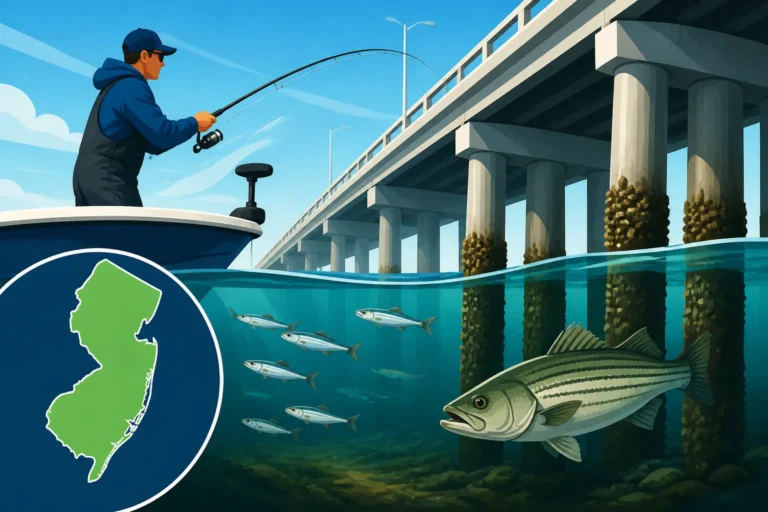
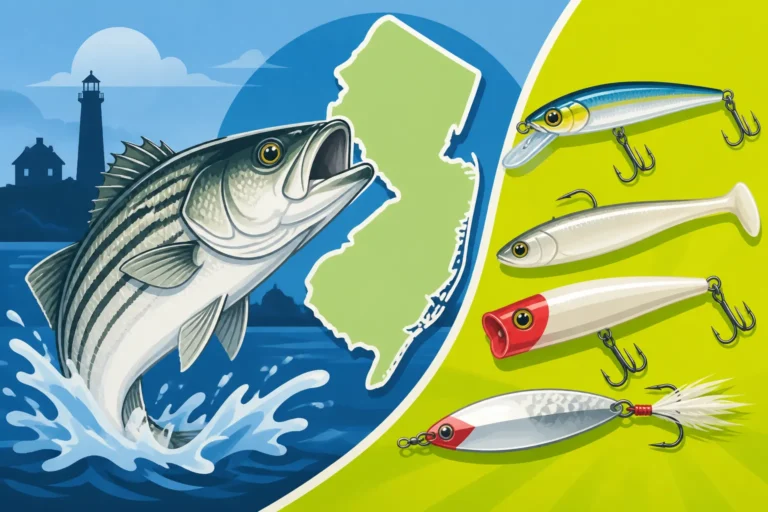
- Striped Bass Specifics: Once you've had a taste of catching smaller saltwater fish, the lure of New Jersey's iconic striped bass is powerful. These hard-fighting fish require more robust gear. You'd be looking at medium-heavy to heavy power rods (7-9 feet for boat/pier, 9-11+ feet for surf), larger reels (4000-8000 series), and heavier braided line (30-50 lb test). Lures like larger bucktails, topwater plugs, and swim shads become part of your arsenal. Learning the intricacies of Striped Bass Fishing in New Jersey can become a lifelong pursuit!
- Fluke & Bottom Fishing: If drifting for fluke in Barnegat Bay or bouncing jigs over reefs for black sea bass becomes your passion, you'll start looking at specialized fluke rods (often longer and more sensitive for jigging), dedicated bucktail jigging setups, and even boat-specific electronics to find the fish.
- Bass Tournament Angling: For those who get hooked on largemouth and smallmouth bass, you'll eventually explore baitcasting setups, a wider variety of specialized bass lures (frogs, jigs, chatterbaits, deep-diving crankbaits), and even consider kayak or boat fishing.
The beauty of this progression is that you don't have to buy everything at once. Each new piece of gear will be a conscious decision based on your evolving interests and the specific fishing challenges you want to tackle. It's a journey of continuous learning and adaptation, often influenced by the amazing diversity of fish you can find in New Jersey's waters.
Understanding Regulations and Planning Your Trips
Beyond the gear, becoming a truly competent angler in New Jersey involves understanding the rules and knowing how to plan your outings effectively. This often means more reading and research, but it's essential for responsible and successful fishing.
- Know Your Regulations: This cannot be stressed enough. New Jersey has specific rules for freshwater and saltwater fishing, covering everything from size limits and bag limits to season dates and tackle restrictions. Always consult the official New Jersey Fish and Wildlife Digest. You can usually pick up a physical copy at bait shops or view it online. Understanding New Jersey Freshwater Fishing Regulations Every Angler Should Know and How Bag and Size Limits Work in New Jersey is critical to avoid fines and ensure sustainable fishing practices. For example, did you know that certain areas might have special regulations for trout during specific times of the year, or that striped bass have a specific slot limit?
- Research Fishing Spots: New Jersey is full of incredible places to fish, from the Delaware River to the Great Egg Harbor Bay. As you gain experience, you'll want to explore new horizons. Resources like Best Places to Fish in New Jersey can give you a great overview, but don't hesitate to do deeper dives into specific locations. Learn about the types of fish present, common depths, and best access points. Local knowledge is invaluable here, so don't be shy about asking questions at bait shops.
- Check Weather and Tides: Always, always check the weather forecast before heading out. High winds, heavy rain, or thunderstorms can quickly turn a fun trip into a dangerous one. For saltwater fishing, understanding tide charts is paramount. Fish activity often correlates directly with moving water. A good tide chart will tell you when high and low tides occur and how strong the current will be.
- Learn About Fish Behavior: The more you understand how different fish species behave – what they eat, where they live, when they spawn, how they react to weather changes – the better angler you will become. This knowledge, combined with the right gear, is what truly leads to consistent success.
Embarking on your fishing journey in New Jersey is an exciting adventure. Start simple, learn as you go, and don't be afraid to experiment. The state's waters are rich with opportunity, and with the right gear and knowledge, you'll be creating lasting memories in no time.
Disclaimer
Please note that fishing regulations, including licensing requirements, bag and size limits, and season dates, are subject to change. Always consult the most current New Jersey Fish and Wildlife Digest or visit the official New Jersey Department of Environmental Protection (NJDEP) website for the latest and most accurate information before you go fishing. This guide is for informational purposes only and should not be considered a substitute for official regulations.