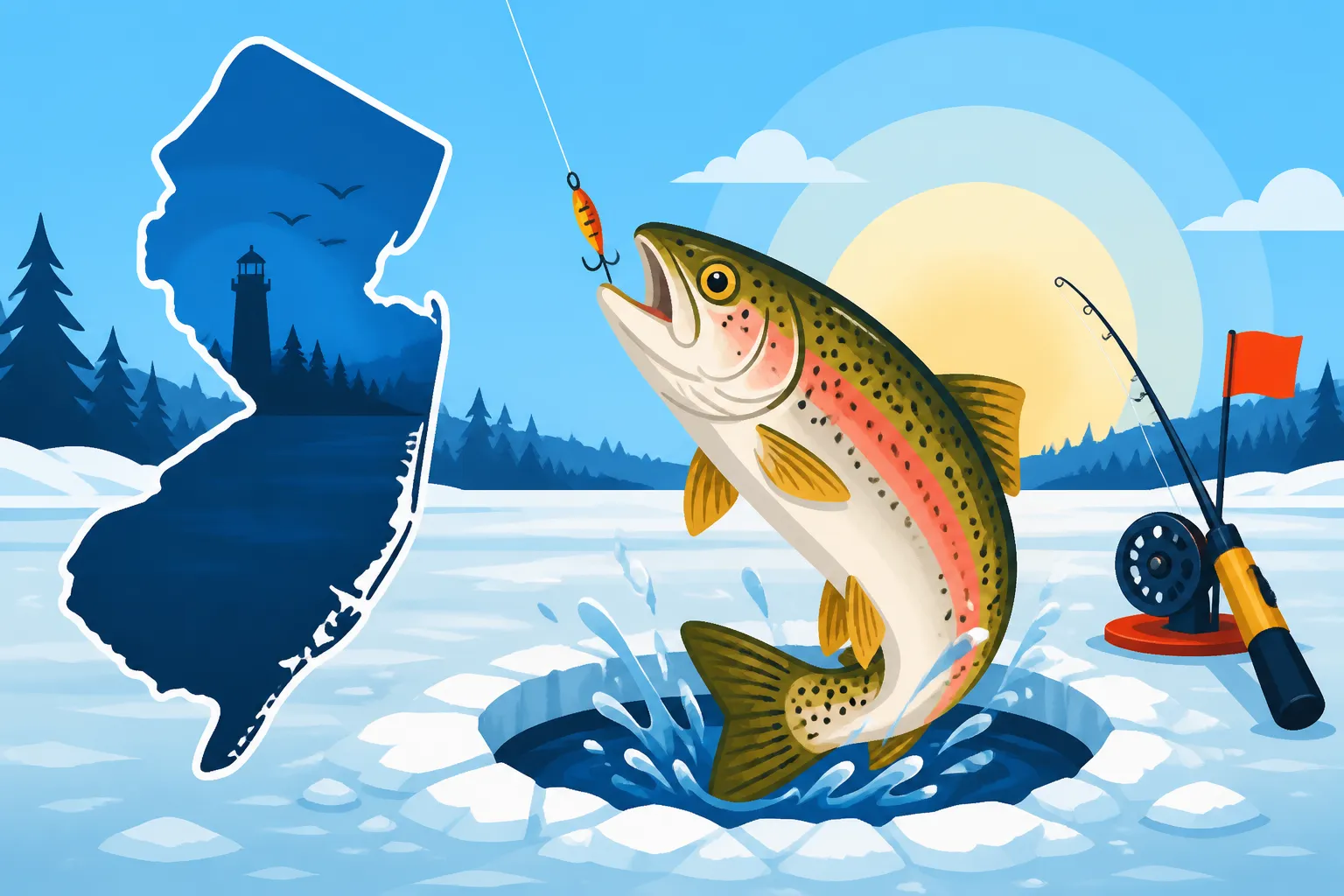
How to Ice Fish for Trout in New Jersey
The thought of chasing trout through a hole in the ice might seem daunting, perhaps even a little crazy, especially when the New Jersey winter really digs its claws in. Many anglers feel a mix of excitement and apprehension about venturing onto frozen lakes and ponds, wondering if the effort is truly worth it for a chance at those elusive, beautiful trout. But trust me, with the right knowledge, gear, and a healthy respect for safety, ice fishing for trout in New Jersey can be an incredibly rewarding and peaceful winter pursuit. This comprehensive guide will walk you through everything you need to know to get started, from finding the best spots to mastering the techniques and staying safe on the ice.
Understanding New Jersey's Ice Fishing Landscape for Trout
New Jersey might be known for its stunning coastline and bustling cities, but when winter arrives, its freshwater lakes and ponds transform into fantastic ice fishing destinations, particularly for trout. It's a different world out there, silent and serene, and understanding where to go and what rules apply is your first step to a successful trip.
Identifying Prime Trout Ice Fishing Waters in New Jersey
Not all frozen bodies of water are created equal for trout. New Jersey's Division of Fish and Wildlife actively stocks numerous lakes and ponds with rainbow, brown, and brook trout, making many of these the prime targets for ice anglers. These are typically smaller, more accessible impoundments, often located in state parks or wildlife management areas, which are easier to monitor for ice safety and offer more predictable fishing. Places like Lake Hopatcong, though larger, can hold trout in certain deeper sections, but often the smaller, dedicated trout lakes like Lake Aeroflex, Shepherd Lake, or even some of the ponds within Mercer County Park offer more consistent action. It’s about knowing where the fish were stocked and where they overwinter. Many of these waters are part of the state's New Jersey's Best Trophy Trout Lakes program, designed to hold larger fish and provide anglers with a shot at a real winter lunker.
Navigating Regulations for Ice-Fished Trout
Just like any other type of fishing, ice fishing for trout in New Jersey comes with its own set of rules and regulations. It’s absolutely crucial to familiarize yourself with these before you head out, as they can differ slightly from open water regulations. For instance, while you might expect to need a general fishing license, remember that if you're targeting trout, a New Jersey Trout Stamp Requirements Explained is also mandatory for anyone aged 12 and older, even on private waters unless specifically exempted. These regulations dictate things like daily bag limits, size restrictions, and even specific methods of fishing, such as the number of lines you can legally set. Typically, you're allowed two lines while ice fishing, but it’s always best to consult the latest New Jersey Fish and Wildlife Digest for any specific lake closures or unique rules. Ignoring these can lead to hefty fines, so staying informed is just as important as having the right bait. Always have your New Jersey Freshwater Fishing Regulations Every Angler Should Know at your fingertips.
Stocked Trout Lakes vs. Wild Trout Opportunities
New Jersey offers both stocked and, in rarer instances, wild trout opportunities under the ice. For most ice anglers, especially those just starting, stocked trout lakes are the bread and butter. These are the waters that the state actively replenishes, meaning there’s a higher density of fish, and they’re often more willing to bite as they adjust to their new environment. These fish are generally in predictable areas, often near submerged structure or drop-offs, making them easier to locate. Wild trout, on the other hand, are a different beast. They inhabit specific, often pristine, cold-water streams and rivers. While some of these rivers can freeze over, the ice is rarely safe or stable enough for fishing, and targeting wild trout through the ice is generally not a common practice or even possible in many areas due to flow. Stick to the designated stocked lakes where you’ll find plenty of action and a safer environment. You'll often find specific information about New Jersey Trout Season Dates and Closures which apply to ice fishing as well.
Essential Gear for New Jersey Trout Ice Fishing
Stepping onto the ice requires specialized equipment to not only make your trip successful but also comfortable and, most importantly, safe. Trying to repurpose your summer gear for ice fishing is a recipe for frustration and cold fingers.
Specialized Rods, Reels, and Line
Forget those long, flexible rods you use for casting; ice fishing for trout calls for something different. You’ll want short, ultralight rods, typically 24 to 36 inches in length, with a sensitive tip to detect those subtle trout bites. The shorter length is ideal for working in tight quarters over a small hole. Paired with these are small spinning reels, often in the 500-1000 size range, spooled with light monofilament or fluorocarbon line, usually 2 to 6-pound test. The low stretch of fluorocarbon is excellent for feeling light bites, and its invisibility underwater is a huge advantage when targeting wary trout. Braided line can also be used, but you’ll want a fluorocarbon leader. You can find excellent starter combos on sites like Amazon, which often bundle a rod and reel together, saving you the guesswork.
Augers and Ice Safety Equipment
This is where safety truly comes into play. You simply cannot go ice fishing without a reliable way to cut through the ice, and that means an auger. Manual augers are great for thinner ice (under 10 inches) and for those who enjoy the workout, while gas, propane, or electric augers make quick work of thicker ice, saving energy for fishing. Always consider the potential thickness of the ice – it’s not uncommon for New Jersey lakes to have over a foot of ice in the coldest parts of winter, so a manual auger can be a real struggle.
Beyond the auger, essential safety gear includes:
- Ice Picks: Worn around your neck, these are your lifeline if you fall through. They allow you to pull yourself back onto the ice.
- Spud Bar: A heavy chisel-like tool used to test ice thickness as you walk. It’s an old-school but incredibly effective way to gauge safety, especially on How Thick Should Ice Be Before You Fish on It?
- Throw Rope: A floating rope with a handle, used to rescue someone who has fallen through.
- Life Vest/PFD: Not just for boats! Wearing a flotation device while on the ice can provide critical minutes of buoyancy if you go in.
Never skimp on safety gear; it’s an investment in your well-being. Knowing the basics of New Jersey Ice Fishing Safety Basics is non-negotiable for a safe outing.
Shelter, Heaters, and Cold-Weather Apparel
Staying warm and comfortable is key to enjoying your time on the ice. A good ice fishing shelter, whether a pop-up tent or a more robust shanty, provides a windbreak and can be heated, turning a frigid day into a cozy experience. Portable propane heaters are common, but always ensure proper ventilation to prevent carbon monoxide buildup.
For clothing, layering is paramount. Start with moisture-wicking base layers, add insulating mid-layers like fleece or down, and top it off with waterproof and windproof outer layers. A good pair of insulated, waterproof boots, warm gloves or mittens (often two pairs – one for fishing, one for backup), and a warm hat are non-negotiable. Chemical hand and foot warmers can also be a game-changer on those truly bitter days. Think about what you'd wear for serious winter sports; What to Wear Ice Fishing isn't much different. Staying warm allows you to focus on the fish, not the shivers.
Mastering the Techniques for Ice Trout
Once you have your gear and you're safely on the ice, it’s time to trick those trout into biting. Ice fishing requires a different approach than open-water angling, focusing on precision, subtle movements, and understanding what the fish are doing beneath your feet.
Drilling and Locating Fish Zones
The first step in any successful ice fishing trip is finding the fish. Trout, especially in smaller, stocked lakes, often relate to structure such as submerged humps, weed lines, drop-offs, or points. They might also congregate in deeper pockets of water where temperatures are more stable. Don't be afraid to drill multiple holes, moving until you find an active zone. A good strategy is to start by drilling a series of holes in a line from shallower water towards deeper areas to effectively scout different depths. Keep an eye out for other anglers; they often give away productive areas. However, be respectful of their space and don't crowd them. Consider drilling a few holes near known weed beds as well, as these provide cover and attract baitfish, which trout will follow.
Effective Baits and Lures for Hardwater Trout
Trout under the ice can be finicky, but a few go-to baits and lures consistently produce. For live bait, small shiners, fathead minnows, mealworms, and waxworms are incredibly effective. A small piece of corn or powerbait (often brightly colored) can also be irresistible to stocked trout. The key is presenting these baits on small, light jigs or plain hooks to allow for natural movement.
When it comes to artificials, tiny jigging spoons (like the Swedish Pimple or Kastmaster) in silver, gold, or brass are popular. Tip them with a small piece of bait for added attraction. Micro-jigs, often used for panfish, can also be deadly for trout, especially when tipped with a waxworm or a small soft plastic. These often come in bright colors like chartreuse, orange, or pink, which stand out in the dim light under the ice. You can find a huge variety of these specialized baits and lures on Amazon, making it easy to experiment with different options. Don't overlook the effectiveness of a simple small hook and a split shot rig with a live minnow – sometimes less is more.
Jigging and Presentation Strategies
The way you present your bait or lure can make all the difference. For trout, often subtle movements are best. Instead of aggressive jigging, try a gentle lift-and-drop, pausing frequently to let the bait settle. Many bites occur on the fall or when the lure is suspended motionless. Watch your line closely; sometimes a trout bite is nothing more than a slight twitch or a momentary slackening of the line.
Tip-ups are another excellent tool, especially when permitted to use multiple lines. These devices allow you to cover a wider area. You set them up with a baited hook suspended at a specific depth, and when a fish bites, a flag springs up, signaling a strike. This allows you to set one or two tip-ups with live bait while actively jigging another hole. When setting up tip-ups, remember to spread them out to avoid tangles and cover different depths or structural elements. Consider placing some near the bottom and others suspended mid-column, as trout can cruise at various depths throughout the day. Read more about How to Set Up Tip-Ups for Ice Fishing to maximize your spread.
Safety First: Ice Fishing Precautions in New Jersey
No amount of fish is worth risking your life. Ice fishing inherently carries risks, and being prepared and vigilant is the only way to ensure a safe and enjoyable outing. The cold can be unforgiving, and ice conditions can change rapidly.
Assessing Ice Thickness and Stability
The cardinal rule of ice fishing is: NO ICE IS 100% SAFE. Always check ice thickness regularly with a spud bar or an auger as you move across the ice. The general rule of thumb for safe ice is at least 4 inches for individual foot travel, 5-7 inches for snowmobiles/ATVs, and 8-12 inches for cars or small trucks (though driving on ice is rarely recommended or permitted in NJ). However, these are just guidelines; variations in current, springs, pressure cracks, and proximity to inlets or outlets can create unsafe patches, even on an otherwise thick lake.
When you arrive at a lake, look for visible signs of previous use – old holes, footprints – but don't blindly follow them. Always test the ice yourself. Pay attention to the color of the ice: clear or blue ice is generally the strongest, while white or opaque ice (often from refrozen slush or snow) is weaker. Dark ice can indicate thinness or areas over deep water. Never assume; always verify. Learning How Cold Does It Need to Be to Ice Fish in New Jersey? can also give you an idea of expected ice conditions, but actual measurements are always superior.
What to Do in Case of an Emergency
Even with the best precautions, accidents can happen. Knowing what to do if you or someone else falls through the ice is critical. If you fall in, remain calm. Don't panic. Turn towards the direction you came from (that's typically where the ice was strongest). Extend your arms onto the solid ice, and use your ice picks to get a grip. Kick your feet and try to propel yourself onto the ice on your stomach, like a seal. Once out, roll away from the hole to distribute your weight. Get to shore immediately and seek warmth.
If someone else falls in, DO NOT RUN TO THEM. Stay low, spread your weight, and extend a rope, branch, or anything that can reach them. If you have a throw rope, deploy it. If you need to venture closer, crawl on your stomach. Call for help immediately if you have cell service (911). Being prepared with safety equipment like ice picks and a throw rope isn't just a recommendation; it's a necessity that could save a life.
Dressing for Success and Hypothermia Prevention
The cold is not your friend when ice fishing, and hypothermia is a serious risk. As mentioned earlier, dressing in layers is crucial. Avoid cotton next to your skin, as it absorbs moisture and loses its insulating properties when wet. Opt for wool or synthetic base layers. Your outer layer should be waterproof and windproof. Many dedicated ice fishing suits offer flotation built-in, adding another layer of safety.
Recognize the signs of hypothermia: shivering, confusion, slurred speech, clumsiness, and drowsiness. If you or a fishing buddy show these signs, get them warm immediately, remove any wet clothing, and get them out of the elements. Hot drinks and high-energy snacks can help, but severe cases require medical attention. Regular breaks in a heated shelter, even for just 15-20 minutes every hour or so, can make a huge difference in maintaining core body temperature and overall comfort.
Seasonal Considerations and Best Practices
Trout behavior, and therefore your approach to ice fishing, can vary significantly depending on the stage of the winter season. Adapting your tactics to early, mid, and late ice periods can greatly increase your success.
Early Ice vs. Mid-Winter vs. Late Ice Strategies
Early Ice: This is often considered prime time. As the first safe ice forms (usually 4-6 inches), trout are often still quite active and can be found in shallower areas, near weed edges or drop-offs, remembering their feeding patterns from fall. They might be more aggressive, making for some fast action. This is a good time for more active jigging.
Mid-Winter: As the ice thickens and snow accumulates, light penetration decreases, and water temperatures stabilize at their coldest. Trout often move to deeper, more stable water, becoming less active and sometimes harder to coax into biting. Slower presentations, smaller baits, and more subtle jigging motions are usually required. This is when patience pays off, and using electronics can be a game-changer.
Late Ice: As spring approaches and the ice begins to show signs of melting, light increases, and water temperatures slowly start to rise, especially near inlets or shorelines. Trout can become more active again, often moving shallower to feed before the ice breaks up entirely. This period can offer some of the best fishing, but also presents the most dangerous ice conditions, so extreme caution is advised. Always be wary of rapidly deteriorating ice.
Understanding Trout Behavior Under Ice
Trout are cold-blooded creatures, and their metabolism slows significantly in frigid winter water. This means they are less active and consume less food than in warmer months. They tend to hold tight to structure, conserving energy, and may only move short distances to feed. Their bites can be incredibly subtle, often just a slight tap or a momentary weight on the line, emphasizing the need for sensitive rods and focused attention. They are also highly sensitive to changes in light and pressure, which is why bright sunny days can sometimes be tougher than overcast ones, and why finding them in deeper, darker water is often key in mid-winter. Learning about things like Trout Survival Through Summer in New Jersey Lakes can also give you insight into how these fish adapt to extreme temperature changes year-round.
Catch and Release vs. Keeping Your Catch
New Jersey's trout regulations allow for keeping a certain number of trout per day, provided they meet size requirements. However, many anglers, especially those targeting larger or wilder trout, practice catch and release to preserve the fishery. If you do plan to keep trout for dinner, ensure you have an insulated cooler to keep them fresh. When releasing trout, handle them as little as possible, use wet hands to protect their slime coat, and revive them gently in the water if they seem sluggish before letting them go. Always be mindful of the stress cold water fishing can put on fish, and aim for a quick, clean release to maximize their survival chances. For specific limits, consult the current New Jersey Fish and Wildlife Digest.
Beyond the Basics: Advanced Tips for Trophy Trout
Once you've got the fundamentals down, there are always ways to refine your approach and increase your chances of landing that truly memorable trout, especially in New Jersey's trophy waters.
Using Electronics for Ice Trout
For serious ice anglers, especially when targeting larger, less active trout, electronics are invaluable. A portable fish finder (flasher or LCD screen) can show you exactly what’s happening beneath your hole – ice thickness, water depth, bottom structure, baitfish, and most importantly, trout. It allows you to see your lure in real-time and observe how fish react to your presentation. You can tell if a fish is approaching, ignoring, or striking your bait, allowing you to adjust your jigging cadence or lure choice instantly. This eliminates much of the guesswork and is a tremendous advantage in mid-winter when fish are lethargic. You can find excellent portable fish finders, some with built-in GPS mapping, on sites like Amazon, making it easier to scout new spots and mark productive holes.
Targeting Different Trout Species
New Jersey stocks primarily rainbow trout, but brown trout and brook trout are also present. Each species can have slightly different habits under the ice. Rainbow trout are often the most aggressive and roam more, making them good targets for active jigging and tip-ups with minnows. Brown trout tend to be more solitary and prefer lurking near deeper structure or submerged cover. They can be more cautious, requiring subtler presentations. Brook trout, being smaller and often found in colder, more oxygenated waters, might respond well to tiny jigs and natural baits. Understanding these subtle differences can help you tailor your approach to the species you’re hoping to encounter. For instance, if you're fishing one of the state's New Jersey Trout Stamp Requirement for Stocked Lakes you might find a higher concentration of larger, more aggressive brown trout that require a slightly different approach than the average stockie.
| Gear Category | Recommended Item | Key Feature for Trout Ice Fishing | Why It Matters |
|---|---|---|---|
| Rod & Reel | Ultralight Ice Combo (24-36 inch rod, 500-1000 reel) | Sensitive tip, compact size | Detects light bites, easy to handle in small spaces |
| Line | 2-6 lb Fluorocarbon or Monofilament | Low stretch, virtually invisible underwater | Better bite detection, less spooking of wary trout |
| Auger | 6-8 inch Electric or Propane Auger | Fast, efficient drilling, less physical exertion | Cuts through thick ice quickly, saves energy for fishing |
| Safety | Ice Picks, Spud Bar, Throw Rope, PFD | Personal rescue, ice testing, emergency aid | ESSENTIAL for personal safety and assisting others in distress |
| Shelter | Portable Pop-up Ice Shanty | Windbreak, warmth, privacy | Enhances comfort and extends fishing time in harsh conditions |
| Heater | Portable Propane Heater (with CO detector) | Provides warmth inside shelter | Keeps fingers warm, prevents hypothermia |
| Baits | Live minnows, Waxworms, Mealworms, Powerbait | Natural scent and movement, enticing to stocked trout | Often irresistible to lethargic winter trout |
| Lures | Small Jigging Spoons, Micro-Jigs (1/16 – 1/8 oz) | Flash, vibration, small profile | Mimics baitfish or insects, effective for triggering strikes |
| Electronics | Portable Fish Finder (Flasher/LCD) | Real-time display of fish and lure, depth/structure info | Pinpoints fish, shows reaction to lure, identifies productive depths |
| Apparel | Layered Winter Clothing, Insulated Boots, Warm Hat | Moisture-wicking, insulating, waterproof, windproof | Prevents hypothermia, ensures comfort for long hours outdoors |
Disclaimer
Fishing, particularly ice fishing, carries inherent risks. The information provided in this guide is for informational purposes only and should not be considered a substitute for personal judgment, local regulations, or professional guidance. Always prioritize safety, check current ice conditions, wear appropriate safety gear, and familiarize yourself with all New Jersey fishing laws and regulations before venturing onto the ice. Conditions can change rapidly, and personal responsibility is paramount.