How to Fish for Winter Flounder in New Jersey
Fishing for winter flounder in New Jersey can feel like a quest for a hidden treasure these days, with so many anglers finding their once-plentiful spots quiet. It’s a real frustration to head out, hopeful for a good catch of these delicious bottom-dwellers, only to come up short or struggle to find a single keeper. This comprehensive guide is here to help you navigate the nuances of winter flounder fishing in our New Jersey waters, giving you the best chance to locate and successfully land these elusive fish, all while practicing responsible angling.
Understanding Winter Flounder and Their Habits in New Jersey
Before you even think about dropping a line, it's crucial to understand the fish you're after. Winter flounder, often overlooked in favor of their summer cousins (fluke), are a distinct species with specific needs and behaviors, especially in the colder months that give them their name.
A Vanishing Act: Why Winter Flounder Are So Challenging Now
Let's be real, the winter flounder population isn't what it used to be. Many of us remember a time when catching a limit was a regular occurrence, with these buttery flatfish eager to bite. Today, it’s a much tougher game. Over the past few decades, factors like habitat loss, environmental changes, and historical overfishing have taken a toll, leading to a significant decline in their numbers. This decline isn't just frustrating for anglers; it's a stark reminder of the delicate balance of our marine ecosystems. It means that every fish we catch, and especially every fish we release, holds a greater significance for the species' future. You'll find that current regulations, which we'll discuss later, reflect this conservation need, making it even more important to be informed and careful. If you want to dive deeper into the challenges facing this species, you might find the article Current State of Winter Flounder Fishing in New Jersey insightful.
Where to Find Winter Flounder in New Jersey Waters
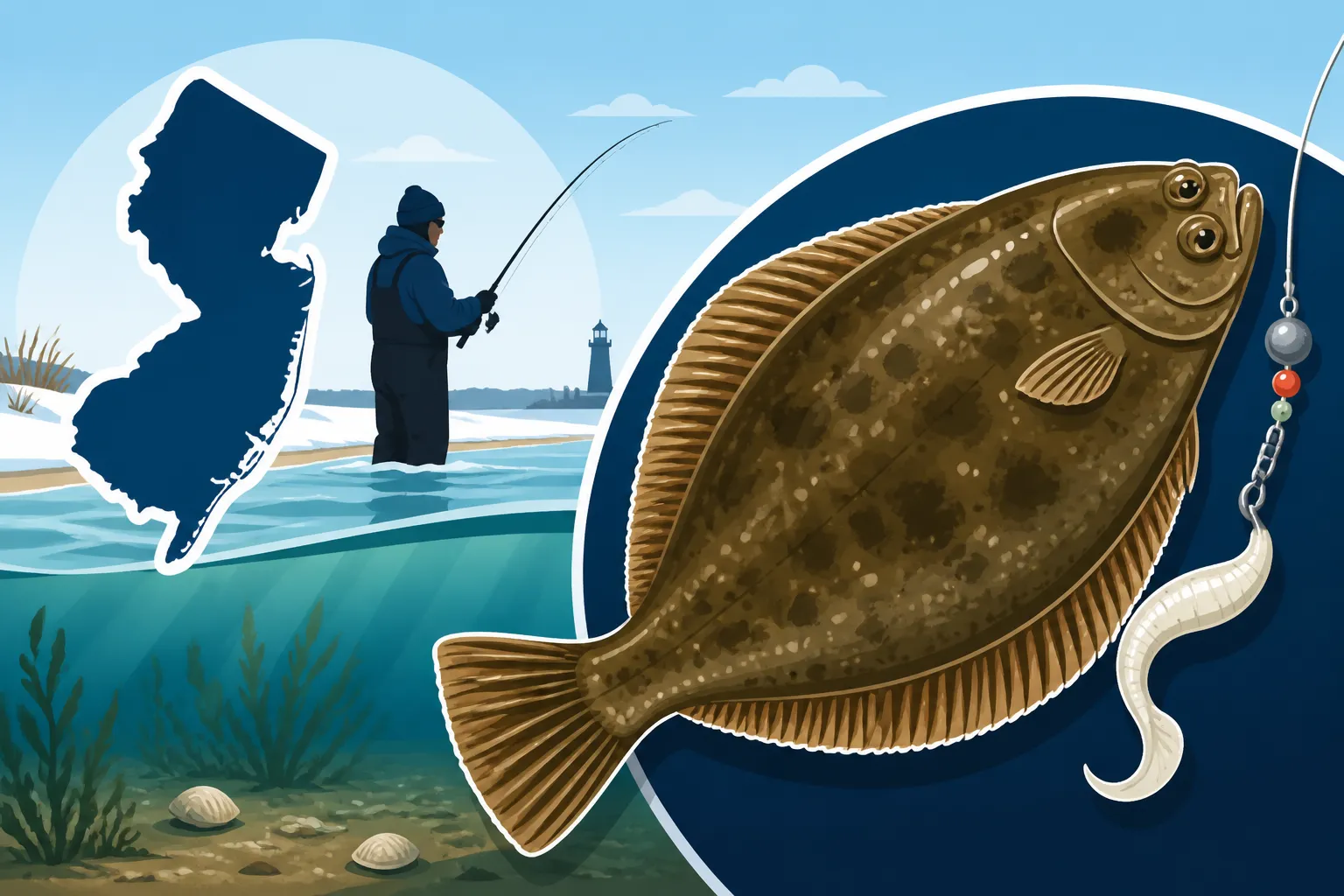
Despite their reduced numbers, winter flounder are still out there, and they have preferred hangouts. These flatfish are masters of camouflage, burying themselves in soft, muddy, or sandy bottoms. During the colder months, they tend to congregate in deeper channels, estuaries, and the protected back bays where water temperatures are more stable. Think areas with good current, but also access to shallower, sun-warmed flats they can move onto when conditions are right.
Key areas to target include the deeper sections of Barnegat Bay, especially around channels and bridge pilings, as well as the numerous back bay systems along the southern Jersey Shore, like Great Bay, Little Egg Harbor, and the Mullica River estuary. The Delaware Bay also holds winter flounder, though the fishing approach can vary slightly there, which is why it's worth understanding the nuances, perhaps by reading up on Delaware Bay Fluke Rules vs the Rest of New Jersey. Look for areas with a mix of mud and sand, structure like old bridge abutments, or even slight depressions in the bay floor. These spots offer both shelter and ambush points for their preferred food.
Essential Gear and Bait for New Jersey Winter Flounder
Having the right tackle and bait is paramount when targeting winter flounder. They aren't usually aggressive predators, so presentation, sensitivity, and the right offering make all the difference.
Rods, Reels, and Line: Keeping it Light and Sensitive
When it comes to winter flounder, finesse is key. You're not casting heavy lures or fighting monstrous fish, so heavy gear will only hinder your ability to detect their subtle bites.
- Rods: Opt for a light to medium-light spinning rod, typically in the 6 to 7-foot range. A rod with a fast or moderate-fast action will give you the sensitivity to feel those delicate taps but still provide enough backbone to set the hook. Graphite rods are often preferred for their lightweight feel and superior sensitivity.
- Reels: Pair your rod with a small spinning reel, something in the 2000 to 3000 size. This size is perfectly balanced for light lines and offers a smooth drag system, which is important even for smaller fish.
- Line: This is where sensitivity truly comes into play. I highly recommend using 6 to 10-pound test braided line. Braid has virtually no stretch, transmitting even the slightest nibble straight to your fingertips. If you prefer monofilament, stick to a 6-pound test for its stealth and somewhat reduced stretch compared to heavier mono. A fluorocarbon leader of 15-20 pounds, about 2-3 feet long, should be tied to the end of your main line for abrasion resistance and invisibility in the water. You can find a wide selection of these lighter rods, reels, and lines on platforms like Amazon, often at competitive prices.
The Right Rig for the Job: High-Low and Spreader Rigs
Flounder rigs are designed to keep your bait near the bottom, right where these flatfish feed. The most common and effective rigs are the high-low rig and the spreader rig.
- High-Low Rig: This classic setup consists of a sinker at the very bottom, followed by two snelled hooks tied above it, usually 6 to 12 inches apart. The sinker keeps your bait down, while the hooks suspend the bait just off the bottom or allow it to gently drift with the current. Use a bank sinker or a pyramid sinker, typically in the 1 to 3-ounce range, depending on the current and depth. For hooks, opt for #6 or #4 Chestertown, Kahle, or Baitholder hooks. The smaller size is crucial for flounder, which have relatively small mouths.
- Spreader Rig: A spreader rig uses a metal or plastic arm that extends horizontally, keeping your two baited hooks separated. A sinker is attached to the center of the spreader. This rig can be very effective in presenting your bait over a wider area, mimicking foraging baitfish. Again, small hooks are key. Both rig types benefit from adding a small, brightly colored bead or a tiny spinner blade just above the hook to add a bit of attraction.
Bait Choices That Winter Flounder Can't Resist
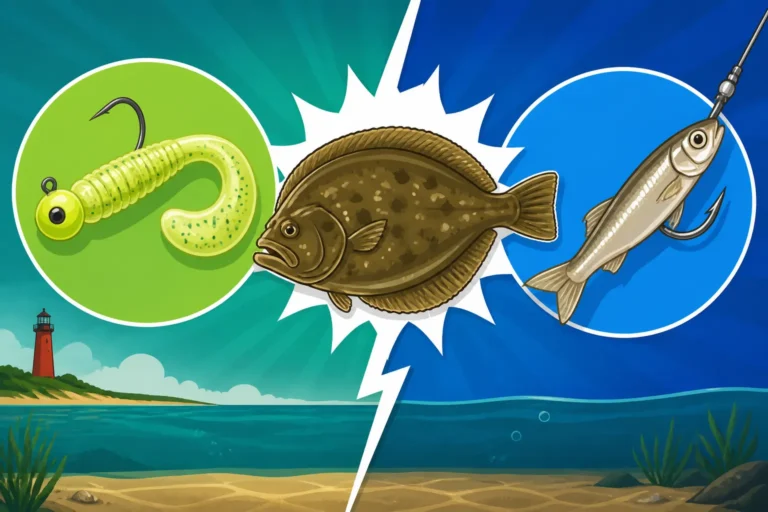
Ask any seasoned New Jersey flounder angler, and they'll likely tell you one bait reigns supreme for winter flounder: bloodworms.
- Bloodworms: These segmented marine worms are the absolute gold standard for winter flounder. Their natural scent trail in the water is irresistible to flounder, and their wriggling action is a potent attractant. They can be a bit pricey and delicate to handle, but they are worth every penny when flounder are on the menu. Thread them carefully onto your hook, ensuring a good portion dangles to entice a bite.
- Clams: Small pieces of fresh clam, especially the tough "tongue" or neck, can be a decent alternative or supplement to bloodworms. They also release a strong scent. Make sure the pieces are small enough for a flounder to inhale.
- Sandworms: Similar to bloodworms, sandworms are also very effective, offering good scent and action. They tend to be a bit tougher than bloodworms, making them easier to keep on the hook.
- Artificial Baits: While natural baits are generally preferred, scented artificial baits like Gulp! Alive! sandworms or small grub tails can sometimes work, especially if tipped with a small piece of real bait for added scent. These are convenient and durable, and you can often find them on Amazon if your local tackle shop is out. No matter what bait you choose, keep it fresh, and don't be afraid to experiment a little on a slow day. For a broader look at bait options, check out our guide on Best Bait for Fluke Fishing.
Proven Techniques for Catching Winter Flounder
Catching winter flounder often comes down to precise presentation and understanding the subtle cues from your tackle. It's less about power and more about patience and feel.
Mastering the Drift: Slow and Steady Wins the Race
Winter flounder are not typically chasing down their prey; they're ambush predators, waiting for food to come to them. This is why mastering the drift is so crucial, whether you're fishing from a boat or shore.
- Boat Fishing: If you're in a boat, a slow, controlled drift is ideal. You want your rig to move along the bottom at roughly the speed of the current. Too fast, and your bait will lift off the bottom and flounder won't see it; too slow, and your line might snag, or you'll miss covering enough ground. Use a sea anchor (also known as a drift sock) to slow your boat's drift if the current is too strong. Position your boat strategically to drift over known channels, mud flats, or depressions.
- Shore Fishing: From shore or a pier, you're relying on the natural current to move your bait. Cast your rig out, allow it to sink, and then slowly retrieve, or let the current sweep it along. Sometimes, simply leaving your rod in a holder while watching the tip for bites can be effective, particularly in areas like the Navesink River Fishing Guide spots or other tidal estuaries.
- The "Bounce": The key is to keep your sinker occasionally tapping the bottom without dragging excessively. Periodically lift your rod tip a foot or two and then let it drop, allowing the sinker to momentarily bounce and stir up a puff of mud or sand, which can attract curious flounder.
Chumming for Flounder: Attracting Them to Your Spot
Chumming is an incredibly effective tactic for drawing in winter flounder and getting them into a feeding mood. It creates a scent trail that can pull fish from a wider area directly to your bait.
- Why Chum Works: Flounder have an excellent sense of smell. A consistent, subtle stream of ground bait drifting down current acts like a dinner bell, signaling to nearby flounder that there's an easy meal to be had. It can turn a slow bite into a hot one by concentrating fish in your immediate vicinity.
- Types of Chum: The best chum for winter flounder is typically ground clam, mussels, or even finely crushed crabs. You can buy pre-made frozen chum logs from tackle shops, or make your own by grinding up fresh clams or mussels. Some anglers even use inexpensive canned cat food (fish-based, of course) in a chum pot, as it breaks down slowly and releases a scent.
- Deployment: The most common method is to use a chum pot or a mesh bag, weighted down and suspended near the bottom from your boat. For shore anglers, a weighted mesh bag can be cast out and allowed to sit, or you can slowly toss small handfuls of chum into the current upstream from your fishing spot. The goal is a steady, subtle release of scent and particles, not a massive dump that can gorge the fish. Consistency is more important than quantity.
Reading the Conditions: Tides, Temperature, and Time of Day
Like most fish, winter flounder are heavily influenced by environmental factors. Paying attention to these details can dramatically improve your success.
- Tides: Tides are perhaps the most critical factor for flounder fishing in New Jersey's bays and inlets. Often, the hour before and after a slack tide (either high or low) can be particularly productive. During these periods, the current slows, allowing flounder to move more freely and making it easier for them to ambush bait. A gently moving tide can also be excellent, as it helps disperse your chum and move your bait naturally. Understanding How to Read Tide Charts for Better Fishing in New Jersey is a game-changer.
- Water Temperature: As their name suggests, winter flounder prefer cooler water, but they're not fans of extreme cold. They become more active as water temperatures rise slightly, often looking for warmer pockets. On sunny winter days, shallow, dark-bottomed flats can warm up a few degrees, attracting flounder seeking comfort and food.
- Time of Day: Early mornings and late afternoons, especially on bright, sunny days, tend to be productive. The sun can penetrate the water more effectively, warming those shallower areas and potentially spurring a feeding period. However, flounder can bite at any time, so don't be afraid to try different periods. Keep an eye on any New Jersey Fishing Season Dates and Closures to ensure you're fishing legally.
Conservation and Responsible Angling Practices
Given the challenges facing winter flounder, responsible angling isn't just a suggestion—it's a necessity. We all want to see these fish thrive for generations to come, and our actions as anglers play a huge role.
Understanding Current Regulations and Limits
New Jersey fishing regulations are put in place for a reason: to manage fish populations and ensure their sustainability. For winter flounder, these regulations have become increasingly strict over the years dueing to declining stock, reflecting the urgent need for conservation.
It is absolutely crucial to check the latest New Jersey Fish and Wildlife Digest before every season. This document, which you can typically find online or at bait shops, outlines the current size limits, bag limits (how many fish you can keep), and open seasons for winter flounder. Remember that How Bag and Size Limits Work in New Jersey can be complex and change year to year, or even mid-season if conditions warrant. Penalties for fishing without a license or exceeding limits can be severe, so always be informed. Also, don't forget that if you're fishing in saltwater, you'll also need to comply with the New Jersey Saltwater Registry Explained program requirements, even if it's a free registration.
Catch and Release Best Practices
Even if you're within the legal limits, practicing catch and release, particularly for larger breeding-size fish or when you've already got enough for dinner, is a commendable and vital practice for winter flounder. Every fish released properly contributes to the future of the species.
- Minimize Handling: The less you handle a fish, the better its chances of survival. Try to keep the fish in the water as much as possible.
- Wet Hands: If you must handle the fish, always wet your hands first. Dry hands can remove the fish's protective slime coat, making it vulnerable to disease.
- Barbless Hooks: Consider using barbless hooks, or crimping down the barb on your existing hooks. This makes hook removal quicker and less damaging to the fish's mouth.
- Quick Release: Remove the hook gently and quickly. If the fish is deeply hooked, it may be better to cut the line as close to the hook as possible rather than tearing internal organs trying to retrieve it.
- Revive the Fish: If the fish seems sluggish, hold it gently in the water, facing into the current, until it regains its strength and can swim away on its own. Avoid tossing it back carelessly. Following these guidelines, which are expanded upon in general New Jersey catch and release rules, helps ensure that the fish you release have the best possible chance to survive and contribute to the population.
Disclaimer
This article is for general informational purposes only and does not constitute professional advice. Laws, prices and regulations vary by location and change over time. Consult a qualified professional for guidance on your specific situation.