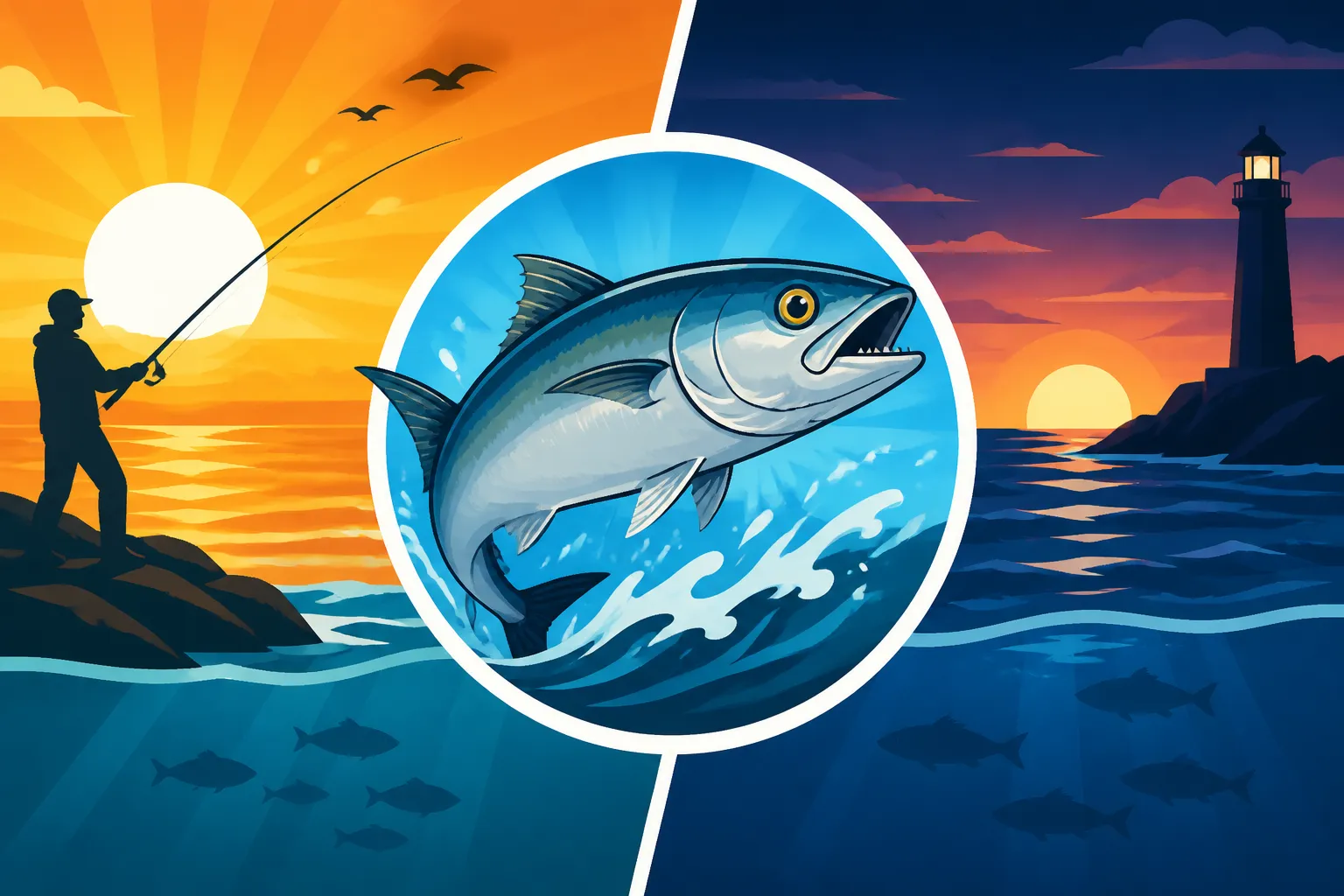
Best Time of Day to Fish for Bluefish
One of the most common frustrations for anglers hitting the New Jersey coast is the endless quest to figure out when the fish are actually biting. You hear tales of epic bluefish blitzes, but showing up at the wrong time can leave you staring at an empty ocean. This guide is here to unravel the mystery of bluefish daily patterns, helping you pinpoint the best times to tangle with these toothy predators along the Jersey Shore.
Understanding Bluefish Behavior and Their Daily Rhythms
Bluefish, those fierce, aggressive torpedoes of the sea, are known for their voracious appetites and powerful runs. Unlike some more finicky species, bluefish are generally opportunistic feeders, but their activity levels fluctuate significantly throughout the day. Understanding their natural rhythms and how they interact with their environment is key to consistently finding them.
Why Bluefish Are So Active at Certain Times
Bluefish are primarily sight hunters, which means light conditions play a massive role in their feeding strategy. They use their keen eyesight to spot baitfish schools, then ambush them with explosive speed. This preference for visual hunting naturally leads to higher activity during periods of lower light or when light creates advantageous conditions for them. They often herd baitfish against structure or into shallow areas, creating chaotic feeding frenzies known as "blitzes." These events are a spectacle to behold and a dream for any angler. Their metabolic rate is also incredibly high, meaning they need to eat a lot, and often.
Bluefish and Their Connection to Baitfish Movement
The daily movement of baitfish—like bunker (menhaden), spearing, mullet, and anchovies—is inextricably linked to bluefish activity. Baitfish often move into shallower, warmer waters to feed and seek refuge during certain parts of the day, or they might school up in deeper channels during strong currents. Bluefish follow these patterns relentlessly. If the bait is present and vulnerable, the bluefish won't be far behind. During the spring and fall migrations, huge schools of bunker can be seen just off the coast, attracting legions of hungry bluefish. Knowing what kind of bait is prevalent in your local area, whether it's Barnegat Bay or Raritan Bay, can give you a significant advantage in predicting bluefish movements.
Prime Times: Dawn and Dusk for Bluefish Blitzes
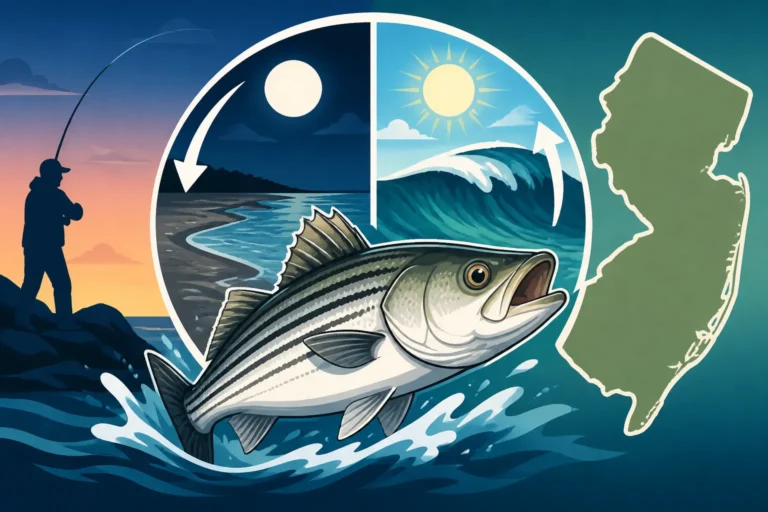
If you ask any seasoned New Jersey angler for their top pick for bluefish, the answers will almost universally point to the transitional periods of dawn and dusk. These are the golden hours when the light conditions are just right to ignite a bluefish feeding frenzy.
The Magic of Sunrise and Sunset
There’s a reason why so many anglers are willing to set their alarm for absurdly early hours or stay out until the last sliver of light disappears. At both sunrise and sunset, the sun's angle creates diffused, low-light conditions. For bluefish, this provides a perfect balance: enough light to see their prey clearly, but not so bright that the baitfish can easily spot the lurking predators. This dim light allows bluefish to launch more effective surprise attacks. The transition also often corresponds with changes in tidal currents, which can further disorient baitfish and concentrate them in specific areas, making them easier targets.
During these times, you're most likely to witness those legendary bluefish blitzes Along the Jersey Shore. Picture this: the water erupts, gulls dive bomb from above, and the surface churns with agitated baitfish fleeing for their lives. This is when you want to have your line in the water, preferably with a topwater plug or a fast-moving metal lure. Popular spots like the jetties at Manasquan Inlet or the surf at Island Beach State Park often come alive with this kind of action. These moments are etched into an angler's memory, offering some of the most exciting fishing experiences you can have.
Techniques and Lures for Low-Light Periods
When fishing for bluefish at dawn or dusk, you want lures that mimic fleeing baitfish and create a lot of commotion to attract their attention in the dim light. Topwater plugs, like poppers or walk-the-dog style lures, are incredibly effective. The splashing and gurgling they create on the surface can trigger aggressive strikes from blues that are already in a feeding mood. Metal jigs, especially those cast far out and retrieved quickly, also work wonders. They imitate a fleeing baitfish perfectly and can cover a lot of water.
Consider using lures with a bit of flash or reflective properties to catch the fading or emerging light. Even though they are sight hunters, a little extra gleam can make your offering stand out in the low-light environment. Carrying a variety of metal lures and topwater plugs from brands like Amazon Basics or KastKing is a smart move, ensuring you have options for different conditions and depths. Always be ready to cast quickly into any disturbance you see, because these blitzes can appear and disappear in an instant!
Midday Fishing for Bluefish: Is It Worth It?
Many anglers pack up their gear once the sun climbs high in the sky, convinced that bluefish activity shuts down. While it's true that the midday sun can sometimes make for tougher fishing, completely writing off these hours would be a mistake. Bluefish are still around, and with the right approach, you can definitely find them.
When Midday Might Be Productive
The idea that midday is always dead for bluefish often comes from observations of surface activity. During bright, sunny periods, baitfish tend to sound deeper, seeking cooler water and a bit more cover from aerial predators. Bluefish will follow them. So, instead of surface blitzes, you might find bluefish holding in deeper channels, around structure like artificial reefs, or in the cooler, deeper sections of bays. A strong tidal current, especially a How to Fish a Rising Tide or How to Fish a Falling Tide that's ripping, can also concentrate baitfish and bluefish even during the brightest part of the day.
Furthermore, overcast days or periods of light rain can extend those prime low-light conditions well into midday. If the sky is gray and the light is diffused, bluefish might continue to feed aggressively closer to the surface than they would on a clear, sunny day. Don't let a little drizzle deter you; it could be the perfect opportunity. These are the days when you might have the water to yourself and find bluefish actively feeding in spots others have abandoned.
Strategies for Finding Bluefish in Bright Sun
Fishing midday for bluefish often means changing your approach. Forget those surface plugs; it’s time to go deep. Vertical jigging with heavier metal jigs is a fantastic technique for targeting bluefish holding deeper in the water column or around bottom structure. You'll want to drop your jig down to the desired depth and work it with sharp, upward jerks, letting it flutter back down. This mimics a wounded baitfish, irresistible to a hungry blue. Trolling with spoons or diving plugs can also be effective, especially if you're covering large areas of a bay or offshore.
Another strategy is to focus on areas with significant current breaks or deeper holes near inlets. Bluefish will often stage in these spots, waiting for baitfish to be swept past them. Look for these "current seams" where fast-moving water meets slower water. Even if you don't see surface activity, a few well-placed casts with a fast-retrieved metal lure or a subsurface plug might surprise you. Don't be afraid to experiment with retrieve speeds; sometimes a blazing fast retrieve is what it takes to trigger a strike when the sun is high.
Night Fishing for Bluefish: A Different Ballgame
While not as widely practiced for bluefish as dawn or dusk, night fishing can be incredibly productive and offers a completely different experience. The rules change when darkness falls, and bluefish adapt their hunting strategies, requiring anglers to adjust theirs as well.
How Bluefish Hunt Under the Cover of Darkness
Under the cloak of night, bluefish's reliance on sight diminishes, and they shift to other senses. They become more attuned to vibrations in the water, lateral line perception, and even smell. This means that lures that create a strong sonic signature or emit scent become more effective. Baitfish, often disoriented by the dark, might congregate around artificial light sources like dock lights or bridge lights, creating prime ambush points for bluefish.
Many anglers find that night fishing produces larger bluefish. These older, more cautious fish might be less inclined to expose themselves to daylight predators or boat traffic, choosing instead to feed under the cover of darkness. The absence of heavy boat traffic and sun glare also makes for a more peaceful, if not eerie, fishing experience. Just remember that safety is paramount when fishing at night, so always inform someone of your plans and bring appropriate lighting.
Effective Night Fishing Techniques
For night fishing, you’ll want to lean into tactics that appeal to a bluefish's non-visual senses. Chunking with fresh bunker or mackerel is a classic and highly effective method. The scent trail from the cut bait attracts bluefish from a distance. Use a fish-finder rig or a simple bottom rig to present your chunk bait near the bottom or in the middle of the water column. You might even consider chumming, though remember How to Chum for Bluefish in New Jersey Waters responsibly.
Artificial lures can still work, but focus on those that displace a lot of water or have a glow-in-the-dark feature. Large, dark-colored subsurface plugs or swimbaits with a strong wobble can create vibrations that bluefish detect. Some anglers swear by glow-in-the-dark bucktail jigs, which can be found easily on Amazon, for attracting attention in the dark depths. Work them slowly, letting the bluefish hone in on the vibration. Target illuminated areas around bridges, piers, or jetties, as baitfish will often stack up there, drawing in the blues. For instance, the fishing pier at Belmar or the jetties along Long Beach Island can be hotspots at night.
Factors That Influence Bluefish Activity Beyond Time of Day
While the time of day is a huge piece of the puzzle, bluefish are complex creatures influenced by a myriad of environmental factors. Truly successful anglers understand that no single rule applies 100% of the time. The more variables you can account for, the better your chances of a banner day.
The Critical Role of Tides and Currents
In saltwater fishing, if you’re not thinking about the tide, you’re missing half the story. Tides and currents are arguably just as important as the time of day for bluefish, especially in inlets, bays, and along the surf. Moving water means moving bait, and bluefish love to position themselves to ambush unsuspecting schools of baitfish being swept along by the current. A strong How to Read Tide Charts for Better Fishing in New Jersey will tell you exactly when the water is moving the most.
Generally, the periods around the peak of a rising or falling tide, often referred to as "moving water," are the most productive. Slack tide—the brief period when the water is still between tide changes—can sometimes be slow, as the baitfish disperse and bluefish don't have the current to help them hunt. Focus your efforts on the two hours leading up to and following the high or low tide, especially if these periods coincide with dawn or dusk. This combination is often magic. For example, a strong outgoing tide through the Point Pleasant Canal during a sunset can lead to an epic bluefish bite.
Weather Conditions and Water Temperature
Believe it or not, weather also plays a significant role. Overcast days, as mentioned before, can extend prime low-light conditions, leading to more consistent surface activity throughout the day. Conversely, bright, cloudless days can push bluefish deeper, requiring a change in tactics. Heavy rain can sometimes slow things down, but often the approaching fronts that bring the rain can spur a feeding frenzy beforehand. Stormy weather, however, is best avoided for safety reasons.
Water temperature is another crucial element. Bluefish are migratory and prefer specific temperature ranges. In New Jersey, you’ll find them in abundance when water temperatures are between the mid-60s and mid-70s Fahrenheit. This New Jersey Bluefish Season Peak Timing typically falls from late spring through early fall. If the water is too cold, they won't be around; too hot, and they might become sluggish or move to deeper, cooler areas. Keeping an eye on water temperature reports can help you determine if bluefish are even in the area and where they might be holding.
The Influence of Baitfish Abundance
At the end of the day, bluefish are where the food is. If there's an abundance of baitfish, bluefish will be there, regardless of whether it's high noon or the dead of night. Sometimes, massive schools of bunker move along the coast, and bluefish will follow them relentlessly, feeding almost continuously. These are the days when you might catch them all day long. Conversely, if bait is scarce, bluefish will be harder to find, and their feeding windows might be much shorter and more sporadic.
Keep an eye out for signs of baitfish: nervous water, diving birds (especially gulls and terns), or even the baitfish themselves flipping on the surface. These are all indicators that bluefish might be lurking below. Sometimes, bluefish will push baitfish right up onto the beaches, creating incredible opportunities for surf anglers. Paying attention to local fishing reports and even social media groups can give you real-time intel on bait concentrations.
Gear and Techniques for Different Times of Day
Adapting your gear and techniques to the time of day and prevailing conditions is what separates a good angler from a great one. You wouldn't use a tiny freshwater trout rod for a bluefish blitz, just as you wouldn't necessarily throw a massive popper in the dark unless you knew what you were doing.
Rods, Reels, and Line for Bluefish
For bluefish, you generally need a robust setup that can handle their aggressive strikes and powerful runs. A medium-heavy to heavy spinning rod, around 7 to 9 feet in length, is ideal for casting lures from shore or boat. Pair this with a durable spinning reel in the 4000 to 6000 size range, capable of holding a good amount of braided line. Braided line, typically 30 to 50 lb test, is preferred for its strength, sensitivity, and casting distance.
| Time of Day | Preferred Gear Type | Line Test (Braided) | Leader Material |
|---|---|---|---|
| Dawn/Dusk | Medium-Heavy Spinning Rod | 30-40 lb | 40-60 lb Mono/Fluoro/Wire |
| 4000-5000 Spinning Reel | (Wire for toothy blues) | ||
| Midday | Heavy Spinning or Conventional Rod | 40-50 lb | 60-80 lb Mono/Fluoro/Wire |
| 5000-6000 Spinning or Conventional Reel | |||
| Night | Medium-Heavy to Heavy Rod | 30-50 lb | 40-80 lb Mono/Fluoro/Wire |
| 4000-6000 Spinning Reel |
Since bluefish have incredibly sharp teeth, a leader is non-negotiable. Many anglers use a short (12-18 inch) section of heavy monofilament (50-80 lb test) or fluorocarbon (which is less visible) tied to a wire leader of about 6-10 inches, especially if you're getting frequently bitten off. Alternatively, a longer, heavier monofilament or fluorocarbon leader (say, 80-100 lb test) can sometimes be sufficient if you’re not exclusively targeting large choppers and prefer to avoid wire. You can find quality leader material at your local tackle shop or through retailers like Amazon.
Lure Selection by Light Condition
Your tackle box should be dynamic, reflecting the time of day you're fishing.
- Dawn and Dusk: These are prime times for topwater lures. Poppers that create a commotion on the surface, or "walk-the-dog" style plugs that zigzag, are deadly. Metal spoons and slender jigs retrieved quickly are also excellent choices, mimicking fleeing baitfish. Think shiny, bright colors or natural baitfish patterns.
- Midday: When the sun is high, bluefish often go deeper. Heavier metal jigs for vertical jigging become essential. Diving plugs or lipless crankbaits that can get down to where the fish are holding are also good. Consider natural colors or darker hues if the water is clear, or brighter colors if the water is murky. Best Lure Color for Bluefish can sometimes be counterintuitive, so experimentation is key.
- Night: As mentioned, focus on lures with strong vibrations or glow properties. Dark-colored plugs (black or dark purple) can create a better silhouette against the moonlit sky, or against artificial light sources. Glow-in-the-dark soft plastics or bucktails can be incredibly effective. Chunk bait is often superior at night.
Don't forget the importance of a good pair of pliers for removing hooks from toothy bluefish, regardless of the time of day. Safety first!
Bait Choices for Consistent Action
While artificial lures are a blast, sometimes bait is the most reliable way to hook into bluefish, especially if they are being finicky or if you're targeting them at night.
- Fresh Bait is Best: Fresh cut bait, like chunks of bunker (menhaden), mackerel, or even fresh mullet, is incredibly effective. The oil and scent trail it releases can attract bluefish from a distance. You can often net your own bunker in the surf or buy it fresh from local bait shops.
- Live Bait for Excitement: If you can get your hands on live baitfish like spot, mullet, or peanut bunker, they are irresistible to bluefish. Live-lining a frisky baitfish, either under a float or free-lined, can lead to explosive strikes. Just make sure to check local regulations on New Jersey Daily Bag Limits by Species and how many hooks you can use at once, such as How Many Fishing Rods Can You Use at Once in New Jersey?.
- Alternative Baits: While not as common for bluefish, some anglers have success with squid or even large surf clams, particularly if bluefish are mixed in with other bottom feeders.
No matter your chosen time of day, remember that staying flexible and observant is key. Bluefish are dynamic, and their patterns can shift. Enjoy the hunt!
Disclaimer
Fishing regulations in New Jersey are subject to change. Always consult the latest New Jersey Fish and Wildlife Digest before heading out to ensure you are compliant with current licensing, bag limits, and size restrictions. This guide is for informational purposes only and does not constitute legal advice.