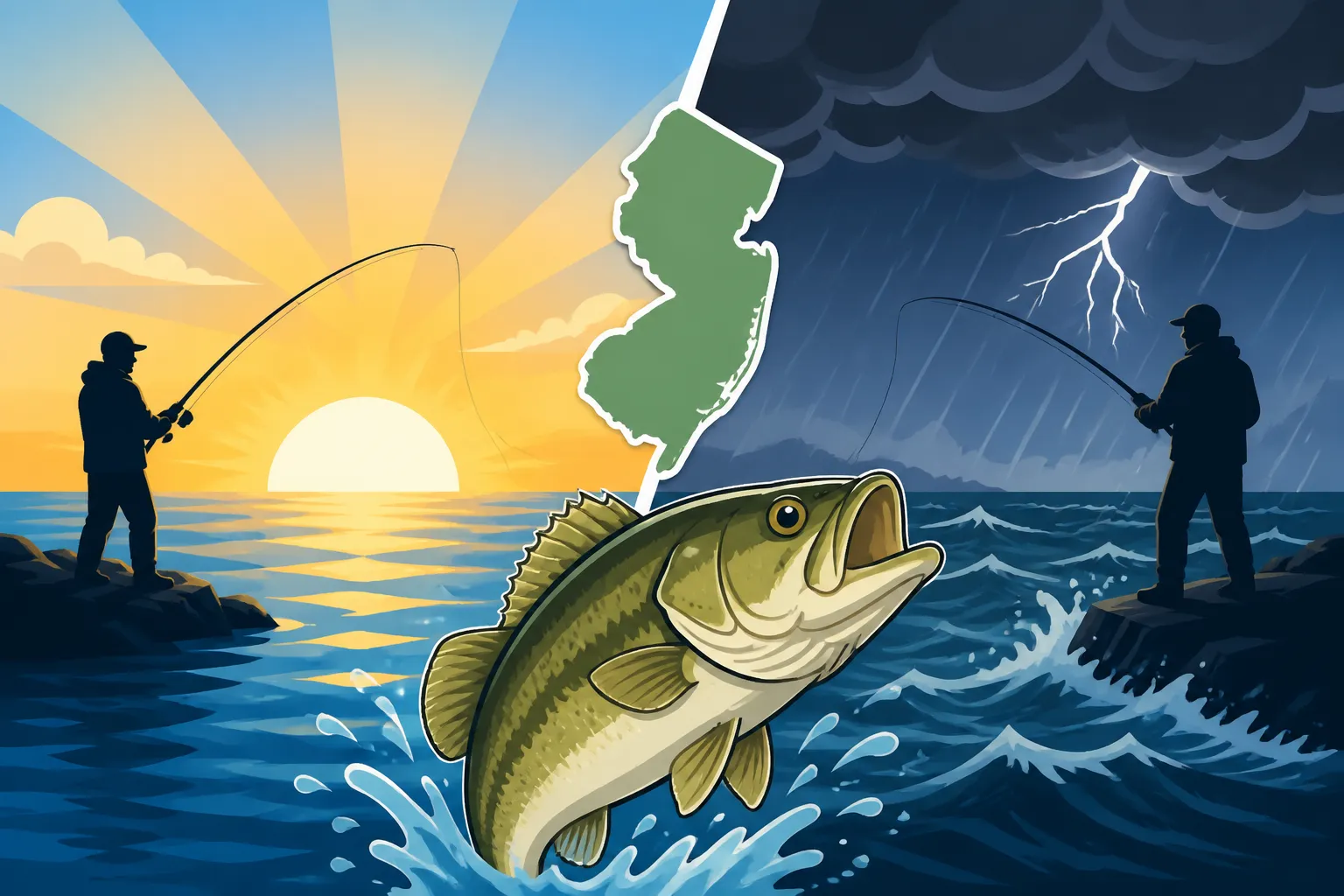
Do Fish Bite Better Before or After a Storm?
Every New Jersey angler has faced that moment: you check the weather, see a storm brewing or just passed, and a crucial question pops into your head – "Should I bother fishing today?" It’s a common dilemma, rooted in the undeniable truth that weather, especially storms, profoundly impacts fish behavior. This comprehensive guide will unravel the mysteries of how fish react before and after a storm, helping you make informed decisions for your next outing, rain or shine.
Understanding Barometric Pressure: The Key to Pre-Storm Bites
One of the biggest factors influencing fish activity before a storm is barometric pressure. This invisible force, the weight of the atmosphere pressing down on everything, including our beloved fishing grounds, has a huge impact on how fish feel and move. It's not just about the rain or wind; it's often about what's happening before the storm even arrives.
The Role of Falling Barometric Pressure
As a storm approaches, the barometric pressure typically begins to fall. Think of it like a subtle signal going off in the underwater world. Fish, especially those in shallower waters or at shallower depths, can sense this change. Their swim bladders, which help them maintain buoyancy, are highly sensitive to pressure fluctuations. A rapid drop in pressure can make them feel uncomfortable, creating a sense of urgency.
This discomfort often triggers a feeding frenzy. Why? Because fish instinctually know that stable, comfortable conditions might be interrupted for a while. They need to fuel up while the "getting is good." This is often why you hear stories of incredible bites just hours or even a full day before a major front rolls through. Largemouth bass in a local pond, striped bass cruising the Raritan Bay, or even fluke in the back bays might become incredibly active, almost frenzied, in their pursuit of prey. They’re getting ready to hunker down. If you notice a steady, significant drop in the barometric pressure on your local forecast, it might be an excellent time to head out. Understanding How Barometric Pressure Affects Fishing can truly elevate your game.
Interpreting Stable vs. Unstable Pressure
It’s not just about falling pressure; the rate of change matters, too. A slow, steady drop might instigate a prolonged feeding period, giving you more time to get on the water and capitalize. However, a rapid, steep decline in pressure might send fish into a more immediate, frantic bite, often followed by them shutting down quickly as the storm fully hits.
Conversely, stable high pressure, which often follows a storm, can also be a productive time, but usually for different reasons. Fish are generally more comfortable and predictable under stable conditions. However, the transition from stable to falling pressure is usually when the most aggressive pre-storm bites occur. Keep an eye on those weather apps, paying less attention to the immediate rain chance and more to the barometric trend. You might also want to consult a How to Read Tide Charts for Better Fishing in New Jersey guide, as tidal changes often coincide with frontal movements, adding another layer to fish behavior.
The Post-Storm Shift: Why Fishing Can Improve or Decline
Once a storm has passed, the environment often undergoes dramatic changes, and fish respond accordingly. This post-storm period can be a feast or famine, depending on the severity of the storm, the type of water you're fishing, and the species you're targeting.
After the Rain: Murky Waters and Displaced Food
Heavy rains inevitably lead to runoff, especially in freshwater systems and estuaries. This influx of freshwater can cause rivers and lakes to swell, and coastal bays to become muddier. While this might seem like a deterrent, it often creates fantastic fishing opportunities. The murky water reduces visibility, making predatory fish feel more secure and less wary. Baitfish, disoriented by the currents and reduced visibility, become easier targets.
Think about a river like the Delaware River after a good downpour. The banks might be overflowing, and the water color a coffee-stained brown. Smallmouth bass, catfish, and even carp can become extremely active, moving into flooded areas to hunt for worms, insects, and other prey washed in from the banks. For saltwater species in bays, dislodged crabs and baitfish become easy pickings. This is where tactics focused on scent and vibration, rather than sight, can really shine. You might want to brush up on How to Fish Muddy Water After Heavy Rain to maximize your chances.
Rising Barometric Pressure and Cooler Temperatures
As the storm moves out, barometric pressure typically begins to rise again. This return to stable or rising pressure usually brings comfort back to the fish, but it doesn't always mean an immediate return to aggressive feeding. If the water temperature has dropped significantly, or if the water is extremely turbid, fish might take some time to settle back into a normal pattern.
Sometimes, after a severe summer storm, the air temperature drops, leading to a cooling effect on the surface water. This can be a boon for species like trout in smaller streams or bass that were struggling in oppressive heat. They might become more active once the water temperature becomes more favorable. However, for other species, like some saltwater fish that prefer warmer temperatures, an abrupt drop might temporarily slow things down until temperatures stabilize.
| Condition | Barometric Pressure Trend | Typical Fish Behavior | Fishing Outlook |
|---|---|---|---|
| Pre-Storm (Falling) | Decreasing | Increased feeding, aggressive, sensing change | Often Excellent |
| During Storm (Low) | Very Low | Seek shelter, less active, can be unpredictable | Generally Poor |
| Post-Storm (Rising/Stable) | Increasing/Stable | Adjusting to conditions, can be active due to runoff/food | Variable, often Good |
| Stable Weather (High) | High & Stable | Consistent patterns, less frantic, predictable | Good |
Other Storm-Related Factors Affecting Fish Behavior
It's not just pressure and turbidity; a whole host of other elements associated with storms can impact your fishing success in New Jersey. Understanding these nuances can help you adapt your approach and improve your catch rate.
Wind Direction and Speed Changes
Wind is a critical factor often overlooked in the storm equation. Before a storm, winds can shift dramatically, pushing baitfish against shorelines or creating chop that breaks up the water's surface. This can concentrate bait and provide cover for predators. During and after a storm, strong winds can make fishing difficult or even dangerous, but also churn up bottom sediment, dislodging food sources for opportunistic feeders.
For surf anglers along the Jersey Shore, understanding wind is paramount. A northeast wind before a storm can stack bait and create excellent conditions for striped bass, while a strong northwest wind after a cold front can sometimes shut things down. Always check the wind forecast along with the precipitation. Certain New Jersey Surf Fishing Techniques rely heavily on understanding wind and wave action. Make sure you're geared up for whatever the wind throws at you; reliable windproof and waterproof layers are easily found on Amazon and are essential for comfort and safety.
Temperature Swings and Water Clarity
Temperature changes, as mentioned, are a big deal. A warm summer rain might slightly warm cooler rivers, making fish more active. A cold fall rain, however, can rapidly drop water temperatures, especially in shallow areas, which might trigger certain species to feed heavily before going into a cold-water funk. Fish are cold-blooded, so their metabolism and activity levels are directly tied to water temperature.
Water clarity, too, is hugely important. While muddy water can be good for some species, extremely clear water after a period of calm post-storm conditions can make fish very skittish, especially if there's bright sunlight. You might need to scale down your tackle, use lighter lines, and present your baits or lures more subtly. Conversely, after heavy rains, the influx of fresh, turbid water can push certain fish like striped bass closer to the surface or into shallower areas, making them more accessible. This is especially true for species like striped bass; knowing the Best Time of Year to Fish for Striped Bass in New Jersey also involves knowing their preferred water temperatures and clarity.
The Impact on Baitfish and Forage
Storms can profoundly impact baitfish and other forage species. High winds and rough seas can disorient schools of bunker, spearing, or anchovies, making them easier prey for larger game fish. Freshwater storms can wash terrestrial insects, worms, and even small rodents into the water, providing a sudden buffet for hungry fish.
This displacement of food is one of the primary reasons fishing can be so good directly after a storm, even if the fish themselves aren't actively seeking out traditional feeding grounds. They're simply taking advantage of an easy meal. Having a variety of lures and baits that imitate these dislodged food sources can be incredibly effective. For instance, a simple worm imitation or a jig that resembles a disoriented baitfish can often yield great results. You can find a huge selection of Best Lures for Striped Bass Fishing and other species on platforms like Amazon, ready for any post-storm scenario.
Safety First: Fishing Around Storms in New Jersey
While chasing that elusive pre- or post-storm bite can be exhilarating, it's absolutely crucial to prioritize safety. New Jersey weather can be unpredictable, and no fish is worth putting yourself or others at risk.
Recognizing Dangerous Conditions
Never underestimate the power of a storm. Heavy lightning is an obvious no-go, especially if you're on the water in a boat or even standing on an exposed jetty or beach. Strong winds can quickly turn calm waters into a dangerous mess, making navigation difficult and increasing the risk of being thrown overboard. Flash floods, particularly in smaller rivers and streams, can be incredibly dangerous, sweeping away anglers and gear.
Always keep a close eye on weather radar and forecasts, not just for precipitation but for wind warnings, marine advisories, and lightning activity. If you hear thunder, it's time to pack up. There's an old saying, "When thunder roars, go indoors!" It might sound simplistic, but it's a vital piece of advice. Knowing New Jersey Fishing Season Dates and Closures can also help you understand peak storm seasons when planning your trips.
Essential Gear for Inclement Weather
If you decide to venture out during unsettled weather, proper gear isn't just about comfort; it's about safety. Waterproof outerwear is non-negotiable. A good quality rain jacket and pants will keep you dry and prevent hypothermia if temperatures drop. Layers are also key, as temperatures can swing wildly before and after a storm.
Beyond clothing, think about your fishing setup. A reliable headlamp is crucial if you're fishing near dawn or dusk when storms often roll through. A fully charged phone in a waterproof case is essential for emergencies. If you're on a boat, ensure all safety equipment is in working order. Even for shore anglers, a sturdy pair of waterproof boots can prevent slips and keep your feet dry and warm. You can find a wide range of durable and affordable What to Wear Ice Fishing or general foul-weather gear on Amazon, ensuring you're prepared for whatever New Jersey's unpredictable weather throws your way. Always carry your Carrying Proof of Your New Jersey Fishing License securely, ideally in a waterproof wallet or pouch.
When to Stay Home
Sometimes, the best fishing decision is to not go at all. If the forecast calls for severe thunderstorms, extremely heavy rain, or dangerous winds, it’s simply not worth the risk. Postpone your trip, plan for a different day, or seek safer, more sheltered fishing spots. Your local Conservation Police are always monitoring conditions and enforcing safety, so it’s always wise to err on the side of caution. New Jersey Conservation Police and License Checks aren't just about regulations; they're also about ensuring angler safety.
Even if the direct storm threat has passed, consider the aftermath. Swollen, fast-moving rivers can be hazardous to wade. Icy conditions after a winter storm, even if the sun is out, can make banks treacherous. Use common sense, listen to weather advisories, and always tell someone where you're going and when you expect to return. There will always be another day to fish, but there might not be another chance if you take unnecessary risks.
Disclaimer
This article is for general informational purposes only and does not constitute professional advice. Laws, prices and regulations vary by location and change over time. Consult a qualified professional for guidance on your specific situation.