How Big Do Black Sea Bass Get?
It’s a question every angler asks when reeling in a feisty fish: "Is this a good one?" When it comes to black sea bass in New Jersey, understanding their typical size and how big they can get can really help manage your expectations and even improve your fishing strategy. This guide is all about helping you understand the black sea bass you're likely to encounter in our local waters and what a true lunker looks like.
Understanding the Typical Black Sea Bass Size in New Jersey
When you're out on the water, whether it's on a party boat out of Point Pleasant or a private charter from Cape May, the black sea bass you bring over the rail often fall into a predictable size range. They might not be monsters, but they're still incredibly fun to catch and certainly make for a delicious dinner. It’s useful to distinguish between the average catch, the legal keepers, and those truly impressive specimens.
Average Sizes for Your Catch
Most of the black sea bass you'll encounter on a typical fishing trip in New Jersey will be in the 10 to 14-inch range. These are your bread-and-butter fish, often schooling up over structure and readily hitting a variety of baits and jigs. They're strong fighters for their size, providing a solid bend in the rod, especially on lighter tackle. Think of them as the standard population, healthy and abundant. If you’re fishing an area that hasn't seen too much pressure or has plenty of natural structure, you might see a higher proportion of fish leaning towards the upper end of this average.
These fish are also the ones that make up the bulk of catches on most commercial and recreational trips. They're robust, grow relatively quickly in their early years, and are a cornerstone of the New Jersey bottom fishing scene. Many anglers specifically target these smaller, plentiful fish for their table fare, especially during peak season when they're biting aggressively.
The Elusive "Trophy" Black Sea Bass
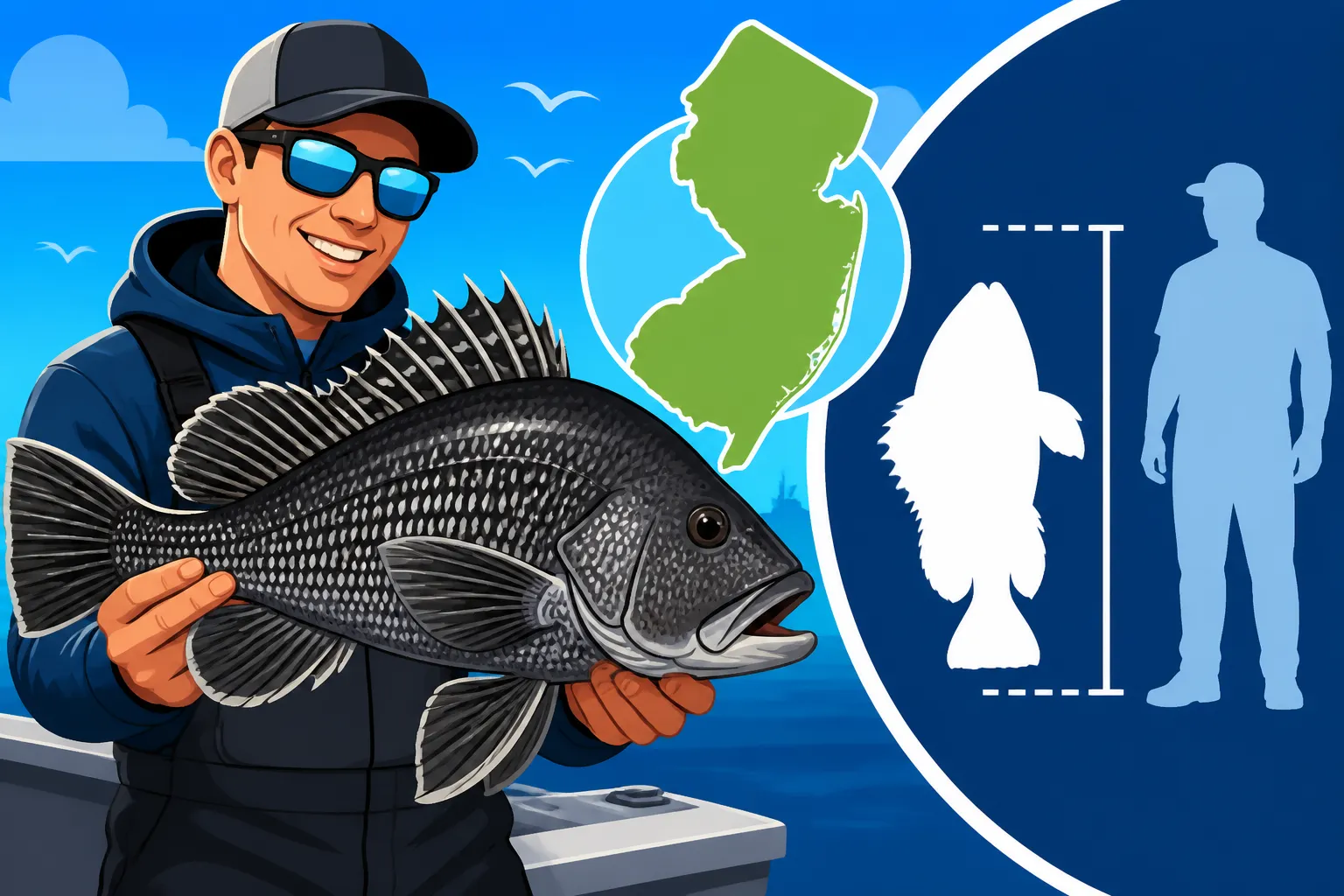
While the average catch is satisfying, every angler dreams of that true trophy. For black sea bass in New Jersey, a "trophy" fish is generally considered anything over 4 or 5 pounds, which typically translates to a length of 18 to 22 inches or more. These are the fish that really test your gear and your angling skill. Landing one often involves fishing deeper wrecks, reefs, or rock piles where larger, older fish tend to reside. They're smarter, warier, and more powerful than their smaller counterparts.
The thrill of hooking a fish of this caliber is unforgettable. They pull hard, often trying to dive back into the structure, and it takes a firm hand and a bit of luck to coax them to the surface. It's not uncommon to hear tales of anglers losing a true behemoth right at the boat, a testament to their fighting prowess. Catching one of these bigger fish often means you've found a special spot or you've perfected your technique. If you're looking for that kind of action, check out How to Fish for Black Sea Bass Near Reefs to hone your skills.
New Jersey State Record and Maximum Potential
While catching a 22-inch sea bass is a fantastic achievement, the New Jersey state record is considerably larger, showcasing the true maximum potential of this species in our waters. The current New Jersey Black Sea Bass State Record stands at an impressive 9 pounds, 1 ounce. This fish was an absolute giant, a testament to the incredible growth potential when conditions are just right.
Globally, black sea bass can reach lengths approaching 2 feet and weights upwards of 10 pounds, though catches of that magnitude are incredibly rare. These are fish that have lived long, healthy lives, likely in areas with abundant food and minimal predation, and have managed to avoid being caught by anglers for many years. It's important to note that a fish of this size isn't something you'll likely reel in every trip, or even every decade! The possibility, however, is what keeps many dedicated anglers coming back to the deep wrecks and reefs year after year.
Factors Influencing Black Sea Bass Growth and Size
Black sea bass don't just magically grow to a certain size; their development is influenced by a complex interplay of environmental factors, food availability, and even their genetic makeup. Understanding these elements can give you a better appreciation for the fish you catch and why some areas seem to produce bigger specimens than others.
Age and Growth Rate
Like most fish, black sea bass grow throughout their lives, but their growth rate isn't linear. They tend to grow relatively quickly in their first few years, reaching legal size (typically around 12.5 inches in New Jersey) within two to four years depending on conditions. After this initial spurt, their growth slows down considerably. A 5-pound black sea bass might be 10 to 15 years old, sometimes even older, making each large fish a true survivor of the ocean's challenges.
Younger fish often school in shallower waters, making them more accessible to anglers, while the older, larger fish tend to seek out deeper, more isolated structures. This is why targeting those deep-water wrecks is key if you're hunting for a trophy. The slower growth rate of older fish also means that strict size limits and seasons are crucial for allowing enough fish to survive and reach these larger sizes, ensuring a sustainable population for future generations.
Habitat and Food Availability
The old adage "you are what you eat" holds true for fish, and black sea bass are no exception. An abundant food supply is paramount for rapid growth. Black sea bass are opportunistic feeders, chowing down on a variety of crustaceans like crabs and shrimp, small fish, and mollusks. Areas with rich biodiversity and plenty of forage tend to produce healthier, larger fish. Prime examples include the numerous artificial reefs and natural rock formations off the New Jersey coast, which act as magnets for both baitfish and the sea bass that prey on them. If you're curious about specific spots, New Jersey Artificial Reef Fishing Guide is a great resource.
The type of habitat also plays a significant role. Black sea bass are demersal, meaning they prefer to live near the bottom, often associating with structure. Wrecks, reefs, rock piles, and even bridge pilings offer protection from predators and ambush points for hunting. The biggest fish often claim the best territories, which are typically the most complex and food-rich structures in deeper water. Fishing these areas effectively means understanding how to present your bait or lure right in their strike zone.
Genetics and Environmental Stressors
While less obvious, genetics certainly play a part in a black sea bass's ultimate size, just as they do in any species. Some fish are simply predisposed to grow larger and faster than others. However, environmental stressors can significantly impact this potential. Factors like water temperature fluctuations, pollution, disease, and even high fishing pressure can stunt growth or lead to higher mortality rates, preventing fish from reaching their maximum size.
Conservation efforts and careful management of fishing seasons and bag limits in New Jersey are designed to mitigate some of these stressors. By protecting certain age classes and ensuring fish have ample time to spawn, we help maintain a healthy genetic pool and allow more fish to survive long enough to become those impressive, larger specimens. This balance is vital for the long-term health of the black sea bass fishery, which is why understanding things like New Jersey Black Sea Bass Season and Limits is so important.
New Jersey Black Sea Bass Regulations and Why They Matter for Size
Understanding the rules and regulations for black sea bass fishing in New Jersey isn't just about avoiding a fine; it's a critical part of sustainable fishing that directly impacts the size and health of the population. These regulations are carefully crafted to ensure that enough fish can mature, reproduce, and grow large enough to be a significant part of the ecosystem and the fishery.
Size Limits and Conservation
New Jersey, like other states, implements minimum size limits for black sea bass. This means any fish caught below a certain length must be immediately released. These minimums are incredibly important because they allow younger fish to reach sexual maturity and spawn at least once, contributing to the next generation of sea bass, before they can be kept. Without such regulations, anglers might overfish juvenile populations, leading to a decline in overall numbers and fewer opportunities to catch larger fish in the future.
The size limits are often adjusted based on scientific assessments of the stock, aiming to strike a balance between recreational opportunity and conservation. When you measure a fish and it's just shy of the limit, it can be frustrating, but remember you're contributing to a healthier fishery by releasing it. You can find precise measurements and rules in the Reading the New Jersey Fish and Wildlife Digest. Always have a measuring device handy, which you can easily find on Amazon, to ensure compliance.
Seasonality and Spawning
Beyond size limits, black sea bass fishing in New Jersey is also governed by specific seasons, meaning there are periods when retention is allowed and periods when it's closed. These seasonal closures often coincide with critical times in the fish's life cycle, particularly their spawning periods. Protecting fish during spawning allows them to reproduce without interruption, directly influencing the number of new fish entering the population.
For instance, during a closed season, even if you catch a legal-sized sea bass, you must release it. This strategic timing ensures that the population can replenish itself, ultimately leading to more fish and, over time, a greater chance for fish to grow to larger sizes. The success of these regulations relies on every angler's commitment to following the rules, whether you're on a personal boat or a chartered trip. Many anglers use heavy-duty tackle, also available on Amazon, to quickly bring fish to the surface when deep dropping, minimizing stress during catch and release.
Targeting Larger Black Sea Bass: Tips and Locations
If you're serious about hooking into a genuinely large black sea bass, you'll need to adjust your strategy and focus on specific areas and techniques. These bigger fish are often found in different environments and respond to different presentations than their smaller counterparts. It's a bit like hunting for a trophy buck; you need to understand their habits and where they hide.
Identifying Productive Areas
The biggest black sea bass typically aren't found in wide-open, featureless areas. They prefer substantial structure – think deep wrecks, expansive rock piles, and intricate artificial reefs. These locations offer shelter, plenty of ambush points for feeding, and generally hold more baitfish. It's not just about depth, but about the quality and complexity of the structure. A simple hump might hold a few fish, but a sunken ship with multiple levels and debris fields will likely hold many more, including the larger, dominant individuals.
When researching spots, look for areas marked as "wrecks" or "reefs" on navigational charts. Often, you'll find these marked with specific depth contours or even names. Experienced captains and guides also have their secret spots, accumulated over years of diligent searching. Your local tackle shop is also a fantastic resource for current hot spots, and many even carry specialized tackle for deep-water fishing. You can find specific information about spots in New Jersey's Artificial Reef Fishing Guide.
Effective Techniques and Gear for Big Fish
To specifically target larger black sea bass, a few adjustments to your technique and gear can make a big difference. Firstly, heavier tackle is often advisable. While a light rod is fun for smaller fish, a beefier rod and reel combo with sufficient backbone will help you pull a stubborn lunker away from structure before it can cut you off. Braided line is almost a must for its sensitivity and strength, allowing you to feel subtle bites in deep water and withstand the abrasion of rocky bottom. You can find a wide range of suitable braided lines on Amazon.
When it comes to bait and lures, don't be afraid to go a bit bigger. Large strips of squid, whole clams, or substantial chunks of clam are excellent choices. For lures, heavy bucktail jigs, sometimes tipped with a Gulp! teaser, are incredibly effective. The key is to get your presentation right on the bottom and work it slowly, allowing the fish time to inspect and strike. Dropping your rig right into the heart of the structure, letting it hit bottom, and then jigging it gently a few feet up can often entice a strike from a lurking trophy. Remember, big fish are often more patient and less prone to chasing.
Best Times for Trophy Black Sea Bass
Timing can be everything when chasing trophy black sea bass. While you can catch them throughout the open season, certain periods tend to be more productive for larger fish. Often, the cooler shoulder seasons – early spring and late fall – can produce some of the biggest sea bass. During these times, the fish are often more concentrated in specific areas and can be actively feeding.
Another factor is the tide. Strong tidal movements can concentrate baitfish and make sea bass more active. Pay attention to tide charts and try to fish during the peak of the current, especially around slack tide when the water movement slows down, sometimes making it easier to hold bottom. Understanding how tides affect fishing can be learned through resources like How to Read Tide Charts for Better Fishing in New Jersey. Combine favorable tides with good structure and the right presentation, and your chances of a truly big black sea bass go way up!
| Characteristic | Average Black Sea Bass (NJ) | Trophy Black Sea Bass (NJ) | New Jersey State Record | Global Max Potential (Estimate) |
|---|---|---|---|---|
| Length (Inches) | 10 – 14 | 18 – 22+ | Approximately 24-26 | Up to 28+ |
| Weight (Pounds) | 0.5 – 1.5 | 4 – 6+ | 9 pounds, 1 ounce | Up to 10+ |
| Typical Age | 2 – 4 years | 10 – 15+ years | 15+ years | 20+ years |
| Preferred Habitat | Nearshore structure, reefs | Deeper wrecks, complex reefs | Isolated deep structure | Deep, pristine structure |
| Likelihood of Catch | High | Moderate (requires specific effort) | Extremely Rare | Nearly Impossible |
Disclaimer
This article is for general informational purposes only and does not constitute professional advice. Laws, prices and regulations vary by location and change over time. Consult a qualified professional for guidance on your specific situation.