How to Trap Blue Claw Crabs From a Dock
There’s a special kind of longing that hits you when you’re strolling along a New Jersey dock, watching the water, and wishing you could get in on the action without the hassle of a boat. Maybe you've seen others pulling up traps teeming with blue claw crabs and thought, "I could do that!" Well, you absolutely can! This guide is all about equipping you with the know-how to successfully trap those delicious blue claws right from a dock, making crabbing accessible, fun, and incredibly rewarding.
The Allure of Blue Claw Crabs from the Dock
Crabbing from a dock isn't just convenient; it's a quintessential Jersey Shore experience. It's often where many of us got our start, perhaps with a simple hand line and a chicken neck. But beyond nostalgia, docks offer unique advantages for targeting blue claw crabs. They provide easy access to deeper waters than you might find from a beach, often have structural elements like pilings that crabs love to hide around, and are generally accessible to the public or for a small fee at marinas. You don’t need a fancy boat or expensive equipment to enjoy a productive day.
Why Docks Are Blue Claw Hotspots
Think about it: what makes a dock a great place for crabs? It’s all about shelter and food. Pilings, bulkheads, and debris that settle around docks create perfect hiding spots for blue claws to ambush prey or simply escape predators. These structures also become encrusted with barnacles and other marine growth, attracting smaller baitfish and invertebrates, which, in turn, become food for the crabs. The relatively calmer waters often found in dock areas, especially in bays and estuaries, are ideal environments for these crustaceans to thrive.
Furthermore, many docks are located in tidal creeks, rivers, and bays that are natural nurseries and feeding grounds for blue claws. The ebb and flow of the tide brings in fresh food and oxygen, and crabs will often follow these currents. Being able to access these areas easily from a dock gives you a prime vantage point. You're essentially placing your bait right in their living room!
Understanding Blue Claw Crab Behavior
To be a successful crabber, you need to think like a crab. Blue claw crabs are opportunistic scavengers and predators. They are most active when the water is warm, typically from late spring through early fall in New Jersey. They tend to be more active during certain parts of the tidal cycle. A strong current can make it harder for them to move around, but a gentle flow can help spread the scent of your bait. Many seasoned crabbers swear by a moving tide – either rising or falling – as the best time to drop traps.
Crabs are also quite wary. They have excellent eyesight and can detect vibrations. While you're on the dock, try to keep noise and sudden movements to a minimum. Patience is truly a virtue when crabbing. You're not just waiting for them to show up; you're observing, learning their patterns, and enjoying the process. It's a fantastic way to unwind and connect with the rhythm of the bay, whether you're at a local public dock in Barnegat Bay or a private marina along the Navesink River.
Essential Gear for Dock Crabbing Success
You don't need to break the bank to get started with dock crabbing. In fact, some of the most effective gear is surprisingly simple and affordable. The key is having the right tools for the job, especially when you're working from a fixed platform like a dock.
The Right Traps for Dock Life
When crabbing from a dock, you'll mainly be looking at two types of traps: collapsible crab traps (sometimes called box traps or pyramid traps) and ring nets. Hand lines are also an option, though they require more active participation.
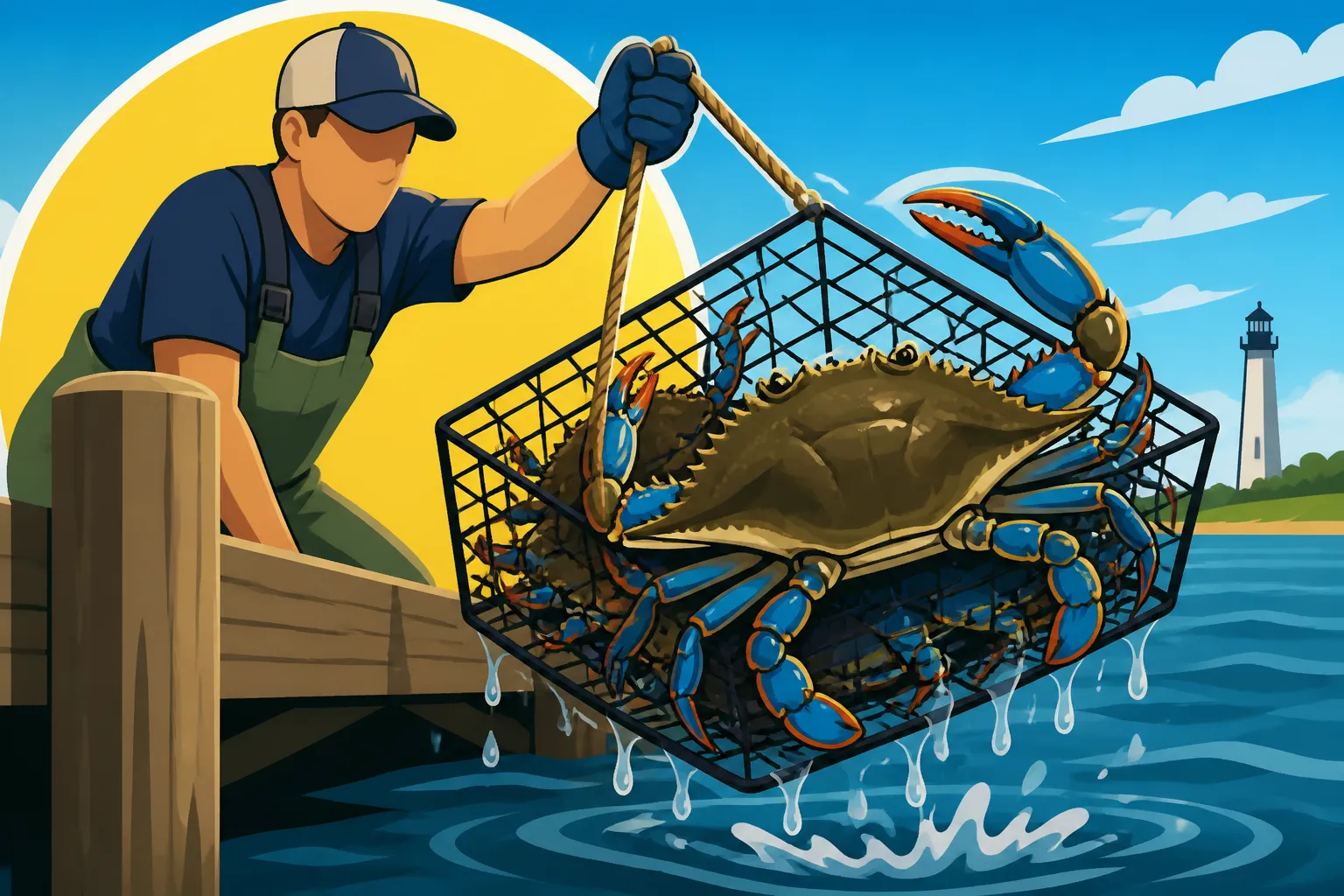
- Collapsible Crab Traps: These are perhaps the most popular choice for dock crabbing. They fold flat for easy transport and storage, and when deployed, they open up into a cage or pyramid shape. You place your bait in the center, lower the trap to the bottom, and wait. When you pull the line, the sides collapse inward, effectively trapping any crabs that are inside. They're robust, reusable, and you can often buy them in multi-packs. If you're looking to stock up, sites like Amazon offer a wide variety of these traps.
- Ring Nets: A simpler design, a ring net consists of two metal rings, one larger than the other, connected by netting. When lowered, the rings lay flat, allowing crabs to walk over the bait placed in the center. When you pull the line, the larger ring lifts, forming a basket that traps the crabs. They're very easy to use and check, but crabs can escape if you're not quick on the retrieve.
- Hand Lines: While not a "trap" in the traditional sense, hand lines are a classic way to crab from a dock. It's literally a string with a weight and some bait tied on. You lower the bait, wait for a tug, and slowly pull the crab up, scooping it with a net just before it reaches the surface. This is a very hands-on method and great for kids or those who enjoy the thrill of the chase. You'll definitely want a sturdy scoop net if you go this route.
Bait That Blue Claws Can't Resist
The right bait is crucial! Blue claw crabs aren't picky, but some baits are definitely more effective than others at attracting them and keeping them interested long enough to get trapped.
- Chicken Necks: This is the gold standard for many New Jersey crabbers. They're cheap, readily available at most supermarkets, and tough enough to stay on the line for a long time, slowly releasing an irresistible scent. The scent trail they create in the water is like a dinner bell for hungry crabs.
- Bunker (Menhaden): Fresh or frozen bunker is another excellent choice. It’s oily and produces a strong scent that crabs love. You can buy it whole at bait shops and cut it into smaller pieces. Just remember, bunker can be a bit messier than chicken necks.
- Fish Carcasses: If you've been out fishing and have fish heads, tails, or frames leftover, don't throw them away! They make fantastic crab bait. Just make sure they're not too large for your trap.
For any bait, especially chicken necks or cut fish, consider using a bait bag or cage within your trap. This prevents the crabs from tearing off and eating all the bait too quickly, making it last longer and giving you more chances to trap them. You can find simple mesh bait bags on Amazon, which can really extend the life of your bait.
Essential Accessories for a Smooth Crabbing Trip
Beyond traps and bait, a few key accessories will make your dock crabbing experience much more enjoyable and efficient.
- Rope/Line: You'll need sturdy rope or line for each of your traps, long enough to reach the bottom from the dock, plus extra for tying off. A good braided nylon or polypropylene line is usually sufficient.
- Bucket or Cooler: This is for your catch. A five-gallon bucket with some water or a cooler with ice will keep your crabs alive and fresh until you're ready to clean or cook them. Remember, live crabs are happy crabs!
- Crab Gauge: This small tool is absolutely vital for measuring your crabs to ensure they meet the legal size limits in New Jersey. We’ll talk more about this later, but having one handy is non-negotiable.
- Gloves: Blue claw crabs have powerful claws, and getting pinched is no fun. A good pair of heavy-duty gloves will protect your hands when handling your catch.
- Scoop Net: Especially if you're using hand lines or ring nets, a long-handled scoop net is essential for getting those crabs out of the water and safely onto the dock.
- Sunscreen, Hat, and Water: Don't forget to protect yourself from the elements, especially on a sunny day spent by the water.
Having a good setup, including a dedicated tackle box or bag for your crabbing gear, can make a huge difference. You can find pretty much everything you need, from bait bags to crab gauges, readily available for purchase online from retailers like Amazon.
Setting Up Your Traps and Crabbing from a Dock
Once you have your gear ready, it’s time to hit the docks! This is where the fun really begins. Knowing how to properly set your traps and observe the conditions will significantly increase your chances of a successful outing.
Choosing Your Spot on the Dock
Not all dock spots are created equal. When scouting your location, look for areas that offer crabs natural cover and food.
- Near Pilings and Structure: Crabs love to hide around pilings, bulkheads, and any other underwater structure. These spots offer shelter and often have more marine growth, attracting bait.
- Areas with Current: A gentle current helps carry the scent of your bait, drawing crabs from further away. Avoid areas with excessively strong currents, as crabs may struggle to hold onto your bait. Look at how the water is moving – are there eddies, or is it a steady flow? You can learn a lot by observing the water.
- Depth: You generally want enough depth for your traps to fully submerge and sit flat on the bottom. If the water is too shallow, crabs might be spooked by activity on the surface.
Always be respectful of other anglers and boaters using the dock. Give them space and avoid setting your traps in high-traffic areas where boats might snag your lines. Remember to check if you need a license to crab in New Jersey. While many recreational crabbing activities don't require a traditional fishing license, it's always wise to verify the latest regulations.
Deploying Your Traps Effectively
Deploying your traps is straightforward, but a few tips can make a big difference.
- Secure Your Bait: Place your chicken necks or cut fish firmly in the bait clip or bag within your collapsible trap or ring net. Make sure it won’t easily fall out when the trap is jostled.
- Attach Your Line: Securely tie your rope or line to the trap. For collapsible traps, there's usually a bridle or a loop designed for this.
- Lower Gently: Carefully lower your trap into the water, making sure it settles flat on the bottom. If you drop it too fast, it might land upside down or stir up too much silt, scaring off crabs.
- Secure to the Dock: Tie the other end of your line securely to a cleat, railing, or sturdy part of the dock. Make sure there’s enough slack so the trap sits on the bottom, but not so much that it drifts too far. You might want to use a buoy or marker to easily identify your lines, especially if you have multiple traps out. Speaking of multiple traps, New Jersey regulations might specify how many fishing rods or lines you can use at once, so double-check those rules, as they can sometimes extend to crabbing gear.
The Waiting Game and Checking Your Traps
This is where patience truly comes into play. How long should you wait? It varies, but generally, give your traps at least 15-30 minutes between checks. If the crabbing is hot, you might check more frequently.
When it's time to check:
- Retrieve Slowly at First: Gently pull on the line. For collapsible traps, pull smoothly and steadily. This causes the sides to come up, trapping any crabs inside. For ring nets, a quicker, more decisive pull is needed to scoop the crabs up before they can crawl out.
- Scoop Them Up (If Needed): If you're using a ring net or hand line, have your scoop net ready. As the trap or crab approaches the surface, quickly scoop it up to prevent escape.
- Transfer to Your Bucket/Cooler: Once on the dock, carefully transfer any legal-sized crabs to your bucket or cooler. Be mindful of those claws! Use your gloves and handle them from the back of their shell to avoid pinches.
- Re-bait and Re-deploy: Check your bait. If it’s gone or chewed up, replace it. Then, gently lower your trap back into the water to continue crabbing.
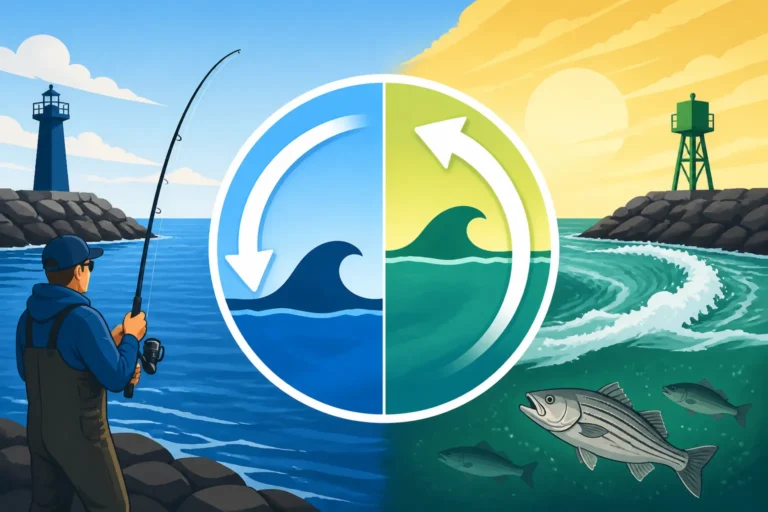
Consider the tide cycle. Crabs are often more active during a How to Fish a Rising Tide or a How to Fish a Falling Tide, as the moving water carries food and scent. Observing the tides can significantly improve your catch rates.
Regulations, Safety, and Best Practices
Crabbing in New Jersey is a wonderful pastime, but it's important to do it responsibly and safely. Understanding the local regulations, knowing how to handle your catch, and practicing good etiquette will ensure a positive experience for everyone.
New Jersey Crabbing Regulations
New Jersey has specific rules regarding recreational crabbing that all anglers must follow. These regulations are designed to protect the crab population and ensure sustainable harvesting. You can usually find the most current rules in the Reading the New Jersey Fish and Wildlife Digest or by visiting the New Jersey Fish & Wildlife website.
Key regulations typically include:
- Size Limits: There’s usually a minimum carapace (shell) width you must adhere to. Any crab smaller than this must be immediately returned to the water. Always have your crab gauge handy! You'll want to be familiar with the What Is the Size Limit for Blue Claw Crabs? for blue claws.
- Bag Limits: There’s often a daily limit on how many crabs you can keep per person. This helps prevent overharvesting.
- Protection of Female Crabs: It is illegal to keep female blue claw crabs that are "sponge crabs" or "berry crabs" – meaning they are carrying eggs. These females have a bright orange or yellow egg mass on their underside. Always check the underside of a female crab; if she’s carrying eggs, she must be released unharmed. Learn more about this by checking out Is It Legal to Keep Female Blue Claw Crabs in New Jersey?.
- Gear Restrictions: While typically generous for recreational crabbing, there may be limits on the number of traps or lines you can use, or specific types of gear that are prohibited.
- Seasonality: While blue claw crabs can be caught for much of the warmer months, always check the New Jersey Fishing Season Dates and Closures for any specific rules or peak times, though the Best Time to Catch Blue Claw Crabs in New Jersey is generally late summer and early fall.
These regulations are important for ensuring that there are plenty of crabs for future generations to enjoy. It's also worth noting the broader context of New Jersey Saltwater Registry Explained and Freshwater vs Saltwater Fishing Rules in New Jersey to understand how crabbing fits into the state's overall aquatic regulations.
Safe Handling of Your Catch
Blue claw crabs, while delicious, are also equipped with powerful claws that can deliver a painful pinch. Always prioritize safety when handling them.
- Wear Gloves: Heavy-duty work gloves are your best friend. They provide excellent protection against pinches.
- Handle from the Back: The safest way to pick up a blue claw crab is to grasp it from the top of its shell, just behind the swimming legs, keeping your fingers clear of its claws.
- Measure Carefully: Use your crab gauge to quickly measure the crab. If it’s undersized or an egg-bearing female, gently return it to the water immediately.
- Keep Crabs Alive: If you're keeping crabs, store them in a cooler with some ice. The cold temperature will slow their metabolism, keeping them fresh and docile. Never store live crabs in standing water, as they will quickly deplete the oxygen and die. A damp cloth over the ice is often preferred.
Responsible Crabbing Practices
Beyond regulations and safety, embracing responsible crabbing practices contributes to a healthy environment and ensures continued access to this enjoyable activity.
- Leave No Trace: Always pack out everything you pack in, and perhaps even a little more. Dispose of all trash, discarded bait, and tangled lines properly. Docks are shared spaces, and keeping them clean benefits everyone.
- Release with Care: For crabs you aren't keeping, release them gently back into the water. Don't toss them from a height, as this can injure them.
- Respect Wildlife: While focused on crabbing, remember you're sharing the environment with other wildlife. Avoid disturbing nesting birds or other marine animals.
- Learn More: Educate yourself about the blue claw crab species. The New Jersey Blue Claw Crab Guide offers valuable insights into their biology and habits, making you a more knowledgeable and effective crabber.
By following these guidelines, you'll not only have a successful crabbing trip but also contribute to the long-term health of New Jersey's aquatic ecosystems, ensuring that the tradition of dock crabbing can be enjoyed for years to come.
Disclaimer
This article is for general informational purposes only and does not constitute professional advice. Laws, prices and regulations vary by location and change over time. Consult a qualified professional for guidance on your specific situation.