Best Tide to Fish a New Jersey Inlet
There’s nothing quite as frustrating as heading out to your favorite New Jersey inlet, full of hope, only to find the water flat, the bait gone, and not a single bite. You know the fish are there, somewhere, but they’re just not cooperating. More often than not, the secret to unlocking those bites in an inlet comes down to understanding the tides. This guide will dive deep into how New Jersey's powerful tides influence fishing success in our inlets, helping you decipher the best times to cast your line.
Understanding New Jersey Inlets: More Than Just a Cut in the Sand
New Jersey's coastline is dotted with crucial inlets that serve as vital arteries connecting our expansive back bays and estuaries with the vast Atlantic Ocean. These dynamic waterways are fish superhighways, funneling baitfish and larger predators in and out with every tidal shift. But because they are so dynamic, they also present unique challenges and incredible opportunities for anglers.
The Dynamic Nature of Inlet Waters
Think of an inlet as a living, breathing part of the ecosystem. It's never static. Strong currents surge through, carving out deep channels, creating eddies, and depositing sandbars that constantly shift. These areas are rich with structure – jetties, rock walls, submerged pipelines, and sudden depth changes – all of which provide cover and ambush points for predatory fish. The constant mixing of ocean water with the slightly fresher, nutrient-rich bay water creates a unique environment. One moment, you might be casting into a calm, glassy surface during slack tide, and an hour later, the water could be churning with a swift, powerful current that demands different tactics and tackle. It’s this very unpredictability that makes inlet fishing so exciting, but also requires a nuanced approach.
Why Tides Rule the Roost in Inlet Fishing
If you fish New Jersey's inlets, you quickly learn that the tide isn't just a suggestion; it's the conductor of the entire aquatic orchestra. Tidal flow dictates everything from where baitfish congregate to where game fish choose to feed. It’s not just about high tide or low tide, but the movement of the water – the speed, the direction, and how it interacts with the surrounding structure. Fish are opportunistic predators, and they'll position themselves where the current brings food to them with the least effort. Understanding this fundamental principle is your first step to consistent success. Without a grasp of the tidal cycle, you're essentially fishing blind, hoping for a lucky strike rather than making an informed decision. This is why knowing How to Read Tide Charts for Better Fishing in New Jersey is such a critical skill.
Breaking Down the Tides: High, Low, Incoming, and Outgoing
When we talk about tides, it’s easy to simplify them into "high" and "low." But for a New Jersey angler, it's far more intricate than that. Each phase of the tide, and especially the transition periods, offers distinct advantages and challenges.
The Incoming Tide: A Flow of Opportunity
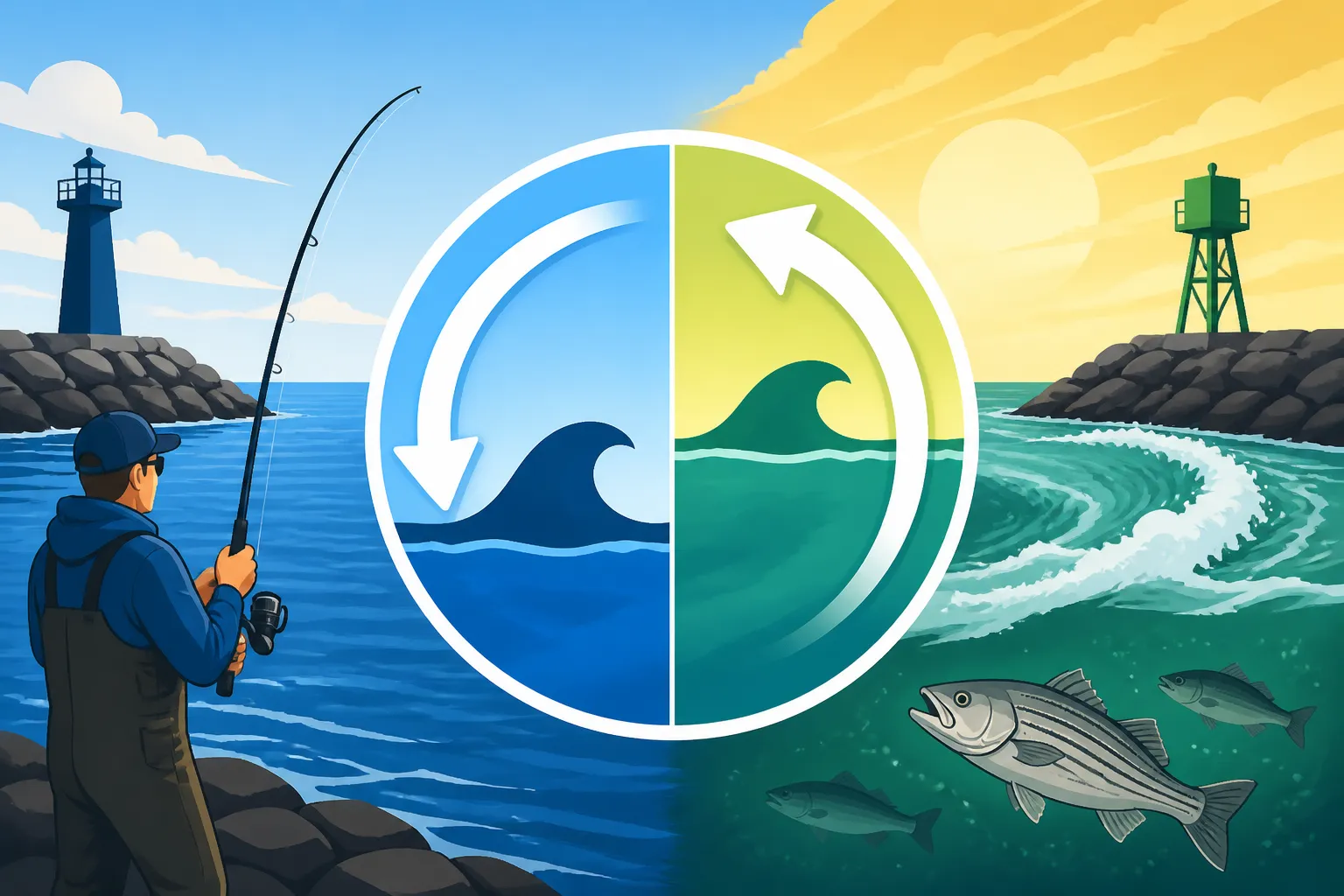
The incoming tide, also known as the flood tide, is when ocean water pushes into the bays and estuaries. As this flow begins, it often brings with it cooler, cleaner, and more oxygenated ocean water, along with a fresh supply of baitfish like mullet, spearing, and bunker. Game fish, sensing this influx of food, will often move into the inlet or position themselves strategically to intercept the incoming smorgasbord.
The best part of an incoming tide usually isn't right at the very beginning, nor is it at the peak. Often, the middle to late stages of the incoming tide are fantastic. This is when the current has built up enough speed to really move bait, but before it reaches its strongest point and potentially pushes bait (and your lure) through too quickly. Think about the jetties and rock walls on the ocean side of an inlet; fish like striped bass and bluefish will often sit on the calmer, downcurrent side, waiting for bait to be swept past them. Fishing the eddy lines and points where the current splits can be incredibly productive during this phase.
The Outgoing Tide: Flushing Out the Feast
The outgoing tide, or ebb tide, is when water from the back bays and estuaries drains back out into the ocean. This flow flushes out all sorts of goodies that have been accumulating in the bays: crabs, shrimp, worms, and juvenile baitfish that have been seeking shelter in the calmer, shallower waters. For many species, especially fluke (also known as summer flounder), this can be a prime feeding time.
Similar to the incoming tide, the middle to late stages of the outgoing tide are often the sweet spot. As the water recedes, it can concentrate bait into narrower channels and force them out of the shallower bay areas, making them easy targets. Predatory fish will set up at the mouths of creeks, along channel edges, or at the very end of jetties where the bay water is funneled out. They’re basically waiting at the buffet line as all the good stuff gets washed out to sea. This is a fantastic time for drifting for fluke with bucktails or Gulp! baits, as your presentation will naturally mimic a baitfish being swept out. You'll want to pay close attention to the New Jersey Fluke Size and Bag Limits Explained before heading out, of course.
Slack Tide: The Brief Calm Before the Storm
Slack tide refers to the brief period of little to no current flow that occurs at the peak of high tide and the lowest point of low tide. Many anglers avoid slack tide, and for good reason: the lack of current often means fish activity slows down considerably. Without a strong flow to carry bait, predators don’t need to exert much effort to hold positions, and their feeding instincts can diminish. It can feel like the fish have simply vanished.
However, writing off slack tide completely would be a mistake. This period can offer unique opportunities for certain techniques or species. For instance, tautog (blackfish) often prefer less current, making slack tide a good time to target them around heavy structure with green crabs. It can also be a good time to try bottom fishing for species that are less reliant on current-driven feeding, or for anglers to re-position, re-rig, or enjoy a snack before the current picks up again. Sometimes, fish will still bite during slack water, especially if there's still some residual motion or if bait is naturally congregated in a deep hole. It's often a good time to fish vertically with jigs or weighted baits, as there's less current to contend with.
The "Best" Tide: It's Not Always One-Size-Fits-All
If only fishing were as simple as saying "always fish the incoming tide!" Unfortunately, the reality in New Jersey inlets is that the "best" tide is highly dependent on what you're trying to catch and what other environmental factors are at play.
Matching the Tide to Your Target Species
Different fish species have different preferences when it comes to tidal movement. Understanding these preferences can drastically improve your catch rates.
- Striped Bass: Often, the middle to late stages of both incoming and outgoing tides are excellent for stripers. They thrive in moving water, positioning themselves in ambush points where they can easily intercept baitfish being swept past. Early morning outgoing tides, especially after a high overnight tide, can be phenomenal as bunker and mullet get flushed out of the back bays. Similarly, a strong incoming tide pushing bait from the ocean can get them fired up. For more focused fishing, check out guides like How to Fish for Striped Bass in New Jersey.
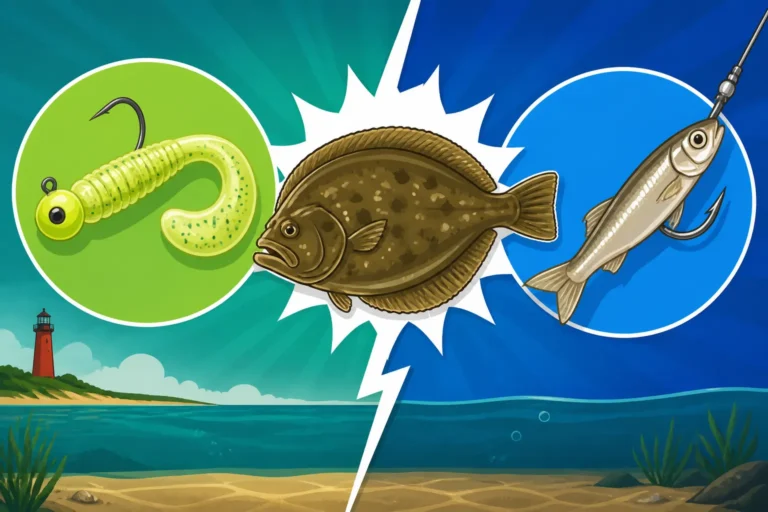
- Fluke (Summer Flounder): These flatfish are masters of current. They'll bury themselves in the sand or mud on the bottom, facing into the current, waiting for bait to drift over them. The outgoing tide is often considered prime for fluke, as it flushes bait from the backwaters. Drifting with the current, presenting your bait or bucktail jig naturally, is key. However, a strong incoming tide can also be productive, especially closer to the ocean, as it brings in fresh bait. Knowing New Jersey Fluke Season Dates for 2026 is crucial for planning.
- Bluefish: Much like striped bass, bluefish are aggressive predators that love current. They'll often be found in the same areas as stripers, especially during the middle of the outgoing or incoming tides when bait is abundant and actively moving. A bluefish blitz can happen at any tide, but moving water often concentrates them.
- Tautog (Blackfish): Tautog are structure-oriented fish that feed on crabs, mussels, and other crustaceans. They typically prefer less intense current, making the slack tide periods around high or low water a fantastic time to target them. They'll hug tight to rocks, pilings, and wrecks, so a gentle presentation is often best. Learn more about How to Fish for Tautog Around Structure.
Reading the Conditions: Wind, Swell, and Moon Phases
Beyond just the basic tidal cycle, experienced New Jersey anglers know that other elements heavily influence how fish react to the tide.
- Wind: A strong wind blowing against the tide can create a choppy, confused sea state that makes fishing difficult. However, a wind blowing with the tide can accelerate the current, making fish more active and concentrating bait. Alternatively, a steady wind can create a "wind current" that can be productive even during slack tide by moving bait around. Sometimes, a gentle onshore breeze during an incoming tide can push bait right into the jetties.
- Swell: Large ocean swells pushing into an inlet can churn up the bottom, dislodge bait, and make the water dirty. While this can sometimes turn fish off, it can also create excellent feeding conditions by stirring up the food chain. Surf anglers know that a good swell can move sand eels and crabs, making fish like striped bass active. For deep insight into tides, considering carrying a reliable tide chart reader or downloading a good app, often found on places like Amazon.
- Moon Phases: The moon's gravitational pull is the primary driver of tides. Full and New Moons create stronger tidal swings (spring tides), resulting in faster currents. Quarter moons create weaker tidal swings (neap tides) with slower currents. Understanding these relationships can help you anticipate how strong the current will be and plan your tackle accordingly. Stronger currents might mean heavier weights or more aggressive lures, while slower currents allow for lighter tackle and more finesse presentations.
Gear Up for Inlet Success: What You Need
Fishing New Jersey inlets demands robust and versatile gear. The currents are powerful, and the fish can be substantial.
- Rods and Reels: For most inlet fishing, you'll want a medium-heavy to heavy spinning or conventional rod, usually 7 to 10 feet long, capable of handling braided lines of 30-50 lb test. A reliable reel with a smooth drag and good line capacity is non-negotiable. Many anglers find great deals on quality gear from retailers like Amazon.
- Line: Braided line is highly recommended for its strength, sensitivity, and minimal stretch, which helps you feel light bites in strong currents. A fluorocarbon leader of 30-60 lb test is also essential for abrasion resistance against rocks and jetties.
- Terminal Tackle: You'll need a variety of weights (pyramid sinkers, bank sinkers, egg sinkers) ranging from 1 oz to 6 oz or more, depending on current strength. Swivels, snaps, and strong hooks are also vital. For lure fishing, bucktail jigs, soft plastics on jig heads, and swimming plugs are common choices. For bait, consider fresh clam, bunker chunks, or live eels. You can often stock up on these essentials on Amazon before your trip.
Practical Strategies for Fishing New Jersey Inlets on Any Tide
Knowing when to fish is only half the battle; knowing how to fish effectively during each tidal phase is what truly sets successful anglers apart.
Positioning for Success: Where to Cast and Wait
Your position relative to the current is paramount in inlet fishing.
- On a Boat: If you're on a boat, you have the advantage of mobility. During a strong incoming or outgoing tide, positioning your boat up-current from a productive spot (like a jetty tip, a submerged rock pile, or a channel edge) and drifting your baits or lures down-current into the fish's ambush zone is often highly effective. You can also anchor in an eddy, casting into the main current. Always be mindful of other boaters and safe navigation, especially in busy inlets. Consider reviewing New Jersey Boat Ramp Rules and Access Fees if you're launching your own vessel.
- From Shore/Jetties: Shore anglers must be more strategic. On an incoming tide, focus your efforts on the ocean side of the inlet, casting into the rips and eddies formed by the current hitting the jetties. During an outgoing tide, shift your focus to the bay side, especially at the mouths of creeks and cuts where bait is being flushed out. Casting parallel to a jetty can sometimes place your lure in a prime strike zone where fish are holding. Remember to fish with safety in mind when on jetties; they can be slippery and dangerous.
Bait and Lure Selection for Different Flows
The strength of the current dictates how your bait or lure will behave, and therefore, what's most effective.
- Strong Currents: When the current is really ripping, heavier bucktail jigs, weighted soft plastics, or heavily weighted bait rigs are necessary to get down to where the fish are holding. Lures with a tight wobble or strong vibration can also be effective, as fish can feel them in the turbulent water. For a good read on this, check out Bucktail Jigging Techniques for New Jersey Anglers. Live bait, like eels or bunker, rigged to swim naturally or held by a heavy sinker, can also be deadly.
- Moderate Currents: This is often the sweet spot. You can get away with slightly lighter tackle, allowing for more natural presentations. Soft plastics, swimming plugs, and bucktails in a wider range of sizes can be worked effectively. Drifting live or cut bait is also very productive.
- Slack Tide/Weak Currents: During slack tide, when fish might be less active, finesse techniques often shine. Smaller jigs, slowly worked soft plastics, or even delicate bait presentations can entice a bite. This is also a good time to try topwater lures if baitfish are visible on the surface, as there's less current to impede their action.
| Tide Phase | Current Strength | Fish Behavior | Recommended Tactics | Target Species (Examples) |
|---|---|---|---|---|
| Incoming (Early) | Increasing | Fish moving into inlet, scouting for bait. | Lighter jigs, soft plastics near edges. | Striped Bass, Bluefish |
| Incoming (Mid) | Strongest | Active feeding, bait pushed into structure. | Heavier bucktails, plugs, live bait on eddy lines. | Striped Bass, Bluefish, Fluke |
| Incoming (Late) | Decreasing | Fish settling, still actively feeding. | Drifting bucktails/bait, bottom fishing. | Fluke, Striped Bass |
| High Slack | Minimal | Activity slows, fish may seek deeper holes/structure. | Finesse jigs, clam/crab for bottom feeders, tautog. | Tautog, Black Sea Bass |
| Outgoing (Early) | Increasing | Fish positioning for backwater flush. | Bottom fishing, slow drifts with bait. | Fluke, Weakfish |
| Outgoing (Mid) | Strongest | Active feeding on flushed bait. | Drifting bucktails/bait, weighted lures. | Fluke, Striped Bass, Bluefish |
| Outgoing (Late) | Decreasing | Bait concentrated in main channel. | Jigging deep, targeting channel edges. | Striped Bass, Fluke |
| Low Slack | Minimal | Similar to high slack, often exposes structure. | Targeting deep holes, tautog on exposed rocks. | Tautog, Black Sea Bass, Eels |
Safety First: Navigating Inlet Currents
The power of tidal currents in New Jersey inlets cannot be overstated. They can be incredibly dangerous, especially for smaller boats, kayak anglers, or anyone wading near the entrance.
- Boaters: Always respect the current. If you're running against a strong tide, it will take more power and fuel. If you're drifting, be aware of how quickly you're moving and plan your exit. Never cut across the bow of a large vessel in a strong current. Consider a fishing license if you're on your own boat, though Does the New Jersey Saltwater Registry Cover Charter Boat Passengers explains charter rules.
- Kayak Anglers: Kayaks are particularly vulnerable to strong currents. Avoid peak current periods unless you are highly experienced and have appropriate safety gear. Always wear your PFD (Personal Flotation Device), and have a way to communicate in an emergency. How to Fish From a Kayak Safely in Open Bays provides more detailed advice.
- Shore Anglers/Waders: Jetties can be slippery, and the rocks are often covered in algae. Always wear appropriate footwear with good grip. Never turn your back on the ocean, and be aware of rogue waves. If wading, understand the bottom composition and never wade alone, especially during strong currents or changing tides. Strong currents can sweep you off your feet faster than you think.
Successfully fishing a New Jersey inlet means understanding the rhythm of the tides, and how it dictates the movement and feeding behavior of the fish. It's about being observant, adapting your tactics, and always prioritizing safety. By paying close attention to the nuances of each tidal phase, you'll dramatically increase your chances of a successful and memorable outing on the water.
Disclaimer
This article is for general informational purposes only and does not constitute professional advice. Laws, prices and regulations vary by location and change over time. Consult a qualified professional for guidance on your specific situation.