New Jersey Fishing License Cost Compared to New York
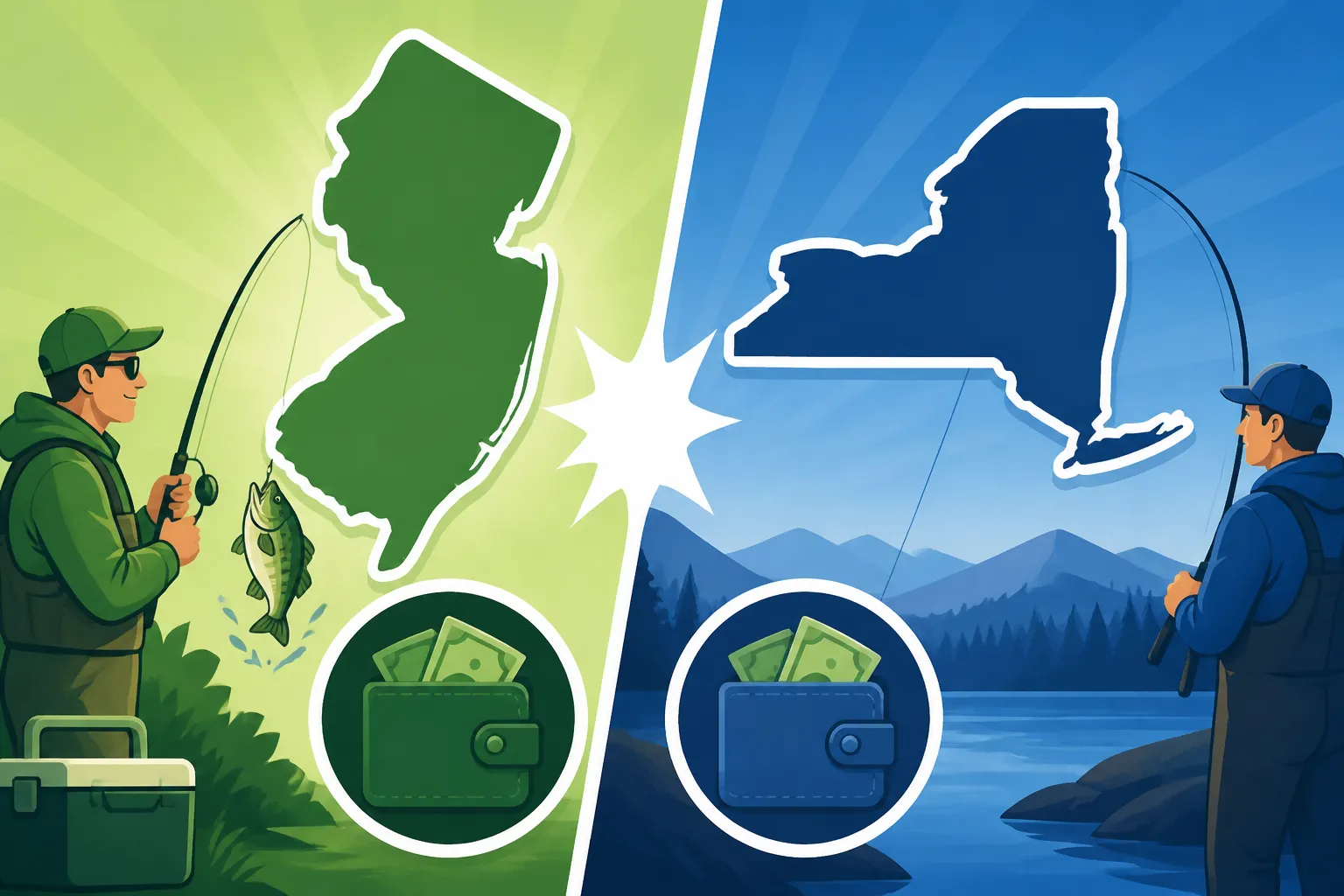
Figuring out where to cast your line in the tri-state area can feel like navigating a legal labyrinth, especially when you're trying to compare fishing license costs between neighboring states like New Jersey and New York. It's not just about the upfront price tag; there are different categories, additional stamps, and sometimes even reciprocity rules that can make your head spin. This guide is here to untangle those complexities, giving you a clear, side-by-side look at what it truly costs to get on the water in both states.
Navigating the Maze of Fishing License Costs
When you're passionate about fishing, the state lines often feel more like suggestions than hard barriers. You might live in New Jersey but eye those prime trout streams in New York, or vice versa. The first hurdle, however, is always understanding the licensing requirements and, more importantly, the cost. It’s rarely a simple, one-size-fits-all fee, and the structure can be quite different from one state to the next.
Why Costs Differ Between States
The varying price points for fishing licenses aren't arbitrary. Each state has its own Department of Fish and Wildlife (or similar agency) responsible for managing natural resources, enforcing regulations, and promoting conservation. The revenue generated from license sales is crucial for funding these operations.
Think about it: New Jersey, with its bustling coastline and diverse freshwater bodies, has different management needs than New York, with its vast Adirondack region and Great Lakes access. These differences translate into distinct funding models. Factors influencing the cost can include:
- Conservation Funding Needs: States with larger stocking programs, more extensive habitat restoration projects, or higher enforcement costs might need to charge more.
- Resident vs. Nonresident Structure: Almost universally, nonresidents pay a significantly higher fee. This is because residents contribute to the state's tax base in other ways, and their license fees are seen as a supplement to existing state funding for conservation. Nonresidents, on the other hand, are primarily using the resource without contributing through property or income taxes.
- Administrative Overheads: The cost of issuing licenses, maintaining databases, and providing customer service also plays a role.
- Economic Factors: The overall cost of living and average income in a state can subtly influence how prices are set, balancing affordability for local anglers with the need for sufficient revenue.
It's a delicate balance, and understanding these underlying factors helps you appreciate why a resident annual license in one state might be substantially different from another.
The Basic Annual Freshwater License Comparison
Let's cut to the chase and look at the most common license type: the annual freshwater fishing license for both residents and nonresidents. This is usually the benchmark most anglers consider first. While prices can be adjusted periodically by state legislatures, the general structure remains consistent.
Generally, New York's annual nonresident freshwater license tends to be a bit pricier than New Jersey's, reflecting, in part, the sheer scale of angling opportunities and the broader territory covered. For residents, the costs are more competitive, but still often see New York slightly above New Jersey for adult annual licenses.
To give you a clearer picture, here’s a simplified breakdown:
| License Type | New Jersey (Approx. 2026) | New York (Approx. 2026) |
|---|---|---|
| Resident Annual (Adult) | $22.50 | $25.00 |
| Nonresident Annual (Adult) | $47.00 | $50.00 |
| Resident Senior (65-69) | $12.50 | $5.00 |
| Resident Senior (70+) | Free (NJ), Free (NY) | Free |
| 7-Day Nonresident (Vacation) | $34.00 | $28.00 |
| Saltwater Registry/License | Free (Registry) | Free (Registry) |
| Freshwater Trout Stamp (add-on) | $10.00 | $5.00 |
Note: These prices are approximate and subject to change. Always check the official New Jersey Fish and Wildlife and New York State Department of Environmental Conservation websites for the most current information before purchasing your license.
As you can see, even at a glance, there are distinct differences, especially when it comes to options for seniors and temporary licenses.
Diving Deeper into New Jersey's Fishing License Costs
New Jersey has a pretty straightforward licensing system, but there are a few nuances to be aware of, especially regarding saltwater fishing and specific species like trout. Many anglers starting out find the array of options confusing, but once you understand the core requirements, it's quite manageable. For a complete overview, you might want to consult the guide on the New Jersey Fishing License Guide for 2026.
Breakdown of Resident Freshwater License Costs in New Jersey
If you call the Garden State home, your options for freshwater fishing licenses are designed to be accessible.
- Resident Annual Fishing License (Age 16-64): This is the standard license for most adult residents. As of recent years, it typically costs around $22.50. This single purchase covers you for an entire calendar year, allowing you to fish for bass, pickerel, catfish, and other freshwater species across the state, provided you follow all other regulations.
- Resident Senior Fishing License (Age 65-69): New Jersey offers a discounted rate for seniors in this age bracket, usually around $12.50. It’s a nice gesture to acknowledge the contributions of our seasoned anglers and keep them enjoying the sport.
- Resident Senior Fishing License (Age 70 and Older): This is where New Jersey really stands out for its senior residents. If you are 70 years of age or older and a resident of New Jersey, you are completely exempt from needing a freshwater fishing license. That's right, free fishing! However, you still need to abide by all other fishing regulations. It’s worth checking out the details in the New Jersey Fishing Is Free for Anglers Age 70 and Older guide.
- Combination Hunting and Fishing Licenses: For those who enjoy both pursuits, New Jersey offers a combined license. This often provides a slight discount compared to buying both licenses separately. For example, a Resident All-around Hunting & Fishing License might cost around $58.00. This is a great option for the outdoor enthusiast who wants to maximize their time in nature.
It’s important to remember that even if you're exempt from a license due to age, you still need to carry identification that proves your age and residency when you're out fishing. Conservation officers do check, and it's always better to be prepared.
Nonresident Freshwater License Options and Costs
For our friends visiting from out of state, New Jersey still offers plenty of opportunities, but the pricing structure is different.
- Nonresident Annual Fishing License: This is the most comprehensive option for nonresidents planning multiple trips or an extended stay. It typically costs around $47.00. This license grants the same freshwater fishing privileges as a resident annual license, just at a higher price point to reflect the nonresident status. You can find more details in the New Jersey Nonresident Annual Fishing License Requirements article.
- Nonresident 7-Day Vacation Fishing License: Planning a week-long trip to the Jersey Shore but want to hit some freshwater spots too? This is a popular option. Priced around $34.00, it's perfect for a vacationer who wants to fish for a short period without committing to a full annual license. Read more about it in the New Jersey 7-Day Vacation Fishing License Explained.
- Nonresident 2-Day Vacation Fishing License: For an even shorter visit, perhaps just a weekend getaway, the 2-day license is available for roughly $19.50. It’s a convenient and cost-effective way to enjoy a quick fishing excursion without overspending on a longer-term license you won't fully use.
These temporary licenses are fantastic for tourists and visitors who might only be in the state for a short time but want to experience New Jersey's diverse fishing opportunities.
New Jersey's Saltwater Registry and Trout Stamp
Beyond the basic freshwater licenses, there are two other critical components for certain types of fishing in New Jersey:
- New Jersey Saltwater Registry: This is where New Jersey's system diverges significantly from some other states. If you're planning to fish in saltwater, you do not need a separate license per se, but you must register with the New Jersey Marine Recreational Fishing Registry. The best part? It's completely free to join! This registration is mandatory for anyone 16 years or older fishing in New Jersey's marine waters, including bays, estuaries, and the ocean, even if you’re fishing from a boat, pier, or the surf. This registry replaced the federal one and helps the state gather vital data on recreational fishing effort. You can learn all about it in the New Jersey Saltwater Registry Explained article.
- New Jersey Trout Stamp: If your passion lies in pursuing trout in the state's stocked waters, you'll need an additional stamp. The New Jersey Trout Stamp is a separate purchase, costing around $10.00, which you add to your regular freshwater fishing license. This revenue specifically funds the state's extensive trout stocking program, ensuring healthy populations of rainbow, brown, and brook trout in designated waters throughout the year. Even if you have a regular freshwater license, you must have a trout stamp to keep or attempt to catch trout in waters designated as "Trout Stocked Waters" or during specific trout seasons. Get the full scoop on who needs one in the New Jersey Trout Stamp Requirements Explained guide.
So, for a resident adult planning to fish for trout in freshwater and also hit the coast for striped bass, your total cost would be the annual freshwater license ($22.50) + a trout stamp ($10.00) = $32.50, plus the free saltwater registry. It's essential to understand these distinct requirements to avoid any legal issues when you're out on the water.
Unpacking New York's Fishing License Costs
New York, being a much larger state with diverse geography, also offers a comprehensive suite of fishing licenses. Their system is quite integrated, especially concerning saltwater fishing, which simplifies things for anglers who pursue both freshwater and marine species.
New York Resident Freshwater and Saltwater License Costs
For New York residents, the license structure is designed to cover a broad range of fishing activities.
- Resident Annual Fishing License (Age 16-69): The standard annual freshwater license for New York residents typically costs around $25.00. This allows you to fish in New York's vast network of freshwater lakes, rivers, and streams, targeting everything from bass and pike to panfish.
- Resident Senior Fishing License (Age 70+): Like New Jersey, New York offers a significant benefit to its most experienced anglers. Residents aged 70 and older are eligible for a free lifetime fishing license. This is an incredible perk for seniors who love to fish.
- New York's Recreational Marine Fishing Registry: One key difference from New Jersey is how New York handles saltwater fishing. In New York, if you want to fish in the state's marine and coastal waters, you need to register for the Recreational Marine Fishing Registry. This registration is mandatory for anyone 16 years or older and, just like New Jersey, it is free of charge. The beauty of the New York system is that this marine registry is often automatically included or easily added when you purchase a freshwater license, streamlining the process considerably for those who fish both environments. This eliminates the need for separate saltwater licenses, as some other states require.
It’s worth noting that New York also offers several other resident license types, including lifetime licenses (which are a fantastic long-term investment), annual hunting and fishing combinations, and even options for military personnel and people with disabilities. These comprehensive offerings reflect the state's commitment to supporting its diverse angling community.
New York Nonresident License Options and Costs
New York welcomes anglers from all over, and its nonresident licenses are structured to provide flexibility for visitors.
- Nonresident Annual Fishing License: For those planning to frequently visit New York's fishing grounds, the nonresident annual license is the most practical choice, usually priced around $50.00. This provides a full year of access to the state's freshwater fisheries, making it a good value for regular visitors.
- Nonresident 7-Day Fishing License: A popular choice for vacationers, this license typically costs around $28.00. It's perfect for a week-long fishing trip to the Catskills or a visit to one of the Finger Lakes, offering a cost-effective way to enjoy New York's renowned fishing without a long-term commitment.
- Nonresident 1-Day Fishing License: New York also provides a very convenient 1-day license option, often available for about $5.00. This is ideal for a spur-of-the-moment fishing outing or for someone just trying out the sport for the first time. It's a low-cost entry point to experience New York's waters.
These tiered options ensure that whether you're a serious angler or just looking for a fun day out, there's a license that fits your plans and budget.
New York's Conservation and Habitat Stamps
While New York doesn't have a separate "trout stamp" like New Jersey, it does offer various optional stamps that contribute to conservation:
- Habitat & Access Stamp: This optional stamp, usually around $5.00, is a way for anglers and hunters to directly support habitat improvement projects and public access initiatives across the state. While not mandatory for fishing, it’s a great way to contribute to the future of fishing in New York.
- Marine & Coastal District Conservation Fund (MCDF) Stamp: This is another optional stamp, typically $5.00, that supports marine and coastal district conservation efforts. Anglers purchasing this stamp contribute directly to the research, restoration, and management of marine fish and their habitats.
- Federal Migratory Bird Hunting and Conservation Stamp (Federal Duck Stamp): While primarily for waterfowl hunters, it's worth noting that these federal stamps are often sold alongside state fishing licenses. These funds contribute to wetland conservation across the country, which benefits many fish species as well.
These additional stamps are voluntary but provide anglers with a direct way to invest in the resources they enjoy. It’s a good example of how license programs often extend beyond just basic fees to include opportunities for broader environmental stewardship.
Understanding the "Why" Behind the Numbers
It's easy to look at a price tag and wonder why it's set the way it is. But when it comes to fishing licenses, those numbers are tied directly to the health and future of the ecosystems we love to fish. These aren't just arbitrary fees; they are investments in conservation and management.
Funding Conservation Efforts
Both New Jersey and New York rely heavily on fishing license sales to fund their respective fish and wildlife agencies. This money doesn't just disappear into a general fund; it's earmarked for crucial programs that directly benefit anglers.
- Fish Stocking Programs: A significant portion of license revenue goes towards raising and stocking various fish species, particularly trout in both states. New Jersey's trout stamp, for instance, directly supports the extensive stocking efforts that ensure a vibrant trout season each spring and fall. New York also has robust stocking programs for trout, salmon, and other species in its vast waters.
- Habitat Restoration and Protection: Funds are used to improve aquatic habitats, restore degraded wetlands, and protect critical spawning grounds. This includes everything from stream bank stabilization projects to removing outdated dams, all of which create healthier environments for fish to thrive.
- Research and Monitoring: Biologists constantly study fish populations, migration patterns, and disease prevalence. License fees support these scientific efforts, providing the data needed to make informed management decisions, such as setting appropriate bag and size limits or determining fishing season dates. Knowing, for example, why there's a New Jersey Striped Bass Slot Limit Explained is often based on this kind of ongoing research.
- Law Enforcement and Education: Conservation Police Officers (or Environmental Conservation Officers in NY) patrol waters, enforce regulations, and educate the public. Their work ensures fair chase, prevents overfishing, and maintains order on the water. A portion of license fees directly supports their salaries and equipment.
- Public Access Projects: Creating and maintaining boat ramps, fishing piers, and shore access points is expensive. License funds contribute to these projects, ensuring that anglers have places to go and enjoy their sport.
Without these dedicated funds, the quality of fishing in both states would undoubtedly decline. When you buy a license, you're not just buying permission to fish; you're contributing directly to the sustainability of the sport for generations to come.
Impact of Population Density and Angler Volume
The sheer number of people living in and visiting New Jersey and New York, combined with the volume of anglers, also plays a role in license pricing and resource management.
New Jersey, while geographically smaller, is the most densely populated state in the US. This means its relatively limited natural spaces experience significant pressure from recreational activities, including fishing. More anglers per square mile of water can necessitate more intensive management, more frequent stocking, and more stringent enforcement, which can influence costs.
New York, on the other hand, boasts an enormous land area and diverse ecosystems, from the Great Lakes to the Atlantic Ocean. While it has large population centers, it also has vast wilderness areas. This broader geographic distribution of fishing pressure might allow for different management strategies and pricing models. The sheer volume of anglers in both states means that even small per-license fees generate substantial funds, but the administrative burden of managing licenses for millions of potential participants (both resident and nonresident) is a constant factor.
Furthermore, the economic impact of recreational fishing is massive in both states. Anglers spend money on gear (which you can often find great deals on through retailers like Amazon), bait, fuel, lodging, and food, all of which contribute to local economies. License fees are a small but crucial piece of this larger economic puzzle, ensuring the resource that attracts all this spending remains healthy.
Practical Considerations for Cross-State Anglers
For those of us who live near the borders, or just love to explore, fishing across state lines is a common occurrence. However, it requires careful attention to licensing rules to avoid penalties.
Reciprocity Agreements and Boundary Waters
This is perhaps one of the most confusing aspects for anglers who fish near state borders. The good news is that New Jersey and New York do have some reciprocal agreements, particularly for shared waters.
- Delaware River: This is the most significant example of reciprocity between New Jersey and New York. If you possess a valid fishing license from either New Jersey or New York, it is generally honored on the main stem of the Delaware River when fishing from a boat or from either shore. This means you don't typically need two licenses to fish the river itself, as long as you have one from either state. However, this reciprocity usually does not extend to tributaries flowing into the Delaware River. If you step off the main stem into a stream on the New Jersey side, you must have a New Jersey license. The same applies to New York tributaries. This is a critical distinction that often trips up anglers. For more insights, check out Do You Need Two Licenses to Fish the Delaware River Between New Jersey and Pennsylvania for a related perspective, which highlights the complexities of border waters.
- Other Boundary Waters: Always confirm specific reciprocal agreements for any other waters that might straddle state lines. While common for major rivers, it's less frequent for smaller lakes or streams unless explicitly stated by both state agencies.
- Saltwater: There are generally no reciprocal agreements for saltwater fishing. If you're fishing in New Jersey's marine waters, you need to be registered with New Jersey's saltwater registry. If you're fishing in New York's marine waters, you need to be registered with New York's. Your freshwater license from one state won't cover your saltwater activity in the other.
The safest approach is always to check the current regulations published by both states' fish and wildlife agencies before heading out to a border water. A quick search on their official websites can save you a lot of hassle and potential fines.
Planning Your Trip Based on Cost and Target Species
Given the differences in costs and regulations, it makes sense to strategically plan your fishing trips, especially if you're trying to optimize for budget or specific fish species.
- For Trout Anglers: If trout fishing is your primary goal, consider the total cost. New Jersey requires a separate trout stamp on top of your freshwater license, while New York doesn't have a distinct trout stamp but might have other optional conservation stamps. If you're a nonresident, New York's 7-day license is slightly cheaper than New Jersey's, making it potentially more appealing for a week-long trout excursion. However, don't forget to factor in the quality and quantity of stocked waters. Both states offer excellent trout fishing, but one might have more of your preferred type of stream or lake. You might research New Jersey Trout Fishing Techniques or specific New York trout streams to help make your decision.
- For General Freshwater Anglers: If you're targeting bass, pickerel, or panfish, compare the annual nonresident license costs directly. New York is slightly more expensive for an annual license but offers a convenient 1-day option that New Jersey does not. If you only plan one or two quick trips, New York's 1-day license could be cheaper than New Jersey's 2-day.
- For Saltwater Anglers: Since both states offer free saltwater registration, the cost factor here is minimal. Your decision will more likely come down to preferred fishing spots, target species (e.g., striped bass, fluke, black sea bass), and convenience. You'll want to review local regulations for New Jersey Striped Bass Slot Limit Explained or New Jersey Fluke Size and Bag Limits Explained before heading out, as these vary by state and even by bay.
- For Seniors: If you are 70 or older, both states offer free fishing, which is a huge bonus! For seniors between 65-69, New York's senior license is considerably cheaper ($5.00) than New Jersey's ($12.50). This could definitely sway a resident senior's decision if they are looking to minimize costs.
Always remember that the cost of the license is just one part of the equation. Factor in travel time, gas costs, bait, and tackle (you can always stock up on affordable gear online, maybe even through Amazon, before your trip!). Weigh these against the quality of the fishing experience you're seeking. Sometimes paying a few extra dollars for a license in a state with your ideal fishing environment is well worth it.
New Jersey vs. New York Fishing License Cost Summary
To give you a concise overview, here’s a summary table comparing the approximate costs of the most common fishing licenses in New Jersey and New York. Remember, these prices are subject to change, so always verify with the official state resources before purchasing.
| License Type | New Jersey (Approx. 2026) | New York (Approx. 2026) | Key Differences/Notes |
|---|---|---|---|
| Resident Annual (Adult) | $22.50 | $25.00 | NJ slightly cheaper for standard adult. |
| Nonresident Annual (Adult) | $47.00 | $50.00 | NY slightly more expensive for annual nonresident. |
| Resident Senior (65-69) | $12.50 | $5.00 | NY much cheaper for this age group. NJ also offers this discount. |
| Resident Senior (70+) | Free | Free (Lifetime) | Both states offer free fishing for residents 70+. NY often issues a free lifetime license. |
| Nonresident 7-Day | $34.00 | $28.00 | NY's 7-day is cheaper than NJ's. |
| Nonresident 2-Day | $19.50 | N/A | NJ offers a 2-day option. NY has a 1-day option instead. |
| Nonresident 1-Day | N/A | $5.00 | NY offers a very affordable 1-day license, good for a quick trip or trial. |
| Saltwater License | Free (Registry) | Free (Registry) | Both states require free registration for marine fishing. |
| Freshwater Trout Stamp | $10.00 (NJ) | $5.00 (NY) | NJ requires a separate stamp for trout; NY has an optional Habitat & Access Stamp that funds similar efforts. |
| Combination H/F (Resident) | ~$58.00 | ~$45.00 | NY's resident combo license generally less expensive. |
This table should serve as a useful quick reference, highlighting the main areas where costs and options diverge between the two states. When considering where to buy your license, you can often do so online directly from the state's wildlife agency website, or through authorized vendors like many sporting goods stores, bait shops, and even some Walmart locations, as detailed in Retailers That Sell New Jersey Fishing Licenses, Including Walmart.
Disclaimer
The information provided in this guide is for general informational purposes only and is subject to change. Fishing license costs, regulations, and reciprocity agreements can be updated by state wildlife agencies at any time. Always consult the official websites of the New Jersey Department of Environmental Protection (Fish and Wildlife) and the New York State Department of Environmental Conservation for the most current and accurate information before purchasing a license or engaging in fishing activities. Failure to comply with current regulations can result in fines and penalties.