What New Jersey Fish Species Are Catch and Release Only?
New Jersey fishing regulations for Atlantic sturgeon and shortnose sturgeon explain which fish species require mandatory catch and release.
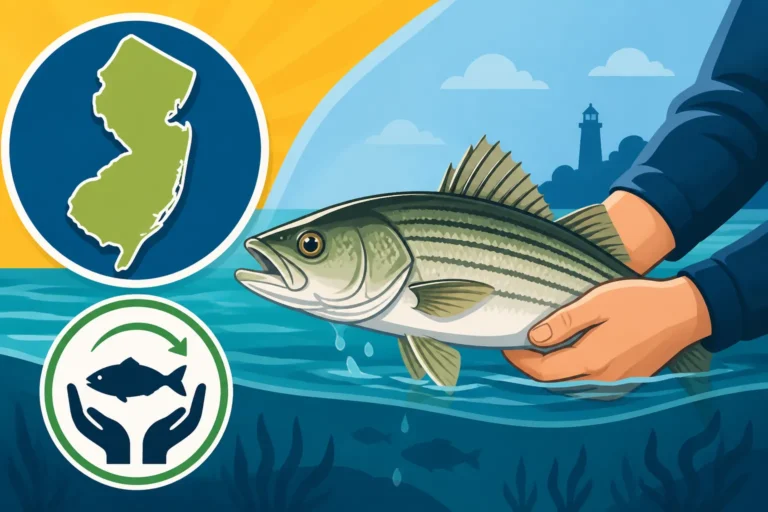
New Jersey fishing regulations for Atlantic sturgeon and shortnose sturgeon explain which fish species require mandatory catch and release.
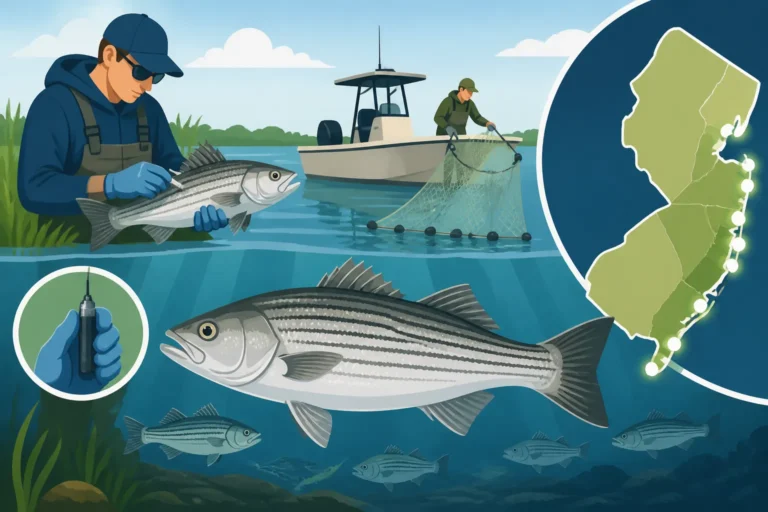
New Jersey striped bass tracking methods use commercial logbooks and recreational creel surveys to assess coastal fish populations.
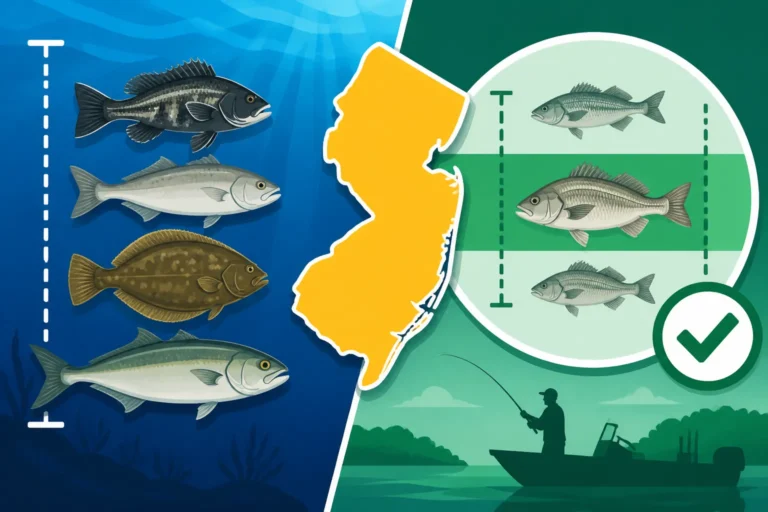
New Jersey fish slot limits protect large breeding specimens, ensuring long-term population health and sustainable fishing.
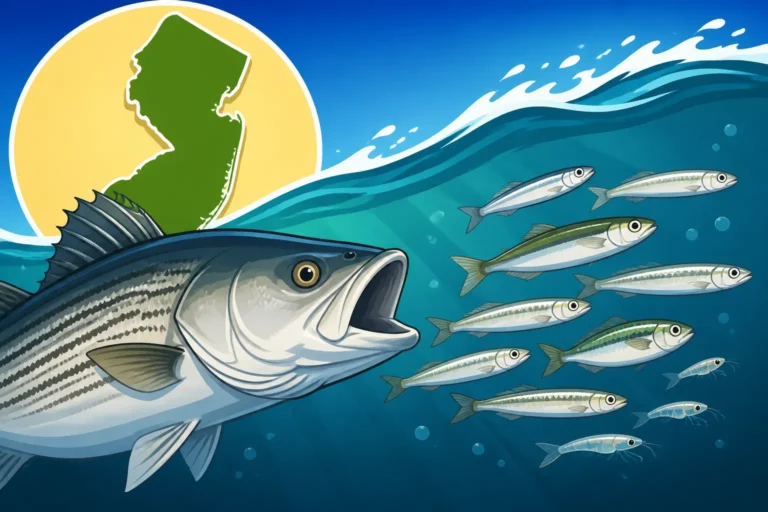
New Jersey saltwater gamefish feed on bunker, sand eels, shrimp, and crabs, dictating predator movements for successful angling.
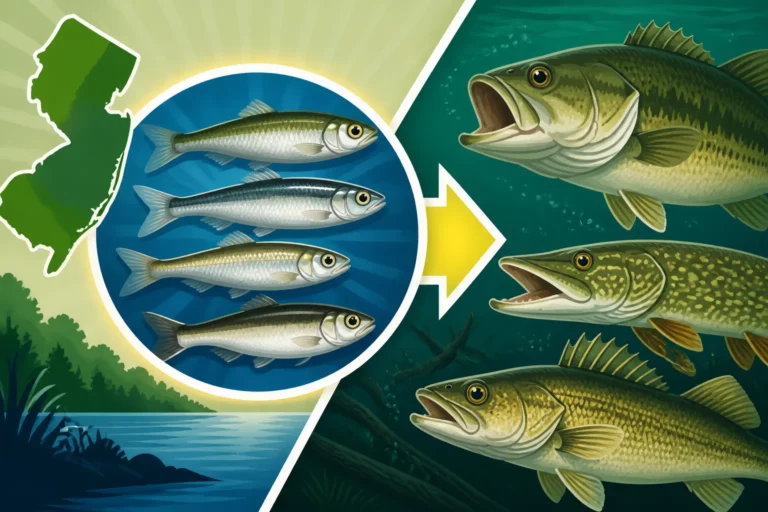
Freshwater predator species in New Jersey strike live bait fish like shiners, minnows, and sculpins that match their natural local diet.
Walleye populations in New Jersey lack true native origins, existing today entirely through state stocking programs and human intervention.
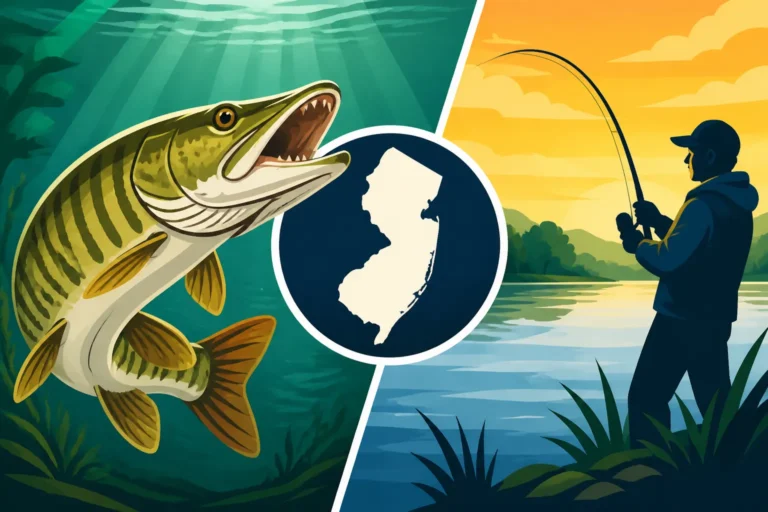
Tiger muskies are sterile hatchery hybrids of northern pike and muskellunge, featuring unique wavy vertical bars and sharp teeth.
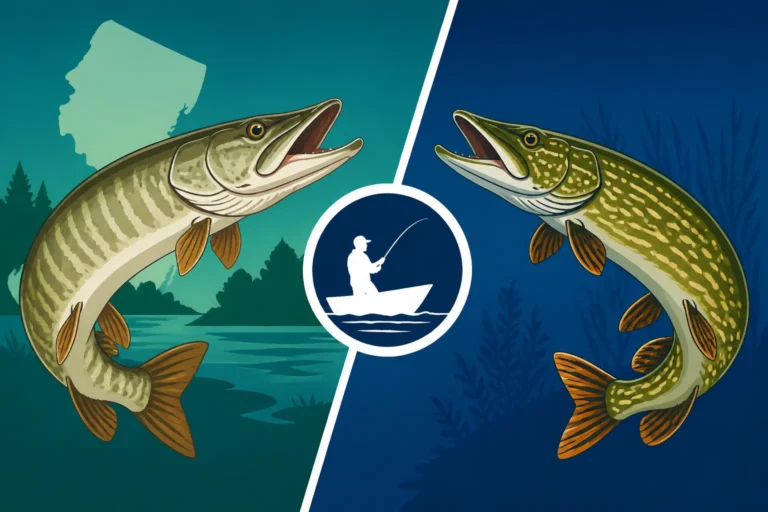
Muskie and northern pike identification markers explain how anglers distinguish these similar freshwater game fish species.
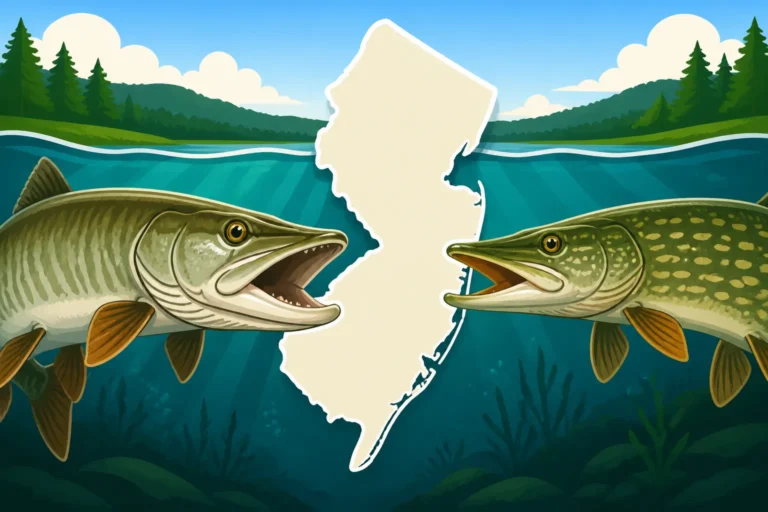
New Jersey muskellunge and northern pike share different habitat preferences across state waters like Lake Hopatcong and Greenwood Lake.
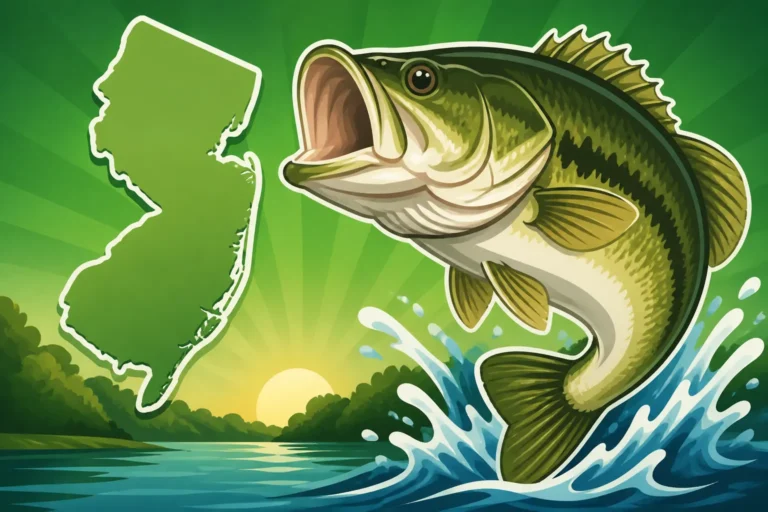
New Jersey largemouth bass typically live five to ten years, though exceptional fish can reach up to twenty years of age.