Why Do Some New Jersey Lakes Have Mercury Warnings?
Mercury contamination in New Jersey lakes comes from airborne sources and transforms into methylmercury within aquatic food webs.
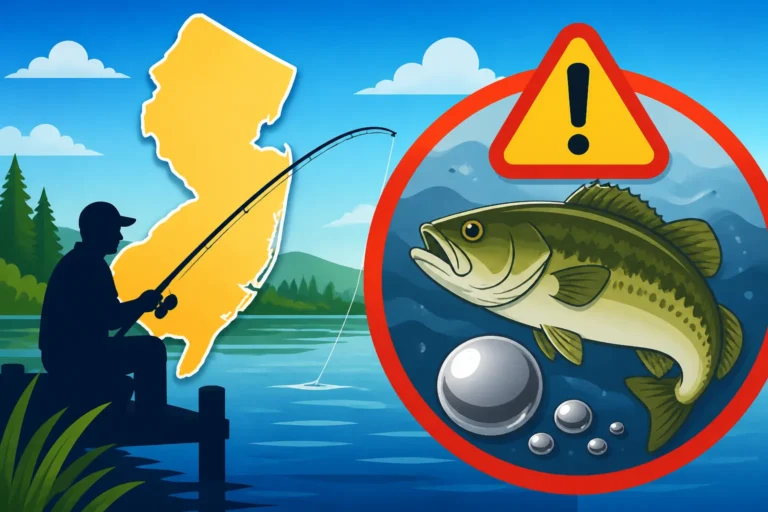
Mercury contamination in New Jersey lakes comes from airborne sources and transforms into methylmercury within aquatic food webs.
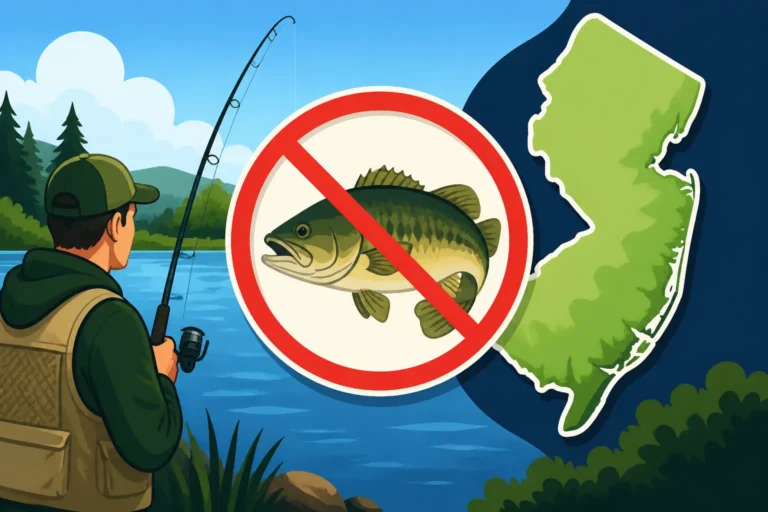
New Jersey fish consumption advisories explain safe eating limits for fish based on monitoring by environmental and health departments.
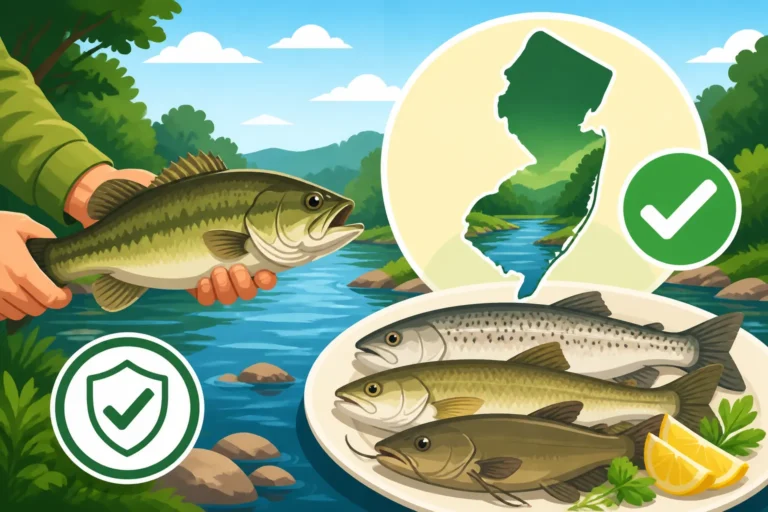
New Jersey fish consumption advisories explain how the NJDEP tests river fish for mercury, PCBs, and dioxins to protect public health.
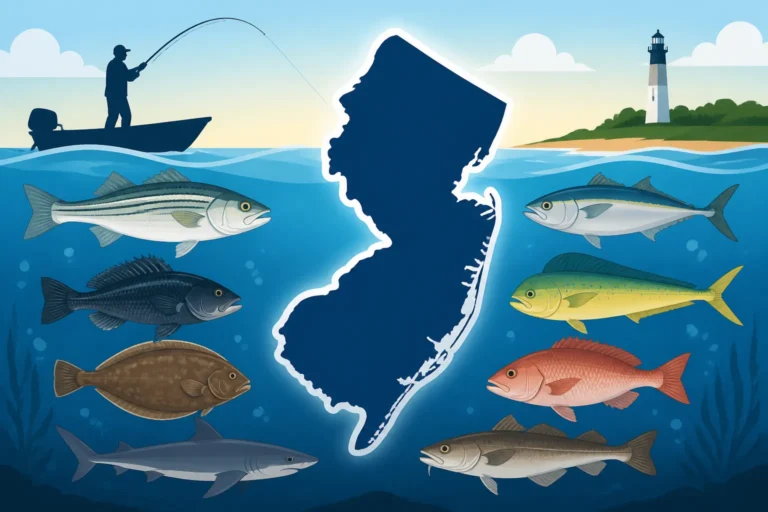
New Jersey fish species populate mountain lakes, pristine trout streams, sprawling bays, and the Atlantic Ocean across diverse habitats.
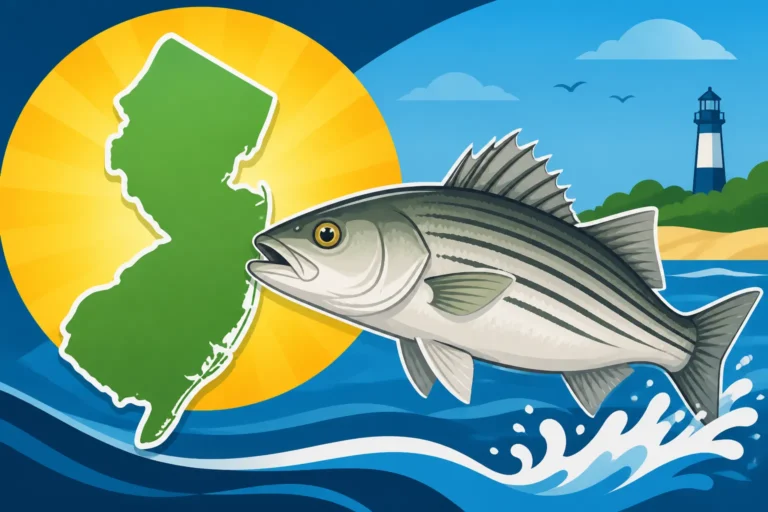
The brook trout, designated in 1991 as the official native state fish of New Jersey, lives in northern streams and rivers.
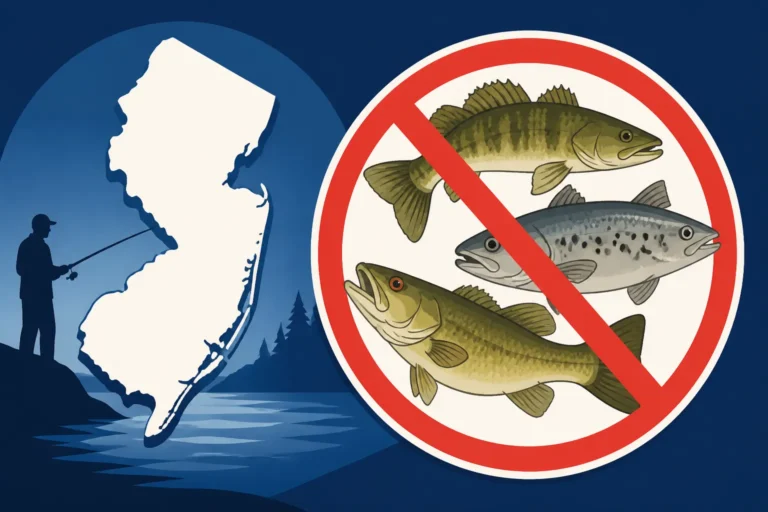
New Jersey fishing regulations list specific fish species that are illegal to possess to protect local aquatic ecosystems.
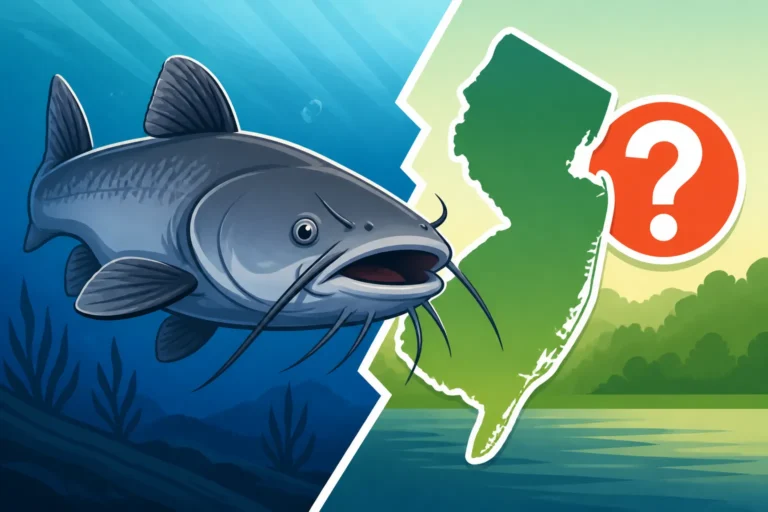
Blue catfish status in New Jersey reveals their invasive ecological impact and history of human introduction for recreational fishing.
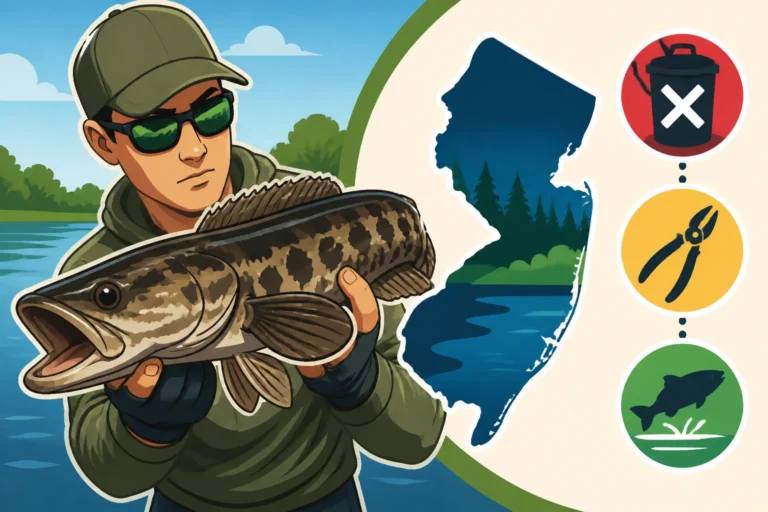
Northern snakeheads in New Jersey require specific identification features and immediate reporting to protect local aquatic ecosystems.
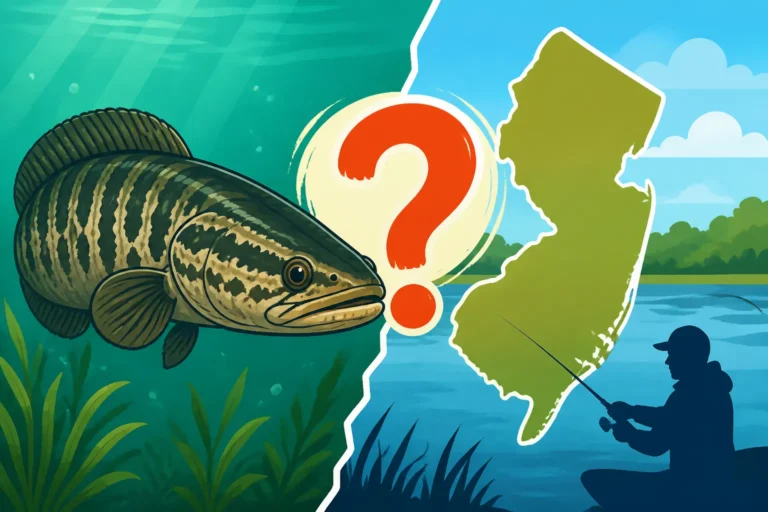
Northern snakeheads are invasive predators in New Jersey waters, threatening native fish populations and local aquatic ecosystems.
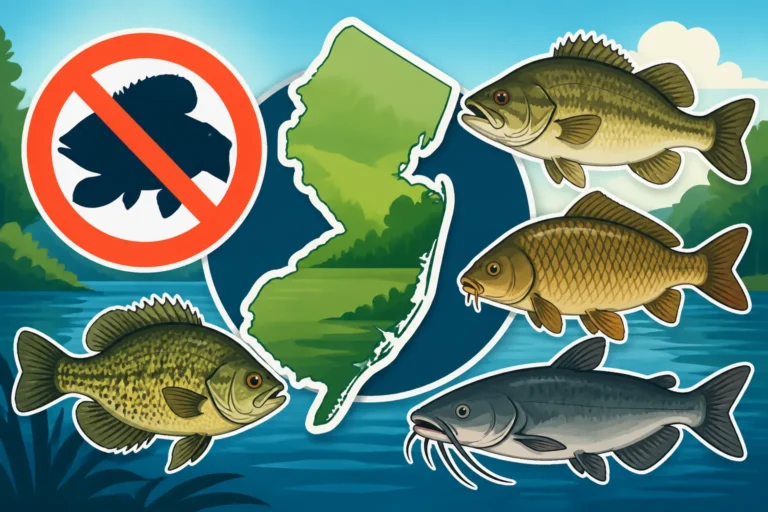
Invasive fish species in New Jersey lakes and rivers, and specific steps anglers can take to protect aquatic environments.