What Is the Lifespan of a New Jersey Largemouth Bass?
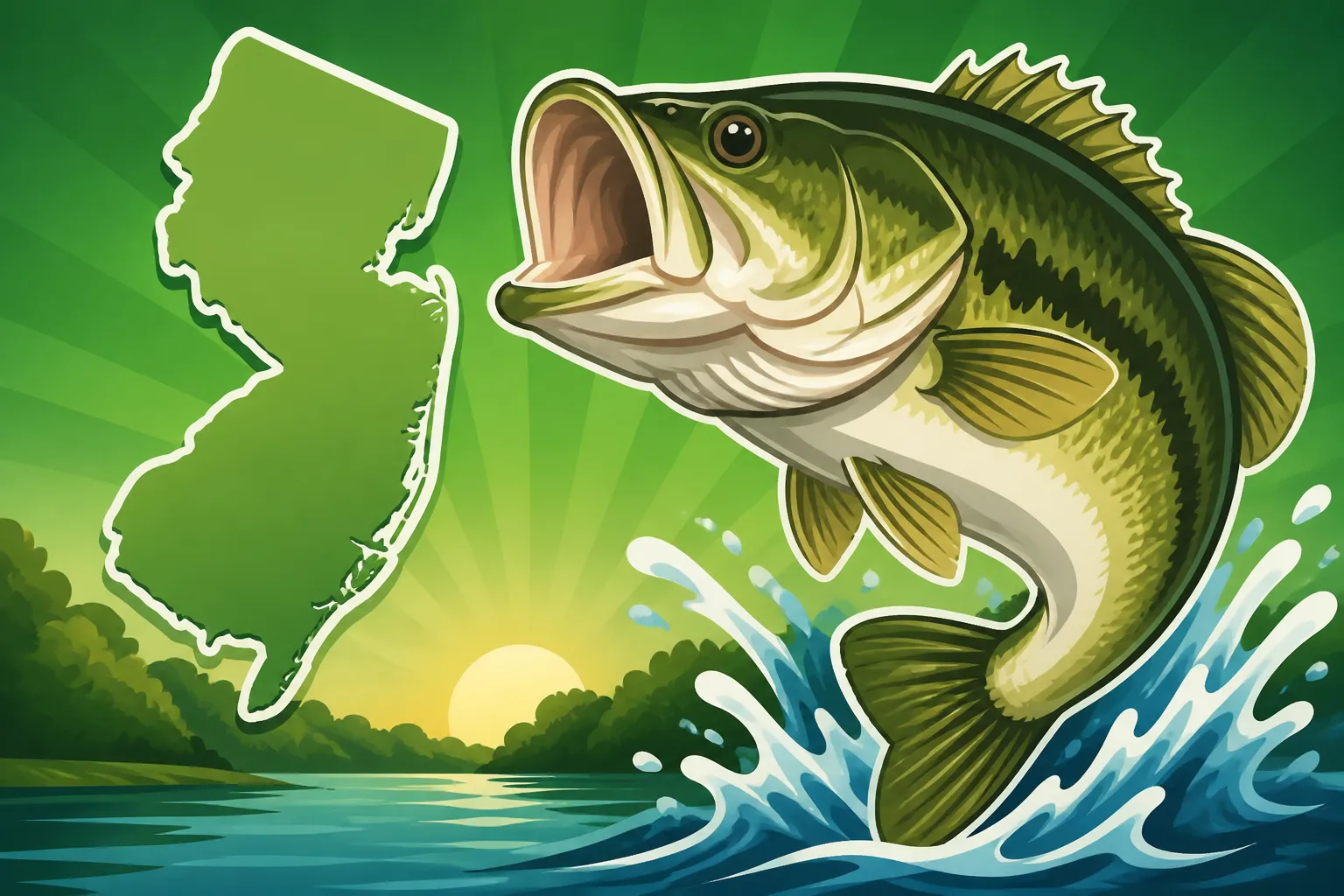
You've probably pulled in a nice, healthy largemouth bass from one of New Jersey's many incredible lakes or ponds and wondered, "How old is this fish?" It's a natural curiosity, one that speaks to the deeper connection we feel to the wildlife we encounter. Understanding the lifespan of these feisty greenbacks isn't just about trivia; it helps us appreciate the journey each fish has taken and reminds us of our role in ensuring a vibrant future for New Jersey's fisheries. This guide will dive into the fascinating factors that determine how many years these incredible fish can thrive in our local waters, from genetics to the very environment they call home.
Unpacking the Average Lifespan of a New Jersey Largemouth Bass
When we talk about the lifespan of a largemouth bass here in the Garden State, it's not a simple one-size-fits-all number. Just like people, some bass live longer, healthier lives than others, thanks to a complex interplay of factors. But there's definitely a typical range you can expect to encounter, and understanding it helps put the fish you catch into perspective.
What's a "Normal" Life Expectancy for Our Greenbacks?
In the freshwater lakes, rivers, and reservoirs of New Jersey, a largemouth bass typically lives for about 5 to 10 years. Now, that's an average, and averages can be deceiving! You'll certainly hear tales of anglers catching a truly ancient bass that might be 12, 15, or even closer to 20 years old, but these are often the exceptions rather than the rule. These venerable old fish have dodged countless lures, survived harsh winters, and outsmarted predators for many seasons.
Think about it: a bass that's, say, five years old in a healthy New Jersey pond might weigh a solid 2-3 pounds and show distinct signs of maturity, like a deeper body and perhaps some battle scars from spawning or territorial disputes. A ten-year-old bass, especially in waters with good genetics and abundant food, could easily be pushing the 5-7 pound mark or more, becoming a true trophy fish. These older, larger specimens are vital to the ecosystem, acting as top predators and successful spawners. They're often the ones we marvel at, and for good reason – they've earned their stripes through sheer resilience.
The Genetic Blueprint and Regional Differences
While environmental factors often steal the spotlight, the genetic makeup of a largemouth bass plays a subtle but significant role in its potential lifespan. Here in New Jersey, our largemouth bass populations are primarily made up of the Northern strain of largemouth. This strain is well-adapted to our temperate climate, including the colder winters and distinct seasonal changes. They have evolved to handle these conditions, impacting their growth rates and, ultimately, their longevity.
In other parts of the country, particularly the warmer southern states, you might find Florida-strain largemouth bass or various hybrids. These fish are known for their potential to grow much larger and faster, but they often have a shorter lifespan compared to their Northern counterparts when introduced into colder climates, as their physiology isn't built for prolonged cold. This is why New Jersey's specific climate and water body conditions are so important; they shape how our local bass grow, reproduce, and ultimately, how long they survive. Our bass might not grow as fast as those in Florida, but they are genetically programmed for a more durable existence in our distinct northeastern environment.
Key Environmental Factors Shaping a Bass's Life
The environment a largemouth bass inhabits is arguably the most critical determinant of its lifespan. Think of it as their home, their grocery store, and their doctor's office all rolled into one. The quality of these elements directly impacts their health, growth, and ability to survive from one season to the next.
Habitat is Home: Water Quality and Structure
For a largemouth bass to truly thrive and reach its full potential age, it needs pristine living conditions. Clean, well-oxygenated water is absolutely non-negotiable. Pollutants from runoff, excessive nutrient loading leading to algae blooms, or even just stagnant, warm water with low dissolved oxygen can stress a bass's system, making it more susceptible to disease and significantly shortening its life. Imagine trying to live in a constantly unhealthy environment – it takes its toll. In New Jersey, conservation efforts work to monitor and improve water quality, which is beneficial for all aquatic life. If you're ever concerned about local water quality, it’s worth checking if there are Are There Fish Consumption Advisories for New Jersey Lakes?, as this can sometimes indicate broader environmental issues.
Beyond just clean water, largemouth bass need diverse and abundant habitat. This means a mix of submerged vegetation (like lily pads, hydrilla, or coontail), fallen timber, rocky bottoms, and even man-made structures like docks and bridge pilings. These elements provide crucial ambush points for hunting prey, offer shelter from larger predators (like osprey or otters), and serve as vital spawning grounds. Without adequate cover and structure, bass are more exposed, stressed, and less likely to find enough food or safely reproduce. Many of the Best Lakes for Largemouth Bass in New Jersey are celebrated precisely because they offer this rich, varied habitat. A large, old bass has likely spent its entire life navigating and utilizing these complex underwater landscapes to its advantage.
The Food Chain: Nutrition and Growth Rates
Another huge factor in how long a bass lives is its dinner plate – or, more accurately, the abundance and variety of forage fish, crustaceans, and insects in its ecosystem. A lake teeming with minnows, bluegill, crawfish, frogs, and various aquatic insects means a bass can eat well, grow quickly, and maintain a robust immune system. Think about it: a well-fed bass is a strong bass, capable of fighting off disease, healing from injuries, and enduring environmental stressors.
When food is plentiful, bass grow faster, often reaching larger sizes more quickly. This rapid growth, especially in their early years, contributes to their overall health and resilience. Conversely, in waters where forage is scarce, bass might be stunted, growing slower and remaining smaller. These undernourished fish are often weaker, more susceptible to disease, and generally have a shorter lifespan. It’s a direct correlation: good food equals good health, which equals a longer life. Understanding How Fast Do Largemouth Bass Grow? is really about understanding the health of the food web in a particular body of water. When you're out fishing, observing the condition of the bass you catch – are they fat and healthy, or thin and lethargic? – can tell you a lot about the health of that fishery.
Angling Pressure and the Perils of the Pond
While habitat and food are primary drivers of lifespan, human interaction and other natural threats also play a significant role. Our passion for fishing, even with the best intentions, can sometimes add stress to these amazing creatures.
The Catch-and-Release Paradox
Most New Jersey bass anglers are incredibly responsible and passionate about conservation, often practicing catch and release, especially for larger, trophy-sized bass. We all want those big ones to go back and spawn and grow even bigger! However, even with the best intentions, catch and release is not a zero-mortality sport. It's a paradox: we release them to live, but sometimes the act of catching them can still be their undoing.
The stress of the fight, being handled, exposed to air, and enduring temperature changes (especially if the water is very warm) can all take a toll. A bass that swims away strongly might still succumb hours or days later to exhaustion, internal injury, or secondary infection. Think about a long, grueling fight on light tackle, or a fish held out of water for a lengthy photo session on a scorching summer day. These moments, while often unavoidable in our pursuit, can be critical. This is why proper handling techniques, like those generally applied for all species as discussed in New Jersey Catch and Release Striped Bass Handling Rules, are so vital to minimize the stress and increase a bass's chances of survival post-release. We celebrate when a fish goes back, but it's important to acknowledge the inherent risks.
Disease, Predation, and Natural Selection
Beyond the angler, bass face a constant barrage of natural threats throughout their lives. Smaller, younger bass are a meal for larger fish, snapping turtles, ospreys, herons, and even otters. It's a tough world out there in the pond, and constant vigilance is required for survival. As bass grow older and larger, their list of predators shrinks, but they're still not entirely safe.
Then there are diseases and parasites. Like any living creature, bass can get sick. Natural outbreaks of bacterial or fungal infections can occur, often exacerbated by environmental stressors like poor water quality, overcrowding, or extreme temperatures. A bass's immune system, while robust, can be compromised, leading to illness and eventual death. The oldest, largest bass are often a testament to their exceptional resilience and perhaps a bit of luck, having navigated these natural perils year after year. It's a continuous process of natural selection, where only the hardiest, smartest, and sometimes luckiest fish make it to an old age, ensuring that the strongest genes are passed on to the next generation.
Prolonging the Life of New Jersey's Largemouth Giants
As anglers, we have a unique opportunity to directly impact the longevity of the fish we love to pursue. By adopting thoughtful practices and supporting broader conservation efforts, we can contribute to healthier, longer-lived largemouth bass populations in New Jersey.
Responsible Angling for a Healthier Fishery
Our actions on the water can make a real difference. First and foremost, proper catch-and-release techniques are paramount, especially when targeting mature bass that are crucial for a healthy breeding population. Aim for a quick fight using appropriate tackle – a heavy setup for big bass can reduce fight time, minimizing stress. You can find robust bass fishing combos on Amazon that are perfect for landing those larger fish efficiently. Minimize air exposure, keeping the fish in the water as much as possible. Handle the fish with wet hands to protect its slime coat, and always support its entire body weight, especially when lifting it for a quick photo.
Consider using barbless hooks or crimping down the barbs on your hooks; this makes removal quicker and less damaging. Many anglers invest in specialized tools, like hook removers and fish-friendly landing nets, which are readily available on platforms like Amazon, to ensure minimal harm during catch and release. Avoid fishing for extended periods during extreme conditions, such as scorching summer afternoons when water temperatures are at their peak, or during harsh cold snaps when fish are already stressed. These are times when bass are most vulnerable to the adverse effects of being caught. Stocking up on high-quality lines and leaders, easily sourced from Amazon, can prevent break-offs and prolonged fights, further contributing to a fish's survival post-release. It truly makes a difference to the fish's chances of recovery.
Supporting Conservation and Understanding the Ecosystem
Beyond our individual angling practices, being an informed and proactive member of the fishing community is vital. Respecting and understanding fishing regulations, such as New Jersey Daily Bag Limits by Species, isn't just about avoiding penalties; it's about managing fish populations responsibly. These limits are set based on scientific data to ensure sustainable fisheries.
Furthermore, advocate for and participate in efforts to protect and restore freshwater habitats. This could mean joining local cleanup initiatives, reporting pollution, or simply being mindful not to litter around our beautiful lakes and rivers. A clean, healthy ecosystem is the foundation for healthy, long-lived fish. Keeping abreast of the latest information by Reading the New Jersey Fish and Wildlife Digest is an excellent way to stay informed about regulatory changes and conservation initiatives. These documents are packed with valuable insights into the state of our fisheries.
Finally, consider the value of a truly enormous bass. While catching a What Is the Biggest Largemouth Bass Ever Caught in New Jersey? might be the dream for many, remember that these old, large fish are often the best breeders, contributing significantly to the genetic health and future generations of bass in our waters. Releasing these giants unharmed, after a quick photo, ensures they continue their vital role in the ecosystem. Your decision to carefully release that lunker could mean many more years of spawning, contributing to a vibrant fishery for all.
Here's a quick look at the many factors at play:
| Factor | Impact on Lifespan | Angler's Role |
|---|---|---|
| Genetics | Inherent hardiness, growth potential | Minimal direct control; support diverse populations |
| Water Quality | Critical for health, oxygen levels | Report pollution, don't litter, support clean water initiatives |
| Habitat Structure | Provides cover, food sources, spawning areas | Protect natural features, don't damage vegetation |
| Food Availability | Influences growth rates, overall health | Respect bag limits, don't overfish forage species |
| Water Temperature | Optimal range for metabolism, stress tolerance | Exercise caution with C&R in extreme temps |
| Catch & Release | Potential for stress, injury, delayed mortality | Use proper handling, appropriate tackle, minimize air time |
| Disease/Parasites | Can weaken or kill fish | Prevent introduction of non-native species, support healthy ecosystems |
| Predation | Natural population control | Minimal direct control; support balanced ecosystems |
Disclaimer
This article is for general informational purposes only and does not constitute professional advice. Laws, prices and regulations vary by location and change over time. Consult a qualified professional for guidance on your specific situation.