New Jersey Weakfish Decline and Conservation
It's heartbreaking to talk about a fish species that once thrived in our waters, so much so that it earned the nickname "yellowfin" for its golden beauty, only to see its numbers dwindle significantly. Many long-time New Jersey anglers remember when weakfish were abundant, and it feels like a real loss to witness their scarcity today. This guide will dive deep into the story of the weakfish in New Jersey, exploring what led to their decline, the conservation efforts currently underway, and what every angler can do to help ensure a future for this iconic species.
The Golden Age of Weakfish: A Look Back at New Jersey's Heyday
For decades, weakfish, often affectionately called 'weakies' or 'sea trout,' were a cornerstone of New Jersey's inshore fishery. If you talk to any old-timer who's been fishing the bays and backwaters for a long time, they'll tell you stories of schools so thick you could almost walk across their backs. It wasn't just a fish; it was a symbol of abundant, healthy estuaries and a reliable target for countless anglers, from seasoned veterans to excited kids on a summer vacation. The mere thought of those days can bring a wistful smile to a seasoned angler's face, recalling a time when catching a limit wasn't a challenge, but an expectation.
What Made Weakfish So Popular?
Weakfish really had it all. First, they were incredibly prolific, making them a common catch throughout the spring, summer, and fall. They inhabited a wide range of environments, from the surf and inlets to the deeper channels of the bays and even up into tidal rivers. This accessibility meant that whether you had a boat or just a rod and reel from a local dock, you had a good shot at hooking into one. Their distinct golden-yellow fins and iridescent, speckled bodies made them a beautiful sight, shimmering like jewels when pulled from the water.
Beyond their beauty and abundance, weakfish offered a fantastic angling experience. They're known for their soft mouths, which is actually where they get their name – they tend to tear off hooks if you fight them too aggressively. This "weak" mouth demanded a delicate touch and a skillful hand, making a successful landing all the more satisfying. But don't let the name fool you; they can put up a surprisingly strong, head-shaking fight that gets the adrenaline pumping. And once you brought them home? Oh, they were, and still are, absolutely delicious. Their delicate, flaky white meat is perfect for grilling, frying, or baking, making them a prized table fare. It was truly a species that delivered on all fronts: visual appeal, a fun fight, and a tasty reward.
Anecdotes from the Past
My grandfather, a true Jersey Shore native, used to tell me stories about weakfish runs in Barnegat Bay that sounded like something out of a fishing fable. He'd describe how, in the late spring, the weakfish would flood into the bay, following the baitfish. He'd take his old wooden skiff, anchor up in a channel, and within minutes, the rods would be bent over. He never needed fancy electronics; he just knew the tides and where the current would stack up the bait. He talked about evenings when the water would just erupt with feeding weakfish, their tails flashing under the sunset.
These aren't isolated tales; countless anglers recall similar experiences. They talk about catching weakfish so regularly that they almost took them for granted. They’d fill coolers with bright yellowfins, enough for family dinners and to share with neighbors. Photos from those decades often show anglers beaming, holding up strings of weakfish that stretched the length of their arms – sights that are incredibly rare today. These memories serve as a stark reminder of what we've lost, but also as a powerful motivation for why conservation is so crucial now. It’s a vision of what our waters can be again.
Understanding the Decline: Why Weakfish Numbers Dropped
The decline of weakfish wasn't a sudden event but a gradual erosion of their population, influenced by a complex web of factors. For many anglers, it felt like one day they were there in force, and the next, they were a ghost of their former selves. It’s easy to point fingers, but the truth is usually much more nuanced, involving environmental shifts, human impact, and natural ecological changes working in concert. Understanding these interconnected causes is the first step toward effective recovery.
Environmental Factors and Habitat Loss
One of the biggest silent culprits in the weakfish decline is the degradation and loss of their critical habitats. Weakfish are estuarine-dependent fish, meaning they rely heavily on healthy bays, estuaries, and tidal rivers for spawning, nursery grounds, and foraging. Unfortunately, many of New Jersey's coastal areas have seen significant development over the past century. Think about all the bulkheads, marinas, and residential areas that have replaced natural salt marshes and seagrass beds – crucial real estate for juvenile weakfish to hide and feed.
Beyond physical habitat loss, water quality has also been a major issue. Pollution from stormwater runoff carrying pesticides, fertilizers, and other contaminants can drastically impact these sensitive ecosystems. Increased water temperatures due to climate shifts can also stress weakfish, altering their migration patterns and reproductive success. These environmental pressures make it harder for young weakfish to survive and for adult fish to thrive, forming a significant hurdle in their lifecycle. When the very nursery where a species grows up is compromised, it has a ripple effect throughout the entire population.
Commercial and Recreational Fishing Pressure
It's impossible to discuss the weakfish decline without acknowledging the role of fishing pressure, both commercial and recreational. In their heyday, weakfish were such a plentiful species that they supported a robust commercial fishery, primarily through trawling and gillnetting, and an incredibly popular recreational fishery. While regulations existed, they weren't always enough to manage the sheer volume of fish being harvested, particularly during peak periods of abundance. There was a time when the focus was more on harvesting capacity than on sustainable yield.
Historical overfishing, especially in the 1980s and early 90s, played a significant role in reducing the adult breeding stock. Weakfish grow relatively fast and mature early, but sustained heavy fishing pressure can outpace even their impressive reproductive capacity. Furthermore, weakfish are often caught as bycatch in fisheries targeting other species, such as fluke (summer flounder). Even if they weren't the primary target, these incidental catches added to the overall mortality rate. Over time, this cumulative pressure on a fish with a naturally weak mouth, making it vulnerable to handling stress, contributed to a dwindling population base that struggled to rebound. It’s a tough pill to swallow, but recognizing this past impact is vital for current and future management strategies. You can read more about New Jersey Fishing Season Dates and Closures to understand how regulations try to manage this.
Natural Predators and Changing Ecosystems
Beyond human-induced factors, changes within the natural ecosystem itself have likely contributed to the weakfish's struggles. The marine environment is a dynamic and interconnected web, and shifts in one part can impact another. For instance, the populations of natural predators that feed on weakfish, especially juveniles, may have increased. Larger fish like striped bass, bluefish, and even some shark species are known predators of weakfish. While this is a natural part of the food web, an imbalance can amplify pressure on an already stressed population.
The availability of their primary baitfish sources also plays a critical role. Weakfish feed on a variety of smaller fish like spearing, anchovies, and juvenile menhaden, as well as crustaceans. If these baitfish populations fluctuate due to environmental changes or their own fishing pressures, it can directly impact the weakfish's ability to find food and grow. The warming ocean temperatures also lead to shifts in species distribution. As some species move north or south, new predators might enter weakfish habitats, or their traditional food sources might become scarcer. This complex interplay of predator-prey dynamics and habitat shifts makes recovery a multi-faceted challenge. It's a reminder that we don't just fish for one species in isolation; we interact with an entire ecosystem.
The Science Behind the Struggle: Stock Assessments and Management
When fish populations start to decline, it's not just anglers noticing fewer bites; fisheries scientists are busy monitoring the situation. The world of fisheries management is a blend of biology, ecology, statistics, and sometimes, a little bit of educated guesswork. It's a constant effort to gather data, understand trends, and make informed decisions that balance the needs of the fish with the interests of commercial and recreational fishing communities. It's a tough job, often thankless, but absolutely crucial for the long-term health of our marine resources.
How Scientists Monitor Weakfish Populations
Fisheries scientists use a variety of methods to keep tabs on weakfish populations. It’s not as simple as counting every fish, of course. Instead, they employ sophisticated techniques to estimate population size, health, and reproductive success. One common method involves scientific trawls, where nets are deployed in specific areas at regular intervals to catch samples of fish. These samples provide data on the age, size, and health of weakfish, indicating how many young fish are recruiting into the population and how many older, spawning fish are still present.
Beyond direct sampling, scientists also rely on data reported by both commercial fishermen and recreational anglers. Commercial landing reports give a picture of how many weakfish are being harvested, while voluntary angler surveys, like those conducted by state agencies and the National Marine Fisheries Service, collect information on catch rates and effort. Sometimes, you might even get a call from someone conducting a New Jersey Recreational Fishing Survey: Why You Might Get a Call, and participating in these surveys is incredibly helpful. This combination of scientific surveys and citizen science helps paint a more complete picture of the stock's status, guiding management decisions. They are constantly looking for patterns, trying to decipher what the numbers are telling them about the health of the stock.
Setting Regulations: The Role of Fisheries Management Councils
Once the data is collected and analyzed, it's the job of regional fisheries management councils to set regulations. For weakfish, much of this work falls under the purview of the Atlantic States Marine Fisheries Commission (ASMFC), a multi-state organization that manages shared marine resources along the East Coast. They develop management plans based on scientific assessments, aiming to rebuild depleted stocks and sustain healthy ones. These plans involve setting limits on harvest, such as New Jersey Weakfish Bag Limit Explained and minimum size requirements.
The process is often contentious and challenging, as it requires balancing the needs of all stakeholders – commercial fishermen, recreational anglers, and conservationists – across multiple states. Regulations need to be enforceable, based on the best available science, and ultimately effective at promoting stock recovery. It's a continuous cycle of assessment, adjustment, and monitoring. Sometimes, regulations change year to year based on new data and stock assessments, which is why it's so important to always check the most current New Jersey Freshwater Fishing Regulations Every Angler Should Know or saltwater guides. They often face pressure from various groups, but their core mission remains the long-term health of the fish.
Current Status of the Weakfish Stock
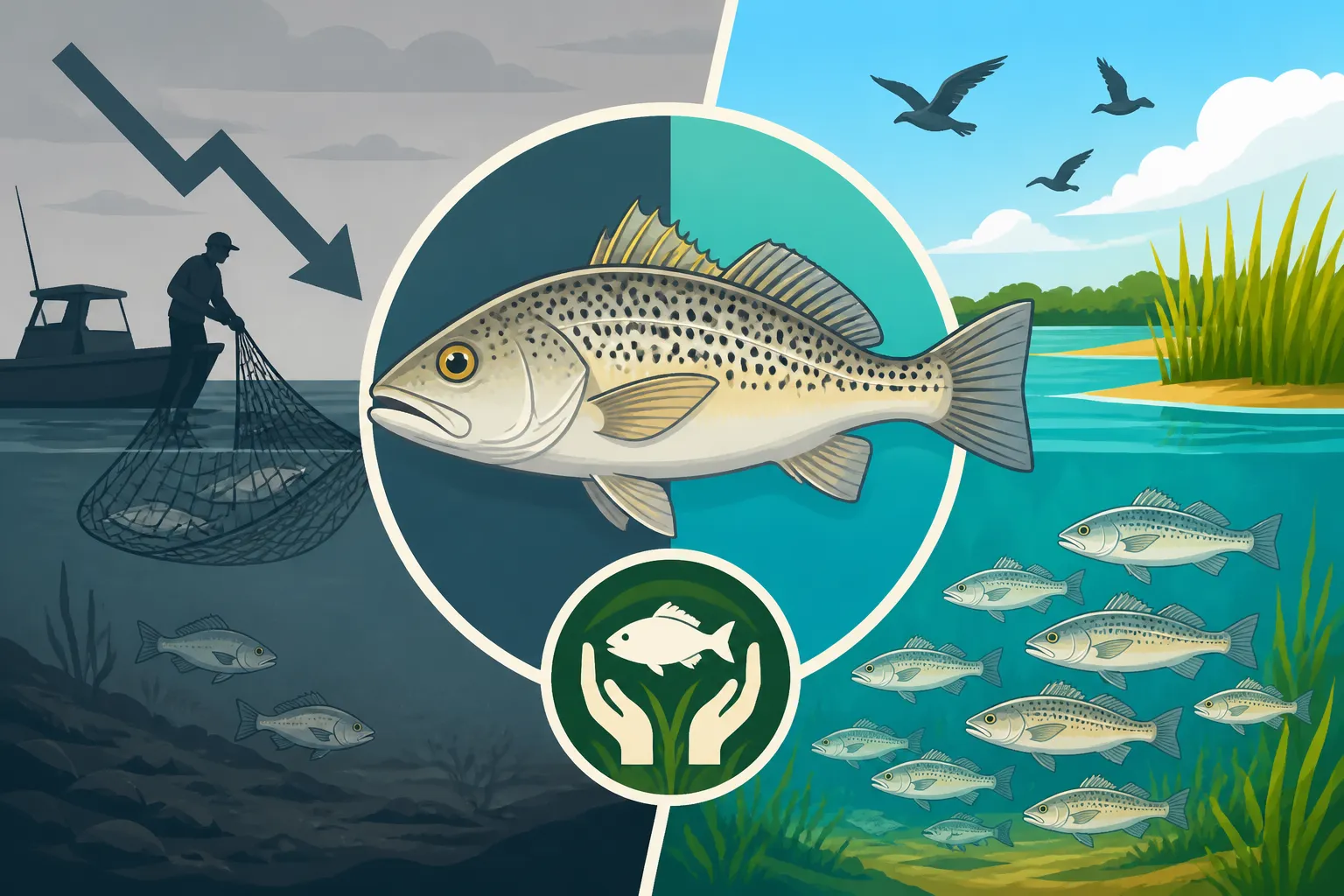
Unfortunately, despite years of conservation efforts and strict regulations, the weakfish stock is still considered to be at a low level. Stock assessments continue to show that the population is depleted and has not rebounded as quickly as hoped. While there have been minor fluctuations and occasional good year classes of juvenile fish, a sustained recovery of the overall spawning stock has remained elusive. It's a frustrating reality for everyone involved, especially for those of us who remember the glory days.
This doesn't mean efforts are failing entirely, but it highlights the immense difficulty in rebuilding a population that has faced such a severe decline and continued environmental pressures. Scientists and managers are constantly reviewing the situation, looking for new insights, and evaluating whether current management strategies are sufficient. The good news is that the dedicated work continues, and the weakfish remain a priority for conservation. It’s a testament to the perseverance of our fisheries managers that they don’t give up, even when the data isn't encouraging. The long-term goal is still to bring back a healthy, self-sustaining population of weakfish to New Jersey's waters.
Conservation Efforts: What's Being Done to Help Weakfish Recover
The story of the weakfish decline is sobering, but it's not without hope. Dedicated efforts by state and federal agencies, conservation groups, and individual anglers are all playing a part in trying to turn the tide. These efforts range from carefully crafted fishing regulations to on-the-ground habitat restoration projects, all aimed at giving weakfish the best possible chance to recover. It's a collective responsibility, and every contribution, big or small, matters.
Current Fishing Regulations and Why They Matter
One of the most direct ways to protect a struggling fish population is through fishing regulations. For weakfish, current rules in New Jersey reflect the severe state of their stock. Anglers face strict How Bag and Size Limits Work in New Jersey to reduce overall harvest and protect spawning-age fish. These regulations might include very low daily bag limits, often just one fish per person, and a specific slot limit or minimum size. The idea behind these limits is to allow as many weakfish as possible to survive long enough to spawn, thus contributing to the next generation.
For instance, if the limit is one fish, it means that while you can still enjoy the thrill of catching a weakfish, the intention is not to fill your cooler. It's about appreciation and sustainability. These rules are regularly reviewed and updated based on the latest scientific stock assessments. While some anglers might find them restrictive, they are absolutely crucial for giving the weakfish a fighting chance. Adhering to these regulations is not just about legality; it's about being a responsible steward of our marine resources. Anglers can stay informed by checking the New Jersey Fish and Wildlife Digest for the most up-to-date rules.
Habitat Restoration Projects
Protecting and restoring critical weakfish habitat is another cornerstone of conservation. Since weakfish rely so heavily on healthy estuaries and coastal wetlands for their lifecycle, efforts to improve these environments directly benefit the species. Across New Jersey, various organizations and state agencies are involved in projects to restore degraded salt marshes, plant new seagrass beds, and improve water quality in rivers and bays. These projects create healthier nursery grounds for juvenile weakfish, providing them with safe places to grow and abundant food sources.
Think about initiatives like marsh grass planting days or efforts to reduce pollution runoff into our waterways. These might not seem directly related to weakfish, but by improving the overall health of the ecosystem, we create a more hospitable environment for them to thrive. Clean water and abundant, healthy habitat are fundamental building blocks for a strong fish population. Many local environmental groups and state park services are involved in these vital projects, and they often welcome volunteers. You can even find books on coastal habitat restoration, perhaps through Amazon, to deepen your understanding. These hands-on efforts are just as important as the regulations in the water.
Angler's Role in Conservation
As anglers, we have a significant role to play in weakfish conservation, even beyond simply following the rules. One of the most impactful things we can do is practice responsible catch and release, especially for a species with such a delicate mouth. If you decide to target weakfish or catch one incidentally, consider releasing it unharmed. When practicing Catch and Release Rules in New Jersey, handle the fish gently, minimize its time out of the water, and use appropriate de-hooking tools.
Beyond catch and release, educating ourselves and others is key. Understanding why weakfish are in trouble and sharing that knowledge can help foster a broader conservation ethic. Anglers can also report any illegal fishing activity they witness, helping to ensure that regulations are enforced. Supporting organizations dedicated to marine conservation and fisheries research also makes a difference. Every time you buy a fishing license or a New Jersey Trout Stamp Requirements Explained, a portion of those funds goes towards conservation and management efforts. By being proactive and responsible, we become part of the solution, giving future generations a chance to experience the joy of catching a weakfish. You can also explore specialized gear for gentle catch and release, available at many tackle shops or online retailers like Amazon.
Looking Ahead: The Future of Weakfish in New Jersey Waters
The future of weakfish in New Jersey is a topic that stirs a mix of hope and concern among anglers and conservationists alike. While the challenges are significant, the dedication to their recovery remains strong. We all want to see the weakfish return to their former abundance, not just for the thrill of the catch, but as an indicator of a thriving, healthy marine environment. It's a long game, and patience combined with persistent effort will be key.
Signs of Hope and Continued Challenges
Despite the overall low stock status, there have been glimmers of hope. Occasionally, a stronger year class of juvenile weakfish will be detected in scientific surveys, offering a temporary boost to local populations. These small surges remind us that the species can still reproduce and, given the right conditions, can start to rebound. It shows that the biological potential is still there, even if the larger trend is still concerning. These fluctuations can lead to years where some anglers report better weakfish catches, only to see numbers dip again.
However, the road to full recovery is undoubtedly long and fraught with continued challenges. Environmental factors, such as changing ocean conditions and ongoing habitat pressures, remain a persistent hurdle. Balancing the needs of the weakfish with the realities of coastal development and other human activities is a complex task. Furthermore, the interactions within the food web, including predator-prey dynamics, are always shifting. The weakfish faces an uphill battle, but every strong year class, every successful habitat restoration project, and every responsible catch and release angler contributes to its potential future.
Supporting Sustainable Fishing Practices
For those of us who care deeply about New Jersey's fisheries, supporting sustainable fishing practices is paramount. This means more than just adhering to current regulations; it's about advocating for sound fisheries management, participating in citizen science initiatives, and spreading awareness. When you hear about proposed changes to How New Jersey Sets Its Fishing Regulations Each Year, take the time to learn about them and offer informed feedback when appropriate. Your voice, combined with many others, can influence policy and ensure conservation remains a priority.
Consider broadening your fishing interests to species that are currently abundant and healthy, thereby reducing pressure on struggling stocks. If you're passionate about angling, explore new techniques or target different fish. Seek out information on ecosystem health, perhaps from resources you can order on Amazon, to better understand the bigger picture. By collectively embracing a conservation-minded approach, we can help create a culture that values the long-term health of our fisheries over short-term gains. It's about remembering that we are part of the ecosystem, and our actions have consequences, both positive and negative, for species like the beloved weakfish.
| Feature | Historical Abundance (Pre-1990s) | Current Status (Post-2000s) | Conservation Focus |
|---|---|---|---|
| Population Level | Abundant, widespread | Depleted, low | Rebuilding spawning stock |
| Daily Bag Limit | Higher, often liberal | Very restrictive (e.g., 1 fish) | Reducing harvest |
| Size Limit | Often lower or none | Specific minimum or slot | Protecting reproductive fish |
| Habitat | More pristine estuaries | Degraded in many areas | Restoration & protection |
| Fishing Pressure | High commercial & recreational | Low harvest, incidental bycatch | Sustainable practices |
| Outlook | Healthy, self-sustaining | Challenging, slow recovery | Hopeful with continued effort |
Disclaimer
This article is for general informational purposes only and does not constitute professional advice. Laws, prices and regulations vary by location and change over time. Consult a qualified professional for guidance on your specific situation.