New Jersey Pickerel Fishing Guide
For many anglers, the elusive pickerel can be a bit of a mystery, often overshadowed by their larger pike and muskie cousins or simply overlooked in favor of more popular gamefish like bass and trout. But if you’ve ever found yourself wondering what those torpedo-shaped fish are that dart through the weeds or felt the sudden, aggressive strike of a toothy predator in a shallow New Jersey lake, you’ve likely encountered a pickerel. This comprehensive guide will pull back the curtain on these fascinating fish, helping you understand their habits, where to find them, and how to successfully target them across the diverse waters of the Garden State.
Unmasking the Chain Pickerel: New Jersey's Toothiest Underdog
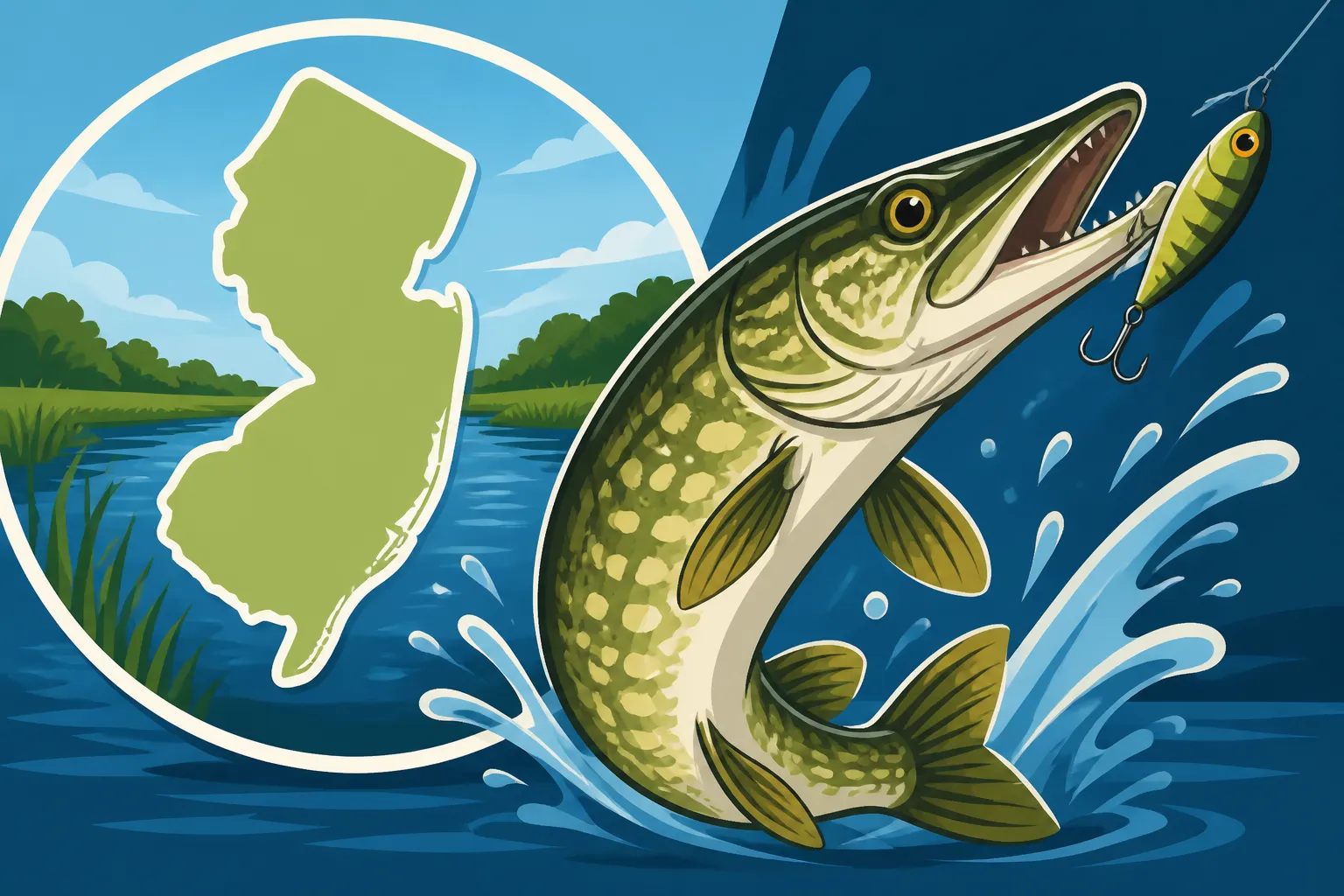
The Chain Pickerel (Esox niger) is a true native New Jersey fish, often swimming right under our noses in the freshwater ponds, lakes, and slow-moving rivers across the state. They might not be as glamorous as a huge muskie or as fiercely fought as a striped bass, but pickerel offer an exciting challenge and a sharp tug on the line. Anglers often underestimate them, but these aggressive, carnivorous fish can provide some truly memorable fishing experiences, especially when other species are sluggish.
Identifying the Chain Pickerel: Beyond a Guess
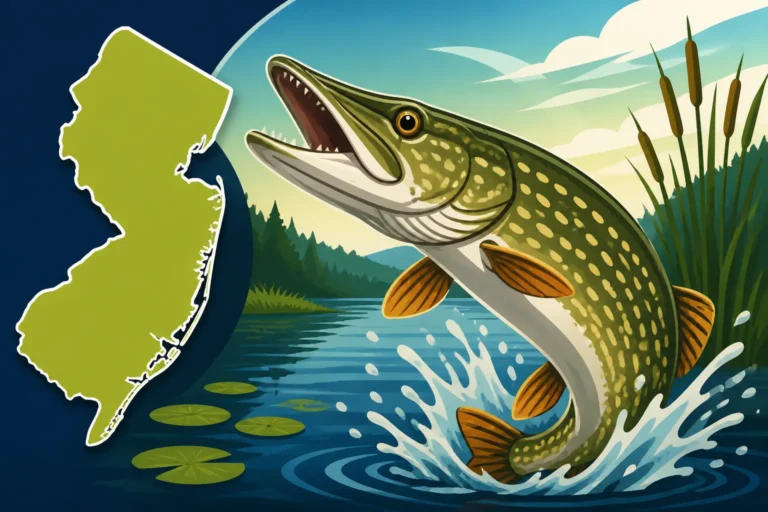
It's easy to mistake a pickerel for a pike or a juvenile muskie, especially if you're new to fishing or haven't seen all three side-by-side. However, the Chain Pickerel has some distinct features that, once you know them, make identification pretty straightforward. The most obvious characteristic is its unique "chain-link" or vermiculated pattern on its olive-green to yellowish-brown flanks, which gives it its common name. This pattern helps them blend seamlessly into weedy environments, making them incredible ambush predators.
Another key identifier is the fully scaled gill plate and cheek. If you run your finger (carefully, those gill plates are sharp!) over the cheek and gill cover, you'll feel scales all the way to the eye. This differs from Northern Pike, which have scales only on the upper half of their gill plate, and Muskellunge, which typically have no scales on the lower half of their gill plate. Pickerel also possess a distinct dark, vertical bar or "teardrop" mark below each eye, a feature shared with pike but generally more pronounced on the pickerel. Finally, their snout is relatively long and duck-bill shaped, lined with many sharp, needle-like teeth perfectly adapted for snatching baitfish. Understanding these differences is crucial not only for proper identification but also for knowing what kind of fight you're in for. If you're keen to learn more about similar species, you might find our guide on New Jersey Northern Pike Waters helpful.
Preferred Habitats and Behavior: Masters of Ambush
Pickerel are creatures of cover, masters of camouflage, and truly exceptional ambush predators. They thrive in environments that offer plenty of vegetation and structure where they can lie in wait for unsuspecting prey. Think dense lily pads, submerged weed beds, fallen trees, brush piles, and even old docks or bridge pilings. They love shallow, warm waters in the spring and fall, but during the dog days of summer, they'll often retreat to slightly deeper weed lines where the water is a bit cooler and oxygen levels are more stable.
Their diet is varied but predominantly consists of smaller fish like minnows, shiners, and juvenile panfish. They're opportunistic feeders and won't hesitate to strike at frogs, crayfish, or even small rodents if the opportunity arises. This aggressive, territorial nature means that if you find one pickerel, there are often more in the immediate vicinity, fiercely defending their feeding grounds. They are particularly active during daylight hours, especially at dawn and dusk, but can be caught throughout the day, particularly on overcast days or during periods of stable weather. Their feeding strategy is typically a lightning-fast strike from cover, grabbing their prey sideways before turning it to swallow headfirst.
Where to Cast for Pickerel in the Garden State
New Jersey is blessed with an abundance of freshwater bodies, many of which hold thriving populations of Chain Pickerel. From the vast expanses of northern lakes to the quiet backwaters of the Pinelands, there's a pickerel fishery waiting for you. Knowing the right type of water and the specific features to look for can drastically improve your chances of a successful outing.
Navigating Lakes and Ponds: Weed Line Wonders
When it comes to lakes and ponds, pickerel gravitate towards areas with extensive submerged vegetation and lily pads. These provide both cover from predators (though adult pickerel have few natural enemies) and prime ambush points for their prey. You'll often find them lurking at the edges of weed beds, in pockets within the pads, or along the transition lines where shallower, weedy water meets deeper, open water.
One of the most popular and productive pickerel fisheries in New Jersey is Fishing Lake Hopatcong: New Jersey's Largest Lake. While renowned for its bass and muskie, Lake Hopatcong's numerous coves, shallow flats, and extensive weed growth offer fantastic pickerel opportunities. Smaller, lesser-known ponds throughout the state, especially those with minimal fishing pressure, can also hold surprisingly large pickerel populations. Places like Farrington Lake in Middlesex County or even smaller, unnamed ponds in Wildlife Management Areas are worth exploring. Look for areas with dark, tannin-stained water and soft bottoms, as these conditions often indicate prime pickerel habitat. Don't be afraid to fish in waters that might seem "too shallow" or "too weedy" for other species; these are exactly the places pickerel love.
Exploring Slow-Moving Rivers and Streams: Backwater Havens
Pickerel aren't exclusive to still waters. They also thrive in the sluggish, winding sections of New Jersey's freshwater rivers and streams, particularly in the lower stretches that might have some tidal influence or extensive marshy banks. These areas, often characterized by dense aquatic vegetation, undercut banks, and fallen timber, mimic their preferred lake and pond habitats.
The expansive backwaters of South Jersey, such as the Mullica River system or tributaries flowing into the Great Bay, are prime examples. Here, the current is often minimal, allowing weed beds to flourish. Similarly, northern rivers like the Paulinskill or Pequest, in their slower, wider sections, can hold good numbers of pickerel, especially in oxbows or areas with accumulated debris. When fishing rivers, focus on the inside bends where currents are slowest and vegetation is thickest. Explore eddies, small coves, and areas where feeder creeks enter the main river, bringing in nutrients and baitfish. These river systems can also be fantastic for other species, and a guide like New Jersey Trout Fishing Techniques might offer some transferable wisdom on how to approach moving water.
Structure and Cover: The Pickerel's Domain
Whether in lakes, ponds, or rivers, pickerel are inextricably linked to structure and cover. They are not open-water cruisers. Their entire hunting strategy revolves around concealment and explosive attack. Therefore, identifying and targeting these structural elements is paramount.
- Weed Lines: This is the most common and productive structure. Cast parallel to weed edges, into pockets within weed beds, or over sparse weeds. Different types of weeds, like lily pads, coontail, or milfoil, all attract pickerel.
- Fallen Timber & Brush Piles: Logs, branches, and entire trees that have fallen into the water create fantastic ambush points. Pickerel will often sit right against these, waiting.
- Docks & Pilings: Man-made structures also provide excellent cover. Cast alongside and under docks, especially those with submerged growth around them. Bridge pilings in slower moving waters can also be hotspots.
- Stumps & Rocks: While less common than weeds, any submerged object that breaks up the bottom contour can hold a pickerel.
- Changes in Depth: The transition zone from shallow flats to slightly deeper water, especially if accompanied by weeds, is a classic pickerel haunt.
Always approach these areas stealthily. Pickerel have excellent eyesight and can be spooked by sudden movements or shadows. A quiet approach, long casts, and a keen eye for subtle signs of fish activity are key.
Tactics and Lures to Entice a Pickerel
Pickerel are known for their aggressive strikes, which can be thrilling, but their sharp teeth also mean they can be tough on gear. A successful pickerel angler understands not just what lures to use, but how to present them effectively and what tackle can stand up to the fight.
Gear Up: Rods, Reels, and Line
You don't need highly specialized gear to catch pickerel, which is great news for casual anglers. A medium-light to medium-action spinning rod, 6 to 7 feet in length, paired with a reliable spinning reel spooled with 8-12 lb monofilament or braided line is typically sufficient. If you choose braid, a fluorocarbon leader (12-20 lb test) is a good idea for abrasion resistance and invisibility. However, due to their razor-sharp teeth, a steel or heavy fluorocarbon leader (30-50 lb test) is highly recommended, especially if you're targeting larger fish or using expensive lures. Losing a prized lure to a pickerel's bite-off is a common and frustrating experience. You can find robust leader material on Amazon to prevent these heartbreaking losses.
A pair of long-nose pliers or a dedicated fish gripper is essential for safely unhooking pickerel without getting bit. Seriously, those teeth are no joke!
Lure Selection: Flash, Flutter, and Action
Pickerel respond well to lures that mimic fleeing baitfish or small prey animals. Their aggressive nature means they often strike out of pure instinct or territorial defense.
- Spinnerbaits: These are arguably one of the most effective pickerel lures. The flash and vibration of the blades, combined with the pulsating skirt, are irresistible. Chartreuse, white, and yellow are classic colors. Cast them near cover and retrieve steadily, letting the blades do their work.
- Spoons: Casting spoons, particularly those with a wobbling action, are excellent for covering water. Silver, gold, or brass spoons, especially with a red or orange accent, are highly productive. A slow, steady retrieve or a stop-and-go retrieve will trigger strikes.
- Inline Spinners: Like Mepps or Rooster Tail spinners, these are fantastic, especially for smaller pickerel or when you need a compact presentation. Work them similarly to spinnerbaits.
- Jerkbaits & Stickbaits: Suspending or floating jerkbaits can be deadly, particularly in clearer water. Work them with a twitch-twitch-pause retrieve, letting them hang enticingly in the water column. The sudden stop often triggers a strike.
- Soft Plastics: Paddle tail swimbaits rigged on jig heads, soft plastic worms, or creature baits can also be effective, especially when worked slowly through dense cover. The natural action and subtle movement can tempt even reluctant pickerel.
- Topwater Lures: During low-light conditions or on calm days, topwater lures like poppers, prop baits, or walk-the-dog style lures can provide explosive, heart-stopping strikes. Nothing beats seeing a pickerel explode on a surface lure!
- Live Bait: Shiners or minnows fished under a bobber or free-lined are always a reliable choice, especially if the bite is slow. Hook them lightly through the back or lips. Be sure to check New Jersey Freshwater Fishing Regulations Every Angler Should Know for bait rules.
Presentation is Key: Working the Cover
The best lure in the world won't catch fish if it's not presented correctly. For pickerel, this means working your lure through or around the cover where they hide.
- Cast Accuracy: Precision casting is crucial. Aim to land your lure as close to dense weeds, lily pads, or submerged logs as possible without getting hung up.
- Vary Your Retrieve: Don't just cast and reel. Experiment with different retrieve speeds, pauses, and twitches. Some days they want it fast, other days a slow, methodical retrieve is best.
- Look for Pockets: Cast into open pockets within weed beds. Often, a pickerel will be lying there, waiting for something to swim by.
- Edge Work: Cast parallel to weed lines and retrieve your lure just outside the edge, or let it occasionally tick the weeds. The sudden movement as it clears the cover can trigger a reaction strike.
- Fan Casting: If you're unsure where the fish are, fan cast an area, making several casts to different spots around a piece of cover to thoroughly cover the water.
Seasonal Strategies and Prime Times for Pickerel
One of the great things about pickerel is their willingness to bite throughout the year, making them a fantastic target when other species might be less active. However, understanding their seasonal movements and preferred feeding times can significantly boost your success.
Year-Round Opportunities: No Off-Season for Pickerel
Unlike some gamefish with specific seasonal closures, Chain Pickerel in New Jersey generally offer year-round fishing opportunities, adapting to the changing temperatures and conditions.
- Spring: As water temperatures rise, pickerel become incredibly active. They'll move into shallow, sunny areas to spawn, and after spawning, they're often ravenous. This is an excellent time to target them with aggressive presentations in shallow coves and weed beds.
- Summer: During the heat of summer, pickerel might retreat to slightly deeper weed lines or areas with cooler water and more oxygen. Early morning and late evening become prime times, or fish during overcast days. They'll still be in cover, just perhaps a bit deeper than in spring. This is when a good pair of polarized sunglasses, also readily available on Amazon, can help you spot subtle weed line changes.
- Fall: As water temperatures drop, pickerel become incredibly aggressive once again, feeding heavily in preparation for winter. They can often be found in similar areas as spring, around dying weed beds and shoreline cover. This is a fantastic time for action.
- Winter (Ice Fishing): Pickerel are one of New Jersey's most popular ice fishing targets! They remain active under the ice and will readily strike at jigged spoons, live minnows on tip-ups, or even small shiners. Check out our guide on How to Ice Fish in New Jersey for specific techniques and safety tips.
Best Times of Day: Capitalizing on Activity
While pickerel can bite at any time, certain periods often prove more productive due to their predatory instincts and environmental factors.
- Dawn and Dusk: These low-light periods are universally excellent for most predatory fish, and pickerel are no exception. The fading or rising light provides them with a natural advantage over their prey, making them more confident in venturing out from denser cover.
- Overcast Days: A consistently cloudy day can often provide all-day action for pickerel, as the subdued light encourages them to feed more actively throughout the midday hours.
- Stable Weather: Pickerel tend to prefer stable weather patterns. Sudden, drastic changes in barometric pressure, whether a sharp cold front or an incoming storm, can sometimes put them off the bite temporarily. However, they are generally less sensitive to minor weather shifts than some other species.
Seasonal Patterns: Adapting to the Conditions
Being a successful pickerel angler means being adaptable. Here's how their behavior shifts and how you can adjust:
| Season | Preferred Depth/Location | Key Behaviors | Recommended Lures/Tactics |
|---|---|---|---|
| Spring | Shallow coves, spawning flats, emergent weeds | Post-spawn feeding frenzy, territorial | Spinnerbaits, jerkbaits, live shiners, aggressive retrieves |
| Summer | Deeper weed lines, shaded cover, oxygenated areas | Retreat from heat, opportunistic feeding | Soft plastics, deeper running crankbaits, slow jigging, early/late bites |
| Fall | Shoreline cover, dying weed beds, transition zones | Heavy feeding for winter, very aggressive | Spoons, spinnerbaits, topwater (early fall), fast retrieves |
| Winter | Under ice, along drop-offs, deep weed edges | Still active, conserve energy | Live minnows on tip-ups, jigging spoons, slow presentations |
Understanding these patterns will help you make informed decisions about where to fish and what to throw, increasing your chances of finding that next aggressive pickerel strike. If you're interested in specific species that do have defined seasons, our article on New Jersey Fishing Season Dates and Closures can provide useful context.
Handling Pickerel Safely and Sustainably
Catching a pickerel is an exciting experience, but their mouthful of razor-sharp teeth demands respect and careful handling. Responsible angling also means understanding conservation practices, whether you plan to release your catch or keep it for the table.
The Tooth Hazard: Avoiding Painful Bites
The most critical aspect of handling a pickerel is managing its teeth. They aren't just sharp; they're numerous and can easily cut skin, even through gloves.
- Use Tools: Always use a pair of long-nose pliers or a dedicated fish gripper. Never stick your fingers into a pickerel's mouth, no matter how small it seems.
- Secure the Fish: If you need to handle the fish for a photo, hold it firmly behind the head and support its belly. Keep your hands away from the gill plates and mouth. A fish gripper can be invaluable for controlling the fish while unhooking it.
- Unhook Carefully: With the fish secured, use your pliers to quickly and gently remove the hook. If the hook is deeply swallowed, consider cutting the line as close to the hook as possible to minimize trauma, especially if you plan to release the fish.
- Minimizing Air Exposure: Like all fish, pickerel should be out of the water for the shortest time possible, especially if being released. Get your photo, unhook, and release promptly.
Pickerel as Table Fare: A Culinary Consideration
While not as renowned as fluke or striped bass, pickerel can be excellent table fare if prepared correctly. The main challenge is their abundance of small, Y-shaped bones, often called "floating bones." This makes filleting a bit trickier than with other fish.
Many anglers choose to fillet pickerel and then either grind the meat for fish cakes or remove the Y-bones using a specific filleting technique (often called "five-filleting" or "zippering" the bones out). The meat itself is white, flaky, and has a mild flavor.
- Preparation Tips: If you decide to keep a pickerel, bleed it immediately by cutting a gill arch and place it on ice. This improves the quality of the meat.
- Size Matters: Smaller pickerel tend to have more noticeable bones, while larger ones (over 20 inches) can be easier to fillet and debone.
- Recipes: Pickerel is versatile. It can be baked, fried, broiled, or used in fish chowders.
Remember to always check New Jersey Daily Bag Limits by Species and How Bag and Size Limits Work in New Jersey before keeping any fish.
Catch and Release Strategies: Protecting the Fishery
Pickerel are resilient fish, but proper catch and release practices are still vital for maintaining healthy populations.
- Barbless Hooks: Consider crimping down the barbs on your hooks. This makes unhooking much easier and less damaging to the fish.
- Appropriate Tackle: Using tackle that is too light can prolong the fight, exhausting the fish and reducing its chances of survival after release. Match your tackle to the size of fish you expect to encounter.
- Minimizing Stress: Handle the fish gently, support its weight evenly, and keep it in the water as much as possible. Avoid dragging it across rough surfaces.
- Revive If Needed: If a fish seems sluggish before release, hold it gently in the water, facing into a slight current, and allow water to flow over its gills until it swims away under its own power.
By practicing safe handling and responsible catch-and-release, you ensure that future generations of anglers can also experience the thrill of a New Jersey pickerel strike. If you're passionate about preserving fish populations, understanding Catch and Release Rules in New Jersey is a good next step.
Common Pickerel Fishing Challenges and Solutions
Fishing for pickerel, like any angling pursuit, isn't without its quirks and challenges. Sometimes the fish just aren't biting, or you might find yourself losing more fish than you'd like. Learning to troubleshoot these common issues can make a huge difference in your success and enjoyment on the water.
The "Bite-Off" Dilemma: Protecting Your Gear
One of the most frequent and frustrating issues when targeting pickerel is losing lures to their sharp teeth. You feel a solid strike, reel in a few feet, and then suddenly the line goes slack, and your favorite lure is gone. This is the classic "bite-off."
- Solution: Leaders are Your Friend. The simplest and most effective solution is to use a bite leader. Steel leaders are the most bite-proof, but they can be stiff and sometimes affect lure action. Heavy fluorocarbon leaders (30-50 lb test) offer a good balance of stealth and abrasion resistance. They're nearly invisible underwater and much more supple than steel. While not entirely bite-proof against a determined, larger pickerel, they significantly reduce bite-offs compared to tying directly to monofilament or braid. You can find pre-made leaders or spools of fluorocarbon leader material on platforms like Amazon, making it easy to stock up.
- Check Your Line: Even with a leader, always inspect the first few feet of your main line for nicks or abrasions after catching a pickerel or if you've been fishing around heavy cover. Re-tie if necessary.
When Pickerel Are Finicky: Adapting Your Approach
Pickerel are known for their aggressive nature, but even they can have off days. If you're not getting strikes where you expect them, it's time to adapt.
- Slow Down or Speed Up: If a fast retrieve isn't working, try a slower, more methodical one. Conversely, if you're fishing slowly, sometimes a super-fast, erratic retrieve can trigger a reaction strike.
- Change Lure Type/Color: Don't get stuck on one lure. If spinnerbaits aren't producing, try a spoon, then a jerkbait, then maybe a soft plastic. Experiment with colors too – sometimes a subtle change from white to chartreuse, or from silver to gold, makes all the difference.
- Adjust Depth: If you're fishing shallow, try a slightly deeper presentation along a weed line or drop-off. If you're deeper, try casting into very shallow pockets.
- Focus on the Structure: Re-evaluate the cover. Are you fishing the densest part? The edges? The pockets? Sometimes moving just a few feet can put your lure right in front of a hidden pickerel.
- Time of Day: If the midday sun is high and bright, consider waiting for the evening bite. Or, if it's overcast, broaden your search to more open, slightly shallower areas where pickerel might be cruising.
Dealing with Snags: Fishing Heavy Cover
Fishing for pickerel means fishing in the weeds, and fishing in the weeds means snags are inevitable. It's just part of the game. However, you can minimize lost lures and frustration.
- Weedless Lures: Use lures designed for heavy cover. Spinnerbaits are inherently fairly weedless due to their upward-pointing hook. Texas-rigged soft plastics (where the hook point is buried in the plastic) are excellent for punching through thick vegetation.
- Rod Angle: When retrieving, keep your rod tip high to help your lure ride over submerged weeds. When you feel a weed, a quick, sharp twitch of the rod can often pull the lure free.
- Don't Rip Hard: When you get snagged, don't immediately yank with all your might. Sometimes a gentle jiggle or a change of angle can free the lure. If that fails, try pointing your rod tip directly at the snag, putting tension on the line, and then using a steady, strong pull. This often frees the lure without breaking your line.
- Paddle or Pole In: If fishing from a boat or kayak, sometimes the best solution is to carefully paddle or pole your way over to the snag to manually retrieve your lure. If you're a kayak angler, you might find tips on Best Kayak for Bay Fishing useful, even for freshwater applications.
By anticipating these common challenges and having a few solutions in your back pocket, your New Jersey pickerel fishing adventures will be far more productive and enjoyable.
Disclaimer
This article is for general informational purposes only and does not constitute professional advice. Laws, prices and regulations vary by location and change over time. Consult a qualified professional for guidance on your specific situation.