New Jersey Herring Runs
For anglers and nature enthusiasts in New Jersey, there are few sights quite as invigorating and vital as the annual herring runs. These incredible migrations signify the renewal of life in our waterways, bringing with them a flurry of activity and serving as a crucial bellwether for the health of our ecosystem. If you've ever wondered about those mysterious pulses of life in the springtime rivers or heard whispers of "river herring" but weren't sure what it all meant, this guide is here to demystify one of nature's most spectacular events in the Garden State.
Understanding New Jersey's Herring Runs
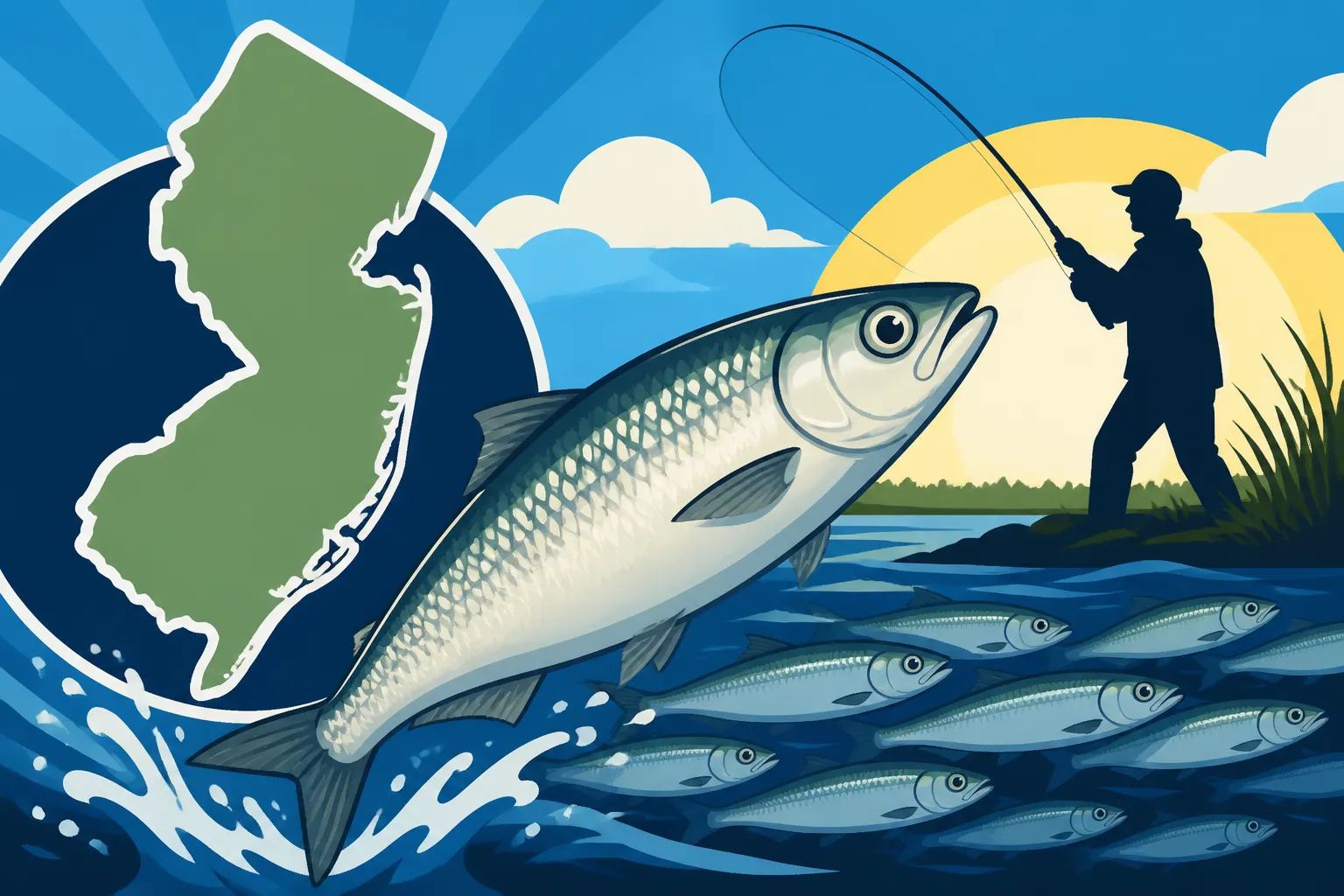
When we talk about "herring runs" in New Jersey, we're primarily referring to the anadromous migrations of two specific species: the Alewife ( Alosa pseudoharengus ) and the Blueback Herring ( Alosa aestivalis ). These fish spend the vast majority of their lives in the saltwater of the Atlantic Ocean, growing and maturing, but when the call of spring arrives, they navigate incredible distances to return to the freshwater rivers and streams where they were born. It's a journey fueled by instinct, a deep biological imperative to spawn and ensure the next generation.
The Life Cycle of River Herring
Imagine spending years out in the vast, cold ocean, navigating currents and evading predators. That's the life of a river herring. They are forage fish, meaning they are a primary food source for a huge array of other marine and freshwater species. Once they reach maturity, usually between three to five years old, something shifts. The warming waters of spring trigger their ancestral migration. They gather in immense schools at the mouths of estuaries, waiting for the perfect combination of water temperature and tidal flow to begin their arduous swim upstream. They don't eat much, if at all, during this migration; their sole focus is reaching the spawning grounds.
Upon reaching suitable freshwater habitats – typically slow-moving areas with gravelly or sandy bottoms, often near vegetation – the herring will engage in mass spawning events. Females release tens of thousands of eggs, which are then externally fertilized by the males. The sticky eggs attach to substrate or vegetation, where they develop rapidly. After spawning, many adult herring, especially the Alewives, will attempt to return to the ocean, often in a weakened state, to feed and potentially spawn again in future years. The Blueback Herring generally exhibit a higher mortality rate post-spawning.
Distinguishing Alewife from Blueback Herring
While both Alewife and Blueback Herring share the common trait of being river herring, there are subtle differences that help distinguish them, even for the casual observer. Both are silvery fish, generally torpedo-shaped, but their eye size and the color of their peritoneal lining (the lining of their abdominal cavity) can be key identifiers. Alewives tend to have larger eyes that extend beyond the lower margin of their jaw when viewed from the side, and their peritoneum is typically pale or silvery. Blueback Herring, on the other hand, have smaller eyes that do not extend past the jawline, and their peritoneal lining is distinctly dark or blackish.
These distinctions are more than just academic curiosities; they reflect slight differences in their preferred spawning habitats and timing. Alewives generally begin their migration earlier in the spring, often entering rivers when water temperatures are still quite cool, and they tend to push further upstream into smaller tributaries. Blueback Herring usually follow a few weeks later, preferring slightly warmer water and often spawning in the main stems of rivers or larger lakes. Recognizing these nuances helps us appreciate the intricate ballet of nature playing out in our backyard waterways.
Why Herring Runs Matter So Much for New Jersey's Ecosystem
The sheer scale of a herring run is breathtaking, with thousands upon thousands of fish pushing upstream. But their importance extends far beyond the visual spectacle. River herring are truly the unsung heroes of our aquatic food web, acting as a critical link between marine and freshwater environments. Their migrations are a lifeline for countless other species and serve as a vital indicator of the overall health of our rivers and coastal waters.
The Foundation of the Food Chain
Think of herring as the ultimate fast food for a huge variety of predators. When these massive schools move through the rivers and bays, they create an enormous pulse of biomass that fuels an entire ecosystem. Everything from opportunistic birds like ospreys, eagles, and gulls to mammals like otters and raccoons will capitalize on the easy pickings. For fish, the impact is even more profound. Larger predatory fish such as striped bass, bluefish, weakfish, and even freshwater species like largemouth bass will gorge themselves on herring, building up essential fat reserves after a lean winter. This makes the herring run a key period for many popular game fish. New Jersey Striped Bass Slot Limit and Season is directly impacted by the health of these forage fish populations.
Without robust herring runs, these predator populations would struggle to find enough food, leading to declines across the board. The domino effect can be devastating. Healthy herring populations mean healthier populations of the fish we love to catch, stronger bird populations, and a generally more vibrant ecosystem. It's a delicate balance, and herring are at the very heart of it.
Indicators of Waterway Health
River herring are what we call "indicator species." Their ability to successfully migrate and spawn is a direct reflection of the health of their freshwater spawning grounds and the migratory corridors that connect them to the ocean. If herring runs are poor, it often points to larger issues like pollution, habitat degradation, or physical obstructions in the river systems. Dams and culverts, for example, can block their passage, preventing them from reaching their ancestral spawning grounds. How New Jersey Sets Its Fishing Regulations Each Year often takes into account the health of these crucial forage fish stocks.
Conservation efforts often focus on restoring herring runs by removing obsolete dams or installing fish ladders and bypasses, as well as improving water quality. A strong herring run is a sign that a river system is relatively clean and accessible, functioning as it should. It signals a victory for environmental stewardship and highlights the interconnectedness of our rivers, bays, and the vast ocean. Observing the health of these runs is like taking the pulse of the river itself.
When and Where to Witness New Jersey's Herring Runs
Experiencing a herring run firsthand is truly memorable, a testament to the power of nature. But knowing when and where to go is key to catching this fleeting spectacle. Timing is everything, and local knowledge can make all the difference.
Timing the Annual Migration
The specific timing of New Jersey's herring runs can vary slightly from year to year, largely depending on water temperatures and rainfall. Generally, the migration begins in early spring, often in March, and can continue through May. Alewives are usually the first to show up, often in early to mid-March, when water temperatures in the rivers begin to consistently reach the low to mid-40s Fahrenheit. Blueback Herring typically follow a few weeks later, usually in April, as the water warms into the 50s.
A prolonged cold snap can delay the runs, while an unusually warm spring might push them earlier. Heavy spring rains can also influence the timing, increasing river flows and making it easier for herring to navigate upstream, though excessively turbid water can also temporarily slow them down. Keeping an eye on local fishing reports or conservation group updates can give you the most current information. Think of it like waiting for the first robin of spring – it's a seasonal marker, but nature dictates the precise arrival.
Key Rivers and Streams for Observation
New Jersey is crisscrossed with numerous rivers and streams that historically supported robust herring runs, and many are still active today thanks to ongoing restoration efforts. Here are some of the prime locations where you might be able to witness this amazing phenomenon:
- Delaware River Tributaries: While the main stem of the Delaware River is a major migratory highway, many of its smaller tributaries on the New Jersey side historically hosted significant runs.
- Raritan River and its tributaries: The Raritan River system, particularly around the head of tide and upstream sections, has seen considerable restoration efforts and can offer excellent viewing opportunities. Raritan Bay Striped Bass Spots are often active when herring are around.
- Musconetcong River: Known for its trout, the Musconetcong also supports a herring run in its lower stretches.
- Great Egg Harbor River: In South Jersey, this river system is a significant herring producer.
- Maurice River: Another vital South Jersey waterway, the Maurice River and its various branches are important for herring.
- Wreck Pond (Wall Township): This coastal lake, with its connection to the ocean, has been the site of successful herring restoration.
- Manasquan River: Efforts here have helped re-establish a healthy run, especially in areas accessible to the public. Manasquan Inlet Fishing Guide often sees action tied to these runs.
When visiting these spots, look for areas with public access, often near parks or wildlife management areas. Bring a good pair of binoculars – you can find excellent options on Amazon – to spot fish activity from a distance without disturbing them. You'll often see schools of fish splashing or jumping, especially during peak migration.
Rules, Regulations, and Conservation of River Herring
Because river herring are so critically important to the ecosystem and have faced historical declines due to habitat loss and overfishing, their populations are heavily managed and protected. It's essential for anyone observing or fishing in areas where herring runs occur to understand and respect these regulations.
The Protected Status of River Herring
In New Jersey, both Alewife and Blueback Herring are designated as "species of special concern." This means they are not currently listed as endangered or threatened, but they are experiencing declines that warrant close monitoring and conservation efforts. As a result, it is generally illegal to harvest river herring in New Jersey. This means you cannot fish for them, keep them, or use them for bait. The goal is to allow as many returning adults as possible to spawn successfully and to protect the next generation. Catch and Release Rules in New Jersey are paramount when dealing with these and other sensitive species.
This protective status extends to both recreational and commercial fishing. Enforcement is taken seriously by the New Jersey Conservation Police, who regularly patrol known herring run areas during the spring migration. It's not uncommon to see officers checking anglers to ensure compliance. The fines for violating these regulations can be substantial, so it's always best to err on the side of caution and simply observe.
How Anglers Can Help Protect Herring Runs
Even if you're targeting other species, you play a vital role in protecting herring runs. The first rule, as mentioned, is simple: do not target or harvest river herring. If you accidentally catch one while fishing for striped bass or trout, release it immediately and gently. Minimize handling, and get it back into the water as quickly as possible.
Beyond that, consider using barbless hooks, especially in areas known for herring activity, as this further reduces harm to any accidental catches. Be mindful of your presence around spawning areas. While it's exciting to witness the spectacle, avoid wading into dense schools of fish or disturbing their spawning activities. These fish are under immense stress during their migration, and any additional disturbance can impact their reproductive success.
Support organizations and state initiatives focused on habitat restoration and dam removal. Educate fellow anglers and outdoor enthusiasts about the importance of herring and the regulations surrounding them. The health of these runs benefits everyone, from the smallest baitfish to the largest predators, and our collective actions make a huge difference. You can find gear like waders or waterproof boots for stream access, or even a good fishing vest with plenty of pockets for tools and a camera, on Amazon to help you enjoy the outdoors responsibly while observing.
The Broader Ecological Impact and Future of Herring Runs
The narrative of New Jersey's herring runs is one of resilience, struggle, and hope. These small fish embody the intricate connections within our environment and highlight the importance of dedicated conservation. Understanding their broader impact helps us appreciate why their future is so critical.
The Interconnectedness of Aquatic Ecosystems
Herring runs are a prime example of how freshwater and saltwater ecosystems are deeply intertwined. The health of a small stream in central New Jersey can directly impact the survival of apex predators in the Atlantic Ocean. When herring populations decline, the ripple effect is felt far and wide. For instance, the timing of New Jersey's Fall Run of striped bass is often linked to the availability of baitfish like herring and bunker.
Coastal birds rely on herring as a crucial food source for their young, especially during the demanding nesting season. Marine mammals also benefit from abundant forage fish. What happens in our rivers doesn't stay in our rivers; it reverberates throughout the entire food web, influencing everything from deep-sea fishing to birdwatching along our coast. This realization underscores why initiatives like dam removal and improving water quality are not just local issues, but have regional and even oceanic significance.
Challenges and Restoration Efforts
River herring populations in New Jersey, like much of the East Coast, have faced significant challenges over the past century. Historic damming of rivers for mills and industry blocked access to vital spawning grounds. Pollution from agricultural runoff and urban development degraded water quality. And in some areas, intense commercial fishing pressure, both for direct consumption and for use as bait or fertilizer, contributed to declines.
However, there is significant hope. New Jersey, through the Department of Environmental Protection (NJDEP) and various conservation partners, has been a leader in river restoration efforts. Obsolete dams are being removed, allowing fish passage to upstream habitats for the first time in centuries. Fish ladders are being installed at critical barriers. Water quality regulations are improving conditions in many waterways. Public awareness campaigns and the strict harvest moratorium have also been crucial. These efforts are long-term investments, but the success stories, such as the increasing runs in places like Wreck Pond, show that dedicated work can turn the tide. If you're looking for more information on the current regulations and conservation efforts, checking the Reading the New Jersey Fish and Wildlife Digest is always a good idea.
| River System | Primary Herring Species | General Run Timing (Peak) | Key Conservation Issues | Restoration Progress |
|---|---|---|---|---|
| Raritan River System | Alewife, Blueback Herring | March – April | Historic dams, habitat degradation | Significant dam removals, fish passage |
| Maurice River System | Alewife, Blueback Herring | March – May | Water quality, some migratory barriers | Ongoing habitat work, monitoring |
| Great Egg Harbor River | Alewife, Blueback Herring | April – May | Water quality, fragmented habitat | Active monitoring, protection |
| Wreck Pond (Wall Twp.) | Alewife | March – April | Inlet blockages, water quality | Successful inlet restoration, fish passage |
| Musconetcong River | Alewife, Blueback Herring | March – April | Historic dams (some removed), water quality | Improved access upstream |
| Manasquan River | Alewife | March – April | Historic dams (some removed), water quality | Improved access upstream |
How You Can Get Involved and Contribute
Being part of the solution for New Jersey's river herring is easier than you might think. Beyond simply respecting the regulations, you can:
- Report Violations: If you witness someone illegally netting or catching herring, contact the New Jersey Conservation Police. Information on New Jersey Conservation Police Officer Contact Information is readily available.
- Support Conservation Groups: Organizations like the American Littoral Society, The Nature Conservancy, and local watershed associations are actively involved in river restoration projects that directly benefit herring. Volunteering or donating can make a real difference.
- Educate Others: Share what you've learned about the importance of herring runs with friends, family, and fellow anglers. Many people are simply unaware of these regulations or the ecological significance of these fish.
- Participate in Citizen Science: Some groups organize volunteer efforts to count migrating herring, which provides invaluable data for fisheries biologists. Keep an eye out for local opportunities.
- Advocate for Policy: Support policies and funding that promote healthy waterways, dam removal, and fisheries management.
The future of New Jersey's herring runs depends on a collective understanding and commitment. By appreciating these incredible migrations, adhering to the rules, and supporting conservation, we can ensure that future generations will continue to witness this vital and awe-inspiring natural event in the Garden State.
Disclaimer
This article is for general informational purposes only and does not constitute professional advice. Laws, prices and regulations vary by location and change over time. Consult a qualified professional for guidance on your specific situation.