Are There Wild Brook Trout in New Jersey?
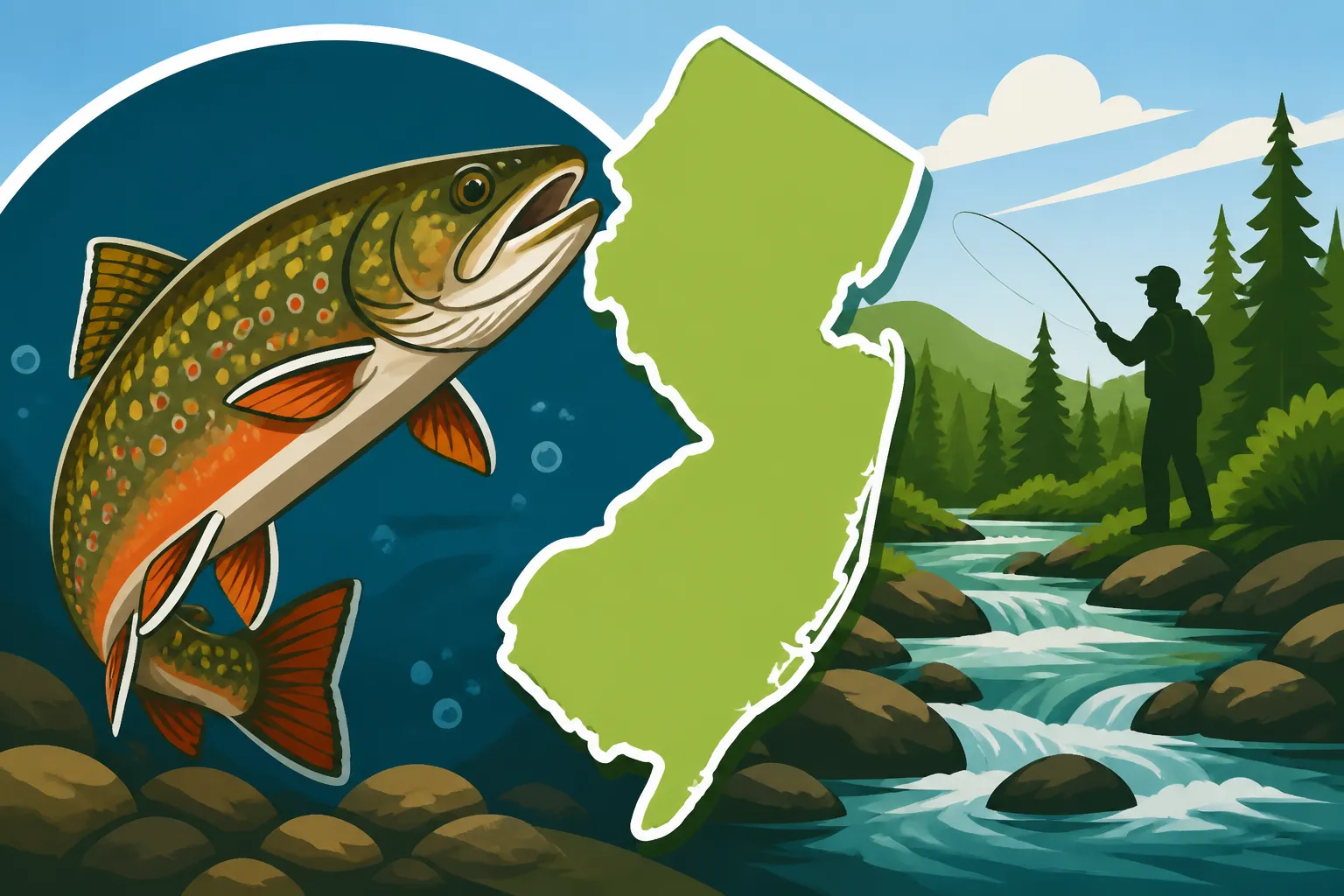
For many New Jersey anglers, the thought of catching a wild brook trout – a true native of our state's cold, clear waters – can feel like searching for a unicorn. With so much focus on the abundant stocked trout programs, it's easy to wonder if these beautiful, finicky fish even exist in our streams anymore. Rest assured, they do! This guide will dive deep into the world of New Jersey's wild brook trout, revealing where they live, what makes them special, and how you can experience the thrill of catching one while also contributing to their conservation.
Defining "Wild" Brook Trout in New Jersey
When we talk about "wild" brook trout in New Jersey, we're not just talking about any brook trout that happens to be swimming in a stream. We're referring to fish that have lived their entire lives within that specific stream system, born from naturally spawning parents, and adapted to the unique conditions of their habitat. This is a crucial distinction, especially in a state like New Jersey where trout stocking is such a prominent part of our fishing culture.
Distinguishing Wild vs. Stocked
Imagine standing by a pristine mountain stream. You might see a flash of a brilliantly colored fish darting under a rock. How can you tell if it's a wild brook trout or one that was stocked weeks or months ago? The differences, while sometimes subtle, are quite telling if you know what to look for. Wild brook trout are typically smaller, sleeker, and incredibly vibrant, boasting brilliant red spots encircled by blue halos along their flanks. Their fins are often darker, and their pectoral, pelvic, and anal fins usually have a distinct white leading edge followed by a black stripe. Their dorsal and caudal (tail) fins are generally more uniform in color, lacking the worn or frayed look that can sometimes appear on stocked fish.
Stocked trout, on the other hand, often exhibit signs of their hatchery upbringing. They might be a bit chunkier, less streamlined, and their colors can be duller or faded compared to their wild counterparts. Sometimes, their fins can appear ragged or worn from rubbing against concrete raceways in the hatchery. These subtle physical clues are incredibly valuable for an angler keen on identifying a truly wild specimen. It's a testament to nature's artistry when you see the difference. Many anglers, myself included, spend years honing their eye to spot these subtle variations, and there’s a real satisfaction in knowing you’ve caught a trout that has survived purely on its instincts and the bounty of its native stream.
The Legacy of New Jersey's Native Trout
The brook trout (Salvelinus fontinalis) is New Jersey's only native coldwater salmonid. Think about that for a moment – this fish has been here, adapting and thriving, long before European settlers ever set foot on this soil. It's a living piece of our state's natural history. Historically, these fish populated countless coldwater streams throughout the state, especially in the northern Highlands and even into parts of the Pine Barrens where unique conditions allowed. They are indicator species, meaning their presence signifies a healthy, undisturbed stream ecosystem with excellent water quality and stable temperatures.
Their survival today is a story of resilience against significant odds, including pollution, habitat destruction, and the fragmentation of their ancestral waterways. Catching a wild brook trout is more than just landing a fish; it's connecting with a deep legacy. It’s a humbling experience that reminds you of the delicate balance of nature and the importance of preserving these untouched pockets of wilderness. The fight to protect these native populations is vital for the ecological health of our state, ensuring that future generations can also experience the magic of finding a true native New Jersey brook trout. Understanding New Jersey Rainbow Trout vs Brown Trout vs Brook Trout can help you appreciate these distinct characteristics even more.
Where to Find Wild Brook Trout in New Jersey
Finding wild brook trout in New Jersey isn't like casting into a stocked pond. It requires a different mindset, a bit more effort, and often, a willingness to get off the beaten path. These fish are survivors, and they tend to thrive in places where human impact is minimal and natural conditions are just right.
Identifying Prime Habitats
Wild brook trout are incredibly particular about their homes. They demand cold, clean, and highly oxygenated water. This means you'll typically find them in the headwater streams, those smaller tributaries that feed into larger rivers, often high up in the mountains or deep within protected forest lands. These streams are usually characterized by dense canopy cover from mature trees, which keeps the water shaded and cool, even during the warmest summer months. Think babbling brooks, cascading over rocks, with plenty of fallen logs and undercut banks that provide essential cover and refuge from predators and strong currents.
The substrate of these streams is usually rocky or gravelly, perfect for spawning. Look for areas with diverse stream structure – riffles, runs, pools, and plenty of places for insects to hatch and small fish to hide. Access to these areas can be challenging, often requiring some hiking through dense woods, but that's part of the adventure and why these delicate ecosystems remain relatively untouched. You'll need to be mindful of your approach, moving quietly and deliberately, as these fish are incredibly wary. A good pair of waterproof hiking boots and a reliable backpack (you might find a great one on Amazon) are essential for navigating these wilder terrains.
Specific Geographic Regions
While wild brook trout populations are somewhat limited in New Jersey today, they are not entirely gone. The primary stronghold for these fish is undoubtedly the North Jersey Highlands. Areas within Sussex, Warren, Morris, and Passaic counties, particularly those with vast tracts of state forests and wildlife management areas, harbor many of the remaining self-sustaining brook trout populations. Here, you'll find numerous small, spring-fed streams descending from higher elevations, maintaining the cold temperatures vital for their survival.
Beyond the Highlands, there are rare and isolated pockets, some even extending into unique areas of the Pine Barrens. These are often cranberry bog streams or isolated spring runs that maintain exceptionally stable cold water temperatures year-round, even amidst the generally warmer, tannic waters of the Pinelands. These southern populations are particularly vulnerable and often represent truly unique genetic strains adapted to their specific environments. Finding these spots is often a matter of local knowledge and diligent research, cross-referencing topographic maps with state conservation data. Always consult the Reading the New Jersey Fish and Wildlife Digest for the latest information on specific regulations and designated trout streams.
Challenges to Wild Brook Trout Survival
The existence of wild brook trout in New Jersey is a testament to their resilience, but they face a constant barrage of threats. Understanding these challenges is the first step in appreciating the ongoing conservation efforts and how we, as anglers, can help protect them.
Environmental Pressures
One of the most significant long-term threats to wild brook trout is climate change. Brook trout are incredibly sensitive to water temperature. They thrive in water that stays below 68°F (20°C) year-round and struggle to survive in warmer conditions. As average air temperatures rise, so too do water temperatures in many streams, especially during prolonged summer heatwaves. This thermal stress can be lethal, reducing oxygen levels and increasing susceptibility to disease. Many anglers have seen firsthand how vulnerable these fish are when they try to catch How to Catch Trout in Warm Summer Water during a hot spell.
Beyond rising temperatures, habitat degradation from development and erosion poses a critical threat. Urban and suburban sprawl can lead to increased impervious surfaces (roads, parking lots, roofs), which means more stormwater runoff. This runoff often carries pollutants and sediment directly into streams, silting up spawning beds and reducing water quality. When a pristine forested area is cleared, even for a single home, it can have a ripple effect on the small headwater streams, impacting the shade cover, water temperature, and overall stability of the brook trout's home. It’s a sad reality that sometimes the biggest challenge isn't overfishing, but simply maintaining a suitable living environment for these delicate fish.
Anthropogenic Impacts
"Anthropogenic" is just a fancy way of saying "human-caused," and unfortunately, humans pose several direct and indirect threats to wild brook trout populations. Pollution is a major culprit. While we've made strides in cleaning up our major rivers, smaller streams can still suffer from agricultural runoff (pesticides, fertilizers), industrial discharges, and even everyday pollutants like road salt and automotive fluids that wash into waterways. These contaminants can directly harm fish, disrupt the food chain, and degrade water quality, making it uninhabitable for sensitive species like brook trout.
Fishing pressure, even with good intentions, can also be a factor, particularly in easily accessible streams. While catch and release is generally encouraged, improper handling of fish can still cause mortality, especially in warmer water conditions. Wild brook trout are often smaller and more delicate than their hatchery-raised cousins. An unhooked fish dropped on the bank or handled with dry hands can easily suffer fatal injuries or stress. Furthermore, the introduction of non-native species, often through illegal stocking or accidental releases, can introduce competition for food and habitat, or even diseases that native brook trout are not equipped to handle. Brown trout, for example, are more tolerant of warmer water and can outcompete brook trout in many situations. This is why strict regulations are in place to manage New Jersey Freshwater Fishing Regulations Every Angler Should Know and prevent the spread of invasive species.
Conservation Efforts and How Anglers Can Help
The good news is that people care deeply about New Jersey's wild brook trout, and significant efforts are underway to protect and restore their populations. Anglers, perhaps more than anyone, have a vested interest in the health of these native fish.
State and Local Initiatives
The New Jersey Division of Fish and Wildlife, along with numerous local conservation groups, works tirelessly on habitat restoration projects. These initiatives often involve planting native trees and shrubs along stream banks to restore canopy cover, reduce erosion, and provide natural shade, thus lowering water temperatures. They also focus on removing man-made barriers like old dams or culverts that prevent fish migration, reconnecting fragmented habitats. Projects might include placing large woody debris in streams to create more complex cover and improve habitat diversity. Groups like Trout Unlimited chapters are often at the forefront of these efforts, mobilizing volunteers for stream cleanups and restoration work.
Stream monitoring programs are also crucial. Biologists regularly assess water quality, insect populations (a key food source for trout), and the health and distribution of trout populations themselves. This scientific data is vital for understanding trends, identifying new threats, and prioritizing conservation actions. These efforts are often supported by funds generated from fishing license sales and programs like the New Jersey Trout Stamp Requirements Explained, which directly contribute to trout management.
Responsible Angling Practices
As anglers, we hold a special responsibility to protect these precious resources. Our actions on the water can make a tangible difference. The most important practice for wild brook trout is strict catch and release, particularly in known wild trout waters. These fish grow slowly and have relatively short lifespans, so every wild brook trout released successfully is vital for sustaining the population. When you do catch a wild brook trout, handle it with extreme care. Keep the fish in the water as much as possible, use a net with a rubberized mesh (less harmful to their slime coat), and minimize handling time. Wet your hands before touching the fish, and try to remove the hook quickly with forceps or pliers, especially if using barbless hooks, which are highly recommended.
Beyond careful handling, supporting conservation by joining local chapters of organizations like Trout Unlimited or simply purchasing your Where and How to Buy a New Jersey Fishing License and a New Jersey Trout Conservation Stamp Explained annually contributes directly to the funds needed for these restoration efforts. Educate yourself and others about the importance of wild brook trout and their habitat. Consider exploring less-pressured areas, and remember that solitude is often part of the reward when seeking these elusive natives. Equipping yourself with the right gear, like durable waders and a small tackle box for fly patterns or tiny spinners (many excellent options available on Amazon), will also help ensure a successful and respectful outing. Before you head out, make sure your first aid kit (also available on Amazon) is stocked, as these remote locations often mean you're a bit further from help. Always remember to check New Jersey Fishing Season Dates and Closures before planning your trip to ensure you are fishing ethically and legally.
| Characteristic | Wild Brook Trout | Stocked Brook Trout (recently stocked) |
|---|---|---|
| Body Shape | Sleek, streamlined, torpedo-like | Often chunkier, sometimes less agile |
| Coloration | Vibrant, intense colors; distinct red spots with blue halos; dark, contrasting fins | Often duller, paler colors; spots may be less defined; fins sometimes faded |
| Fins | Well-formed, crisp edges; pectoral, pelvic, anal fins with prominent white leading edge and black stripe | Can be worn, frayed, or stubby from hatchery contact; white edges less distinct or absent |
| Snout | Pointed, natural | Can be slightly rounded or abraded |
| Behavior | Extremely wary, fast-moving, seeks cover immediately | Can be less cautious, sometimes disoriented initially |
| Size | Generally smaller, rarely exceeding 10-12 inches in wild streams | Can be larger (e.g., 12-18 inches) due to hatchery feeding |
| Survival Traits | Highly adapted to stream environment, strong survival instincts | Often less adapted to wild predators and foraging |
This article is for general informational purposes only and does not constitute professional advice. Laws, prices and regulations vary by location and change over time. Consult a qualified professional for guidance on your specific situation.