Are Striped Bass Making a Comeback in New Jersey?
It’s a question that hangs in the salty air of every tackle shop and on every pier along the Jersey Shore: "Are striped bass really making a comeback, or is it just wishful thinking?" For years, many of us have watched with growing concern as the striped bass population faced immense pressure, leading to stricter regulations and a palpable anxiety among anglers. There's a deep-seated desire to see those iconic linesiders thriving again in our waters, but also a realistic understanding of the challenges they face. This guide is here to cut through the chatter and delve into the current state of New Jersey's striped bass population, exploring the scientific data, the conservation efforts, and what we as anglers are seeing firsthand on the water.
The Historical Context of New Jersey Striped Bass Populations
To understand where we are now, we really need to look back at where we've been. Striped bass, or "stripers" as we affectionately call them, have a long and storied history in New Jersey, deeply intertwined with our coastal culture and economy. They are, for many, the quintessential target species, embodying the thrill of saltwater fishing.
Golden Eras and Abundance
There were times, not so long ago, when the sheer numbers of striped bass seemed almost limitless. My own grandpa used to tell tales of blitzes in the 60s and 70s that were so intense, you could almost walk across the backs of the fish. These weren't just tall tales; historical accounts and records from that era painted a picture of incredible abundance. Schools of bass migrated along the coast in massive numbers during their spring and fall runs, providing incredible fishing opportunities from the Delaware Bay right up to Sandy Hook. Anglers often found themselves catching multiple trophy-sized fish in a single outing, sometimes right off the beach. It was a time when the ecosystem seemed perfectly balanced, supporting a robust population of these magnificent predators. Many older anglers remember those days with a wistful sigh, often wondering if we'll ever see such glory again.
The Decline: What Went Wrong?
Sadly, those golden eras couldn't last forever. By the 1980s, signs of trouble began to emerge. Overfishing, both recreational and commercial, was a major culprit. The technology to find and catch fish became incredibly efficient, outpacing the species' ability to reproduce and sustain its numbers. Add to that habitat degradation in their spawning grounds, pollution, and the pressures of development along the coast, and you had a perfect storm. We witnessed firsthand the effects: fewer fish, smaller fish, and longer stretches between bites. It was a tough pill to swallow for many, especially those who had grown up with such plentiful fishing. The decline was a stark reminder that even seemingly endless natural resources have their limits. The passion of anglers to pursue these fish, while a driving force, also contributed to the problem when left unchecked.
Early Conservation Efforts
The good news is that people noticed, and something had to be done. The alarming decline spurred significant conservation efforts. Interstate management plans were put into place, recognizing that striped bass are migratory and don't respect state lines. New regulations started to appear, focusing on minimum size limits, bag limits, and even moratoriums in some areas during peak spawning times. These early measures, while sometimes unpopular with anglers at the time, were critical. They demonstrated a collective understanding that without intervention, we risked losing this iconic species. It was a period of learning and adaptation, as scientists, managers, and anglers tried to find common ground to protect the future of the fishery. Understanding How Bag and Size Limits Work in New Jersey was and remains key to these efforts.
Current Status of Striped Bass in New Jersey Waters
So, after those ups and downs, where do we stand today? It's a complex picture, and it's easy to get lost in the differing opinions heard around bait shops. However, looking at the data and understanding the regulations can help clarify things.
Population Trends and Scientific Data
When we talk about whether striped bass are "making a comeback," we're really talking about what the scientists are seeing in their stock assessments. These assessments are based on a ton of data – surveys of juvenile fish, catches by commercial and recreational anglers, and studies of spawning success. For a while, the news wasn't great. Stock assessments indicated that the population was overfished and that overfishing was still occurring. This led to serious concerns and calls for even more stringent measures. However, more recent data has shown some glimmers of hope. While the population isn't out of the woods, there have been some positive signs regarding spawning success in recent years and perhaps a stabilization, if not a full "comeback" yet, in adult populations due to reduced fishing pressure. It’s a slow climb, but any upward trend after a long decline is certainly a cause for cautious optimism.
Management Strategies and Regulations
In response to the scientific data, managers have implemented a suite of rules designed to help the striped bass population recover. The most significant of these for New Jersey anglers has been the slot limit. Instead of just a minimum size, a slot limit means you can only keep fish within a specific size range, such as 28 to 31 inches, for example. The idea behind this is to protect the larger, older, and most reproductively valuable females, allowing them to continue spawning and contribute to future generations. This is a departure from past regulations that often focused only on minimum sizes. You can read more about it in New Jersey Striped Bass Slot Limit Explained. We also have New Jersey Circle Hook Requirements for Bait Fishing to reduce mortality rates for released fish. These rules are crucial, and while they can be frustrating when you catch a huge fish you can't keep, they are directly aimed at helping the species bounce back. It's a collective sacrifice for a long-term gain.
Angler Observations: What You're Seeing on the Water
Now, let's talk about what you and your fellow anglers are actually experiencing out there. The scientific data is one thing, but the "fish on" report from the local tackle shop often paints a more immediate picture. Many anglers are indeed reporting better fishing in recent years, especially during the spring and fall migrations. We're seeing more schoolie stripers in the back bays and along the beaches, which is a fantastic sign for future generations. The larger, keeper-sized fish within the slot are still out there, though they might require a bit more effort to locate.
However, it's not universally rosy. Some days can still be tough, and the consistent, abundant fishing of decades past hasn't fully returned. What one angler experiences on a party boat out of Point Pleasant might be different from another fishing the surf in Island Beach State Park. There's also the element of When Do Striped Bass Migrate Through New Jersey? influencing perceptions. The subjective experience of fishing varies greatly, but the general consensus among many dedicated anglers is that while we're not back to "boom times," things do feel like they're heading in the right direction compared to the lowest points. It's a tentative return, but a return nonetheless.
Factors Influencing Striped Bass Recovery
The recovery of any fish species is rarely about just one thing; it's a complex interplay of environmental conditions, food availability, and human impact. Striped bass are no exception, and several critical factors are at play in their potential comeback.
Environmental Factors and Habitat Health
Healthy habitats are non-negotiable for a thriving striped bass population. This includes clean water in our rivers and bays, where juvenile bass spend their early lives, and robust coastal ecosystems that support their migration and feeding. Pollution, coastal development, and climate change all pose significant threats. Runoff from land can degrade water quality, while dredging and shoreline construction can destroy vital nursery areas. Warmer ocean temperatures can also affect their migration patterns and metabolism.
On the flip side, efforts to improve water quality, restore wetlands, and protect critical spawning grounds in rivers like the Delaware and Raritan are absolutely essential. When these environments are healthy, the bass have a better chance not only to survive but to thrive. Many conservation groups are working tirelessly on these fronts, understanding that protecting the habitat is just as important as managing the fish directly.
Forage Fish Availability
You know the old saying: "You are what you eat." For striped bass, a key part of their diet, especially along the Atlantic coast, is menhaden (bunker). These oily baitfish are like the ultimate energy bar for stripers, fueling their massive migrations and helping them bulk up for spawning. A healthy menhaden population is therefore directly linked to a healthy striped bass population. If there aren't enough bunker, the stripers have to work harder to find food, which can impact their growth, reproduction, and overall health.
Unfortunately, menhaden have also faced their own challenges, primarily from commercial harvesting for products like fish oil and pet food. This competition for a vital forage species is a constant concern for striped bass advocates. There's a delicate balance to be maintained: enough menhaden for the ecosystem, and enough for sustainable commercial use. Monitoring What Forage Fish Do Saltwater Gamefish Feed On? is critical to ensuring a robust food supply for our beloved stripers.
The Role of Anglers in Conservation
We, as anglers, are not just participants in the fishery; we are stewards. Our actions on the water have a direct impact on the future of striped bass. Adhering to regulations, practicing responsible catch-and-release techniques, and advocating for sound management are all part of our role. This means being mindful of New Jersey Catch and Release Striped Bass Handling Rules, using appropriate tackle, and minimizing stress on fish you plan to release.
Many of us have invested in tools like release tools, better nets, and even specialized hooks (like those required circle hooks) because we care deeply about the species. Supporting organizations that fund research and habitat restoration also contributes significantly. It’s not always about how many fish you catch, but how you fish, and making sure that the next generation has the same opportunities, or even better ones, than we do. Showing our dedication to conservation can also influence broader policy decisions and inspire others.
What the Future Holds for New Jersey Striped Bass
Looking ahead, the journey for striped bass in New Jersey is still an uphill one, but there’s a collective determination to ensure their long-term health. The discussions around their recovery are ongoing, nuanced, and often passionate.
Ongoing Challenges and Concerns
Despite the pockets of good news, there are still significant hurdles. The overall stock assessment still points to a need for continued vigilance and, in some cases, further reductions in fishing mortality. Poaching, though difficult to quantify, remains a concern, undermining conservation efforts. Climate change continues to be an overarching threat, potentially altering migration routes, spawning success, and the availability of their primary forage fish. For instance, warmer waters could affect Do Striped Bass Spawn in New Jersey Rivers? by impacting optimal water temperatures.
Another challenge is angler compliance and understanding of complex regulations. It's easy to get confused with different state rules or changes year to year. Effective communication from regulatory bodies and consistent effort from every angler are needed. There’s no magic bullet; it's sustained effort against a backdrop of environmental pressures that we can't always control. We also have to consider the increasing number of anglers, all vying for their share of the resource.
Hope for a Sustainable Future
Despite the challenges, there is genuine hope. The fact that the scientific community, state management agencies, and angler groups are working together is a powerful force. The current management strategies, while sometimes tough, are designed to give the stock a real chance at rebuilding. We’ve seen other species rebound when strong conservation measures are implemented and adhered to. Every time we see those schools of small bass in the backwaters, or hear reports of a good fall run, it reinforces the belief that recovery is possible.
The collective will of the angling community, coupled with sound science and adaptive management, provides the best pathway forward. It will take patience, discipline, and a shared commitment, but the reward – a robust, healthy striped bass fishery for generations to come – is well worth the effort. Knowing where to find the most current regulations, perhaps from the New Jersey Fish and Wildlife Digest: Where to Find the Current Rules, helps anglers stay informed and compliant, actively contributing to this sustainable future.
How You Can Help
As individuals, we have a vital role to play. Beyond simply following the rules, consider becoming more actively involved.
First and foremost, abide by all current New Jersey fishing regulations, including size limits, bag limits, and gear restrictions. Keep an eye on the state's website for any New Jersey Fishing Regulation Changes for 2026 which can happen.
Second, practice careful catch and release. If you're targeting larger fish that you intend to release, use appropriate tackle to land them quickly, use circle hooks if bait fishing, and minimize their time out of the water. Avoid dragging them onto sand or rocks.
Third, support organizations that are dedicated to striped bass conservation and habitat restoration. Many local and national groups do invaluable work.
Fourth, educate yourself and others. Share accurate information about the striped bass fishery and why current regulations are in place. Consider participating in citizen science initiatives or responding to surveys like the New Jersey Recreational Fishing Survey: Why You Might Get a Call.
Finally, consider purchasing your fishing gear from reputable retailers, whether it's from a local tackle shop or an online platform like Amazon. Your investment in quality gear often goes hand-in-hand with a commitment to the sport and the resources it relies on. By choosing durable, effective equipment, you’re often choosing items that support responsible angling practices.
Here’s a quick overview of some key aspects:
| Aspect | Description | Impact on Recovery |
|---|---|---|
| Stock Assessments | Scientific evaluations of fish population health, using catch data, spawning surveys, and biological samples. | Provides the foundation for regulatory decisions. |
| Slot Limits | Regulations allowing harvest only within a specific size range (e.g., 28-31 inches), protecting large spawners. | Crucial for protecting the most reproductively valuable fish. |
| Forage Base (Menhaden) | Availability of primary food source like menhaden (bunker). | Directly impacts striper growth, health, and migratory success. |
| Habitat Protection | Maintaining clean water, healthy estuaries, and intact coastal habitats. | Essential for spawning success and juvenile survival. |
| Angler Compliance | Adherence to fishing regulations and responsible catch-and-release practices. | Reduces fishing mortality and promotes stock rebuilding. |
| Climate Change | Warming waters, altered currents, and changes in prey distribution. | Long-term, evolving threat that can disrupt recovery efforts. |
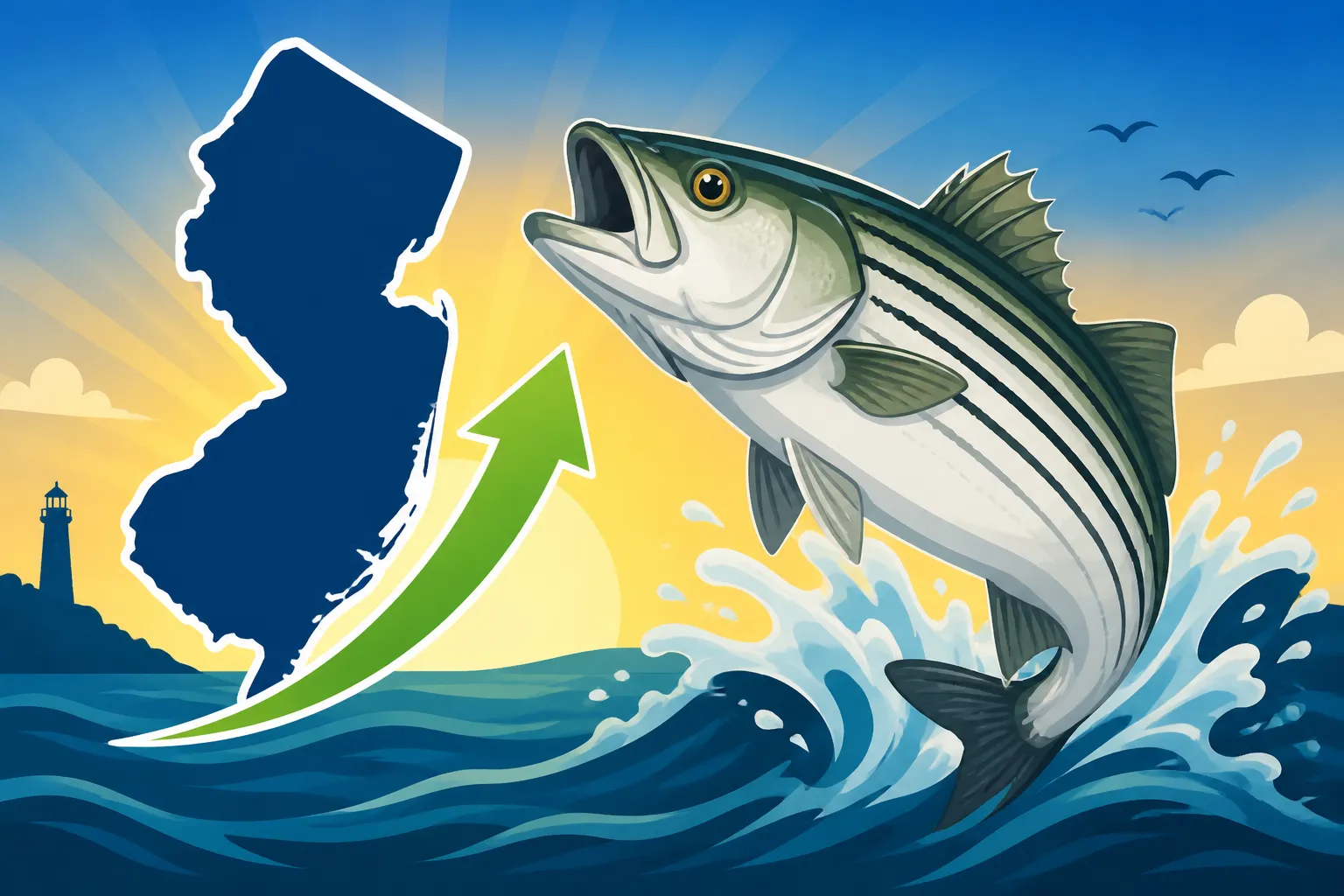
The bottom line? While we're not seeing the glory days of old, the signs point to a cautious comeback for New Jersey striped bass. It’s a testament to the efforts of many, and a reminder that sustained commitment from all of us is critical for their continued recovery.
Disclaimer
This article is for general informational purposes only and does not constitute professional advice. Laws, prices and regulations vary by location and change over time. Consult a qualified professional for guidance on your specific situation.