How Many Fish Species Live in New Jersey Waters?
You might think of New Jersey fishing in terms of a few iconic species, perhaps a monster striped bass, a feisty fluke, or a beautiful rainbow trout pulled from a cold stream. But our waters hold a much richer, more complex tapestry of aquatic life than many anglers realize. This guide will dive into the incredible diversity of fish that call New Jersey home, exploring just how many species populate our lakes, rivers, bays, and ocean, and why understanding this abundance can make you a more successful and appreciative angler.
The Sheer Diversity of New Jersey's Aquatic Ecosystems
New Jersey is a surprisingly diverse state, ecologically speaking. We've got everything from mountain lakes and pristine trout streams in the north to vast, brackish estuaries and the open Atlantic Ocean along our coast. This geographical variety isn't just pretty scenery; it creates a multitude of unique habitats, each perfectly suited for different kinds of fish.
A Tale of Two Worlds: Freshwater vs. Saltwater Habitats
Think about it: the chilly, clear waters of a mountain stream in Sussex County are a world away from the warm, nutrient-rich surf off Island Beach State Park. These vastly different environments support entirely distinct communities of fish. Freshwater habitats, like our numerous lakes, ponds, and rivers, are home to species adapted to low salinity and specific temperature ranges. Here, you'll find everything from aggressive largemouth bass lurking in lily pads to delicate trout darting through rocky runs. The factors governing life here are often tied to dissolved oxygen, water clarity, and the presence of aquatic vegetation or structure.
On the other hand, our expansive saltwater domain, stretching from the bays to the deep ocean, hosts species capable of thriving in high salinity and dealing with tidal currents, ocean swells, and often more extreme temperature swings. From the mighty bluefin tuna far offshore to the bottom-dwelling black sea bass on local wrecks, these fish have evolved for a life in the vast marine environment. Their movements are often dictated by migratory patterns, food availability in the immense ocean, and the search for suitable spawning grounds. Understanding these fundamental differences is the first step to appreciating the incredible range of fish species we have.
Beyond the Obvious: Estuaries and Brackish Zones
Now, let's talk about the unsung heroes of New Jersey's aquatic diversity: the estuaries and brackish zones. These are those magical, murky transition areas where freshwater rivers and streams meet the salty ocean, like the sprawling Barnegat Bay or the expansive Delaware Bay. They're neither purely fresh nor purely salt, but a constantly shifting mix, often influenced by the tides and recent rainfall. It's in these dynamic nurseries that many species spend crucial parts of their lives.
Many popular game fish, like striped bass and fluke, rely heavily on these brackish waters. Juvenile striped bass, for instance, often spend their early years in the relative safety and abundant food of estuarine rivers before venturing into the open ocean. Fluke, too, are commonly found in bay waters during the warmer months, feeding on baitfish and crustaceans before moving offshore for winter. These zones are incredibly productive, teeming with baitfish, crabs, and shrimp, forming the base of a complex food web. This unique environment supports a blend of species that can tolerate varying salinities, as well as those that are strictly estuarine residents. Without these crucial habitats, the health and diversity of our entire state's fish population would be severely diminished. Freshwater vs Saltwater Fishing Rules in New Jersey is a good read if you want to know more about fishing in these diverse environments.
Unpacking the Numbers: A Closer Look at Species Count
When you consider the vast array of habitats, it becomes clear that "how many fish species" isn't a simple number you can just pluck out of thin air. It's a dynamic figure, constantly influenced by natural cycles, human activity, and the sheer fluidity of aquatic life.
The Official Count: What the Experts Say
While no single, definitive real-time counter exists that goes up or down by the minute, various scientific studies and state agency reports indicate that New Jersey waters are home to a remarkable number of fish species. If you combine both freshwater and saltwater species that are either resident or migratory visitors, the total easily pushes well into the hundreds. We're talking over 200 distinct species, and sometimes even more depending on how you categorize transient visitors or newly identified populations. The New Jersey Department of Environmental Protection (NJDEP) Division of Fish and Wildlife works tirelessly to monitor these populations, conducting surveys, and tracking changes.
This count includes everything from the smallest freshwater minnows to the largest offshore pelagics. It's not a static figure, either. Factors like climate change, changes in ocean currents, new invasive species moving into our waters, or even new research methods can all slightly alter the perceived total over time. For instance, a species once considered rare might have a population boom, or a new species might be accidentally introduced, instantly adding to the tally. What's clear, though, is that New Jersey boasts a truly impressive aquatic biodiversity, reflecting its unique geographic position and environmental range.
The Major Categories: Game Fish and Forage Fish
While the overall number of species is high, most anglers tend to focus on a smaller, more popular subset. These are typically divided into two main categories: game fish and forage fish. Game fish are the ones we actively target for sport and food, and New Jersey has an incredible roster. In saltwater, think about the powerful Striped Bass Fishing in New Jersey, the delicious Fluke and Summer Flounder Fishing in New Jersey, the aggressive Bluefish Fishing in New Jersey, the structure-loving Tautog Fishing in New Jersey, or the prized Black Sea Bass Fishing in New Jersey. These species often have specific New Jersey Fishing Season Dates and Closures and How Bag and Size Limits Work in New Jersey regulations in place to manage their populations.
In freshwater, anglers often chase after the hard-fighting Largemouth Bass Fishing in New Jersey and Smallmouth Bass Fishing in New Jersey, the beautiful Trout Fishing in New Jersey (both stocked and wild), as well as pickerel, perch, and panfish like crappie and bluegill. But beneath these stars of the angling world lies an equally critical, and far more numerous, population of forage fish. These are the smaller species like bunker (menhaden), herring, anchovies, spearing, and various minnows that form the foundation of the aquatic food chain. While not typically targeted by recreational anglers, their abundance (or lack thereof) directly impacts the health and presence of the game fish we love to catch. Without a healthy population of forage fish, the larger predators simply wouldn't have enough to eat, and the entire ecosystem would suffer. You can often find great deals on cast nets for catching your own bait on Amazon.
Why This Abundance Matters to Anglers
Understanding the sheer volume and variety of fish species in New Jersey isn't just a fun fact; it's genuinely important for anyone who loves to fish our waters. It can open up new opportunities, deepen your appreciation for the environment, and help you be a more effective and responsible angler.
Expanding Your Fishing Horizons and Techniques
If you've always targeted just one or two species, realizing the incredible diversity out there can be a game-changer. It's an invitation to explore new avenues in your fishing journey. Maybe you're a dedicated freshwater bass angler, but you've never tried your hand at catching tautog on the wrecks. Or perhaps you're a surf fisherman, but you've never ventured into a quiet stream for trout. Each new species often requires a different approach, a new set of gear, and specific techniques to master. This constant learning keeps the sport fresh and exciting!
For instance, catching a fluke requires a drifting technique with a bucktail jig or a traditional fluke rig, often tipped with Gulp! or natural bait. For striped bass, you might be throwing topwater plugs at dawn, live-lining bunker, or jigging diamond jigs. Trout fishing, especially fly fishing, is a whole different ballgame of delicate presentations and understanding insect hatches. Expanding your target species encourages you to research New Jersey Fishing Seasons Explained, learn New Jersey Trout Fishing Techniques, or even pick up a new rod and reel combo that you can find easily on Amazon. This process of learning and adapting not only makes you a more versatile angler but also gives you more options when your primary target species might not be biting or in season.
Conservation, Ecosystem Health, and Regulation
The vast number of fish species in New Jersey is a testament to the health and richness of our ecosystems, but it's also a constant reminder of our responsibility as anglers to protect them. Every species plays a role in the intricate web of life, and the decline of one can have ripple effects throughout the entire environment. When you know there are hundreds of species, you begin to appreciate how complex and delicate that balance truly is.
This is precisely why regulations exist. The New Jersey Fish and Wildlife Digest is packed with rules about How Bag and Size Limits Work in New Jersey for various species, New Jersey Fishing Season Dates and Closures, and even specific handling rules like New Jersey Catch and Release Striped Bass Handling Rules. These aren't just arbitrary rules; they are carefully crafted by biologists and fisheries managers to ensure that these diverse populations remain healthy and sustainable for future generations. Your decision to get a New Jersey Fishing License Guide for 2026 and adhere to the New Jersey Saltwater Registry Explained directly contributes to the funding and data collection necessary to monitor and protect this incredible biodiversity. Understanding the variety of life underscores the importance of every regulation, from circle hook requirements to minimum sizes, all designed to safeguard the diverse aquatic communities we cherish.
Exploring Some Key New Jersey Fish Species
So, what are some of these hundreds of species we're talking about? Let's take a quick tour, highlighting some of the stars and a few of the lesser-known but equally fascinating residents of New Jersey's waters.
Iconic Saltwater Species
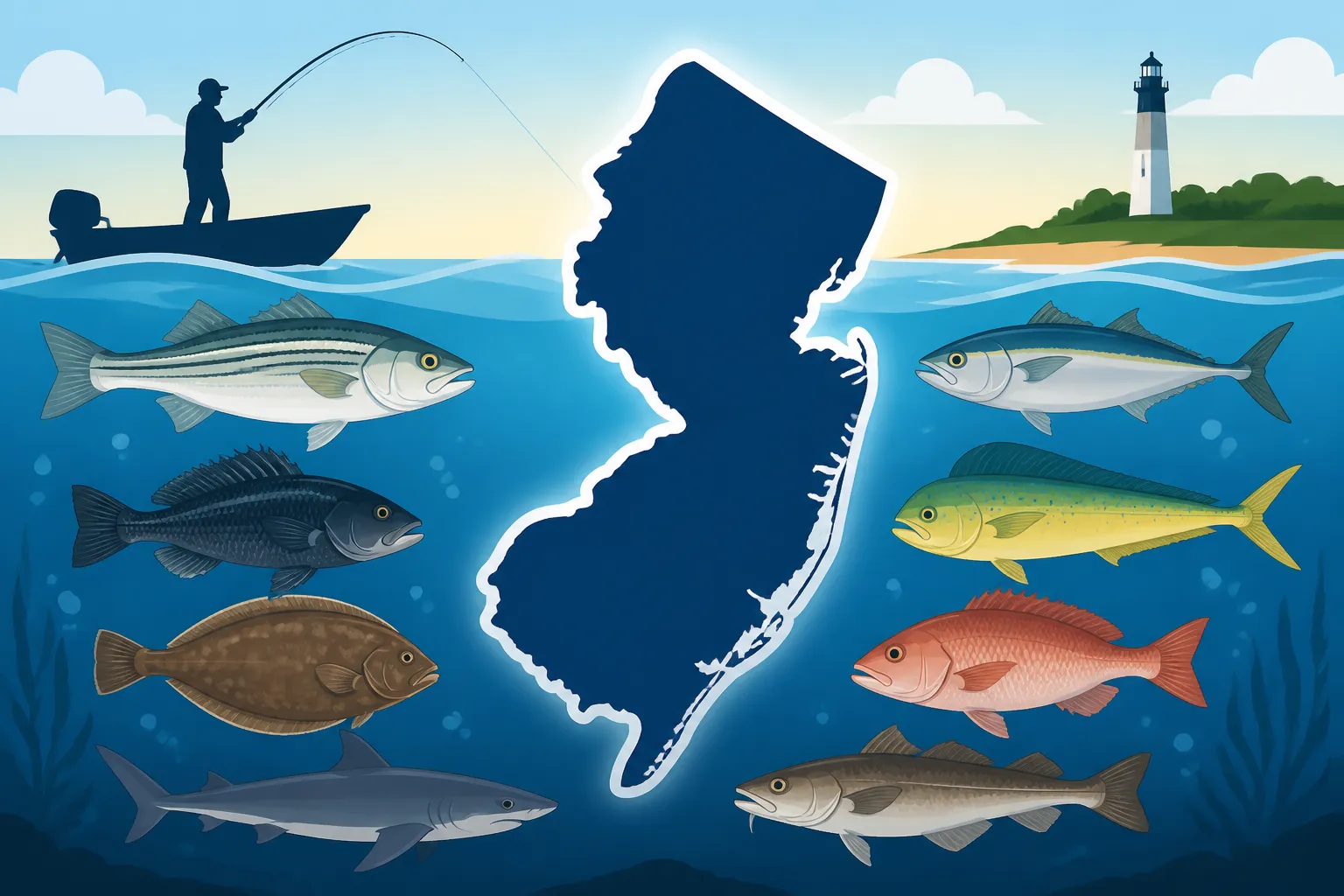
New Jersey's coastline is famous for its incredible saltwater fishing. Here are just a few of the many species that draw anglers year after year:
- Striped Bass: Arguably the most popular game fish, these powerful predators migrate along our coast, offering thrilling action from the surf, boats, and inlets. They're known for their distinctive stripes and strong fighting spirit. Their populations are carefully managed with slot limits, like New Jersey Striped Bass Slot Limit: 28 to 38 Inches.
- Fluke (Summer Flounder): A delicious flatfish that provides fantastic light tackle action in our bays and nearshore ocean waters. Drifting with bait or bucktail jigs is a favored method for these bottom dwellers. You'll find specific New Jersey Fluke Size and Bag Limits Explained to ensure a healthy fishery.
- Bluefish: The "chopper" of the sea, bluefish are known for their voracious appetites, sharp teeth, and aggressive strikes. They often move in schools, creating exciting blitzes. They put up an incredible fight and are a blast on spinning gear.
- Tautog (Blackfish): These incredibly strong and cunning fish are found around wrecks, reefs, and rocky structures. They are a winter favorite and require specialized jigging techniques and hardy tackle. Their season dates are important to follow.
- Black Sea Bass: Another delicious bottom fish, black sea bass are abundant around artificial reefs, wrecks, and rocky bottoms. They are a staple for many party boat anglers and offer consistent action.
These are just a few of the many pelagic and bottom-dwelling species that grace our saltwater. From sharks and tuna offshore to croakers and kingfish in the surf, the opportunities are endless. Many anglers stock up on their hooks, sinkers, and lures for these species on Amazon before hitting the water.
Freshwater Favorites
Away from the salty spray, New Jersey's inland waters offer a completely different set of angling adventures with a rich diversity of freshwater fish:
- Largemouth Bass: The undisputed king of freshwater sportfishing in New Jersey. These ambush predators are found in almost every lake, pond, and slow-moving river with structure. They provide explosive topwater action and are a blast to catch on various lures.
- Trout: New Jersey is renowned for its trout fishing, with extensive stocking programs of rainbow, brown, and brook trout in numerous streams and lakes. Whether you prefer bait, lures, or fly fishing, trout offer year-round opportunities in scenic settings, although the New Jersey Trout Season Preseason Closure Explained is a temporary pause before opening day.
- Smallmouth Bass: Often found in cooler, clearer rivers like the Delaware, these bass are known for their powerful fights and acrobatic leaps. They prefer rocky bottoms and faster currents compared to their largemouth cousins. Delaware River Smallmouth Bass Fishing is a popular pursuit for many.
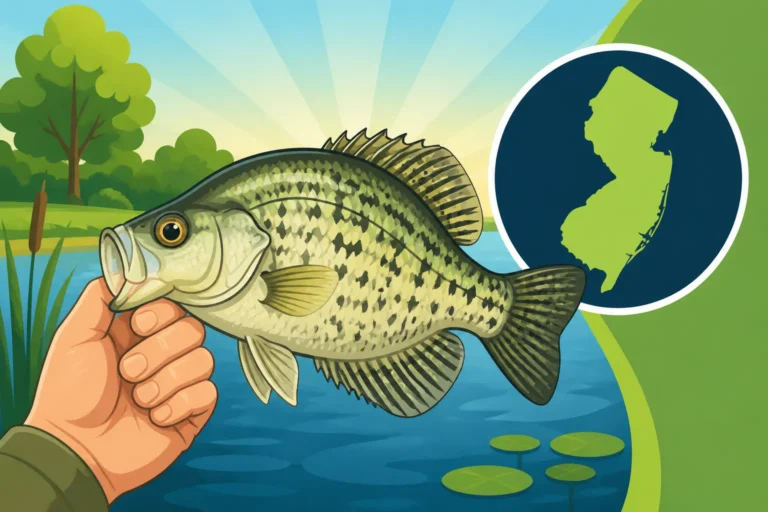
- Panfish: This broad category includes species like bluegill, pumpkinseed sunfish, crappie, and yellow perch. These are often the first fish kids catch and provide endless fun for anglers of all ages. They are abundant in most freshwater bodies and are willing biters.
- Catfish: Channel catfish and bullheads are common in many of our lakes and slow-moving rivers. They are hearty fighters and excellent table fare, often targeted after dark with stink baits or cut bait.
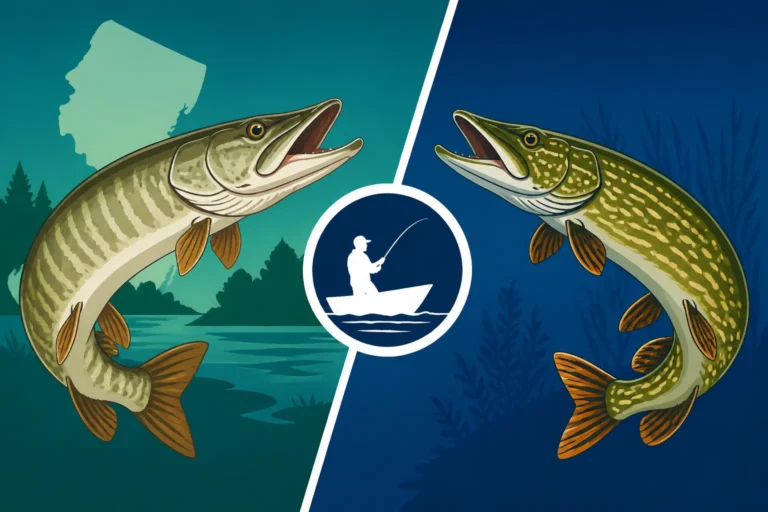
This list barely scratches the surface. We also have chain pickerel, various suckers, carp, and even occasional muskie or walleye in specific waters. The sheer number of freshwater species ensures that there's always something new to learn or a different challenge to pursue, no matter your skill level.
The Lesser-Known, But Still Important
Beyond the prime game fish and popular panfish, New Jersey's waters are home to countless other species that contribute to the overall biodiversity. These might be smaller, less commonly targeted by anglers, or even fish that serve primarily as food for other species. Think about the myriad of shiners, dace, and darters that populate our streams, or the killifish and mummichogs that thrive in coastal marshes. These tiny fish are vital links in the food chain, feeding everything from trout to wading birds.
Then there are species like the sea robin, often caught as bycatch by fluke anglers. While sometimes dismissed, they're part of the marine ecosystem and can be surprisingly good to eat if you give them a chance. Skates and rays, too, are common bottom dwellers that add to the oceanic tapestry. And yes, even some invasive species, like the occasional snakehead or flathead catfish, unfortunately, become part of the overall count, highlighting the constant ecological shifts in our waters. Every single one of these species, no matter how small or seemingly insignificant, plays a role in the health and balance of New Jersey's rich aquatic environment.
To give you a clearer picture of this incredible diversity, here's a small snapshot of some common species and where you might find them:
| Species | Primary Habitat (Fresh/Salt/Brackish) | Preferred Environment | Common Angling Method(s) |
|---|---|---|---|
| Striped Bass | Saltwater, Brackish | Bays, Rivers, Ocean, Inlets, Surf | Live bait, Eels, Plugs, Jigs, Spoons |
| Fluke (Summer Flounder) | Saltwater, Brackish | Bays, Ocean (sandy/muddy bottoms), Inlets | Bucktails, Fluke Rigs, Gulp!, Squid, Minnows |
| Largemouth Bass | Freshwater | Lakes, Ponds, Slow Rivers (vegetation, structure) | Worms, Plastic baits, Topwater, Crankbaits |
| Rainbow Trout | Freshwater | Streams, Lakes (cold, clear water) | PowerBait, Worms, Spinners, Flies |
| Bluefish | Saltwater, Brackish | Ocean, Bays, Inlets, Surf | Poppers, Metal lures, Cut bait, Live bait |
| Tautog (Blackfish) | Saltwater | Wrecks, Reefs, Rocky Structure | Green crabs, Fiddler crabs, Clams |
| Channel Catfish | Freshwater | Lakes, Rivers (muddy bottoms, slower currents) | Stink bait, Cut bait, Worms |
| Yellow Perch | Freshwater | Lakes, Ponds, Rivers (weedy, structured areas) | Worms, Minnows, Small jigs |
| Black Sea Bass | Saltwater | Wrecks, Reefs, Rocky Bottoms | Clams, Squid, Jigs |
This article is for general informational purposes only and does not constitute professional advice. Laws, prices and regulations vary by location and change over time. Consult a qualified professional for guidance on your specific situation.