Do Trout Reproduce Naturally in New Jersey Streams?
One of the most common questions I hear from fellow anglers, especially those just starting out or moving to our beautiful state, is about the trout they're catching. We see so many stocked fish, it's easy to wonder: are there actually trout reproducing naturally in New Jersey streams, or are we just catching fish put there by the state? This guide will dive deep into the fascinating, and sometimes challenging, reality of wild trout populations and natural reproduction in our New Jersey waterways.
The Reality of Wild Trout Populations in New Jersey
It’s easy to assume that every trout you hook in a New Jersey stream was put there by a stocking truck, especially with how robust our stocking program is. And while it’s true that many of the trout we enjoy catching are indeed stocked, the story of natural reproduction in our state is more nuanced. Yes, wild trout do exist, and some of them absolutely reproduce naturally, a testament to the resilience of nature and ongoing conservation efforts.
What "Natural Reproduction" Truly Means for Trout
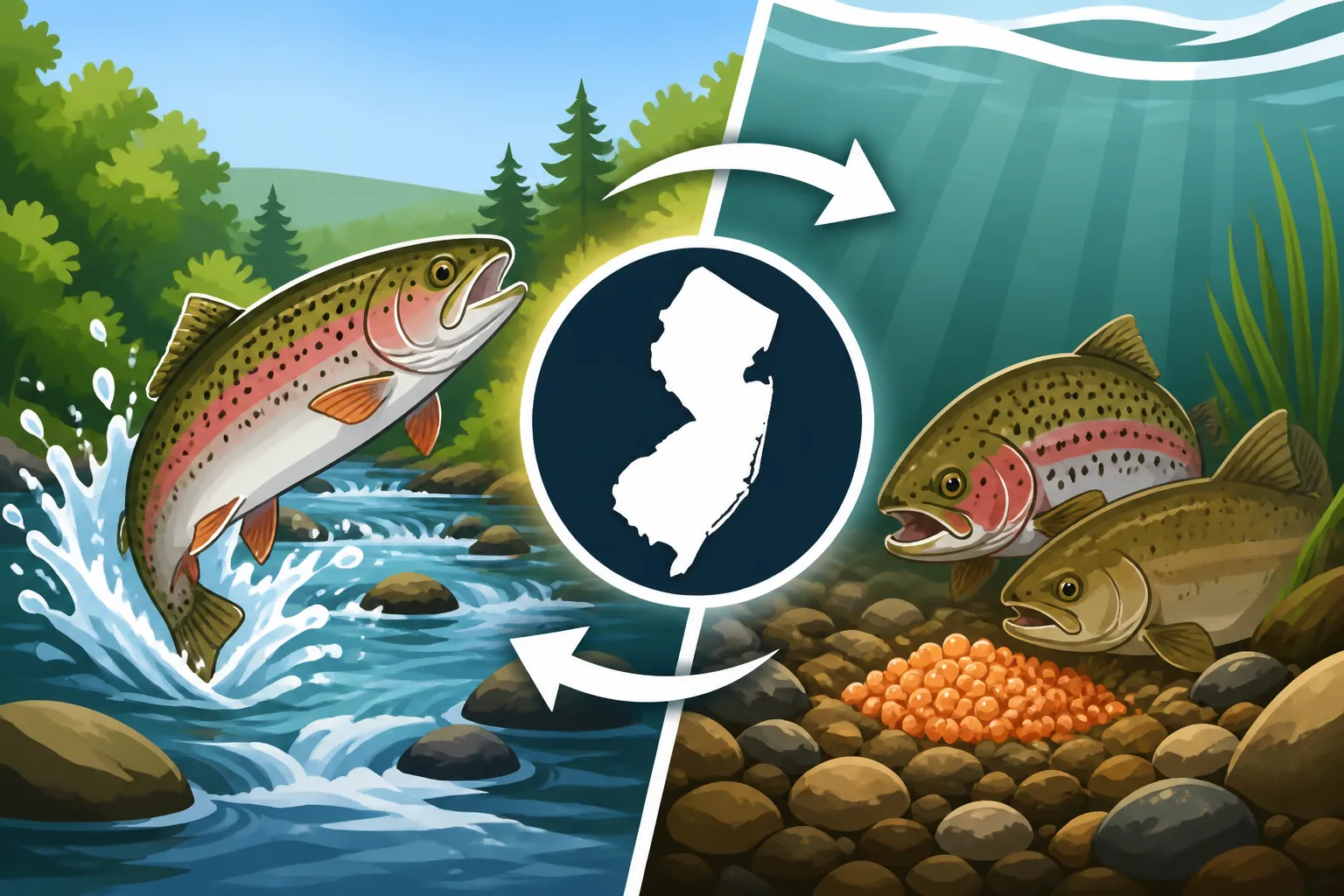
When we talk about natural reproduction, we're envisioning a complete, self-sustaining cycle where trout spawn, their eggs hatch, the fry grow into fingerlings, and then mature into adults, all without any human intervention. This isn't just about fish dropping eggs; it requires a very specific and delicate set of environmental conditions to succeed. Trout, particularly those we find in our region, need cold, crystal-clear, highly oxygenated water year-round. They also need clean, stable gravel beds in shallow riffle areas for successful spawning, where the eggs can develop safely. If the gravel shifts, or gets covered in silt, those eggs are doomed. Then, once hatched, the tiny fry need ample cover and a consistent food supply to survive their incredibly vulnerable early stages. It’s a tough life out there for a baby trout!
Which Trout Species Exhibit Natural Reproduction in New Jersey?
In New Jersey, the poster child for natural trout reproduction is undoubtedly the Brook Trout. These beautiful fish are our only native trout species, and they are truly a treasure. You'll find them primarily in the pristine, cold headwater streams of our northern counties, often in remote, undisturbed areas. They are highly sensitive to habitat degradation and water quality, so their presence is a fantastic indicator of a healthy stream ecosystem.
Brown Trout are a different story. While they are not native to North America, they are an introduced species that has naturalized in some New Jersey waters. You might find limited, localized populations of naturally reproducing brown trout, particularly in some larger, colder stream systems where conditions are just right. However, the vast majority of brown trout caught in New Jersey were initially stocked. They are a bit more tolerant of slightly warmer water than brook trout, which gives them a slight edge in some areas.
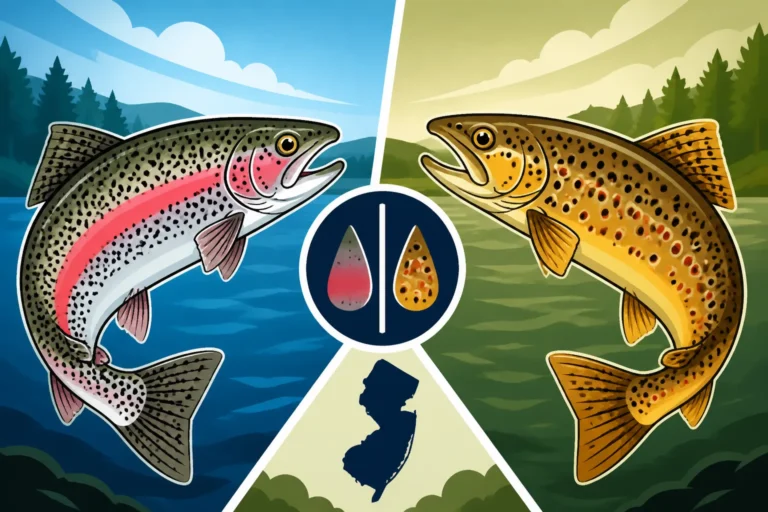
Rainbow Trout, another non-native species, are almost exclusively supported by stocking in New Jersey. While they can and do reproduce in some parts of the country, it's exceedingly rare to find documented natural reproduction of rainbow trout in our state's streams. When you catch a rainbow, especially a larger one, it's almost certainly a recent transplant from one of our hatcheries. New Jersey Rainbow Trout vs Brown Trout vs Brook Trout offers a great look at how to tell these species apart.
It can be incredibly difficult for the average angler to distinguish a truly wild brown trout from one that was stocked and has survived for a while, growing larger and adapting. This is where looking at the general health of a stream, and paying attention to where you are fishing, really helps you understand what you might be encountering.
The Challenges to Natural Trout Reproduction in New Jersey Streams
While we cherish the thought of wild trout thriving in every stream, the reality is that many of New Jersey's waterways face significant hurdles that make natural reproduction an uphill battle. It’s not just about having some fish in the water; it's about providing the sustained, pristine conditions needed for an entire generation to grow from egg to adult without human intervention.
Habitat Degradation and Water Quality
This is, by far, the biggest enemy of naturally reproducing trout. Our state is densely populated, and with development comes impact. Urbanization brings impervious surfaces like roads and parking lots, which mean more runoff carrying pollutants directly into streams during storms. Agricultural runoff, even from small farms, can introduce fertilizers and pesticides, drastically altering water chemistry. Sedimentation from construction, erosion, or even recreational use can smother those vital gravel spawning beds, preventing eggs from getting the oxygen they need to hatch. When those clean, rocky bottoms get covered in fine silt, the trout simply can't reproduce successfully.
Another huge factor is water temperature. Trout are coldwater fish, and even a few degrees above their optimal range can be lethal, especially for eggs and young fry. As stream banks are cleared of trees for development or agriculture, the lack of shade allows the sun to heat the water. Runoff from hot pavements also spikes stream temperatures. This isn't just a comfort issue for the fish; it's a matter of survival, especially during our hot New Jersey summers. You can read more about how critical this is in Trout Survival Through Summer in New Jersey Lakes.
Temperature and Flow Fluctuations
Beyond just average temperatures, sudden swings can be devastating. New Jersey experiences a range of weather, from intense summer heatwaves to periods of drought, and then heavy rainstorms. Droughts can reduce stream flow to a trickle, concentrating pollutants and raising temperatures to lethal levels. Then, when heavy rains hit, the increased runoff can create flash floods, scouring streambeds and washing away eggs and fry. These extreme fluctuations are becoming more common and make it incredibly difficult for a fragile trout population to get established and sustain itself year after year. A healthy riparian buffer—the trees and plants along the stream banks—can help mitigate some of these issues by providing shade and stabilizing the soil, but many streams lack this crucial protection.
Competition and Predation
While less of a primary driver compared to habitat loss, competition and predation still play a role. When large numbers of hatchery-reared trout are stocked, they can sometimes outcompete any existing wild populations for limited food and space. Stocked fish, often raised in crowded hatchery conditions, can also potentially introduce diseases or parasites to wild populations that may not have developed immunity. Of course, natural predators like birds, otters, and larger fish also take their toll, but a healthy, robust habitat usually provides enough cover for wild trout to evade these threats to a certain extent. When habitat is compromised, these natural pressures become much more significant.
Where Natural Reproduction Still Occurs and Why It Matters
Despite the challenges, glimmers of hope exist. There are still precious pockets in New Jersey where wild trout hold on, where the conditions are just right for them to complete their life cycle without human intervention. These are truly special places, and understanding them helps us appreciate the importance of conservation.
Identifying Wild Trout Streams
So, how do you find these elusive wild trout streams? Generally, you’ll want to look towards the colder, cleaner headwaters of streams, particularly in the more remote and mountainous regions of northern New Jersey, like parts of Sussex, Warren, Passaic, and Morris counties. These areas often have:
- Dense Tree Cover: A thick canopy of trees provides crucial shade, keeping water temperatures low, which is non-negotiable for wild trout.
- Spring-Fed Water: Springs provide a consistent source of cold, clean groundwater, acting like natural refrigerators for the stream.
- Rocky or Gravel Bottoms: Stable, clean substrate is essential for spawning and provides habitat for the insects trout feed on.
- Limited Development: Areas with minimal human impact upstream are less likely to suffer from pollution, sedimentation, or excessive runoff.
State agencies like the New Jersey Department of Environmental Protection (NJDEP) and its Division of Fish and Wildlife actively identify and monitor these "designated trout production" and "trout maintenance" waters. They conduct surveys, often electroshocking sections of streams to count and assess populations, looking for signs of natural reproduction like different age classes of fish. These designations are critical because they often come with specific protections and regulations, helping to preserve these vital habitats. New Jersey Freshwater Fishing Regulations Every Angler Should Know can help you understand the rules in these sensitive areas.
Conservation Efforts and Angler's Role
The survival of our wild trout populations depends heavily on ongoing conservation efforts. This isn't just the work of government agencies; it's a collective effort. Watershed protection groups work tirelessly to restore riparian buffers, stabilize stream banks, and reduce pollution sources. Projects to remove dams and clear blockages can open up new spawning grounds and improve water flow.
As anglers, we play an incredibly important role. Practicing catch-and-release, especially in known wild trout waters, ensures that these fish can spawn again and contribute to the population. Using single, barbless hooks can minimize harm to released fish. Supporting organizations that focus on habitat restoration and advocating for stronger environmental protections are also crucial. When you purchase a New Jersey Trout Stamp Requirements Explained, you're directly contributing to the state's trout management and conservation programs, which benefit both stocked and wild trout populations. Many dedicated anglers even go further, buying specific fly-tying materials or stream restoration tools, which are easily found on platforms like Amazon, to aid in their personal efforts or support local groups.
Remember, every step we take to protect water quality and habitat, whether it’s reducing lawn chemicals or participating in a stream cleanup, helps our wild trout fight another day.
Differentiating Wild Trout from Stocked Trout
For many New Jersey anglers, knowing whether you've caught a truly wild trout or a stocked fish can be a real point of pride. It speaks to the health of the stream and the skill of the angler. While it's not always 100% foolproof, there are some tell-tale signs that can help you distinguish between the two. This knowledge can also inform your fishing approach; catching a wary wild trout often requires different tactics than a less cautious stocked one.
Physical Characteristics
The most common way to tell the difference is by looking closely at the fish itself.
- Fins: This is often the biggest giveaway. Stocked trout, having been raised in concrete raceways with many other fish, often have worn, stubby, or even damaged fins. Their caudal (tail) fin, dorsal fin, and pectoral fins might show signs of rubbing or nipping. Wild trout, on the other hand, typically have perfect, fully formed, and often elongated fins. They're usually much sharper and more vibrant.
- Coloration: Wild trout generally boast more vivid and natural colors. They blend seamlessly with their surroundings, showcasing rich browns, olive greens, and bright spots. Their bellies might be creamier or more yellowish. Stocked trout, by contrast, can sometimes appear duller or paler, sometimes with a more uniform, silvery sheen, reflecting their hatchery environment.
- Body Shape: Wild fish tend to be more streamlined and torpedo-shaped, honed by constantly battling currents and hunting for food in a natural environment. Stocked trout might appear a bit plumper or sometimes even slightly misshapen due to their protected, food-rich hatchery life.
- Snout: While subtle, some anglers note that wild trout often have a more pointed or "wilder" looking snout, whereas stocked fish might have a slightly blunter profile.
Behavioral Differences and Fishing Implications
Beyond their looks, wild and stocked trout behave quite differently, and understanding this can really change how you approach your fishing.
- Wariness: Wild trout are incredibly wary. They've survived by being cautious, avoiding predators and detecting threats. They'll spook at shadows, loud noises, or heavy footsteps along the bank. Catching a wild trout often requires stealth, precise casts, and a delicate presentation. They rarely "jump" on a lure like a freshly stocked fish might.
- Feeding Habits: Wild trout are experts at finding natural food sources—aquatic insects, minnows, crayfish. They're often pickier about what they eat and can be highly selective, especially in heavily insect-hatched areas. Stocked trout, accustomed to pellets, are often less discerning initially, but they quickly adapt to natural forage once in the stream.
- Location: Wild trout will often hold in specific, productive lies, like under undercut banks, behind large rocks, or in deep pools with good cover, where they can ambush prey and remain hidden. Stocked fish, especially right after being released, might be more scattered or congregated in open areas, still adjusting to their new surroundings.
For anglers looking to target these more challenging wild fish, your gear choices and techniques become even more critical. You might find yourself leaning towards lighter lines, smaller lures or flies, and more subtle presentations. If you're looking for specialized ultralight spinning gear, high-quality fluorocarbon leader, or a good pair of polarized sunglasses for spotting wary fish, online retailers like Amazon can be a treasure trove of options. Having the right tools, whether it's specific lures that mimic natural insects or a sensitive rod to detect delicate bites, can make all the difference when trying to fool a truly wild New Jersey trout.
It’s an incredible feeling to land a trout and realize, based on its perfect fins and vibrant colors, that this fish was born and raised right there in that stream. It’s a connection to the wild heart of New Jersey that goes beyond just the act of fishing.
Disclaimer
This article is for general informational purposes only and does not constitute professional advice. Laws, prices and regulations vary by location and change over time. Consult a qualified professional for guidance on your specific situation.