Bluefish Blitzes Along the Jersey Shore
One of the most thrilling experiences an angler can have along the New Jersey coast is witnessing, and participating in, a bluefish blitz. It’s a spectacular, chaotic, and often intense event where large schools of bluefish aggressively feed on baitfish, creating a visible frenzy that can electrify the water. This guide will walk you through everything you need to know to understand, locate, and successfully fish a bluefish blitz right here on the Jersey Shore.
Understanding the Bluefish Blitz Phenomenon
There’s nothing quite like it. You're standing on the beach, perhaps just enjoying the sunrise, and suddenly the ocean erupts into a violent, churning mass of water, jumping baitfish, and splashing predators. That, my friends, is a bluefish blitz. It’s a primal display of nature’s raw power, and for an angler, it’s an invitation to some of the most exciting fishing you’ll ever encounter.
What Exactly is a Bluefish Blitz?
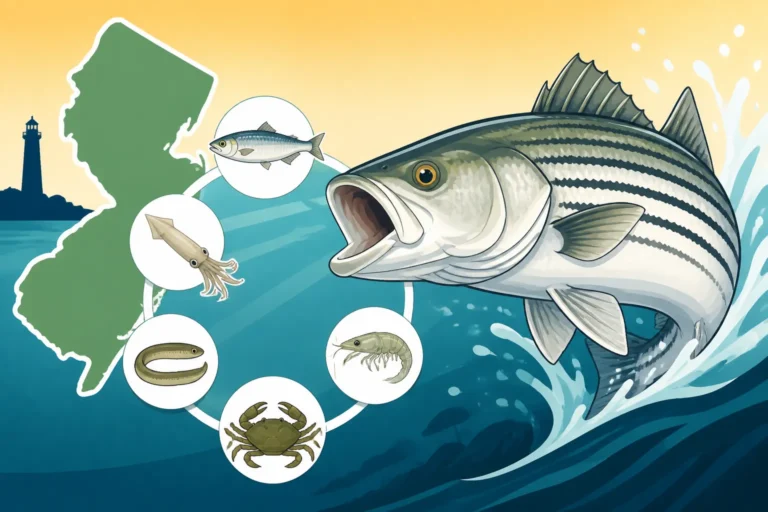
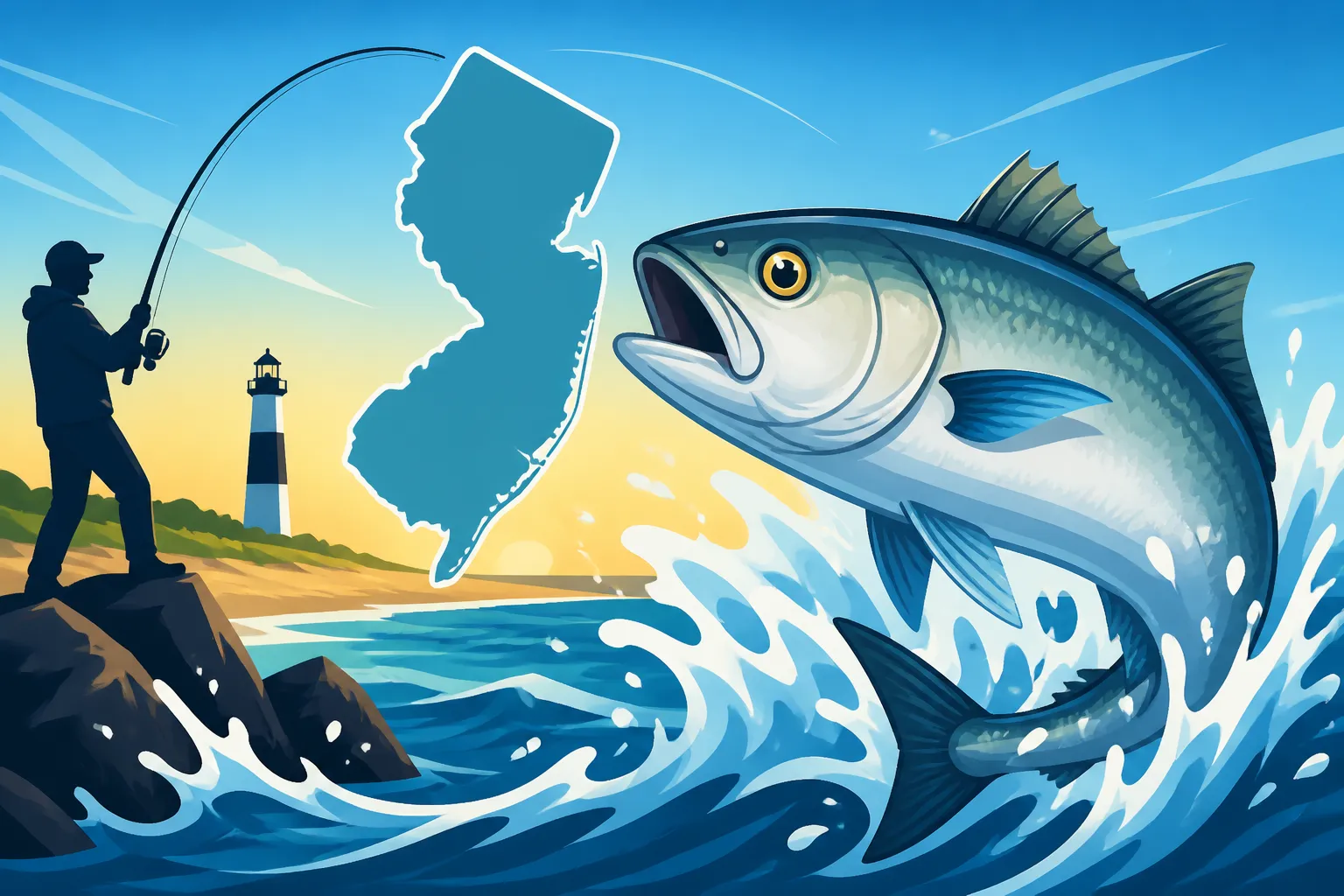
Imagine a school of thousands of baitfish, like bunker (menhaden), spearing, or anchovies, swimming along the coast. Now, picture hundreds, if not thousands, of hungry bluefish—sometimes mixed with striped bass—chasing them relentlessly from below. The baitfish, in a desperate attempt to escape, will often "ball up" or leap out of the water in unison, creating a shimmering, splashing surface commotion. This is the visual cue of a blitz: birds diving, water churning, and fish flying.
It’s not just a feeding event; it's a feeding frenzy. Bluefish are notoriously aggressive eaters, and when they get into this mode, they seem to lose all inhibition. They'll slash through schools of bait, often killing more than they can immediately eat, driven by an instinct to gorge themselves while the opportunity lasts. This creates a perfect storm for shore anglers and boaters alike, as the bluefish are so focused on their meal that they become less wary of hooks and lines. The sound alone can be incredible, a cacophony of splashes and squawking birds that truly signals a wild event.
Why Do Bluefish Blitz? The Science Behind the Frenzy
The primary driver behind a bluefish blitz is simple: survival. Bluefish are highly migratory and expend a lot of energy traveling and living in the ocean. When they encounter massive schools of baitfish, it's a caloric jackpot, and they exploit it with extreme efficiency. It's an opportunistic feeding strategy where sheer numbers and aggressive tactics overwhelm their prey.
From an ecological perspective, a blitz is a critical link in the food chain. Bluefish, often traveling in large schools themselves, use coordinated efforts to herd baitfish into tighter balls, making them easier targets. This predatory behavior is honed over generations, ensuring that the strongest and most efficient hunters survive and pass on their genes. The Jersey Shore, with its rich seasonal migration of various baitfish, provides the perfect stage for these events. Factors like water temperature, tidal currents, and the sheer volume of bait all contribute to creating the ideal conditions for a blitz to ignite. Why Do Bluefish Blitzes Happen Near the Shore? dives deeper into the environmental factors at play, but essentially, it's about the convergence of hungry predators and abundant prey.
The Chain Reaction: How Baitfish and Predators Interact
A bluefish blitz is a spectacular demonstration of a complex marine ecosystem in action. It starts with the baitfish, which are usually migrating along the coast in enormous schools. These schools are like moving buffets for pelagic predators. The moment the bluefish locate them, the hunt begins. As the bluefish push the baitfish towards the surface or into shallower water, other predators join the feast.
Seabirds, like gulls and terns, are often the first visible indicators of a blitz. They can spot the commotion from high above and will dive into the fray, snatching baitfish that are pushed to the surface. Sometimes, larger predators like sharks or even dolphins can be found on the periphery, capitalizing on the chaos or feeding on the bluefish themselves. It’s a full-on feeding frenzy that involves multiple trophic levels. This interaction highlights the abundance of What Forage Fish Do Saltwater Gamefish Feed On? along our coast and why these blitzes are such a crucial part of the oceanic food web. The sheer energy involved in these events is astounding, and it's a testament to the dynamic nature of our marine environment.
Prime Time and Places for Bluefish Blitzes in New Jersey
To intercept a bluefish blitz, you need to be in the right place at the right time. While bluefish can be found along the Jersey Shore for a good portion of the year, these intense feeding events often coincide with specific conditions and seasonal migrations. Knowing when and where to look can dramatically increase your chances of witnessing, and casting into, this incredible spectacle.
When to Expect a Blitz: Seasonality and Timing
Bluefish are migratory, moving north in the warmer months and south as temperatures drop. Along the Jersey Shore, the peak season for bluefish, and thus for blitzes, generally runs from late spring through fall.
- Spring Run: As ocean waters begin to warm in May and June, large schools of bluefish move north along the coast. This can spark some early blitz activity, particularly around inlets and bay mouths where baitfish congregate.
- Summer Peak: While summer can see bluefish around, the smaller "snapper bluefish" are more common closer to shore. Larger blues might be further offshore, but don't rule out a blitz if a big school of bunker moves through.
- Fall Run: This is arguably the prime time for bluefish blitzes in New Jersey. From September through November, massive schools of baitfish, like Atlantic menhaden (bunker), mullet, and spearing, migrate south. This migration attracts large, hungry bluefish, leading to explosive feeding events right off the beaches and inlets. The cooler water temperatures seem to energize the bluefish, making their feeding even more aggressive. You can often find detailed information on these movements by checking local fishing reports or online forums. Understanding New Jersey Bluefish Season Peak Timing is crucial for planning your blitz pursuit.
Tides also play a significant role. Often, a strong outgoing tide can concentrate baitfish in specific areas, making them easier targets for bluefish. Conversely, a strong incoming tide can push bait into estuaries, creating opportunities in the back bays and rivers. It really pays to learn How to Read Tide Charts for Better Fishing in New Jersey to predict where bait and predators might converge.
Identifying Hotspots: Where Along the Jersey Shore Do They Occur?
Bluefish blitzes can technically happen anywhere along the coast where baitfish are abundant and bluefish are present. However, certain areas consistently offer better chances due to their geography and bait concentrations.
- Inlets and Estuaries: Places like Manasquan Inlet, Barnegat Inlet, and Absecon Inlet are classic blitz hotspots. These narrow passages act as funnels, concentrating baitfish as they move in and out with the tides. Bluefish often wait just outside or inside these inlets to ambush their prey.
- Beaches with Structure: Beaches adjacent to jetties, rockpiles, or even submerged structures can be excellent. These features provide ambush points for bluefish and often hold baitfish seeking shelter. Good examples include sections of Island Beach State Park Fishing Access and the jetties along Long Beach Island.
- River Mouths and Bays: Areas where rivers meet the ocean, or large bay systems like Barnegat Bay, are rich in nutrients and baitfish. These locations can be phenomenal during the fall mullet run, as bluefish will push the mullet against the shorelines or into river channels. Barnegat Bay Bluefish and Fluke Spots are well-known for producing exciting action.
Always keep an eye out for bird activity. Diving gulls and terns are often the earliest and most reliable indicators of a blitz. They're getting their meal from the same baitfish that the bluefish are pushing to the surface. It's a natural signal, and sometimes the best way to locate a blitz is simply by driving the coast and scanning the horizon for bird activity. This is why learning How to Spot a Bluefish Blitz From the Beach is an invaluable skill.
Reading the Water: Signs of an Impending Blitz
Detecting a bluefish blitz isn't always about seeing a full-blown feeding frenzy right away. Often, there are subtle clues that precede the explosion of activity. Being observant can put you in position before the crowds arrive.
- Bird Activity: As mentioned, this is huge. Look for gulls, terns, and gannets circling or hovering, especially if they're dipping down or diving. If they're actively hitting the water, a blitz is almost certainly underway or about to kick off. Remember, birds are opportunists, and they're feeding on the same bait that the bluefish are chasing.
- Baitfish Movement: Keep an eye on the surface for nervous baitfish. You might see shimmering schools, small flickers, or even small baitfish jumping out of the water in a scattered fashion. This indicates that something is harassing them from below. Sometimes, you'll see a dark, agitated mass just below the surface—that's often a bunker school being herded.
- Water Disturbances: Look for subtle ripples, boils, or even patches of "nervous water" where the surface isn't smooth, but rather slightly disturbed by unseen activity. This can be the bluefish pushing up a school of bait. Small slicks on the water, which are often fish oils released by the feeding frenzy, can also be a tell-tale sign, especially in calm conditions.
- The Smell: Yes, sometimes you can smell a blitz, especially if it's involving oily baitfish like bunker. A distinct, fishy smell on the breeze can indicate a major feeding event is happening nearby. It’s not the most common sign, but it definitely happens.
Combine these visual cues with your knowledge of tides and seasons, and you'll be well on your way to intercepting a bluefish blitz. Remember, these events can be fast-moving, so once you spot the signs, it's time to act quickly!
Gear Up for the Blitz: Essential Tackle and Lures
Bluefish are powerful, aggressive, and known for their sharp teeth. Going into a blitz unprepared can lead to broken lines, lost lures, and even personal injury. Having the right gear isn't just about catching fish; it's about making the experience safe and enjoyable. Don't skimp on quality when it comes to tackling these toothy critters.
Rods, Reels, and Line: Handling the Power of Bluefish
When bluefish are in a blitz, they hit hard and fight dirty. You need tackle that can stand up to the challenge.
- Rods: For surf fishing during a blitz, a medium-heavy to heavy action spinning rod, typically 9 to 11 feet long, is ideal. This length allows for long casts to reach distant blitzes and provides leverage to fight strong fish in the waves. A good quality rod will absorb the shock of a bluefish's initial strike and help you control its powerful runs. If you're fishing from a boat or kayak, a shorter, sturdy 7-8 foot medium-heavy boat rod works well. Consider something robust from a brand available on Amazon that specializes in saltwater fishing gear. Best Rod Length for Jersey Shore Surf Fishing offers more specific recommendations for rod selection based on shore conditions.
- Reels: Pair your rod with a sturdy spinning reel in the 6000 to 8000 size range. It needs a smooth, powerful drag system and sufficient line capacity. Bluefish can peel off line in impressive bursts, so a reliable drag is non-negotiable. Look for models with good corrosion resistance, as they'll be exposed to saltwater spray and potentially sand.
- Line: Braided line is highly recommended for bluefish blitzes. Its thin diameter allows for longer casts, and its zero-stretch property provides excellent sensitivity for feeling bites and solid hooksets. A 30 to 50 lb test braided line is a good all-around choice. You'll want to spool up with plenty of it; don't skimp on line, especially if you're casting to a fast-moving school. Some anglers might also use a monofilament or fluorocarbon shock leader tied to the braided main line, especially when fishing areas with abrasive structure. Consider What Pound Test Line for Surf Fishing is generally recommended for the species you might encounter.
Lures and Baits That Drive Bluefish Wild
Bluefish in a blitz are not particularly picky, but some lures and baits are far more effective at mimicking their natural prey and triggering their aggressive strikes.
- Metal Jigs and Poppers: These are the quintessential bluefish blitz lures.
- Metal Jigs: Heavy, aerodynamic metal lures, often called "casting spoons" or "tins," are fantastic for distance casting and cutting through the wind. They sink quickly and can be retrieved with a fast, erratic jigging motion that bluefish can't resist. Silver, chrome, or even white patterns that resemble baitfish are usually the most effective. These are readily available on Amazon.
- Poppers: Topwater poppers create a lot of commotion on the surface, mimicking a struggling baitfish or a bluefish thrashing. The aggressive "pop" and splash are irresistible to blitzing blues. White, chartreuse, and bone colors are popular. The visual aspect of a bluefish exploding on a popper is pure adrenaline.
- Soft Plastics and Swim Shads: While less common during a full-on blitz, large soft plastic swim shads rigged on heavy jig heads can be deadly when the bluefish are a bit deeper or less aggressive. These can often mimic larger baitfish like bunker very well.
- Live Bait: If you can get your hands on fresh bunker, mullet, or spearing, live bait under a float or free-lined can be incredibly effective. Sometimes, when the blitz slows or the bluefish become wary of artificials, a lively baitfish is the only thing that will draw a strike. How to Cast Net for Bait in New Jersey can be a great skill to develop for catching your own fresh bait.
- Color Choice: While bluefish are not usually discerning, Best Lure Color for Bluefish suggests that brighter, flashier colors often work best to stand out in the chaotic environment of a blitz. Silver, chartreuse, and bright white are go-to choices.
Don't Forget the Leaders and Pliers: Protecting Your Gear and Yourself
This is where many anglers make mistakes that lead to lost fish, lost lures, and painful encounters. Bluefish have incredibly sharp, razor-like teeth, and they will cut through monofilament line like butter.
- Leaders: You must use a strong leader, and for bluefish, this often means a wire leader. A 6-12 inch section of stranded wire leader (around 40-60 lb test) with a good swivel and snap-swivel is essential. This protects your main line from those vicious choppers. While fluorocarbon leaders (50-80 lb test) can sometimes withstand a bluefish's bite, wire is the safest bet to prevent bite-offs. Don't go too long with the leader, as it can hinder casting, but make it long enough to prevent the fish from getting its teeth on your mainline.
- Pliers/Fish Grips: These are non-negotiable safety items. Never, ever stick your hand in a bluefish's mouth, even if you think it's dead. Their teeth are incredibly sharp, and they thrash violently. A good pair of long-nosed pliers is essential for removing hooks. Fish grips or lip-gripping tools are also invaluable for safely handling a hooked bluefish without touching its body or mouth. Many excellent models are available on Amazon.
- Gloves: Heavy-duty fishing gloves can provide an extra layer of protection against sharp teeth, gill plates, and even hooks. They also improve your grip on slippery fish.
- Line Cutters: In the event of a deep hookset or a fouled line, having a reliable pair of line cutters can save you time and prevent unnecessary stress on the fish.
Being prepared with the right tackle and safety gear ensures that you can fully enjoy the excitement of a bluefish blitz without any unnecessary drama. Remember, respect the fish and its powerful capabilities, and you'll have a much better experience. Why Do Bluefish Have Sharp Teeth? is a good read to truly understand what you're up against.
Strategies for Fishing a Bluefish Blitz
So you’ve spotted the blitz, your gear is ready, and your heart is pounding. Now what? Fishing a bluefish blitz is about more than just casting into the commotion; it's about strategic placement, effective casting, and safe handling. These events can be fast-paced, so being quick and decisive is key.
Casting Techniques for Maximum Impact
When a blitz is on, the bluefish are in a feeding frenzy, but that doesn't mean you can just throw your lure anywhere. Precision and quick retrieval are often crucial.
- Read the Movement: Blitzes can move quickly along the shore or out into deeper water. Try to anticipate the direction the school is moving and cast ahead of it. You want your lure to be in the "strike zone" as the fish approach, rather than casting directly into the center where they might have already moved past.
- Fan Casting: If the blitz is spread out or you're unsure of the exact direction, fan casting (making casts at different angles) can help you locate the main body of the fish. Start by casting straight out, then gradually shift your casts to the left and right.
- Rapid Retrieval: Bluefish are aggressive, and a fast, erratic retrieve often mimics a fleeing baitfish perfectly. Metal jigs should be cranked quickly with occasional jerks of the rod tip. Poppers need to be worked with a "walk-the-dog" or chugging motion to create maximum surface commotion. Don't be afraid to experiment with retrieve speed until you find what triggers the most strikes.
- Don't Overcast: While you want to reach the fish, avoid casting over the entire school. This can spook them, especially if your lure lands hard. Aim for the edges or just ahead of the visible activity. Remember, bluefish are competitive eaters, so they'll often race to hit a lure that appears to be getting away.
Handling the Catch: Safety First
Landing a bluefish during a blitz is just the first part of the battle. Their sharp teeth and violent thrashing can pose a real danger. Safe handling is paramount, not just for you, but for the fish if you plan to release it.
- Stay Focused: Once hooked, a bluefish will put up a strong fight. Keep your rod tip up, maintain tension, and let your drag do its job. Don't try to horse the fish in too quickly, or you risk pulling the hook or breaking your line.
- Leader Up: When the fish is close, use your wire leader to guide it. Do not grab the fish by the mouth, gills, or directly by its body unless you have thick gloves and are experienced.
- Use Tools: This cannot be stressed enough. Utilize those long-nosed pliers or fish grips to control the fish and remove the hook. If you're planning to keep the fish for dinner (and it's within New Jersey Bluefish Size and Behavior limits), a quick, humane stun with a blunt object can make hook removal much safer.
- Unhooking and Releasing: If you're releasing the fish, try to keep it in the water as much as possible. With your pliers, quickly and carefully remove the hook. If the fish is deeply hooked, it may be necessary to cut the leader as close to the hook as possible to minimize trauma. Get the fish back in the water gently, pointing its head into any current to help revive it before letting it go.
Maximizing Your Chances: Tips for a Successful Blitz Experience
Fishing a bluefish blitz is often about being prepared and taking advantage of every opportunity.
- Mobility is Key: Blitzes are dynamic. They can pop up, move a mile down the beach, and disappear just as quickly. Having a vehicle that allows you to move rapidly along the coast (where access is permitted) can be a huge advantage. Even on foot, be ready to pack up and relocate if the action shifts.
- Buddy System: Fishing with a friend during a blitz can be safer and more productive. One person can cast while the other watches for new activity or helps with landing and unhooking.
- Carry a Variety of Lures: While metal jigs and poppers are staples, bluefish can sometimes be finicky. Having a few different sizes, weights, and colors of lures on hand can make a difference. What works one day might not work the next, or what works in calm water might not work in rough conditions.
- Pace Yourself: The excitement of a blitz can lead to exhaustion. Take breaks, stay hydrated, and don't overexert yourself. It's easy to get caught up in the frenzy, but safety and endurance are important.
- Consider Chumming: While not always necessary during a full-on blitz, if the action is just starting or slowing down, a little How to Chum for Bluefish in New Jersey Waters can sometimes bring the fish closer or reignite their feeding instincts. Just be mindful of local regulations regarding chumming.
By approaching a bluefish blitz with the right techniques, safety measures, and strategic mindset, you'll be well-equipped to enjoy one of New Jersey's most electrifying fishing opportunities.
Post-Blitz Considerations and Conservation
The adrenaline rush of a bluefish blitz is unforgettable, but once the frenzy subsides, it's important to think about what happens next, both for the environment and for future fishing opportunities. Responsible angling practices, especially during such intense feeding events, help ensure these spectacular blitzes continue for generations to come.
After the Frenzy: What Happens Next?
Once the bluefish have had their fill, or the baitfish disperse, the blitz will typically wind down. The surface commotion will cease, the birds will scatter, and the water will return to its calm state. But the impact of the blitz extends beyond the immediate feeding event.
- Baitfish Dispersal: The surviving baitfish will often scatter and seek refuge in deeper waters or structure. Their numbers will be significantly reduced in the immediate area, making it less likely for another blitz to occur there right away.
- Bluefish Behavior: The bluefish, having gorged themselves, may move offshore to digest their meal or continue their migration. They might be less aggressive for a period, making them harder to catch on artificial lures. Sometimes, smaller schools will break off from the main body and continue to feed opportunistically, though not with the same intensity as a full-blown blitz.
- Ecological Impact: Blitzes are a natural part of the marine ecosystem, a form of natural culling that helps regulate baitfish populations. The nutrients from any unconsumed baitfish or fish scraps become part of the oceanic food web, supporting scavengers and bottom dwellers. It’s a dynamic cycle that continuously replenishes the marine environment.
As anglers, we're privileged to witness these events. Taking a moment after the action to appreciate the raw power of nature is part of the experience.
New Jersey Bluefish Size and Behavior
Understanding the bluefish you're targeting is crucial for both success and conservation. Bluefish, Pomatomus saltatrix, are a fascinating species, known for their distinct characteristics and aggressive nature.
Bluefish typically grow quite large, with some reaching impressive sizes. While the state record is a testament to their growth potential, most anglers encounter fish in the 2-15 pound range. These fish are powerful for their size, hence the need for sturdy tackle. Their predatory behavior is dictated by their need to feed, and they are not subtle about it. They form schools and actively hunt, often herding baitfish against structure or into shallow areas to make them easier targets. This collective hunting behavior is what drives the incredible spectacle of a blitz.
During a blitz, bluefish are primarily focused on eating. Their aggression ramps up significantly, making them less wary of lines and boats. They'll strike at almost anything that moves and flashes, which is why artificial lures are so effective. However, once the blitz subsides, their behavior can revert to being more cautious. While they are a prevalent species, understanding their typical size range and seasonal movements helps ensure you’re targeting them within regulations and contributes to sustainable fishing practices.
Responsible Angling During a Blitz
With the excitement of a bluefish blitz, it’s easy to get caught up in the moment. However, responsible angling practices are more important than ever to ensure the health of the fishery and the environment.
- Know the Regulations: Always be aware of the current New Jersey fishing regulations for bluefish, including bag limits and size restrictions. These rules are in place to manage fish populations and ensure healthy stocks for the future. Don't assume that just because the fish are abundant during a blitz, the rules don't apply. Check the most recent New Jersey Fish and Wildlife Digest for specific details.
- Take Only What You Need: While bluefish are generally considered Are Bluefish Good to Eat?, especially when fresh and handled properly, don't overharvest. Blitzes can yield a huge number of fish, but consider taking only what you and your family will consume. Releasing healthy fish ensures they can continue to contribute to the population.
- Careful Handling of Released Fish: For fish you intend to release, minimize their time out of the water. Handle them gently with wet hands or fish grips. Avoid dragging them on sand or rocks, which can remove their protective slime layer. Quick, clean hook removal is vital for their survival. Using barbless hooks for catch-and-release fishing can also reduce damage to the fish.
- Clean Up Your Area: The shore can get messy during a blitz with discarded bait, broken lines, and litter. Always pack out everything you pack in, and perhaps even a little more. Keep our beaches and waterways clean for everyone, and for the wildlife that depends on them.
- Respect Other Anglers: Blitzes can draw a crowd. Be mindful of casting etiquette, give others space, and be courteous. We’re all out there to enjoy the same incredible experience.
By following these principles, we can all contribute to a healthy and vibrant New Jersey fishing scene. The thrill of the bluefish blitz is a gift, and it's our responsibility to treat it, and the fish, with the respect they deserve.
Disclaimer
This article is for general informational purposes only and does not constitute professional advice. Laws, prices and regulations vary by location and change over time. Consult a qualified professional for guidance on your specific situation.