Are Bluefish Good to Eat?
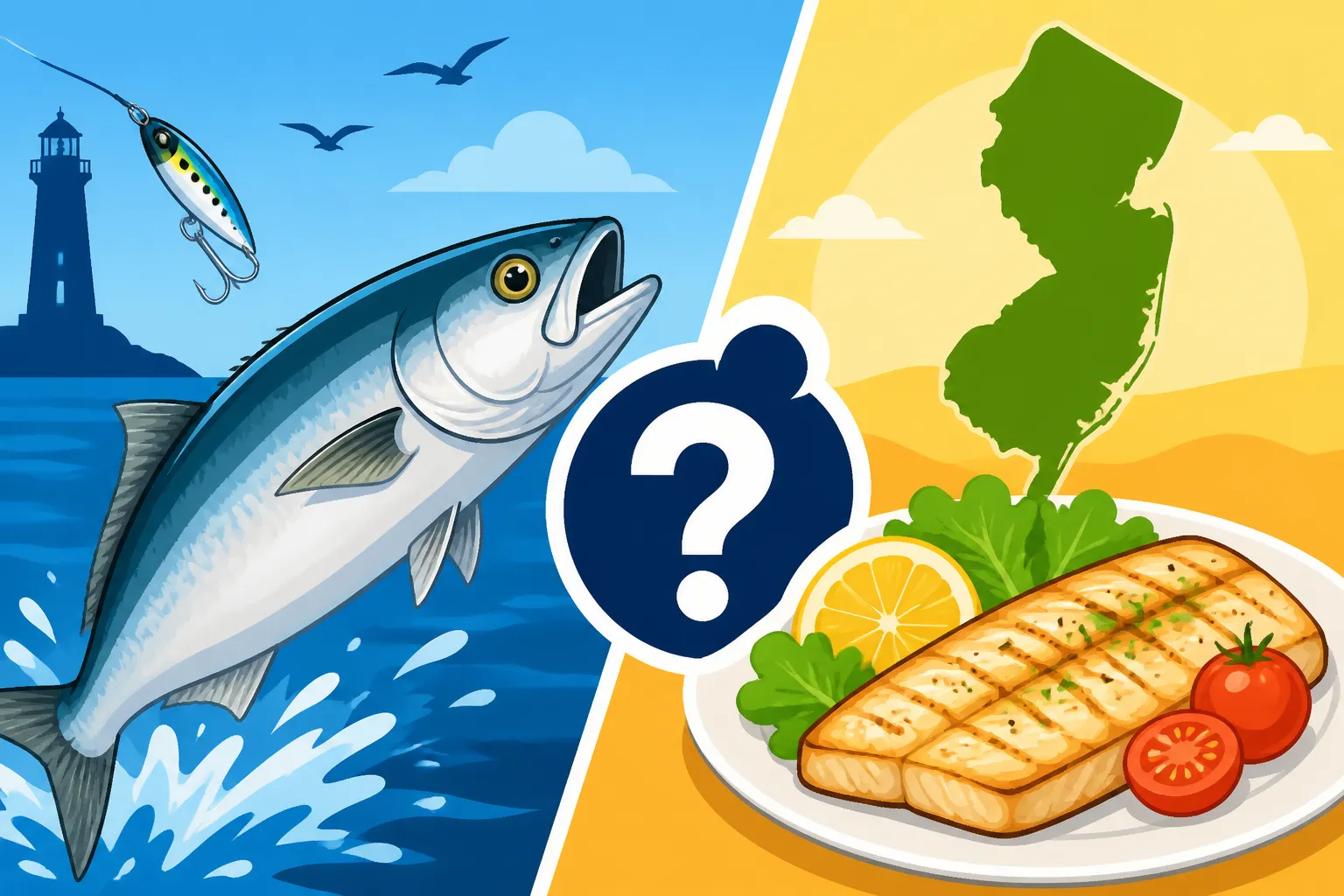
Oh, the age-old question that divides anglers up and down the Jersey Shore: "Are bluefish actually good to eat?" It's a debate as fierce as a bluefish blitz itself! Many folks have had a bad experience, usually because they didn't handle the fish properly after catching it, leading to that notorious "fishy" taste. This guide is here to bust those myths and show you exactly how to turn a freshly caught New Jersey bluefish into a delicious meal that might just surprise you.
Understanding Bluefish: The Jersey Devil of the Sea
Let's be real, bluefish have a reputation. They're often seen as a fighting machine, an exciting catch, but not always a top-tier dinner guest. This perspective often comes from misunderstanding what makes bluefish unique and how to properly prepare them. But with a little knowledge, you'll find that these powerful fish can absolutely hold their own on the dinner table.
What Makes Bluefish "Different" from Other Gamefish?
The main thing that sets bluefish apart from, say, a delicate fluke or a mild striped bass, is their oil content and dark meat. Bluefish are pelagic predators, meaning they roam the open ocean, constantly chasing baitfish. This active lifestyle, combined with their diet, results in flesh that is richer in omega-3 fatty acids – which is actually a good thing for your health! – but also leads to a more pronounced, often described as "stronger" or "fishier," flavor.
This strong flavor isn't inherently bad, but it does mean you can't treat a bluefish like you would a cod or a flounder. If you just fillet it and toss it in a pan without any special care, you're going to get that intense taste that turns many people off. The key lies in understanding this characteristic and working with it, not against it. Their diet, often consisting of bunker and other oily bait, also contributes to their distinct taste profile.
Beyond their oiliness, bluefish tend to have a firmer texture than many white-fleshed fish, which makes them quite versatile for various cooking methods. However, it also means that if overcooked, they can become a bit tough or dry. The trick is to embrace their robust nature and choose preparation methods that complement it, rather than trying to mask it entirely.
The "Bluefish Blues": Common Misconceptions and Why They Exist
So, why do bluefish get such a bad rap? A lot of it boils down to simple mishandling and misinformation. Imagine someone catching a bluefish, tossing it in a warm bucket for hours, then filleting it the next day and frying it up. They're almost guaranteed to end up with a meal that tastes overwhelmingly "fishy" and unpleasant. This experience, unfortunately, gets passed down and becomes a widely held belief.
Another common misconception is that all "oily" fish are inherently inferior. While some prefer the delicate flavor of leaner fish, many culinary traditions around the world celebrate oily fish for their richness and nutritional benefits. The "bluefish blues" often stem from a comparison to species like sea bass or mahi-mahi, which have very different flavor profiles. It's not that bluefish are bad; they're just different. It's about setting expectations and learning how to prepare them to highlight their best qualities.
In reality, a properly handled and prepared bluefish can be absolutely delicious. It might not be everyone's everyday fish, but it certainly doesn't deserve the widespread dismissal it often receives. It's a hardy, abundant fish that provides a thrilling fight and, when treated right, a rewarding meal. The perception often changes dramatically once someone tries a bluefish that has been cared for correctly from catch to plate.
New Jersey Bluefish: A Local Perspective
Here in New Jersey, bluefish are a staple of our coastal waters. From the back bays to the offshore wrecks, they're a common and exciting catch for anglers of all skill levels. They migrate through our waters, often in large schools, providing incredible fishing opportunities, especially during the spring and fall runs. You can learn more about their movements in New Jersey Bluefish Size and Behavior. These fish are typically found in a range of sizes, from smaller "snappers" that are sometimes surprisingly mild, to larger "gators" that offer an epic battle and more robust flavor.
Our local bluefish often feed on a rich diet of baitfish like Atlantic menhaden (bunker), anchovies, and spearing, which contributes to their high oil content. This makes the immediate care after catching them even more critical for New Jersey anglers. The warmer waters of summer can accelerate spoilage, so cooling them down quickly is paramount. New Jersey Bluefish Season Peak Timing will give you an idea of when to expect these aggressive feeders.
It's a fantastic feeling to hook into a hard-fighting bluefish off a Jersey jetty or from a boat in Barnegat Bay. They're a truly exciting species, and knowing you can take that same thrill home to the dinner table, and enjoy a delicious, healthy meal, just adds to the overall experience. Don't let the naysayers deter you; give our New Jersey bluefish a fair shot in your kitchen!
Keys to Culinary Success: Making Bluefish Delicious
Alright, so you've landed a beautiful bluefish. Now comes the critical part: ensuring it makes it to your plate in the best possible condition. This isn't just about cleaning the fish; it's about a series of steps that begin the moment it comes out of the water. Skipping these steps is the number one reason people develop a dislike for bluefish.
Immediate Care: The Crucial First Steps After the Catch
The absolute most important thing you can do to ensure your bluefish tastes great is to care for it immediately. As soon as you land a bluefish you intend to keep, it needs to be bled and put on ice. The dark, oily blood is a primary contributor to that strong, "fishy" flavor that people often complain about. Bleeding the fish removes a lot of that blood before it can permeate the flesh.
To bleed a bluefish, you can either cut its throat or sever the arteries under the gill plate. Let it bleed out completely in a bucket of seawater or over the side of the boat for a few minutes. Once bled, immediately place the fish in a cooler packed with plenty of ice. Don't just throw it on top of a few ice cubes; submerge it in an ice slurry (ice water). This rapid cooling slows down the enzymatic processes that cause spoilage and flavor degradation. You'll find many seasoned anglers keep a dedicated cooler just for their keepers, filled with a good ice-to-water ratio. A well-insulated cooler, which you can find on Amazon, is an invaluable tool for any serious angler.
Preparation Techniques to Tame the "Fishy" Flavor
Once you get your bluefish home and it's been properly chilled, there are several key preparation steps that will further enhance its flavor. The goal here is to minimize the strong oils that can sometimes overwhelm the palate. First and foremost, skinning the bluefish is highly recommended. The skin, along with the dark bloodline just under the skin, holds a significant portion of those stronger oils. While some fish skins are delicious, bluefish skin usually isn't one of them.
After filleting, carefully trim away all the dark, reddish meat that runs along the lateral line. This "bloodline" is another concentration of strong-flavored oils. Be generous with your trimming – a little waste is worth a much better-tasting fillet. Some anglers also advocate for soaking the fillets in milk or a saltwater brine for 30 minutes to an hour before cooking. This can help draw out some additional impurities and further mellow the flavor. After soaking, simply pat the fillets dry thoroughly before proceeding with cooking.
Cooking Methods that Shine for Bluefish
Given bluefish's firm texture and higher oil content, certain cooking methods work much better than others. The key is to either cook it quickly with high heat to sear in moisture and flavor, or to cook it slowly with ingredients that complement its richness. Grilling is a fantastic option because the high heat and open flame impart a smoky flavor that pairs wonderfully with bluefish. It also allows some of the oils to render away.
Baking or roasting with strong flavors like lemon, garlic, herbs (rosemary, thyme, oregano), or even a robust tomato sauce works beautifully. These ingredients stand up to the bluefish's flavor and prevent it from being bland. Smoking bluefish is another highly recommended method; the smoke penetrates the oily flesh, creating a truly delicious and unique treat that keeps well. For those who enjoy fried fish, a quick pan-fry or deep-fry with a light, crispy batter can also be excellent, but be sure not to overcook it.
Here's a quick comparison of popular cooking methods for bluefish:
| Method | Description | Pros | Cons |
|---|---|---|---|
| Grilling | High heat, often over open flame. Can be done directly or in foil packets with aromatics. | Imparts smoky flavor; allows some oils to render off; quick cooking. Good for firm texture. | Can dry out if overcooked; requires monitoring to prevent burning. |
| Baking/Roasting | Cooked in an oven, often with vegetables, herbs, and liquids. | Retains moisture well; allows for infusion of flavors; easy cleanup, especially with foil. | Less crispy texture than grilling/frying; can be less exciting if not seasoned well. |
| Smoking | Low and slow cooking using wood smoke. | Transforms bluefish into a rich, intensely flavorful dish; excellent for preservation. The smokiness complements the fish's oiliness perfectly. | Requires specialized equipment (smoker); longer cooking time; results can vary based on wood choice. |
| Pan-Frying | Cooked quickly in a hot pan with a small amount of oil, often with a light coating. | Creates a crispy exterior; quick cooking. | Can become greasy if not done correctly; prone to overcooking if not careful. |
| Ceviche | Raw fish "cooked" by the acids in citrus juice. | Refreshing and light; highlights the natural flavor when very fresh. | Only for extremely fresh, well-bled bluefish; not suitable if there's any doubt about freshness. |
Recipe Ideas and Pairing Suggestions
Now that you know the secrets to handling and preparing bluefish, let's talk about putting it all together in the kitchen. You'll find that with the right approach, bluefish can be an incredibly versatile and flavorful addition to your culinary repertoire. Don't be afraid to experiment!
Simple and Flavorful Bluefish Recipes
One of the easiest ways to enjoy bluefish is by grilling it. After you've bled, iced, skinned, and trimmed your fillets, brush them with olive oil, sprinkle with salt, pepper, and a generous amount of fresh chopped garlic and parsley. Grill them over medium-high heat for just a few minutes per side, until they flake easily. A squeeze of fresh lemon juice right before serving is a game-changer. This simple approach lets the natural, albeit robust, flavor of the fish shine through.
Another fantastic option is baked bluefish with a Mediterranean twist. Lay your fillets in a baking dish, top them with diced tomatoes, black olives, capers, oregano, a splash of white wine, and a drizzle of olive oil. Bake at 375°F (190°C) for about 15-20 minutes, depending on thickness. The acidity from the tomatoes and wine, along with the briny olives, cuts beautifully through the richness of the bluefish. You can find excellent quality capers and dried oregano on Amazon to elevate this dish.
For those who love to smoke their catch, smoked bluefish is legendary among New Jersey anglers. Brine your fillets for a few hours in a saltwater and brown sugar solution, then pat them dry and let them form a pellicle (a slightly sticky surface) in the fridge overnight. Smoke them at a low temperature (around 180-200°F or 82-93°C) until they reach your desired flakiness and color. Smoked bluefish can be eaten as is, flaked into dips, or used in sandwiches. It’s incredibly versatile and delicious.
Best Sides and Beverages to Complement Bluefish
Because bluefish is a richer, oilier fish, you want to pair it with sides and beverages that offer a contrast in flavor and texture, often with some acidity or brightness to cut through its richness. A crisp green salad with a vinaigrette dressing is always a good choice. Roasted or steamed vegetables like asparagus, green beans, or broccoli, often with a squeeze of lemon, also pair wonderfully. Avoid heavy, creamy sauces or starchy sides that might make the meal feel too rich.
Think about sides that offer a refreshing element. A simple rice pilaf with fresh herbs, or a quinoa salad with chopped cucumbers, tomatoes, and a light citrus dressing would work perfectly. Even a vibrant coleslaw can provide a great textural and flavor contrast. When it comes to beverages, crisp white wines like Sauvignon Blanc or Pinot Grigio are excellent choices, as their acidity helps cleanse the palate. For beer drinkers, a light lager or a bright IPA can also be a good match. Don't forget, a tall glass of sparkling water with lemon is always a refreshing option.
Preserving Your Catch: Freezing and Smoking Bluefish
Bluefish, due to its oil content, doesn't freeze quite as well as leaner fish like cod or flounder. However, with proper care, you can still enjoy your frozen bluefish weeks or even a couple of months after the catch. The key is to minimize oxygen exposure. After filleting, skinning, and trimming, pat the fillets very dry. Then, vacuum seal them if you have a machine – this is by far the best method for preserving quality. If you don't have a vacuum sealer (you can find affordable options on Amazon), wrap each fillet tightly in plastic wrap, then again in aluminum foil, ensuring no air pockets.
When ready to cook frozen bluefish, always thaw it slowly in the refrigerator overnight. Rapid thawing can degrade the texture. Keep in mind that even with perfect freezing, the flavor can become a bit stronger over time, so plan to use it within 1-2 months for optimal taste. If you're looking for longer-term preservation and maximum flavor, smoking is the way to go. Smoked bluefish, when properly vacuum-sealed, can last much longer in the freezer and maintains its rich flavor beautifully. It's a fantastic way to enjoy your catch throughout the year.
Health Benefits and Considerations of Eating Bluefish
Beyond the taste, bluefish offers some excellent nutritional benefits. It's a truly healthy protein source, and knowing what you're putting into your body can make enjoying your catch even more satisfying. As responsible anglers, it's also good to be aware of any potential health considerations.
Nutritional Value of Bluefish
Bluefish is a powerhouse of nutrition, especially when it comes to healthy fats. It's an excellent source of omega-3 fatty acids, similar to salmon or mackerel. These are the "good fats" that are essential for heart health, brain function, and reducing inflammation. Eating bluefish regularly can contribute significantly to your intake of these vital nutrients.
In addition to omega-3s, bluefish is packed with high-quality protein, making it a great choice for muscle repair and overall satiety. It also contains important vitamins and minerals, including Vitamin D, Vitamin B12, selenium, and niacin. So, while some might shy away from its stronger flavor, its nutritional profile makes it a very valuable addition to a balanced diet. Don't let its reputation overshadow the incredible health benefits it offers!
Mercury Levels and Consumption Advisories
Like many predatory fish, bluefish can accumulate mercury. The larger and older the fish, generally the higher the mercury content can be. However, it's important to differentiate between general advisories and outright prohibitions. Most advisories focus on specific populations, such as pregnant women, young children, and those who eat a very large amount of fish regularly.
It's always a good idea to check with the latest local advisories from the New Jersey Department of Environmental Protection (NJDEP) or similar state agencies. These advisories are designed to provide guidance and ensure safe consumption. For most healthy adults, consuming bluefish in moderation as part of a varied diet is perfectly safe. If you're concerned, opting for smaller bluefish (often called "snapper blues") can be a way to enjoy the flavor with potentially lower mercury levels.
Sustainable Fishing for Bluefish in New Jersey
New Jersey anglers are fortunate to have a relatively healthy and abundant bluefish population. The species is generally managed well, with regulations set to ensure sustainability for future generations. Understanding and adhering to these regulations, such as bag and size limits, is crucial for maintaining this valuable fishery. You can typically find updated rules in the annual New Jersey Fish and Wildlife Digest, which you can read or download. Remember, ethical angling practices, including proper catch and release techniques for fish you don't intend to keep, play a vital role in conservation.
Many organizations and state agencies monitor bluefish populations and their migratory patterns. Participating in voluntary surveys or reporting unusual catches can contribute to scientific data that helps manage the species. Engaging in sustainable practices means that bluefish will continue to provide exciting angling opportunities and delicious meals for years to come. For specific regulations on limits and seasons, be sure to check sources like New Jersey Daily Bag Limits by Species.
So, are bluefish good to eat? Absolutely, with a few crucial caveats. By taking immediate care of your catch, employing smart preparation techniques, and choosing the right cooking methods, you can transform this hard-fighting, abundant fish into a delicious meal. Don't let old wives' tales deter you from experiencing the rich, flavorful reward of a properly handled New Jersey bluefish!
Disclaimer
This article is for general informational purposes only and does not constitute professional advice. Laws, prices and regulations vary by location and change over time. Consult a qualified professional for guidance on your specific situation.