How Big Do Tautog Get?
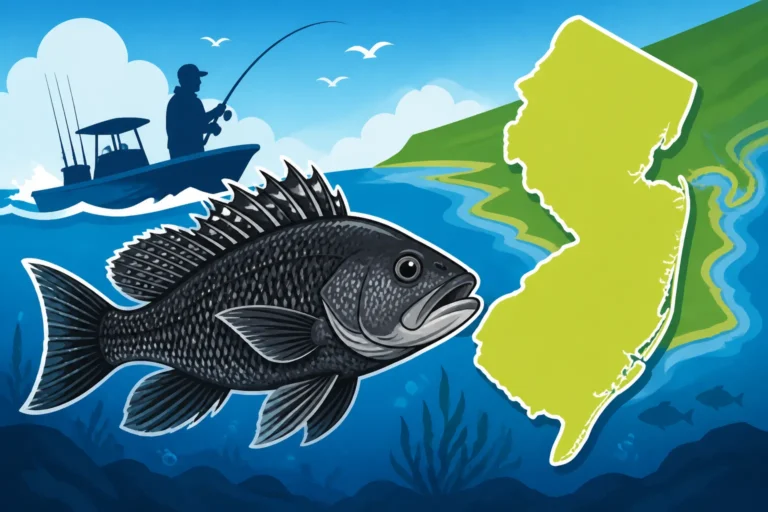
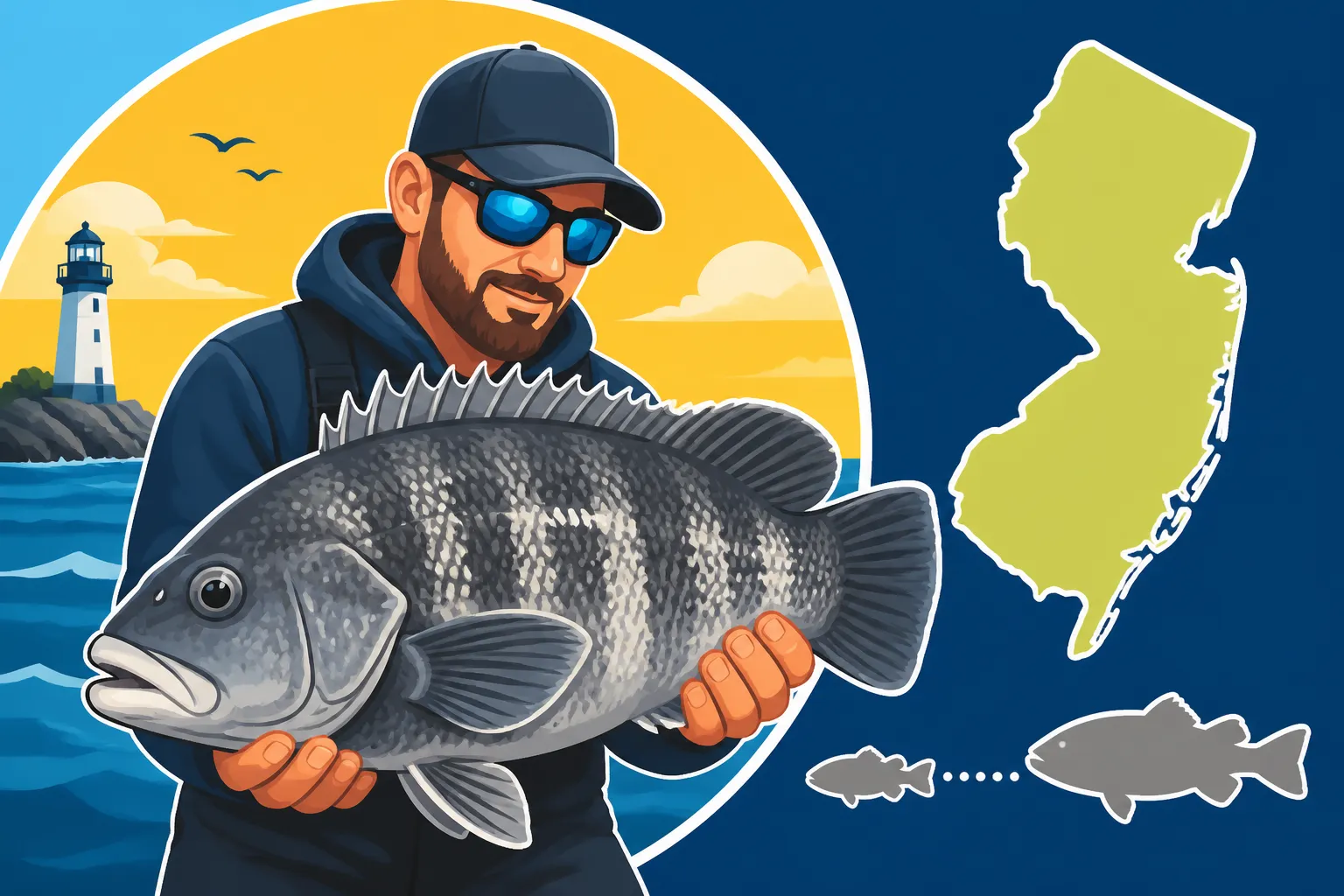
Many New Jersey anglers dream of battling a trophy fish, and for those who chase tautog, also known as blackfish, the question of "how big do they get?" is always on their minds. It’s a frustrating reality when you spend hours on the water, only to pull up smaller fish when you know there are absolute monsters lurking beneath. This guide will dive deep into the world of New Jersey tautog, exploring their impressive growth, the state record, and how you can increase your chances of landing a true giant.
The Thrill of the Tautog Catch: What Makes Them Special?
There's something uniquely exhilarating about tautog fishing in New Jersey. Unlike some other species that might offer a screaming drag run, tautog are renowned for their incredible pulling power and their uncanny ability to dive straight back into structure. This makes them a challenging and highly rewarding catch, particularly when you hook into one of the larger specimens. It's not just about the fight; it's about the anticipation and the satisfaction of outsmarting a truly smart fish.
Tautog: A New Jersey Bottom-Dwelling Brawler
Tautog are true champions of the rocky seafloor, thriving in and around wrecks, reefs, jetties, and any other hard structure that provides shelter and a food source. They're built like tanks, with powerful jaws and teeth designed to crush shellfish and crabs, their primary diet. This robust build is exactly what gives them their incredible fight. When you feel that characteristic "thump" on your line, often subtle at first, you know you've got a tug-of-war on your hands. They'll use every ounce of their strength to return to the safety of their rocky lair, testing your tackle and your angling skill. Many a seasoned angler has been humbled by a big tautog that simply spooled them or broke them off in the unforgiving structure. Understanding where these fish live is key to catching them, and you can learn more in our guide on Where to Catch Tautog Around New Jersey Wrecks and Reefs.
Why Size Matters for Tautog Anglers
For many anglers, size isn't just about bragging rights, though a photo with a hefty tautog is certainly something to be proud of. Larger tautog are often older, wiser fish that have survived countless fishing attempts and natural predators. Catching one is a testament to skill, patience, and sometimes, a little bit of luck. Beyond the challenge, bigger fish also tend to be better eating, offering thicker, firmer fillets. Of course, New Jersey has specific regulations regarding minimum size limits to ensure the sustainability of the population, meaning you can't just keep any tautog you catch. Knowing what constitutes a "keeper" and what constitutes a "trophy" fuels the passion of countless anglers along the Jersey Shore.
Understanding Tautog Growth and Maximum Size in New Jersey
Tautog are relatively slow-growing fish, which is why older, larger specimens are so highly prized. Their growth rate is influenced by a variety of factors, including food availability, water temperature, and their genetic makeup. This slow growth also means that responsible angling practices, like careful catch and release of smaller fish, are particularly important for the species.
Average Size Expectations for New Jersey Tautog
When you're fishing for tautog in New Jersey, the vast majority of the fish you'll encounter will likely fall within a certain size range. Many "keeper" fish are in the 15- to 20-inch range, weighing anywhere from 2 to 5 pounds. These are solid, respectable fish that provide a good fight and make for a delicious dinner. However, it's not uncommon to land tautog that push into the 20- to 25-inch category, which are truly excellent catches and can weigh 6 to 10 pounds or more. Anything above 10 pounds is generally considered a trophy in New Jersey, and a real feat for any angler. You'll often hear tales of anglers losing much larger fish, which only adds to the mystique and pursuit.
Factors Influencing Tautog Growth Rates
Several environmental and biological factors play a significant role in how big tautog ultimately get.
- Food Availability: Areas rich in shellfish, crabs, and other invertebrates will generally support healthier, faster-growing tautog populations. A constant, ample food supply means more energy for growth. This is why prime tautog spots are often areas with robust mussel beds or crab populations.
- Water Temperature: While tautog are cold-water tolerant, consistent moderate temperatures can influence their metabolism and feeding activity, which in turn affects growth. Extreme temperature fluctuations or prolonged periods of very cold water might slow their growth.
- Habitat Quality: Healthy, complex reef and wreck structures provide not only shelter from predators but also abundant foraging grounds. These environments allow tautog to live longer, grow larger, and avoid predation. Degradation of these habitats can negatively impact the maximum size attainable by local populations.
- Genetics: Like all species, individual tautog can have genetic predispositions that lead to faster growth or larger ultimate sizes. Some fish are just wired to be bigger than others!
- Fishing Pressure: Areas with high fishing pressure might see a reduction in the average size of fish, as larger, older fish are more likely to be removed from the population. This is why careful management through regulations like New Jersey Tautog Season Dates and bag limits is so crucial.
The New Jersey State Record Tautog: A Benchmark for Anglers
Every state has its legendary catches, and New Jersey is no exception. For tautog anglers, the state record stands as the ultimate benchmark, a testament to what's possible when all the stars align – a truly massive fish meeting a skilled angler. Knowing this record helps put the size of an average catch into perspective and gives every tautog angler something monumental to aspire to. You can delve into the details of the largest Tautog ever landed in our dedicated article, What Is the New Jersey Tautog State Record?. This record-breaking fish, a true leviathan, inspires generations of anglers to brave the cold, strong currents and the sharp snags in pursuit of their own personal best. It proves that there are still colossal tautog swimming in New Jersey's waters, waiting for the right moment and the right angler.
Identifying and Measuring a Legal Tautog
Catching a big tautog is one thing, but knowing whether it meets the legal requirements for keeping is another. Regulations are put in place for a good reason – to help ensure these amazing fish continue to thrive for future generations of anglers. It’s important to familiarize yourself with these rules before you hit the water.
New Jersey's Tautog Size Regulations
New Jersey, like most states, has strict regulations regarding the minimum size and bag limits for tautog. These regulations can change, so it's always best to check the current New Jersey Fishing Season Dates and Closures or the New Jersey Fish and Wildlife Digest before your trip. Typically, there's a minimum length requirement that a tautog must meet to be considered a "keeper." This means that even if you catch a healthy fish, if it's under the legal size, it must be immediately released, and in a way that gives it the best chance of survival. These rules are designed to protect younger fish, allowing them to mature and reproduce, which is vital for the health of the population. Ignoring these rules can lead to significant penalties, so it’s always better to be safe than sorry.
Best Practices for Measuring Tautog Accurately
Measuring a tautog, especially a lively one, requires a bit of technique to ensure accuracy. The official measurement for fish in New Jersey is usually from the tip of the nose to the end of the tail, with the tail pinched. Here’s how you can do it right:
- Use a Reliable Measuring Device: A stiff, flat measuring board is ideal, as it prevents the fish from bending and gives a consistent reading. Soft tape measures can be inaccurate if not used carefully. Many anglers keep a measuring decal on their cooler lid or a dedicated fish ruler, which you can easily find on sites like Amazon.
- Handle the Fish Gently: Reduce stress on the fish. Wet your hands before handling to protect its slime coat, and try to keep it in the water as much as possible until you're ready to measure.
- Lay Flat and Pinch Tail: Place the fish flat on the measuring device with its nose against a stop. Gently pinch the tail fin together to get the maximum length.
- Quickly Confirm: Make your measurement quickly and efficiently. If it's short, release it immediately. If it's a keeper, you can then proceed.
Accuracy is paramount. If there's any doubt, err on the side of caution and release the fish. It's a small act that contributes to bigger fish for everyone in the long run.
Releasing Tautog Safely: Supporting Future Giants
Catch and release is a cornerstone of responsible fishing, especially for slow-growing species like tautog. Even if you're targeting keepers, you'll inevitably catch fish that are undersized. Knowing how to release them properly is essential for their survival and for the future of the fishery.
- Minimize Air Exposure: Tautog, like many fish, can suffer from too much time out of the water. Get them measured and back in as quickly as possible.
- Support Their Weight: If you need to lift the fish for a quick photo, support its body horizontally, especially around the belly. Avoid hanging it vertically by the jaw or gills.
- Use Proper Tools: A de-hooker or long-nose pliers can help remove hooks quickly and safely, reducing damage to the fish. Barbless hooks can also make removal easier.
- Revive If Necessary: If a fish looks sluggish, gently hold it in the water, facing into the current, until it regains its strength and can swim away on its own. This is particularly important when targeting these fish in deeper waters.
By following these practices, you're not just adhering to regulations; you're actively contributing to a healthy and thriving tautog population in New Jersey, ensuring those true giants continue to swim our waters.
Gear and Tactics for Targeting Larger Tautog
Landing a truly big tautog requires more than just luck. It demands the right equipment and a specific approach to outsmart these wary bottom dwellers. You can't just casually drop a line and expect a double-digit fish to bite; you need to be prepared for a serious battle.
The Right Tackle for Big Blackfish
Your tackle setup is paramount when you're specifically targeting larger tautog. These fish are powerful, and they live in unforgiving environments.
- Rod and Reel: You'll need a stout, fast-action rod, typically 7 to 8 feet long, with a strong backbone to horse fish away from structure. Pairing this with a robust conventional reel capable of holding at least 200 yards of 40-50 pound braided line is a must. A good quality reel from a brand like Shimano or Penn, often found on Amazon, offers the drag power needed for these battles.
- Line: Braided line is highly recommended due to its lack of stretch, which provides superior sensitivity for detecting subtle bites and immense strength for pulling fish out of snags. A fluorocarbon leader of 30-50 pounds is essential for abrasion resistance against rocks and wrecks, as well as for its near invisibility in the water.
- Terminal Tackle: Heavy-duty hooks, typically snelled or tied directly to your leader, are critical. Octopus or Kahle hooks in sizes 2/0 to 5/0 are popular choices. Sinkers need to be heavy enough to hold bottom in strong currents, often ranging from 4 to 12 ounces, depending on conditions.
It's a heavy-duty setup for a heavy-duty fish. Don't skimp on quality; a weak link in your tackle will almost certainly result in a lost fish and potentially a broken heart when that big one gets away.
Essential Baits for Trophy Tautog
Tautog are primarily crustacean and mollusk eaters, so your bait choice should reflect this natural diet. While some anglers experiment with artificial lures, natural baits are overwhelmingly effective for tautog, especially the larger ones.
- Green Crabs: These are arguably the most popular and effective bait for tautog in New Jersey. They're readily available at bait shops along the coast. Anglers often break them in half or quarters for presentation, exposing the juicy inner parts.
- Fiddler Crabs: Smaller than green crabs, fiddlers are a delicacy for tautog and can be incredibly effective, particularly when fish are finicky.
- White Legger Crabs: Considered by many to be the absolute best bait for trophy tautog, white leggers are harder to come by and often more expensive, but their effectiveness is legendary. Our article Best Bait for Tautog: Green Crab or White Leg Crab? dives deeper into this debate.
- Clams and Mussels: While not as durable as crabs, fresh clam or mussel meat can also entice tautog, especially if they are abundant in the fishing area.
The key with bait is freshness and proper presentation. You want your bait to look as natural and appealing as possible to those discerning tautog.
Where to Find the Giants: Prime Tautog Habitat
Tautog are creatures of structure, and the bigger they get, the more likely they are to hold to the most challenging, complex environments. You won't find trophy tautog wandering around sandy flats.
- Wrecks and Artificial Reefs: These are prime locations. Sunken ships, concrete structures, and discarded tires create complex habitats that attract baitfish and, in turn, tautog.
- Rock Piles and Ledges: Natural rock formations and underwater ledges provide excellent ambush points and shelter. Understanding bottom topography is crucial.
- Jetties and Inlets: Along the shore, the rock jetties and bulkheads of inlets provide accessible habitat for tautog. The turbulent waters here often churn up food, making them attractive feeding grounds. Our guide on How to Catch Tautog Around Structure offers more insights into fishing these challenging areas effectively.
Fishing these locations requires precision in anchoring or boat positioning to drop your bait directly into the "strike zone" – those small pockets and ledges where big tautog lurk. A good quality fish finder from brands like Humminbird or Garmin (also widely available on Amazon) can be invaluable for identifying these subtle pieces of structure. Patience is key, as is a willingness to lose some tackle to the snags that come with fishing their preferred habitat.
Here's a quick reference on Tautog size:
| Size Category | Typical Weight (lbs) | Typical Length (inches) | Angler Perception | New Jersey Regulation (Example) |
|---|---|---|---|---|
| Small/Juvenile | < 2 | < 15 | Usually released | Below minimum legal size |
| Average Keeper | 2-5 | 15-20 | Solid catch, good for eating | Meets minimum legal size |
| Large Keeper | 6-10 | 20-25 | Excellent catch, personal best | Well above minimum legal size |
| Trophy/State Record | 10+ | 25+ | True monster, rare | Potentially state record caliber |
Note: New Jersey regulations can change; always check the current digest.
Landing a truly big tautog is a fantastic achievement in New Jersey fishing. It takes dedication, the right gear, and a solid understanding of these powerful fish. By focusing on prime habitats, using the best baits, and practicing responsible angling, you'll increase your chances of hooking into that personal best.
Disclaimer
This article is for general informational purposes only and does not constitute professional advice. Laws, prices and regulations vary by location and change over time. Consult a qualified professional for guidance on your specific situation.