Why Are Tautog Called Blackfish?
Many New Jersey anglers, especially newcomers, often get a little confused when they hear local fishermen talking about "blackfish." Is it a different species? Is it a local nickname? What exactly are we chasing out there? This guide will clear up the mystery of why the incredible Tautog is so affectionately, and accurately, known as "blackfish" among those of us who spend our time fishing the Garden State's rugged coastal structures.
The Name Game: Tautog, Blackfish, and Local Lingo
There’s often a delightful blend of scientific accuracy and old-school angler lingo when it comes to fish names along the New Jersey coast. While the official books and regulations will always refer to this hard-fighting bottom dweller as "Tautog," practically everyone who spends time targeting them will call them "blackfish." It's a prime example of how local culture shapes our fishing vocabulary.
A Deep Dive into "Blackfish"
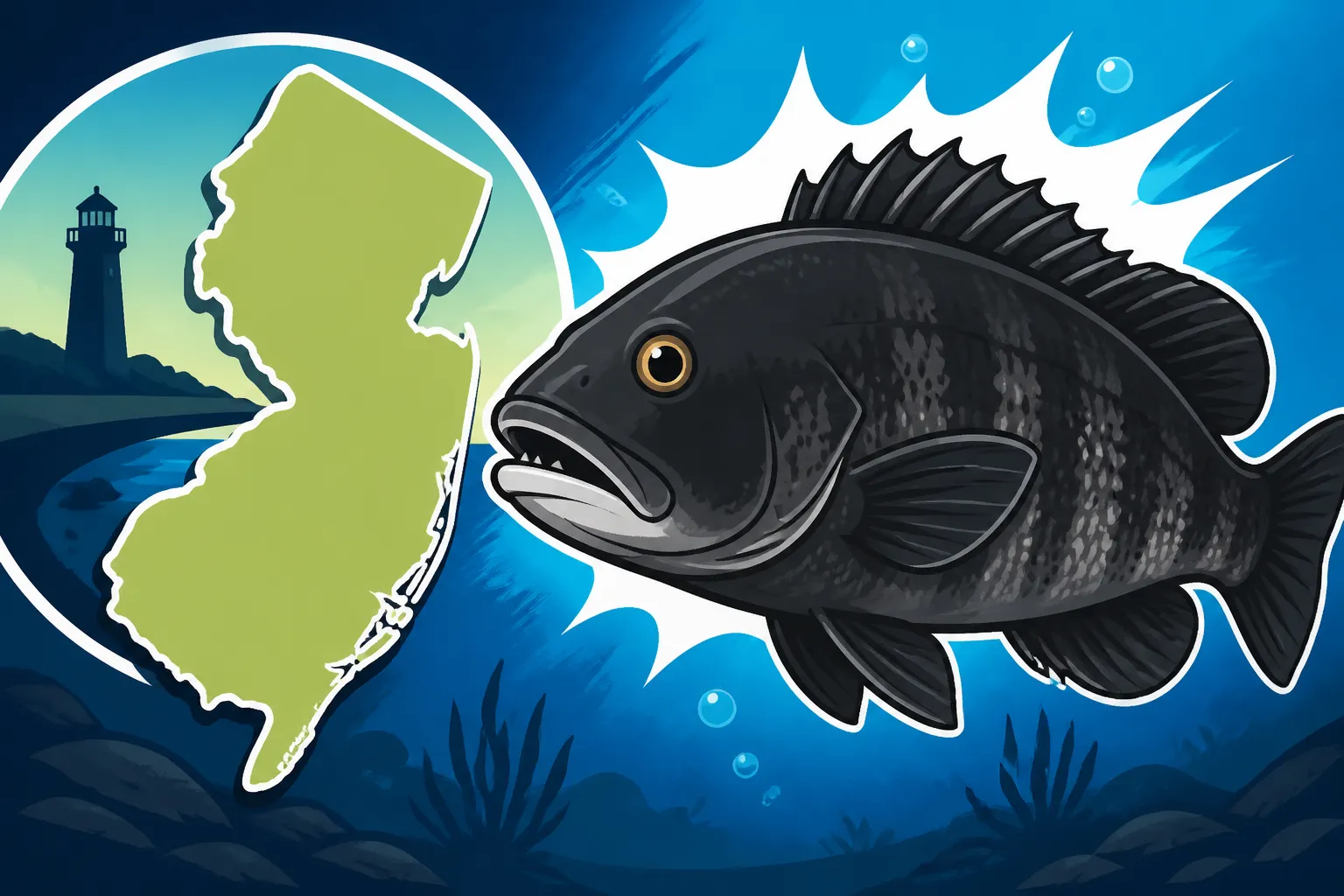
The name "blackfish" is deeply rooted in the history and practicality of New Jersey fishing. For generations, before scientific names became commonplace in everyday angling conversations, fishermen simply described what they saw. And what they saw was a fish that, particularly when fresh out of the water, often appears in shades ranging from dark gray to almost completely black, especially in certain light conditions or after being pulled from shadowy wrecks and reefs. It's a no-nonsense, descriptive name that just stuck.
This isn't just a casual nickname; it’s an institutionalized part of the fishing lexicon here. Walk into any bait and tackle shop from Cape May to Sandy Hook, hop on a party boat, or chat with a seasoned surf angler, and you'll hear "blackfish" far more often than "Tautog." It’s an identifier that immediately tells other anglers what you're talking about, conjuring images of rocky bottom structures and a stubborn fight. It's practical, direct, and speaks to the visual impact of the fish itself.
Beyond just the color, the name "blackfish" also often implies the fish's preference for dark, rocky, or sunken habitats. These fish aren't usually found cruising open sandy bottoms; they're down in the shadows, tucked into crevices, and hugging tight to structure. The name, in a way, hints at their secretive, bottom-dwelling nature. It’s a term of endearment and respect from anglers who know just how challenging and rewarding it can be to pry one of these "blackfish" from their underwater fortresses.
Understanding "Tautog" – The Scientific Moniker
While "blackfish" holds its place in our hearts and everyday conversations, it's crucial to remember that the scientific, universally recognized name for this species is Tautoga onitis. This formal designation is what you'll find in all official documents, scientific studies, and, most importantly for us anglers, in the New Jersey Fish and Wildlife Digest when it comes to regulations.
The scientific name serves a vital purpose: it eliminates ambiguity. Imagine if every region had a different nickname for the same fish – it would be chaos when discussing conservation efforts, population dynamics, or even just sharing fishing reports with someone from out of state. By using "Tautog," biologists and regulators can ensure everyone is talking about the exact same creature, no matter where they are. This is incredibly important for consistent management and protection of the species.
For us, knowing the scientific name is about being informed and compliant. When you're checking the latest New Jersey Tautog Season Dates or reviewing the limits, the word "Tautog" will be front and center. It's the language of law and conservation, and while we might use "blackfish" casually, understanding its formal counterpart is a mark of a responsible angler who values both tradition and regulation.
The Jersey Shore's Lingual Divide: Why Both Names Persist
The persistent use of both "Tautog" and "blackfish" along the Jersey Shore is a testament to the blend of cultural heritage and modern information that defines our fishing community. It's not a question of which name is "right," but rather understanding when and where each is appropriate. Most anglers effortlessly navigate this linguistic landscape, switching between the two without a second thought.
You’ll typically hear "blackfish" in casual settings – when swapping stories at the dock, texting a buddy about a recent trip, or making plans for a day of bottom fishing. It’s the comfortable, insider term that instantly conveys familiarity and local knowledge. It’s a badge of honor, in a way, to use the local vernacular.
However, when you need to be precise, especially concerning rules, or if you're talking to someone less familiar with New Jersey's unique fishing slang, "Tautog" becomes the clearer choice. It bridges any potential communication gaps and ensures that everyone is on the same page. This dual naming system perfectly encapsulates the spirit of New Jersey fishing: deeply rooted in tradition, yet always aware of the broader context. Just as you might know a beloved local spot by its nickname but use its official park name for directions, knowing both names for this fantastic fish enriches your experience.
More Than Just a Name: What Makes a Tautog a Tautog?
Beyond the debate of what to call them, the Tautog – or blackfish, if you prefer – is a truly unique and formidable fish that holds a special place in the hearts of New Jersey anglers. These aren't just any bottom feeders; they are powerful, smart, and a true challenge to catch. Understanding their biology and behavior helps us appreciate why they’re such a prized species.
Distinctive Physical Characteristics
Tautog possess a suite of physical traits that make them perfectly adapted to their rugged, structure-rich environment. Their most noticeable feature, contributing directly to the "blackfish" moniker, is their dark, mottled coloration. This natural camouflage allows them to blend seamlessly into rocky outcrops, mussel beds, and sunken debris, making them incredibly difficult for predators to spot. Their thick, leathery skin also offers protection from sharp shells and abrasive rocks.
Their robust, stocky bodies are built for power and leverage, enabling them to cling tenaciously to structure once hooked, making for an incredibly tough fight. But perhaps their most fascinating feature is their mouth. They have a mouthful of powerful, conical teeth at the front, perfect for plucking crabs and mussels off rocks, followed by broad, crushing molars at the back that easily pulverize hard shells. This specialized dentition is why they absolutely love crabs and mussels, and why those baits are so effective. When you feel that distinct tap-tap-tap, you know those powerful jaws are at work! For a comprehensive look at their features, check out How Big Do Tautog Get?.
Habitat and Behavior: Where the Blackfish Lives
Tautog are masters of their domain, and their domain is hard structure. You won't find these fish congregating over vast expanses of sand or mud. Instead, they are inextricably linked to wrecks, artificial reefs, natural rock piles, jetties, bridge pilings, and any other form of underwater cover. This preference for structure is not just a whim; it's essential for their survival, providing shelter from currents, protection from predators, and a rich feeding ground.
They are notoriously territorial, often establishing a home within a specific rock pile or section of a wreck. This territoriality means that if you find one, there are often others nearby, though they can be incredibly shy and difficult to tempt. Their diet consists almost exclusively of invertebrates attached to or living around these structures: green crabs, fiddler crabs, hermits, mussels, barnacles, and sometimes even small lobsters. They're like underwater goats, grazing on whatever hard-shelled delicacies they can find. If you're looking to target them effectively, understanding their structural preferences is key, which is why learning How to Fish for Tautog Around Structure is so important.
Why They're So Prized by New Jersey Anglers
For many New Jersey anglers, catching a Tautog isn't just about putting fish in the cooler; it's a badge of honor. These fish are renowned for their incredible fighting ability, especially for their size. Once hooked, a blackfish will immediately try to "rock you up," diving back into its rocky lair to break your line on sharp edges. This requires quick reflexes, strong tackle, and a hefty dose of luck to pull them out. The sheer challenge of landing a good-sized "tog" is a huge part of their appeal.
Beyond the fight, Tautog are absolutely delicious. Their firm, white, flaky meat is highly sought after and makes for some fantastic meals. This combination of a challenging battle and excellent table fare elevates the blackfish to a premier status among recreational species in New Jersey. The satisfaction of successfully outsmarting and landing a big Tautog, often requiring specialized techniques and a keen sense for their subtle bite, is an experience that keeps anglers coming back for more, year after year. For a glimpse at the top catches, you might be interested in What Is the New Jersey Tautog State Record?.
Gear Up for Blackfish: Essentials for Tautog Success
Tautog fishing isn't about delicate presentations or light tackle. It's a game of brute force meeting subtle finesse, and your gear needs to be up to the task. You're trying to pull a powerful, stubborn fish out of its rocky fortress, so compromise on your equipment, and you'll quickly learn why they call it "tugging tog."
Rods, Reels, and Line for "Togging"
The backbone of any successful tog setup is a sturdy rod. You'll want a medium-heavy to heavy conventional rod, typically in the 7 to 8-foot range, with a fast action and a sensitive tip. The sensitive tip is crucial for detecting those notoriously subtle blackfish bites, which can sometimes feel like nothing more than a gentle tap. However, the rod also needs immense backbone to quickly winch a hooked fish away from structure before it can "rock you off." Many anglers prefer specialized tog rods, which you can often find by searching for "blackfish rod" on retailers like Amazon, offering a convenient way to compare features and prices.
Pair this with a reliable conventional reel. Star drag reels known for their durability and strong gears are popular choices. You need a reel with a smooth, powerful drag system and sufficient line capacity, though you won't be making long casts. The real work is often done vertically, right over the structure. For line, braided line is almost universally preferred due to its sensitivity and incredible strength-to-diameter ratio. A 30 to 50-pound test braid is common. The lack of stretch in braid means you can feel every little peck and deliver a powerful hookset. It's essential to then tie a heavy fluorocarbon leader (40-60 pound test) to your braid using a strong knot like an FG knot or a double uni. This leader provides abrasion resistance against the sharp rocks and wreckage where blackfish live.
Baits and Rigs: Crabs are King
When it comes to bait for Tautog, there's one king: crabs. Green crabs are the most popular and readily available choice along the Jersey Shore. Fiddler crabs are also excellent, especially for smaller to mid-sized fish, and white-legger crabs are often considered prime blackfish candy, though they can be harder to source. Some anglers also find success with fresh clams or mussels, but crabs are generally the go-to. If you want to dive deeper into bait options, check out Best Bait for Tautog: Green Crab or White Leg Crab?.
The rigging for blackfish is typically simple but needs to be stout. A common setup is a single-hook snelled rig or a two-hook rig, often with the sinker at the bottom. Hooks should be strong, sharp, and appropriately sized (usually 3/0 to 5/0 octopus or Kahle style hooks) to handle their powerful jaws. The snell or leader material should be heavy monofilament or fluorocarbon (40-60 pound test) to withstand abrasion. Sinkers are usually bank or bell sinkers, weighing anywhere from 2 to 10 ounces or more, depending on the current and depth. The goal is to get your bait down and hold it right in the strike zone, tucked against the structure. Having a variety of sinker weights on hand, easily purchased from online stores like Amazon, is always a good idea for adapting to different conditions.
The Art of the "Tog" Bite and Hookset
This is where blackfish fishing truly becomes an art form. Tautog are notorious for their incredibly subtle and often frustrating bite. They'll typically approach the bait, give it a few gentle "taps" or "test nibbles" with their front teeth, trying to crack the shell, before finally committing to a full bite and pulling the bait into their crushing molars. Many beginners miss these initial taps, or strike too early, pulling the bait away from the fish.
The key is patience, focus, and a keen sense of feel. Hold your rod tip down, maintain a slight bend in your line, and watch for any unnatural movement or feel the slightest vibration. When you feel those distinct taps, resist the urge to strike immediately. Wait. Let them work on the bait. Then, when you feel a more pronounced pull or a sustained pressure, that's your cue. Drop the rod tip slightly to give them a hair more slack, then bam! – a powerful, upward swing of the rod, setting the hook hard. You need to instantly apply pressure and try to lift the fish away from the structure before it has a chance to burrow back in. This quick, aggressive first few seconds after the hookset often determines whether you land the fish or get "rocked off." It’s a rush, and it’s why tog fishing is so addictive.
Regulations and Conservation for Tautog
As with any popular species in New Jersey, Tautog are subject to specific regulations designed to ensure their populations remain healthy for future generations of anglers. Being aware of and adhering to these rules isn't just about avoiding penalties; it's about being a responsible steward of our marine resources.
Navigating New Jersey's Tautog Regulations
New Jersey's Tautog regulations typically include specific season dates, minimum size limits, and daily bag limits. These regulations are often adjusted based on scientific assessments of the population and are subject to change. It’s absolutely vital to consult the most current New Jersey Fish and Wildlife Digest before heading out, as regulations can vary by time of year and even by specific water body. For the most up-to-date information, checking resources like New Jersey Fishing Season Dates and Closures and New Jersey Daily Bag Limits by Species is a must.
These rules aren't arbitrary. The size limits, for example, are designed to allow Tautog to reach sexual maturity and spawn at least once before being harvested, contributing to the next generation. Bag limits help manage the total number of fish removed from the ecosystem, preventing overfishing. Understanding these measures helps you not only stay legal but also fish with a clear conscience, knowing you're contributing to sustainable fishing practices.
Why Tautog Need Our Protection
Tautog are particularly vulnerable to overfishing due to several biological factors. They are relatively slow-growing fish with a long lifespan, meaning it takes a long time for new generations to replace harvested ones. They are also highly residential, staying close to the same structures for much of their lives. This makes them relatively easy targets once a good spot is located, further highlighting the importance of strict management.
Conservation efforts are therefore paramount. The regulations we follow are a direct result of scientific research and public input, all aimed at protecting this valuable species. When we release undersized fish carefully, adhere to bag limits, and respect season closures, we are directly contributing to the health and resilience of the Tautog population. For those wondering about their migratory habits, Do Tautog Move Offshore in Winter? offers interesting insights into their seasonal movements.
Being a Responsible Angler
Beyond just following the letter of the law, responsible angling for Tautog involves a mindset of respect for the fish and its environment. This means minimizing your impact on their habitat, practicing careful catch and release techniques for any fish you don't intend to keep (or those that are undersized), and always leaving fishing spots cleaner than you found them.
Using appropriate tackle that minimizes harm to released fish, like strong, sharp hooks that don't tear their mouths unnecessarily, is also important. If you’re fishing around structures, be mindful of your lines and hooks, trying to avoid snagging and leaving behind tackle that could harm wildlife. By adopting these practices, we ensure that the thrill of chasing blackfish remains a cherished tradition for generations of New Jersey anglers to come. It's about preserving the experience, not just taking from it.
Disclaimer
This article is for general informational purposes only and does not constitute professional advice. Laws, prices and regulations vary by location and change over time. Consult a qualified professional for guidance on your specific situation.