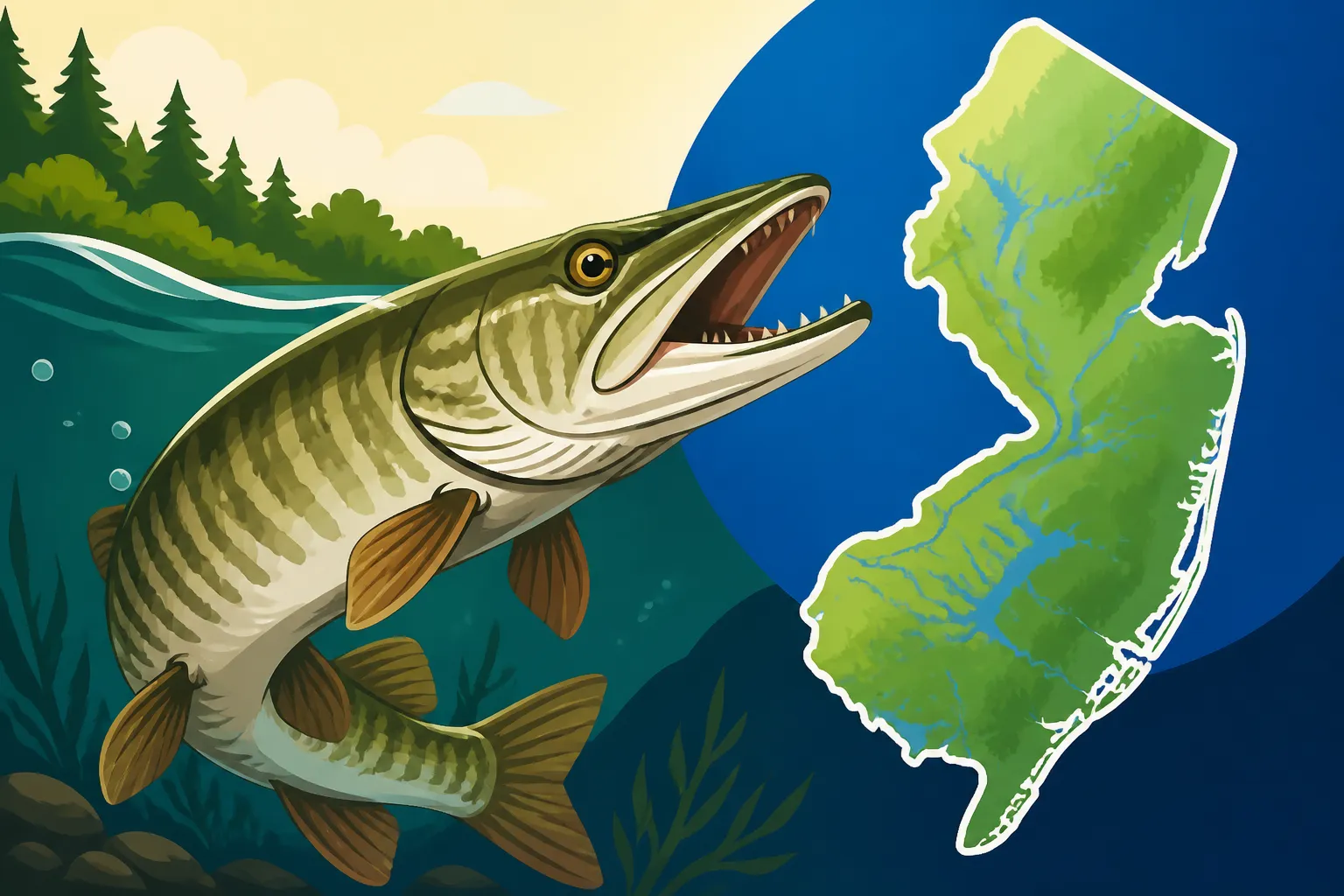
Where Do Muskie Live in New Jersey?
Ah, the mighty muskie! If you're an angler in New Jersey, you've probably heard the legends, seen the photos of truly enormous freshwater fish, and maybe even dared to dream of landing one yourself. But then the reality sets in: where on earth do you even start looking for these elusive giants? It's not like they're just lurking under every dock. Finding muskie in New Jersey can feel like searching for a needle in a haystack, a challenge that can quickly become frustrating. This guide is here to cut through the confusion and help you pinpoint the habitats where these incredible fish make their home, giving you a much better shot at that "fish of a thousand casts."
Understanding Muskie in New Jersey
When we talk about muskie, or muskellunge, we're talking about one of the most revered and enigmatic freshwater predators. They're often called the "fish of a thousand casts" for a reason, and it's not just a cute nickname. This moniker speaks to their cunning, their territorial nature, and their overall rarity in many waters. New Jersey might be a small state, but it offers some surprising opportunities for muskie fishing, provided you know where to focus your efforts and understand what makes these fish tick.
The Elusive Nature of Muskellunge
Muskellunge are apex predators, sitting at the top of the food chain in their freshwater environments. They grow to impressive sizes, boast an intimidating array of teeth, and have a reputation for being incredibly challenging to catch. Their elusive nature stems from several factors. Firstly, they are not typically abundant in any given water body; their populations are naturally sparse. They require vast territories, plenty of forage, and specific environmental conditions to thrive.
Secondly, muskie are incredibly intelligent and wary. They don't just strike at anything; they often follow lures, inspect them, and then turn away at the last second, leaving anglers with a racing heart and an empty net. Their keen eyesight and sensitivity to changes in their environment mean you have to be at your best, presenting your offerings flawlessly. It's a game of patience, precision, and understanding their habits, which means knowing their preferred living spaces is absolutely paramount.
Native vs. Stocked Populations
In New Jersey, the muskie fishery is primarily sustained through diligent stocking programs by the state's Division of Fish and Wildlife. While there might be some limited instances of natural reproduction, the vast majority of muskie you encounter will be fish that were introduced into the system. This isn't unique to New Jersey; many states manage muskie populations this way to provide angling opportunities where natural populations are insufficient or non-existent.
These stocking efforts are vital because muskie require very specific conditions to reproduce successfully, and many New Jersey waters don't consistently provide them. Factors like water quality, habitat degradation, and sufficient prey base can all impact their ability to spawn and for their fry to survive. By stocking, the state ensures a consistent, albeit challenging, fishery for anglers who are passionate about pursuing these magnificent fish. Understanding that these are mostly stocked fish helps you appreciate the effort that goes into maintaining these New Jersey Muskellunge Waters and why certain lakes are designated as prime muskie spots.
Key Muskie Habitats in New Jersey
So, where do these majestic creatures actually hang out in the Garden State? While muskie aren't ubiquitous, they do have a preference for certain types of water bodies that offer them the size, depth, and forage they need to grow to their legendary proportions. You won't find them in every small pond or fast-flowing river; instead, they gravitate towards specific freshwater havens.
Large Freshwater Lakes and Reservoirs
This is where the bulk of New Jersey's muskie action happens. Large lakes and reservoirs provide the extensive territory, diverse forage, and deep-water sanctuaries that muskie crave. These bodies of water are typically managed with muskie stocking in mind, making them your best bet for encountering one.
Take Greenwood Lake, for example. This massive interstate lake, straddling the border with New York, is arguably New Jersey's premier muskie fishery. Its vast size, varied depth, and abundant structure – from expansive weed beds to rocky drop-offs and submerged timber – create an ideal environment for muskie. Anglers often target areas around major points, deep weed edges, and sudden depth changes. You'll find muskie throughout the New Jersey side of the lake, especially in areas with good cover and access to open water for their hunting forays. For more specific details, a Greenwood Lake Muskie Fishing Guide would be incredibly useful.
Then there's Mercer Lake in Mercer County. While smaller than Greenwood Lake, it's regularly stocked with muskie and offers a more accessible, urban fishing experience. Muskie here often relate to the extensive weed beds, bridge pilings, and shoreline structure. It's a prime example of how state stocking programs can create exciting angling opportunities even in more developed areas. Anglers here often focus on trolling the deeper channels or casting large baits along weed lines.
While Lake Hopatcong is famous for its bass fishing and generally not considered a primary muskie lake in the same vein as Greenwood, it has historically received some muskie stockings and can occasionally surprise an angler. However, if your sole target is muskie, you'd likely prioritize other locations, though it's always worth being prepared if you happen to be chasing Lake Hopatcong Bass Fishing Hotspots.
Another significant muskie spot is Monksville Reservoir in Passaic County. Known for its clear, deep waters and beautiful mountain setting, Monksville holds a reputation for producing some truly large muskie. The fish here often patrol the edges of its extensive rock walls, submerged humps, and the deeper sections of the main lake. It's a challenging but rewarding fishery, demanding a bit more specialized effort due to the clear water and typical depths. Check out a Monksville Reservoir Fishing Guide for more details on its unique characteristics.
The common thread among these lakes is size, depth, and structure. Muskie are ambush predators, so they need places to hide and wait for unsuspecting prey. This means targeting areas with submerged timber, rock piles, sudden drop-offs, and dense weed beds that create natural ambush points.
Slow-Moving Rivers and Large Streams
While not as common or as predictable as the lake fisheries, some muskie can also be found in New Jersey's larger, slower-moving river systems, particularly those connected to stocked lakes or reservoirs. These aren't the trout streams of the northern Highlands; rather, they are wide, deeper rivers with stretches of reduced current.
The challenge with river muskie is their nomadic nature. They can be even harder to pattern than their lake counterparts, as their movements are often influenced by current, water levels, and the migration of forage fish. Anglers who successfully target river muskie often focus on deep pools, large eddies behind islands or structural elements, and areas where feeder creeks introduce cooler, oxygenated water. Any section of the river that offers a break from the main current and provides some form of cover – like undercut banks, fallen trees, or extensive rock fields – can hold a muskie.
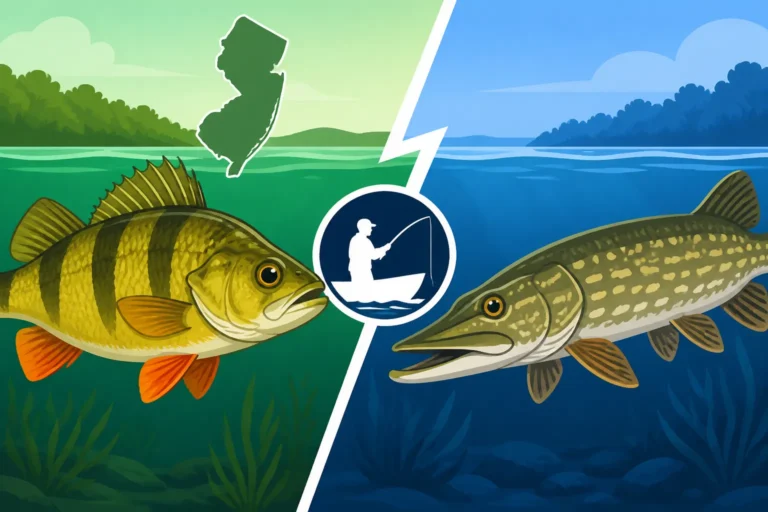
It's important to differentiate these habitats from those preferred by New Jersey Northern Pike Waters. While pike and muskie can sometimes overlap in habitat preference, pike are generally more tolerant of warmer, weedier, and often shallower waters, whereas muskie tend to prefer larger, deeper, and cooler water bodies or sections of rivers. However, if you're fishing a river known for one, it's always good to be aware of the other!
Factors Influencing Muskie Location
Finding a muskie isn't just about knowing which lake they live in; it's about understanding where in that lake they're likely to be at any given time. These fish are highly sensitive to their environment, and a few key factors dictate their movements and feeding patterns. Ignoring these variables is a surefire way to increase those "thousand casts" exponentially.
Water Temperature and Seasonality
Like all cold-blooded fish, muskie are highly influenced by water temperature. Their metabolism, activity levels, and preferred depths all change with the seasons.
In the spring, after the ice recedes and water temperatures begin to rise into the 50s Fahrenheit, muskie will often move into shallower areas. These warmer zones hold abundant baitfish, and the muskie themselves are shaking off the lethargy of winter, looking for easy meals. They might be found around shallow weed flats, sun-drenched coves, and near tributary mouths. This can be a prime time for targeting them as they become more active.
As summer progresses and water temperatures climb into the 70s, muskie typically retreat to deeper, cooler waters. They'll seek out thermal refuges like deep main lake basins, areas around submerged springs, or the deepest edges of weed lines and drop-offs. Their activity might slow during the hottest parts of the day, with feeding windows often shifting to early mornings, late evenings, or even after dark. However, they will still make forays into shallower feeding flats, often during low-light conditions. Staying abreast of general New Jersey Fishing Season Dates and Closures can help you plan your trips around optimal conditions.
Fall is another fantastic time for muskie. As water temperatures start to drop again, they enter what's often called their "fall feed" or "gorge." They know winter is coming, and they need to pack on calories. This can mean they move back into shallower structures, aggressively hunting for baitfish. This is when some of the biggest muskie of the year are caught, as they are actively seeking out large meals.
Forage and Prey Availability
Muskie are obligate piscivores, meaning their diet consists almost entirely of other fish. They are true hunters, and their location is intrinsically tied to the presence of their prey. If you can find the bait, you're often one step closer to finding the muskie.
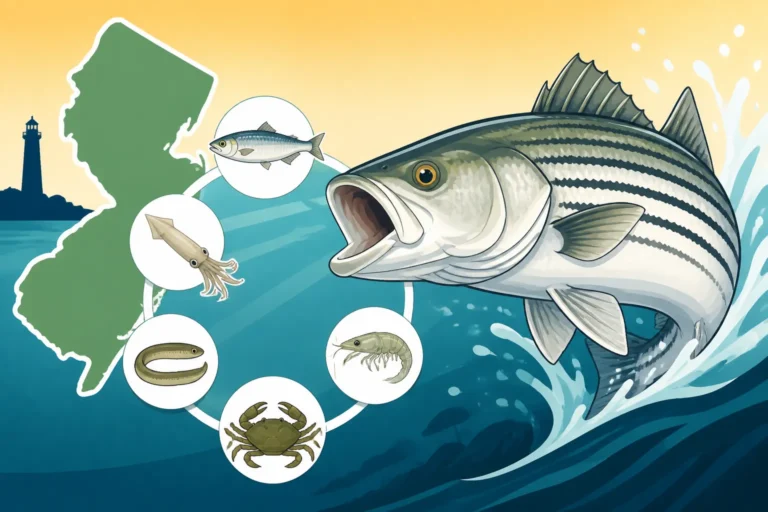
Their diet is quite varied and includes species like yellow perch, suckers, alewives, shiners, and even smaller bass or trout, depending on the specific water body. In lakes with a healthy population of larger baitfish, muskie will grow bigger and be more active. These predators are incredibly efficient, and they often position themselves strategically along the edges of baitfish schools or near migration routes.
So, when you're on the water, pay attention to signs of baitfish. Are there schools of bait flickering on your fish finder? Are birds diving? Is there surface activity? These are all indicators that smaller fish are present, and where there's food, there's a strong chance a muskie won't be far behind. Understanding What Is the Best Bait Fish for Freshwater Predator Species? can give you a significant advantage in thinking like a muskie.
Structural Elements and Cover
Muskie are ambush predators. They don't typically chase prey long distances in open water; instead, they prefer to lie in wait, concealed by structure, and then erupt with incredible speed to engulf their meal. This makes structural elements and cover absolutely critical components of their habitat.
Think of it like this: a muskie needs a good place to hide, a clear view of a travel lane for prey, and easy access to deeper water or escape routes. This means you should be targeting:
- Weed Beds: Especially dense, healthy weed beds that extend out from shore or grow on submerged humps. Muskie will patrol the edges, slip into pockets within the weeds, or lie just outside, waiting for fish to pass.
- Fallen Trees and Timber: Large logs, brush piles, and submerged trees offer perfect ambush points and shade. These are classic muskie haunts.
- Rock Piles and Boulders: Rocky areas, particularly those with sharp drop-offs or scattered boulders, provide excellent cover and structure.
- Docks and Pilings: Man-made structures can also attract muskie, especially if they offer shade, depth, or connections to weed lines.
- Contour Changes: Sharp drops, humps, saddles, and points along the lake bottom are natural highways and congregating spots for baitfish, which in turn attract muskie.
When fishing these areas, don't just make a few casts and move on. Muskie will often cling tightly to cover, and you might need to present your lure from several different angles, making multiple casts to truly probe their hiding spots.
Tips for Locating New Jersey Muskie
So you've learned what they prefer, and why they prefer it. Now, let's talk about the practical side of actually finding these magnificent fish in New Jersey's waters. It takes more than just a boat and a rod; it requires dedication, strategy, and a bit of detective work.
Research and Local Knowledge
One of the most powerful tools in your muskie-hunting arsenal is information. Before you even launch your boat, do your homework.
Start with the official sources. The New Jersey Division of Fish and Wildlife regularly publishes stocking reports and sometimes even specific fishery management plans that indicate which lakes are actively managed for muskie. This will tell you which waters are consistently receiving fish and where the state believes they have the best chance of survival and growth. You can often find this information by looking through the New Jersey Fish and Wildlife Digest: Where to Find the Current Rules.
Beyond official reports, tap into local knowledge. This is invaluable. Visit bait and tackle shops near your target lake or river. The folks working there are often avid anglers themselves, and they hear stories, see pictures, and can give you current, real-world advice on what's working, where fish have been spotted, and what recent conditions have been like. They might even clue you into a particular weed line that's been productive or a specific bay that's warming up.
Online fishing forums and local social media groups dedicated to New Jersey fishing can also be a goldmine of information. While some anglers guard their muskie spots fiercely (and rightfully so!), you can still glean general patterns, successful techniques, and current conditions from these communities. Just remember to take everything with a grain of salt and verify information where possible.
Gear and Techniques for Muskie Hunting
Muskie are big, powerful fish with sharp teeth, and they demand specialized gear. Trying to catch one on bass tackle is a recipe for heartbreak and potentially harming the fish.
First, you'll need a heavy-duty rod, typically 7 to 9 feet long, with a fast action and a strong backbone. This allows you to cast large, heavy lures and effectively fight a powerful fish. Pair it with a robust baitcasting reel capable of holding at least 80-100 pound test braided line. A heavy fluorocarbon or wire leader is absolutely essential to prevent their razor-sharp teeth from cutting your mainline. Brands like Berkley, Shimano, and St. Croix offer excellent muskie-specific gear.
As for lures, muskie love big presentations. Think large bucktail spinners, jerkbaits, glide baits, and topwater lures that can be anywhere from 6 to 12 inches long, or even larger. These lures are designed to provoke an aggressive strike. Make sure your hooks are sharp and strong enough to handle a muskie's powerful jaws. You can find a vast selection of these specialized lures and tackle on Amazon, with options for every budget and preference, ensuring you're ready for any situation. Diving deeper into specific lure types can be very beneficial, so check out Best Lures for Muskie Fishing for detailed recommendations.
When it comes to technique, persistence is key. Make countless casts, covering water thoroughly. Many muskie strikes occur close to the boat, so always perform a "figure eight" with your lure right at the boat side before lifting it out of the water. This can often entice a following muskie to strike. Retrieval speed and lure action are crucial, and sometimes a subtle change can make all the difference.
Safety is paramount when handling muskie. They are formidable creatures. Always have a large, deep landing net (muskie-specific if possible), long-nose pliers, and a hook remover readily accessible. Cut-resistant gloves are also highly recommended to protect your hands from their teeth and gill plates. Remember, proper handling is vital for the fish's survival after catch and release.
Persistence and Patience
We can't stress this enough: muskie fishing is not for the faint of heart or the impatient. It's truly a "fish of a thousand casts," and sometimes more. You might spend an entire day, or even several days, without a single strike, or perhaps just a fleeting follow. This is entirely normal.
The reward, however, is immense. The sheer adrenaline rush of seeing a giant muskie emerge from the depths and smash your lure is unparalleled. It’s not about the numbers; it’s about that one monumental fish. Embrace the process, enjoy the beautiful surroundings, and learn to appreciate the hunt itself. Each cast is an opportunity, each follow is a lesson, and eventually, if you stick with it, you will be rewarded. It's a journey, not just a destination.
Conservation and Responsible Angling
Given the effort involved in maintaining New Jersey's muskie populations, it's incredibly important that anglers practice responsible conservation. Almost all muskie fishing in New Jersey is catch and release. These fish are slow-growing, long-lived, and a precious resource.
When you do hook into a muskie, minimize the fight time as much as possible to reduce stress on the fish. Keep the fish in the water as much as you can during unhooking and photography. If you must lift it for a quick photo, support its entire body horizontally, never vertically by the jaw. Handle them gently and release them quickly, ensuring they swim away strong. A thorough understanding of Catch and Release Rules in New Jersey is critical for the long-term health of this fishery. By doing our part, we ensure that future generations of New Jersey anglers will also have the chance to pursue these incredible freshwater giants.
Disclaimer
This article is for general informational purposes only and does not constitute professional advice. Laws, prices and regulations vary by location and change over time. Consult a qualified professional for guidance on your specific situation.