Difference Between Perch and Pickerel
It’s a common scenario, isn't it? You’re out on a beautiful New Jersey lake, you feel a tug on your line, and when you reel in your catch, you find yourself staring at a fish and wondering, "Is this a perch or a pickerel?" The truth is, these two popular freshwater species can sometimes look similar to the untrained eye, leading to confusion and even some misidentification. But don't you worry, because by the time you're done with this guide, you'll be able to tell the difference like a seasoned pro!
Unraveling the Perch Family: Yellow Perch in New Jersey
Let's start with the delightful yellow perch. These are truly a staple of freshwater fishing across New Jersey, beloved by anglers of all ages because they're generally easy to catch and delicious to eat. They’re often among the first fish a new angler pulls from the water, sparking a lifelong passion.
Identifying the New Jersey Yellow Perch
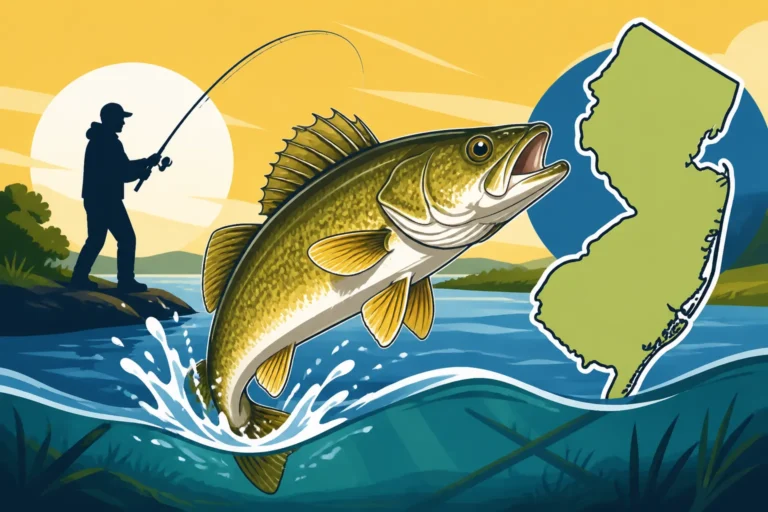
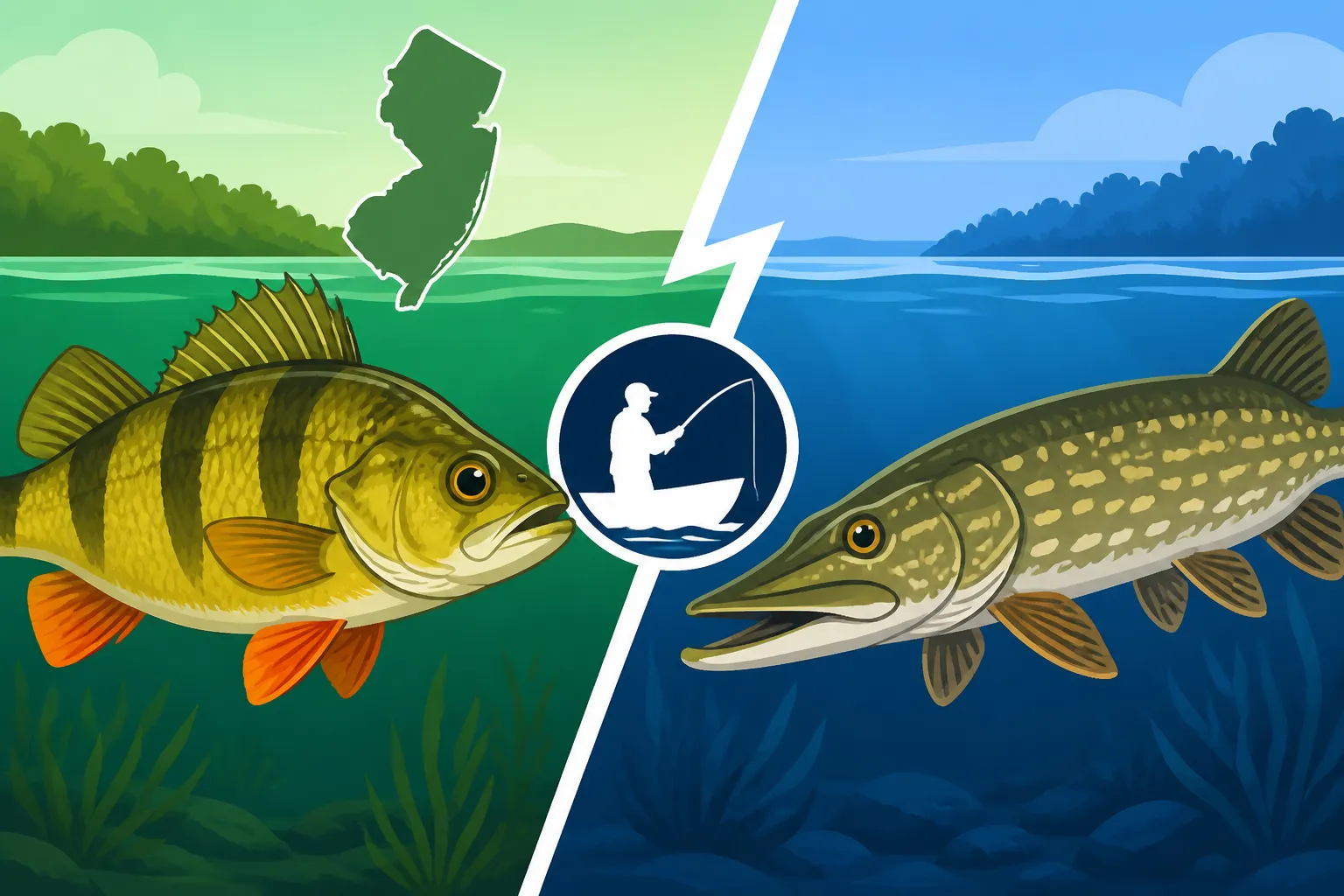
The yellow perch is, well, pretty yellow! But there's more to it than just that. Typically, they have a golden-yellow to brassy-green body with six to eight distinct, dark vertical bars running down their sides. These bars often fade into a lighter, sometimes whitish belly. Their fins are another dead giveaway. Look for bright orange or reddish pelvic and anal fins, especially during spawning season when those colors really pop. Their dorsal fin is split into two parts: a spiny front section and a softer, rayed back section. Size-wise, most yellow perch you’ll encounter in New Jersey are going to be in the 6 to 10-inch range, though you can certainly find bigger ones, especially in healthier populations. They have a more "perch-like" or "football" shape – a bit stockier and taller from top to bottom compared to the more elongated fish we’ll talk about next. They have a smaller mouth compared to many predators, perfect for nipping at small baits. For a deeper dive into their average dimensions, check out Typical Size of a Yellow Perch.
One of the common points of confusion might come from their general shape, which isn't as slender as a pickerel, but still not as chunky as some sunfish. If you've caught a few sunfish or crappie, you'll notice the perch is a bit more streamlined. It's the distinctive barring and fin color that truly set them apart. Imagine you're pulling a fish from Lake Hopatcong; if it’s got those vertical stripes and a splash of orange on its fins, you’ve likely got a yellow perch on your hands.
Where Yellow Perch Call Home in New Jersey
Yellow perch are incredibly adaptable, which is why you can find them in almost all of New Jersey’s freshwater systems. They absolutely love lakes, ponds, and slower-moving rivers where there’s a good mix of open water and submerged vegetation or structure. Think about those weed beds along the edges of a pond or fallen trees in a lake; that’s where perch like to hang out. They often school up, so if you catch one, there are usually more in the vicinity. They're not particularly picky about water clarity, tolerating a range from crystal clear to slightly murky, as long as there's a good food source.
In New Jersey, places like Lake Hopatcong, Budd Lake, and Spruce Run Reservoir are renowned for their healthy yellow perch populations. Even smaller, local ponds in state parks are often teeming with them, making them fantastic spots for a family fishing trip. They're also quite tolerant of colder water, which means they're a popular target for ice fishing enthusiasts once the ice is thick enough. If you’re looking for family-friendly spots to fish, many of these lakes and ponds are listed in guides like Best New Jersey State Park Ponds for Family Fishing.
Targeting Yellow Perch: Simple Fun for All Ages
Fishing for yellow perch is pure joy, especially for beginners or when you just want a relaxing day on the water. You don't need fancy gear, and their eager bites make for consistent action. Simple, light tackle is all you really need: a light spinning rod, small hooks (size 6-10), and a bobber or small sinker. As for bait, they're not too picky! Live bait like small worms (nightcrawlers cut into pieces, red wigglers), small minnows, grubs, or even maggots are highly effective. If you prefer artificials, tiny jigs tipped with a piece of Gulp! or a small soft plastic grub can also work wonders.
The beauty of perch fishing is its simplicity. Cast your bait near structure or weed lines, let it settle, and watch that bobber! They'll often give a few tentative tugs before pulling it under with conviction. This makes them an excellent target for kids learning to fish, providing that instant gratification that keeps them hooked (pun intended!). Plus, once you've caught a few, you'll quickly realize why they're so popular on the dinner plate – delicate, flaky white meat. Just remember to check the New Jersey Daily Bag Limits by Species before you head out. You can find some of the basic gear needed for targeting perch and other freshwater species on Amazon.
Decoding the Pickerel Predator: Chain Pickerel in New Jersey
Now, let's talk about the chain pickerel. These fish are a completely different animal, though they share some superficial similarities in habitat with perch. They're sleek, aggressive predators with a reputation for putting up a spirited fight and possessing a mouth full of sharp teeth.
Recognizing the Aggressive Chain Pickerel
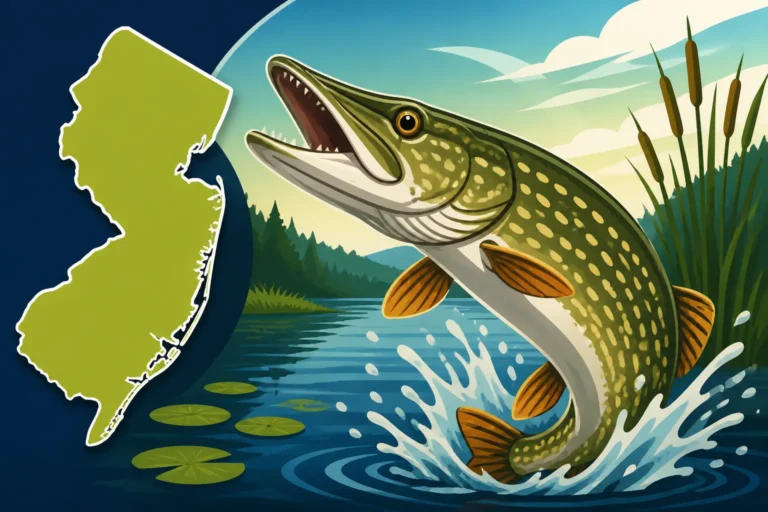
The chain pickerel gets its name from the distinctive, dark chain-like pattern on its green or greenish-brown body. Unlike the vertical bars of the perch, the pickerel's pattern is more intricate and interlocking, giving it a camouflaged appearance perfect for lurking in vegetation. They have a long, slender, torpedo-shaped body, built for sudden bursts of speed to ambush prey. Their head is also quite distinctive, featuring a long, duckbill-shaped snout with a prominent lower jaw that extends beyond the upper. And here's the kicker: their mouths are absolutely packed with razor-sharp teeth! This is a critical identifying feature and a good reason to handle them with extreme care, perhaps using a pair of long-nosed pliers for hook removal.
Pickerel can grow considerably larger than yellow perch, with many New Jersey anglers regularly catching them in the 15 to 24-inch range, and some pushing even larger. They are part of the pike family, and their lean, muscular bodies reflect their predatory lifestyle. If you're looking to confirm what size pickerel you might encounter, our guide on Typical Size of a Chain Pickerel can give you a better idea. When you catch a pickerel, you’ll immediately notice the difference in fight – they often make powerful runs and headshakes, a stark contrast to the more gentle tug of a perch.
Pickerel's Preferred Haunts Across the Garden State
Chain pickerel are ambush predators through and through, which means they prefer areas where they can hide and wait for unsuspecting prey. Their ideal habitat consists of shallow, heavily vegetated waters in lakes, ponds, and slow-moving rivers. Think lily pads, dense weed beds, submerged logs, and cattails – basically, any place they can blend in perfectly and dart out to strike. They often lurk right at the edge of deeper water or alongside structure, ready to pounce.
You'll find healthy populations of chain pickerel in many of the same freshwater bodies that hold perch, but you'll need to focus your efforts on those weedy, shallower sections. Lakes like Greenwood Lake, Lake Hopatcong, and many of the smaller, private ponds throughout South Jersey are prime pickerel territory. They are also quite active in colder water, making them a popular target for anglers even when other species become sluggish. Many anglers find them particularly exciting to target during the ice fishing season. For more on ice fishing, consider reading New Jersey Ice Fishing Guide.
Exciting Techniques for Catching Pickerel
Fishing for pickerel can be incredibly exciting because of their aggressive nature. They're not shy about hitting lures with a vengeance. When it comes to artificials, anything that mimics a fleeing baitfish works well. Shiny spoons, inline spinners, jerkbaits, and spinnerbaits are all excellent choices. Vary your retrieve, adding pauses and jerks to entice a strike. For live bait, shiners or small live minnows fished under a bobber or slowly retrieved are almost irresistible to a hungry pickerel.
Because of their sharp teeth, it's wise to use a steel or heavy fluorocarbon leader when targeting pickerel to prevent bite-offs. A medium-light to medium action rod with 8-12 pound test line is generally appropriate. You'll often find yourself reeling in quickly as they'll chase down a lure with surprising speed. They offer a good fight, particularly when you consider their size. Always have a pair of pliers ready for hook removal to protect your fingers from those impressive teeth. While you generally want to avoid fishing with too many rods, understanding the limits can be helpful, as explained in How Many Fishing Rods Can You Use at Once in New Jersey?.
Perch vs. Pickerel: A Side-by-Side Comparison
The best way to truly cement your understanding of the differences is to see them laid out clearly. Once you know what to look for, telling them apart becomes second nature.
Key Distinctions at a Glance
Let’s put it all into a handy table so you can quickly compare the most important identification factors.
| Feature | Yellow Perch | Chain Pickerel |
|---|---|---|
| Body Shape | Stocky, oval, moderately compressed (like a football) | Long, slender, torpedo-shaped |
| Color/Pattern | Golden-yellow to brassy-green with 6-8 dark vertical bars | Greenish-brown with distinct dark, chain-like markings |
| Head/Mouth | Relatively small head, small mouth | Long, duckbill-shaped snout, prominent lower jaw, large mouth |
| Teeth | Small, brush-like teeth | Numerous, razor-sharp, needle-like teeth |
| Dorsal Fin | Two distinct dorsal fins (spiny front, soft rear) | One dorsal fin, located far back on the body near the tail |
| Fins Color | Often bright orange/red pelvic and anal fins | Generally yellowish-green, matching body color |
| Size | Typically 6-10 inches, can reach 14 inches | Typically 15-24 inches, can reach 30+ inches |
| Behavior | Schooling, slower, bottom feeder/forager | Solitary ambush predator, aggressive striker |
| Habitat | Lakes, ponds, slow rivers; varied structure | Heavily vegetated, shallow areas in lakes, ponds, slow rivers |
Why the Confusion Matters for Anglers
Understanding the difference between a perch and a pickerel isn't just about showing off your fish identification skills (though that's certainly part of the fun!). It's also crucial for a few practical reasons when you’re out fishing in New Jersey. First and foremost, New Jersey Freshwater Fishing Regulations Every Angler Should Know dictate different rules for different species. While yellow perch typically fall under general panfish regulations with liberal limits, pickerel might have different size and bag limits depending on the body of water. Misidentifying your catch could lead to unintentional violations, which no angler wants.
Beyond regulations, the experience of catching and handling these fish is vastly different. A perch is generally docile, easy to unhook, and poses no threat to your fingers. A pickerel, on the other hand, demands respect. Those teeth are no joke, and attempting to remove a hook carelessly can result in a nasty cut. Always carry needle-nose pliers or a hook remover when fishing in waters known for pickerel. Furthermore, while both are edible, their culinary qualities are distinct. Perch offers delicate, flaky white meat, perfect for frying. Pickerel, while edible, has more bones and a different texture, though many anglers enjoy them. Knowing what you've caught helps you decide if it's going back in the water or heading to the dinner table.
Fishing Smarter: Tips for Both Species in New Jersey
Armed with your newfound identification skills, let's talk about how you can use this knowledge to become a more successful and well-prepared angler in New Jersey's freshwater environments.
Gear Up for Success (and Safety!)
When preparing for a fishing trip, thinking about your target species helps immensely. For yellow perch, a basic ultralight to light spinning combo is perfect. It allows you to feel those subtle bites and makes even a small perch feel like a champion fighter. Spool it with 4-6 pound monofilament line. The simplicity and affordability of such a setup mean it’s perfect for casual outings or introducing someone new to fishing.
For chain pickerel, you’ll want to step up your gear slightly. A medium-light to medium action spinning rod with 8-12 pound monofilament or fluorocarbon line will give you the backbone to handle their aggressive strikes and strong runs. The most critical addition for pickerel, however, is a leader. A short, flexible steel leader or a piece of heavy (20-30 pound) fluorocarbon leader tied directly to your main line will prevent those sharp teeth from cutting your line. Don't forget those essential tools: a good pair of long-nosed pliers or a jaw spreader for safe hook removal, and maybe a small net to help land larger fish without getting too close to their mouths. You can find a fantastic selection of these items and more, including entire rod and reel combos, on Amazon. If you’re just starting, looking into a Best Beginner Rod and Reel Combo for Saltwater Fishing might even give you a versatile setup that can handle some freshwater action too, though specific freshwater gear is usually preferred.
Best Times and Places to Encounter Them
Understanding the habits of perch and pickerel will definitely boost your chances of success. Yellow perch are often active throughout the day, though dawn and dusk can be particularly productive. They tend to be more active in slightly warmer water than pickerel, but they're still a popular target in winter for ice fishing. Look for them in areas with varied structure—rock piles, submerged timber, docks, or the edges of weed beds in lakes and larger ponds. For example, in large bodies of water like Greenwood Lake Fishing Guide or Lake Hopatcong Bass Fishing Hotspots, perch will be found in many areas, often deeper in the summer.
Chain pickerel, being ambush predators, are constantly patrolling the edges of dense vegetation. They don’t typically school up in the same way perch do, but where you find one, there’s a good chance others are nearby in similar cover. They are quite tolerant of colder water and often remain highly active even when the air temperature drops, making them a fantastic target for winter fishing. Early mornings and late afternoons, especially on overcast days, can be prime times for pickerel. Focus your efforts on the shallower, weedy bays and coves of lakes and ponds. Remember, if you're fishing for other species like largemouth bass, you'll often encounter pickerel in the same areas, as they share a love for cover. Consider some of the lures recommended for bass in articles like Best Lures for Largemouth Bass in Summer Heat, as they can be very effective for pickerel too.
No matter which species you're chasing, always consult the current New Jersey Fish and Wildlife Digest for the most up-to-date regulations, season dates, and any specific rules for the body of water you plan to visit. Knowledge is power, and knowing your fish will make your time on the water more enjoyable and productive!
Disclaimer
This article is for general informational purposes only and does not constitute professional advice. Laws, prices and regulations vary by location and change over time. Consult a qualified professional for guidance on your specific situation.