What Invasive Fish Species Are Found in New Jersey Lakes?
It's a disheartening moment for any angler to realize that the fish they've just pulled from a beautiful New Jersey lake isn't supposed to be there. We all cherish the vibrant ecosystems of our local waters, but increasingly, unwelcome guests in the form of invasive fish species are showing up, threatening the native populations we love to pursue. These intruders can wreak havoc on food webs, introduce diseases, and even outcompete our beloved game fish, making our favorite fishing spots less productive. This guide will walk you through understanding what invasive fish are, which ones are present in New Jersey, and crucially, what you can do to help protect our precious aquatic environments.
The Troubling Reality of Invasive Fish in New Jersey Waters
The term "invasive species" might sound a bit academic, but for us anglers, it's a very real and often frustrating problem. It refers to species that aren't native to an ecosystem and, once introduced, cause harm to the environment, economy, or human health. In New Jersey, our lakes, rivers, and even coastal areas are constantly at risk from these biological invaders, many of which arrive unintentionally, hitchhiking on boats, in bait buckets, or through improper disposal of aquarium pets.
What Exactly Makes a Fish "Invasive"?
It's not just about being "foreign." A non-native fish species truly earns the "invasive" label when it starts to outcompete native fish for food, habitat, or spawning grounds. These species often have certain traits that give them an unfair advantage: they might reproduce faster, grow larger, tolerate a wider range of environmental conditions, or have no natural predators in their new home. Think of it like inviting a new neighbor to a potluck, only for them to show up with a hundred hungry friends and eat all the food before anyone else gets a bite. That's essentially what an invasive species does to a local ecosystem.
The consequences can be dire. Native fish populations can decline rapidly, sometimes to the point of local extinction, which in turn impacts other wildlife that rely on those native fish for food. The delicate balance of an ecosystem, built over thousands of years, can be undone in a matter of a few years or even months. For instance, the introduction of a new predator can decimate populations of smaller fish that many game species rely on. It’s a cascading effect that touches every part of the aquatic community. You might notice fewer baitfish, or perhaps a decrease in the size or number of your target species over time.
Why Should New Jersey Anglers Care?
As anglers, we have a vested interest in the health of our waterways. Invasive fish species directly impact our fishing experiences. They can reduce the catch rates of desirable species, make it harder to find fish, and even alter the types of fish available to catch. Imagine your favorite smallmouth bass stream suddenly overrun with a species that outcompetes the bass for food, leading to smaller, fewer smallmouth. It’s a scenario no one wants to face.
Beyond the immediate impact on fishing, invasive species can cause significant environmental damage. They can introduce diseases to native populations, alter water quality, and even damage fishing gear or boat motors. There's also an economic cost, as government agencies spend considerable resources on monitoring, managing, and attempting to eradicate these species. This money could otherwise be spent on stocking programs, habitat restoration, or improving angler access. Ultimately, the presence of invasive species diminishes the overall quality of our fishing resources, making it a problem that every angler should be aware of and actively work to combat. It’s about protecting the future of New Jersey fishing.
Common Invasive Fish Species You Might Encounter
New Jersey's diverse aquatic environments, from freshwater lakes to brackish estuaries, make it vulnerable to a range of invasive species. While some are more widespread, others are localized but pose a significant threat. Knowing what to look for is your first step in becoming a vigilant steward of our waters.
Northern Snakehead: The Apex Predator
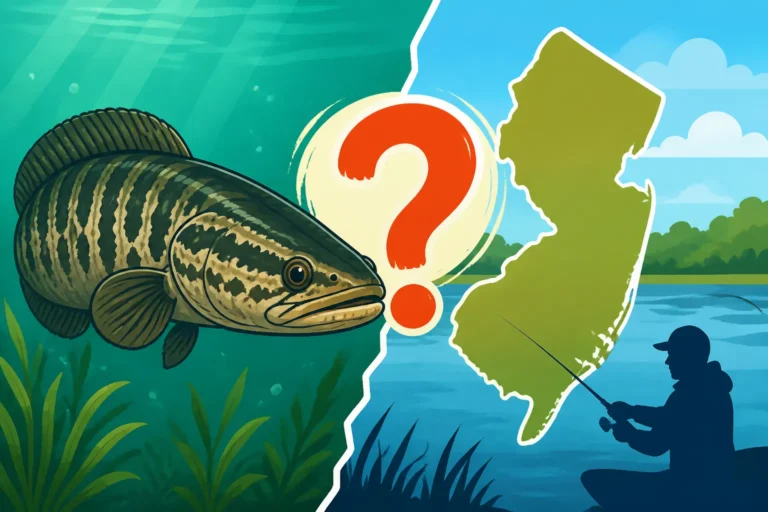
One of the most concerning invasive species found in some New Jersey waters is the northern snakehead (Channa argus). These fish are native to parts of Asia and are highly predatory, known for their ability to thrive in a variety of conditions and even "walk" short distances over land to find new water bodies. Their elongated, torpedo-shaped bodies, dorsal fins that run nearly the entire length of their backs, and mottled, snake-like patterns make them distinctive. They also possess sharp teeth and can grow quite large, easily reaching lengths of two to three feet.
Northern snakeheads have been documented in several New Jersey waterways, particularly in the lower Delaware River basin and some interconnected tributaries and ponds. Their impact is severe: they consume vast quantities of other fish, including important baitfish and juvenile game fish, disrupting the food chain. They are also highly resilient, making them incredibly difficult to eradicate once established. If you ever catch a northern snakehead in New Jersey, it is absolutely crucial that you do not release it alive. State regulations require immediate dispatch and proper disposal. This is one instance where the rule about not releasing a fish is paramount. For more detailed instructions, you can read What Should You Do If You Catch a Snakehead in New Jersey?.
Flathead Catfish: A River Monster's Expansion
Another significant invader, particularly in the Delaware River and its larger tributaries, is the flathead catfish (Pylodictis olivaris). These large, bottom-dwelling predators, native to the central and southern United States, have found a comfortable home in New Jersey's big river systems. They are easily identified by their broad, flattened heads, small eyes, and a lower jaw that protrudes beyond the upper jaw. They typically have a mottled brown or yellowish-brown coloration. These fish can grow to immense sizes, often exceeding 50 pounds, making them a formidable presence in any fishery.
Flathead catfish are voracious predators that feed on live fish, including native species like American shad, striped bass, and various panfish. Their diet and aggressive feeding habits can significantly impact native fish populations and alter the natural balance of the river ecosystem. While they can provide an exciting challenge for anglers, their presence is a cause for concern for the health of native fisheries. Catching these fish can be a real battle, and specialized heavy tackle is often required. Just like with the snakehead, it's generally recommended not to release them back into the water if caught in areas where they are considered invasive.
Asian Clams and Other Aquatic Nuisances
While our focus is on invasive fish, it's worth noting that other aquatic invasive species indirectly impact our fishing. The Asian clam (Corbicula fluminea) is a tiny but mighty invader found in many New Jersey waterways. These clams reproduce rapidly, form dense beds that clog pipes and alter substrate, and compete with native species for food resources. While not a fish, their impact on the overall health of the ecosystem can affect the forage base for many fish species.
Other non-fish invasives include various types of aquatic vegetation that can choke out native plants, reduce oxygen levels, and make fishing spots inaccessible. Zebra mussels and quagga mussels are also concerns, though less widespread in New Jersey than in some other states, known for clogging water intake pipes and changing water clarity, which can upset the balance of an entire lake. Keeping all forms of invasive species out of our waters is a collective effort, and it starts with every angler doing their part.
European Rudd: A Less Obvious Threat
The European rudd (Scardinius erythrophthalmus) is another invasive fish species that has made its way into some New Jersey waters. These fish are members of the carp family, native to Europe and Asia. They are often mistaken for golden shiners or juvenile carp. Rudd have deep bodies, reddish fins (especially the pelvic, anal, and caudal fins), and an upturned mouth. They typically grow to about 8-12 inches but can get larger.
Rudd are problematic because they compete with native fish for food, especially aquatic vegetation and insects, and they can hybridize with other native cyprinids (minnows and carp), leading to genetic pollution. They are also quite adaptable and can thrive in a variety of habitats. While perhaps not as flashy or predatory as a snakehead, their subtle but widespread impact can still degrade the quality of our fisheries. If you're looking to identify species, a good field guide or a quick search online can help, or you can find comprehensive books on local fish identification on Amazon.
The Role of Anglers in Preventing the Spread
As stewards of our natural resources, anglers are on the front lines in the fight against invasive species. Our actions, both on and off the water, can make a huge difference in preventing the spread of these harmful organisms. It’s not just about what the state does; it’s about what we do collectively.
Clean, Drain, Dry: Your First Line of Defense
This mantra should be ingrained in every angler's mind, especially if you move between different bodies of water. The "Clean, Drain, Dry" protocol is simple but incredibly effective at preventing the spread of aquatic invasive species, whether they're fish, plants, or microscopic organisms.
- Clean: Before leaving a launch site or after finishing your fishing trip, thoroughly inspect your boat, trailer, waders, boots, fishing gear, and even your anchor for any visible mud, plants, or aquatic organisms. Remove anything you find and dispose of it far from the water body, ideally in a trash receptacle. A stiff brush, a good scrub brush you might even find on Amazon, or even a pressure washer can be invaluable here. Pay special attention to crevices, livewells, and fishing line.
- Drain: Drain all water from your boat's bilge, livewells, bait buckets, and any other water-holding compartments. Do this before you leave the launch area. This ensures that any larval invasives, microscopic eggs, or juvenile fish aren't transported to a new location.
- Dry: Allow all your equipment, especially anything that came into contact with the water, to thoroughly dry for at least 5-7 days before using it in a different body of water. Sunlight and heat are excellent at killing off many invasive species. If drying isn't possible, consider rinsing with hot, high-pressure water.
Following these steps every single time you fish is one of the most impactful things you can do. It's about building a habit that protects our waters for everyone, including future generations of anglers.
Responsible Bait Management
Live bait is incredibly effective, but it's also one of the primary vectors for introducing invasive species. This is where vigilance is key. Never, ever release unused live bait from one body of water into another. What might seem like a harmless act of freeing a few minnows could introduce a new invasive species to a delicate ecosystem.
Always dispose of unused bait properly:
- Don't Dump: Don't just toss it in the woods or on the bank where it might find its way back into the water during rain.
- Freezing or Trash: The best practice is to freeze unused bait or dispose of it in a sealed bag in the trash.
- Sourced Bait: If you're using baitfish you caught yourself, make sure you only use it in the same body of water from which it was caught.
- Buy Local, Use Local: When buying bait from a tackle shop, inquire about its origin. Stick to using bait in the watershed where you purchased it, and never transfer bait between different river systems or lakes.
Remember, the vast majority of invasive species introductions are accidental. A seemingly innocent act like dumping a bait bucket could lead to years of ecological damage. Your careful management of bait is a crucial part of the solution.
Reporting Suspected Sightings
You are our eyes and ears on the water. If you suspect you've caught or seen an invasive fish species that you don't recognize, or one that you know is problematic (like a Northern Snakehead), don't hesitate to report it. The New Jersey Department of Environmental Protection's Fish and Wildlife division relies on public reports to track and manage these threats.
Here's how you can help:
- Take Photos: If possible and safe to do so, take clear photos of the fish from different angles. This helps with identification.
- Note Location: Record the exact location (GPS coordinates if you have them) and the date and time of your sighting.
- Do Not Release (for prohibited species): For highly aggressive invasives like the northern snakehead, state regulations typically mandate immediate dispatch. Always verify the current regulations for the species you encounter. You can often find updated rules in the Reading the New Jersey Fish and Wildlife Digest.
- Contact Authorities: Reach out to the New Jersey Division of Fish and Wildlife directly. They have biologists dedicated to managing these issues. You can usually find New Jersey Conservation Police Officer Contact Information on their website. Your report, no matter how small it seems, can contribute valuable data to their efforts.
What Happens If You Catch an Invasive Fish in New Jersey?
This is where things can get a bit nuanced, and it's essential to know the specific regulations, as they can change. The overarching goal is to prevent the further spread of invasive species, and for certain species, that means strict measures.
Specific Protocols for Snakeheads and Other Prohibited Species
For species like the Northern Snakehead, the directive is clear and non-negotiable in New Jersey: do not release them alive. If you catch a Northern Snakehead, you are required to immediately dispatch it. This typically means killing the fish as humanely as possible and then properly disposing of it, not returning it to the water, not giving it away alive, and not using it as live bait. This might feel counter-intuitive to the catch-and-release ethos many of us practice, but it's a critical step in protecting our native fisheries from a highly destructive invader.
The state's stance on these species is a reflection of their severe ecological threat. Always check the most current New Jersey Freshwater Fishing Regulations Every Angler Should Know or the Fish and Wildlife Digest to confirm specific rules for any suspected invasive species. Regulations can be adjusted based on population assessments, so staying informed is key.
Legal Ramifications of Transporting Live Invasive Fish
It's not just about releasing them. Transporting live invasive fish, especially those considered prohibited species, across state lines or even between different watersheds within New Jersey, can carry serious legal penalties. The intent behind these laws is to prevent careless or deliberate introduction of harmful species into new environments. For example, moving a live flathead catfish from the Delaware River to a private pond in another part of the state could introduce a problem where none existed before, and doing so without proper authorization is likely illegal.
The fines and penalties for such violations can be substantial, ranging from significant monetary fines to more severe consequences depending on the scale and intent of the offense. Law enforcement, specifically our Conservation Police Officers, are trained to look for these types of violations. Understanding these rules is vital not just for conservation, but for avoiding legal trouble.
The Ethical Angler's Choice
Beyond the regulations, there's an ethical responsibility that comes with being an angler. We spend our time enjoying the natural world, and with that enjoyment comes a duty to protect it. Choosing to dispatch a prohibited invasive species, even if it feels difficult, is a responsible act of conservation. It’s a choice to prioritize the health of the entire ecosystem over a single catch.
Educating ourselves and others is also part of this ethical responsibility. Share what you know with fellow anglers. Encourage them to follow the "Clean, Drain, Dry" protocol and to be responsible with their bait. Together, we can form a strong line of defense against the ongoing threat of invasive species. It's about ensuring that the joy of fishing in New Jersey remains vibrant for generations to come. Sometimes, protecting what we love means making tough decisions, and dealing with invasive species is certainly one of them.
| Invasive Fish Species | Key Identification Features | Primary Threat | Recommended Action if Caught (Check Regulations) |
|---|---|---|---|
| Northern Snakehead | Long, snake-like body; large mouth; prominent dorsal fin. | Apex predator, consumes native fish; capable of overland travel. | Immediate dispatch, do not release. |
| Flathead Catfish | Broad, flattened head; small eyes; protruding lower jaw. | Voracious predator of live fish, outcompetes native catfish. | Generally recommended not to release. |
| European Rudd | Deep body; reddish fins; upturned mouth; often mistaken for shiners. | Competes for food, can hybridize with native minnows. | Generally recommended not to release. |
| Asian Clam (Not a fish) | Small, triangular shells with concentric rings. | Clogs pipes, alters substrate, competes for food. | Prevent spread via cleaning gear. |
Disclaimer
This article is for general informational purposes only and does not constitute professional advice. Laws, prices and regulations vary by location and change over time. Consult a qualified professional for guidance on your specific situation.