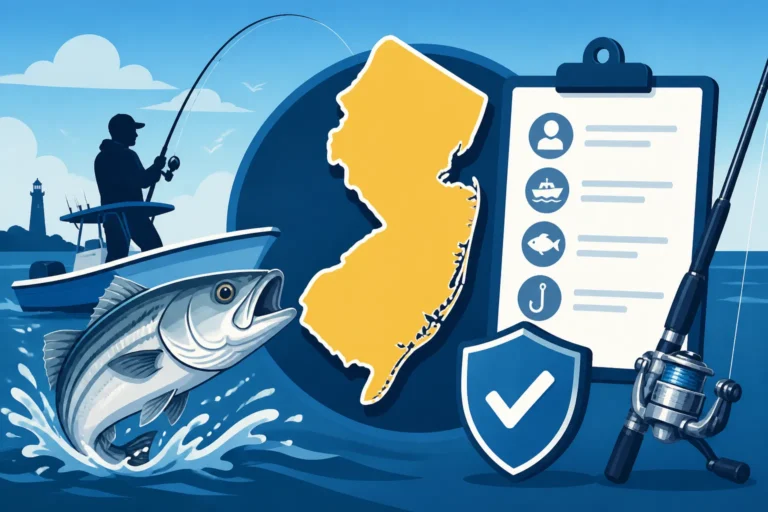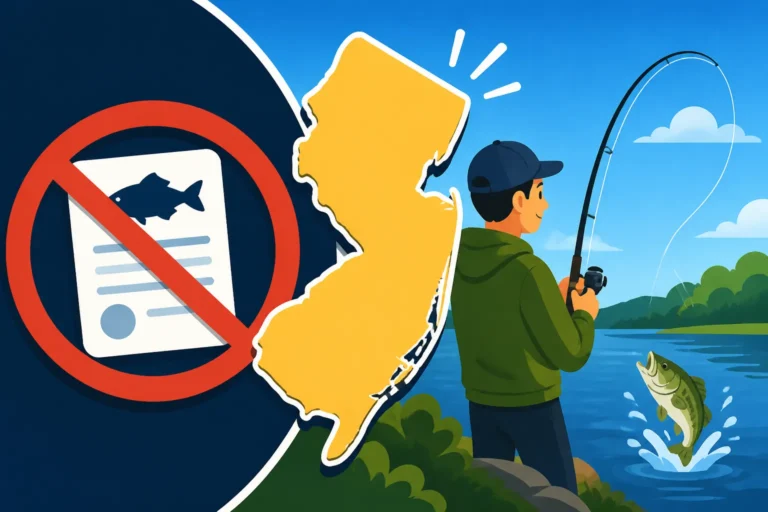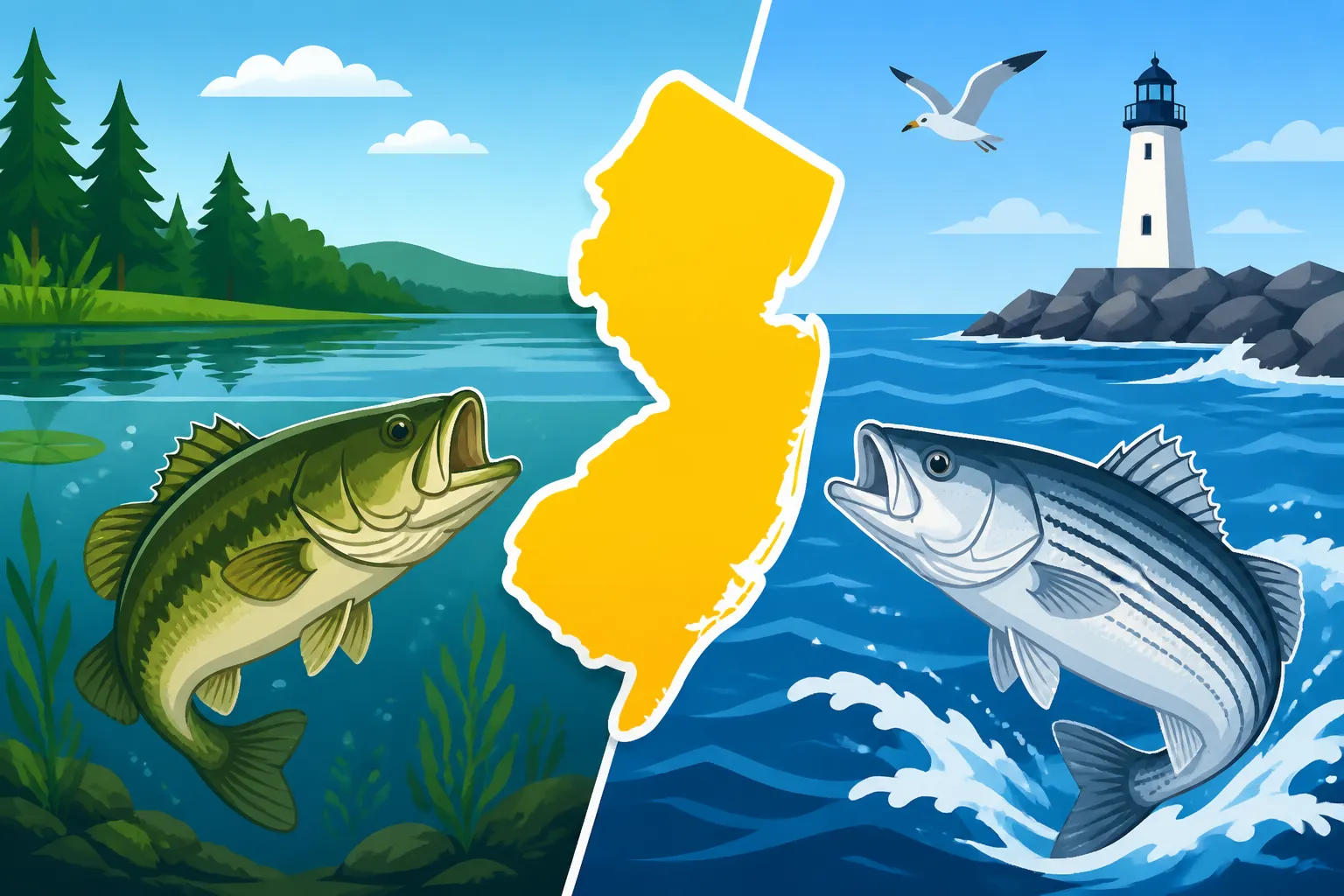
Freshwater vs Saltwater Fishing Rules in New Jersey
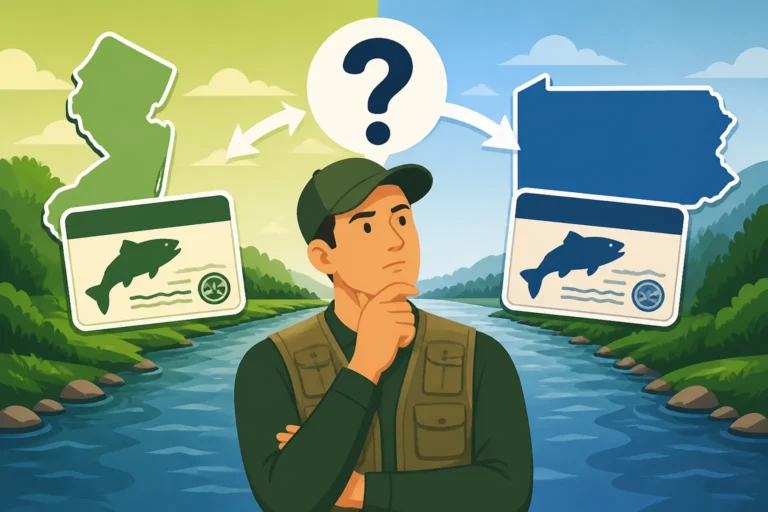
One of the biggest head-scratchers for anglers new to the Garden State, or even those just switching up their fishing spots, is the sheer difference in rules between casting a line in a freshwater lake versus dropping a bait in the ocean. It can feel like you need a law degree to understand what’s allowed, what’s required, and what could land you a hefty fine. This comprehensive guide is here to untangle the complexities, explaining the distinct regulations for freshwater and saltwater fishing in New Jersey so you can fish with confidence and peace of mind.
The Fundamental Divide: Why Two Sets of Rules?
It’s easy to get frustrated when you realize that the same piece of fishing equipment you use in a local pond might be insufficient or even illegal for a day on the bay. The reason for this bifurcation isn’t arbitrary; it stems from deep ecological and jurisdictional differences. New Jersey, with its diverse geography ranging from mountain lakes to a vast coastline, encompasses vastly different aquatic environments, each requiring tailored management strategies.
Different Ecosystems, Different Management Needs
Think about it: the tranquil, often slow-moving waters of a landlocked lake like Lake Hopatcong are a world away from the dynamic, tidal currents of Barnegat Bay or the raw power of the open Atlantic. These environments support entirely different fish species, each with unique life cycles, migratory patterns, and vulnerabilities. Freshwater ecosystems, for instance, often deal with species like largemouth bass, trout, and various panfish, which have specific spawning habits tied to seasonal water temperatures and river flows. These fish might be more susceptible to overfishing in smaller, confined areas if not carefully managed.
Saltwater environments, on the other hand, host migratory species like striped bass, fluke, and bluefish, which travel vast distances along the coast. Their populations are influenced by factors far beyond New Jersey's borders, including federal and even international fishing pressures. The reproductive cycles of marine species can also be vastly different, often involving large-scale offshore spawning events. Managing these distinct populations requires different approaches to ensure sustainability, prevent overharvesting, and protect critical habitats. This includes everything from gear restrictions to seasonal closures, all designed to safeguard the fish populations that call these varied waters home.
Who Makes the Rules? State vs. Federal Waters
The authority governing fishing regulations also plays a massive role in creating this freshwater-saltwater divide. For most freshwater bodies within New Jersey's borders – think your local lakes, ponds, and non-tidal rivers – the rules are primarily set and enforced by the New Jersey Department of Environmental Protection (NJDEP) through its Division of Fish and Wildlife. These are state-specific rules designed to manage New Jersey's inland resources.
However, once you venture into saltwater, things get a bit more complex. Nearshore waters, generally within three miles of the coastline, fall under New Jersey state jurisdiction. But many popular marine species are managed cooperatively by several states and federal agencies, like the Atlantic States Marine Fisheries Commission (ASMFC) and the Mid-Atlantic Fishery Management Council (MAFMC). When you head further offshore, beyond the three-mile state limit, you enter federal waters, where regulations are primarily set by the National Oceanic and Atmospheric Administration (NOAA) Fisheries, in conjunction with the regional councils. This multi-layered governance means that a single species, like striped bass, might have slightly different regulations depending on whether you're fishing in a back bay (state waters) or a few miles offshore (potentially federal waters, though striped bass are primarily state-managed). It’s a lot to keep straight, which is why understanding the basics of where you're fishing and who governs it is crucial.
Freshwater Fishing Regulations: What You Need to Know
Diving into freshwater fishing in New Jersey often feels a bit more straightforward, but there are still plenty of rules to follow. The key takeaway is that virtually all freshwater angling requires a specific license, and there are strict rules about what you can keep, when, and how.
Freshwater Licensing Requirements
This is perhaps the most fundamental difference: if you're 16 years of age or older and plan to fish in any freshwater lake, pond, or non-tidal river in New Jersey, you absolutely need a freshwater fishing license. There are very few exceptions to this rule. Unlike saltwater, where certain scenarios might grant exemptions or require a registration, freshwater almost universally demands a license. You can find detailed information in our comprehensive guide, "New Jersey Fishing License Guide for 2026".
The process for getting a license is relatively simple, usually done online through the NJDEP Fish and Wildlife website, or in person at a licensed agent like a bait and tackle shop or even some larger retailers such as Walmart. Make sure you understand the nuances of a New Jersey Resident Fishing License Requirements versus a New Jersey Nonresident Annual Fishing License Requirements, as the costs and eligibility criteria differ. Also, don't forget about specific additions like the New Jersey Trout Stamp Requirements Explained if you plan on targeting trout in designated waters. Missing this stamp, even with a valid license, can lead to fines. It's always best to have your license on your person, either a physical copy or a digital one on your phone, to present to a conservation officer if asked.
Common Freshwater Size and Bag Limits
Just like driving a car, there are rules of the road for what you can keep when fishing. These are known as "size limits" (the minimum or maximum length a fish must be to be kept) and "bag limits" (the number of fish of a certain species you can keep per day). These limits are in place to ensure fish populations remain healthy and sustainable for future generations.
For freshwater species, these limits vary wildly. For instance, largemouth and smallmouth bass often have minimum size limits and daily bag limits that can change depending on the specific water body or time of year. Panfish like sunfish, perch, and crappie typically have very generous or even no size limits, but still often have daily bag limits, sometimes quite high, reflecting their abundant populations. Trout, especially those in designated "Trophy Trout Lakes" or "Seasonal Trout Conservation Areas," will have highly specific regulations that might include slot limits or even catch-and-release only periods. These rules are usually published annually and are critical to review before your trip. A great place to start understanding these variations is by checking out "How Bag and Size Limits Work in New Jersey".
Specific Rules for Trout and Other Popular Species
New Jersey is a fantastic state for trout fishing, thanks to an extensive stocking program and some beautiful wild trout streams. However, with this popularity comes a unique set of rules. The New Jersey Trout Season Preseason Closure Explained is a prime example: many rivers and streams are closed to all fishing for a period leading up to opening day, and even on opening day, specific gear restrictions (like single hooks or artificial lures only) might apply to certain waters. Anglers targeting trout in these waters must possess a valid trout stamp in addition to their regular fishing license.
Beyond trout, other popular freshwater species like walleye, muskellunge, and northern pike also have specific regulations that often include more restrictive size and bag limits due to their slower growth rates and more vulnerable populations. For example, walleye might have a 15-inch minimum size and a 5-fish daily bag limit, while a trophy species like muskellunge could have a much higher minimum size (e.g., 36 or 40 inches) and a bag limit of just one fish per day. Always consult the most current "New Jersey Freshwater Fishing Regulations Every Angler Should Know" to avoid any misunderstandings. These details are frequently updated, so don't rely on last year's knowledge!
Navigating Saltwater Fishing Regulations
Switching gears to saltwater fishing introduces a whole new layer of complexity, primarily due to the migratory nature of many marine species and the shared management responsibilities between state and federal agencies. The biggest initial hurdle for many is understanding the mandatory registration system.
The New Jersey Saltwater Registry: A Key Difference
Unlike freshwater, where a single license covers most scenarios, saltwater angling in New Jersey introduces the concept of the "Saltwater Recreational Registry Program." If you are a recreational saltwater angler and you are not fishing from a licensed for-hire vessel (like a party boat or charter, which often cover their passengers), you must register with the state. This is crucial even if you're just fishing from a dock, a jetty, the beach, or your own private boat. The good news is that The New Jersey Saltwater Registry Is Free to Join, but it is absolutely mandatory.
Many anglers find this confusing because they might think a freshwater license covers them everywhere. It doesn't. And conversely, if you only fish saltwater, you only need the registry, not a freshwater license. The registry helps the state and federal government collect vital data on angler participation and catch rates, which is essential for managing fish stocks. You can easily register online through the NJDEP Fish and Wildlife website, or by visiting a local bait and tackle shop. Remember, carrying proof of your registration, just like your freshwater license, is important in case a conservation officer performs a check. You can learn more about "New Jersey Saltwater Registry Program Requirements".
Understanding Marine Species Limits and Seasons
Saltwater species often have much more dynamic and frequently changing regulations compared to their freshwater counterparts. This is because many marine species are migratory, moving up and down the coast with the seasons, and their populations are influenced by fishing pressure across multiple states. As a result, size limits, bag limits, and even open seasons can be adjusted by regulators mid-season based on stock assessments and conservation needs.
For example, popular species like summer flounder (fluke), striped bass, and black sea bass often have very specific slot limits, minimum sizes, and daily bag limits that anglers must adhere to. The New Jersey Striped Bass Slot Limit Explained details how these limits are structured to protect certain age classes of fish. Fluke might have an 18-inch minimum size with a daily bag limit of three fish, but these numbers can shift from year to year, or even within the same year if emergency regulations are enacted. The New Jersey Fluke Size and Bag Limits Explained is a good resource for this. Additionally, some species, like tautog (blackfish), have highly restrictive seasons and bag limits, often tied to specific periods when they are less vulnerable. It's not uncommon for recreational anglers to face closures for certain species during key spawning periods. This is why consulting the most current "New Jersey Fishing Season Dates and Closures" is absolutely paramount before every saltwater trip.
Federal Waters and Highly Migratory Species
When you venture beyond New Jersey's three-mile state waters limit into federal waters, the rules can change yet again. While many popular inshore species are primarily managed by the state, some groundfish, offshore pelagics, and highly migratory species like tuna, swordfish, and some shark species fall predominantly under federal regulations. For these species, anglers might need additional permits (especially if fishing for certain sharks or tuna), and the size and bag limits can be incredibly strict.
Even for species that are typically state-managed, federal rules can sometimes pre-empt or influence state regulations, particularly for highly depleted stocks. This constant interplay means that staying informed isn't just a suggestion; it's a necessity. If you're planning a trip targeting offshore species, you'll need to consult federal guidelines in addition to state ones. Many deep-sea charter boats are well-versed in these rules, but if you're venturing out on your own vessel, the responsibility falls squarely on your shoulders.
Overlapping Waters and Confusing Scenarios
This is where many anglers scratch their heads: what happens when freshwater meets saltwater? New Jersey has numerous tidal rivers and estuaries that blur the lines, making it tricky to know which set of rules applies. It's a common frustration, but with a bit of local knowledge, it's manageable.
Tidal Rivers and Estuaries: Where Rules Converge
New Jersey is blessed with many tidal rivers and brackish estuaries where fresh river water mixes with salty ocean tides. Think of places like the Mullica River, the Great Egg Harbor River, or even the lower stretches of the Raritan River. In these unique zones, you might encounter both freshwater species (like bass, pickerel, and catfish) and saltwater species (like striped bass, white perch, and even fluke) living side-by-side. This creates a regulatory gray area that can be confusing.
Generally, the rule of thumb is this: if you're fishing in waters that are considered "tidal" (meaning they experience the rise and fall of the ocean tide, even if the water itself is mostly fresh), you will likely need to comply with saltwater regulations, which means having your free New Jersey Saltwater Registry Program Requirements. However, if you're targeting freshwater species exclusively and are in an area clearly defined as freshwater by the state, a freshwater license is required, and a trout stamp if appropriate. It's the "exclusive" part that can be tricky. Many experienced anglers fishing these transition zones will hold both a freshwater license and be registered for saltwater, just to be safe. It's the simplest way to avoid any potential issues, regardless of what bites your hook.
Practical Examples: Fishing the Delaware and Raritan Rivers
Let's look at a couple of real-world examples to highlight this complexity.
The Delaware River: This mighty river forms a significant portion of New Jersey's western border. Upstream, in the non-tidal sections, it's definitively a freshwater fishery, famous for smallmouth bass, trout, and shad runs. Here, a New Jersey freshwater fishing license is required. However, as you move downstream, particularly below the Trenton area, the river becomes tidal. In this tidal section, you might still catch freshwater species, but you're also likely to encounter striped bass and white perch that move up and down with the tides. If you're fishing this tidal portion, you'll need to comply with the saltwater registry. There are also specific interstate agreements for fishing the Delaware, so knowing Fishing License Reciprocity Between New Jersey and Neighboring States is key here.
The Raritan River: The Raritan is another excellent example. Its upper reaches are classic freshwater habitat, home to excellent trout and smallmouth bass fishing, requiring a freshwater license and potentially a trout stamp. As it flows towards Raritan Bay, it transforms into a significant tidal estuary. In the tidal portions, especially during the spring and fall migrations, striped bass are abundant, and you might also find bluefish and other saltwater species pushing upriver. If you're casting a line in these tidal waters, you'll need to be registered for saltwater. It’s not uncommon to see anglers targeting striped bass with bait in areas that, to the untrained eye, look purely freshwater. Always err on the side of caution in these transition zones.
Here's a quick comparison table to help visualize the core differences:
| Feature | Freshwater Fishing in New Jersey | Saltwater Fishing in New Jersey |
|---|---|---|
| Primary Requirement | Annual Fishing License (Age 16+) | Saltwater Recreational Registry (Free, Mandatory) |
| Additional Requirements | Trout Stamp (for designated trout waters) | Federal Permits (for certain offshore species, e.g., tuna) |
| Governing Authority | NJDEP Fish & Wildlife (State) | NJDEP Fish & Wildlife (Nearshore) & Federal Agencies (Offshore, Highly Migratory Species) |
| Typical Species | Largemouth Bass, Trout, Pickerel, Catfish, Panfish | Striped Bass, Fluke, Bluefish, Tautog, Sea Bass, Tuna |
| Regulation Changes | Annual, fairly stable | Frequent, can change mid-season, cooperative management |
| Where to Purchase/Register | Online, License Agents (e.g., bait shops, Walmart) | Online, select agents, sometimes automatic with licensed charter trips |
Gear, Techniques, and Ethical Considerations
Beyond the legalities, the practical aspects of freshwater and saltwater fishing also diverge significantly, influencing the gear you buy and the way you approach the sport.
Differences in Tackle and Approach
The harsh, corrosive environment of saltwater means your gear needs to be built to withstand it. Saltwater rods and reels are generally heavier, more robust, and made from corrosion-resistant materials. Braided line is popular for its strength and sensitivity, and terminal tackle (hooks, swivels, sinkers) must also be saltwater-grade. A 7-foot medium-heavy spinning rod paired with a corrosion-resistant reel spooled with 20-30 lb braided line is a common setup for general inshore saltwater fishing. For baits, you're often dealing with live or cut bunker, clams, or various jigs and lures designed to mimic baitfish like spearing or peanut bunker. If you're looking for durable gear, check out the fishing sections on Amazon for some great starter combos that can handle the salty abuse.
Freshwater fishing, while still requiring durable gear, typically involves lighter tackle. A 6-7 foot medium-light to medium action rod with a smaller spinning reel spooled with 6-10 lb monofilament or fluorocarbon is perfect for targeting bass, trout, or panfish. Baits often include worms, minnows, corn, powerbait, or a vast array of artificial lures like soft plastics, crankbaits, and spinners. The finesse required for some freshwater species, especially in clear lakes like Round Valley Reservoir, contrasts sharply with the brute force often needed to land a big striped bass in a strong current. Even the types of knots you use might vary based on the specific application, though some universal knots like the Palomar are fantastic in both worlds.
Conservation and Responsible Angling in Both Environments
Despite their differences, the ethical responsibilities of anglers remain constant across both freshwater and saltwater domains. The core principle is conservation. This means adhering strictly to all size and bag limits, even if you feel you could keep more. It means practicing proper catch-and-release techniques for fish you don't intend to keep, minimizing stress and injury to ensure their survival. Using appropriate tackle, like circle hooks when bait fishing for striped bass, is also a part of responsible angling that is now often mandated by law.
Beyond the fish themselves, responsible angling also extends to protecting the environment. This means leaving no trace behind—packing out all your trash, including discarded fishing line, which can be deadly to wildlife. It also means respecting private property and public access points, and being mindful of other anglers. Whether you're enjoying a peaceful day on a small freshwater pond or battling the waves on the Jersey Shore, your actions impact the health of our fisheries and the enjoyment of others. Learning about "New Jersey Catch and Release Rules" is a good starting point for understanding how to properly handle fish you intend to release.
Staying Informed: Your Best Defense Against Violations
Given the dynamic nature of fishing regulations, especially in saltwater, the single most important tool in an angler's arsenal is up-to-date information. Ignorance of the law is never an excuse, and fines for violations can be significant.
Essential Resources for Current Regulations
The absolute best resource for current New Jersey fishing regulations is the official NJDEP Division of Fish and Wildlife website. They publish an annual "Fish and Wildlife Digest" that covers both freshwater and saltwater rules. This digest is your bible, detailing all license requirements, seasons, size limits, and bag limits for various species. You can usually find a digital copy on their website, and many bait and tackle shops distribute free printed copies. We highly recommend keeping a copy, digital or physical, with you when you fish. Our guide, "Reading the New Jersey Fish and Wildlife Digest", offers tips on navigating this essential document.
Beyond the annual digest, it's crucial to check for emergency rule changes, especially for saltwater species. These are often announced through press releases on the NJDEP website, social media channels, or through fishing forums and local tackle shop newsletters. Staying connected to these channels can save you a lot of grief. Another great resource for local conditions and potential regulation updates is your local bait and tackle shop. These folks are on the water constantly and usually have the most current information. They can also recommend the best local spots and tell you what's biting.
The Importance of Checking Before You Go
It cannot be stressed enough: always check the regulations just before you head out on your fishing trip. What was legal last week might not be legal today, particularly with species subject to federal management where quotas can be met quickly, leading to sudden closures. This is especially true for popular species like fluke, black sea bass, and even striped bass. Imagine spending all that money on bait, fuel, and perhaps a new rod and reel from Amazon, only to find out you can't keep any of the fish you catch because the season closed that morning. It’s a gut punch no angler wants to experience.
A quick check of the NJDEP website, a call to a local bait shop, or even a glance at a fishing app can save you from a potential fine and the disappointment of illegally harvesting fish. Remember that conservation officers are out there, and they are doing their job to protect our natural resources. Being compliant helps them, helps the fish, and ultimately helps you enjoy more fruitful and stress-free fishing trips in the beautiful waters of New Jersey.
Disclaimer
Please note that fishing regulations are subject to change at any time. While this guide provides a comprehensive overview, it is essential for all anglers to consult the most current official New Jersey Department of Environmental Protection (NJDEP) Division of Fish and Wildlife regulations prior to any fishing activity. This article is for informational purposes only and does not constitute legal advice.