Why Are New Jersey Rivers and Streams Closed Before Opening Day?
It’s a familiar sight for any New Jersey angler eagerly awaiting trout season: those "Designated Trout Production Waters" signs popping up, followed by the news that many of our favorite rivers and streams are suddenly closed to all fishing. This can be incredibly frustrating, especially when the weather starts to break, and you're just itching to get a line in the water. But there's a very good reason behind these closures, and understanding them can actually make you a better, more prepared angler. This guide will explain exactly why these preseason closures happen, what they mean for you, and how to navigate them effectively.
The Purpose Behind the New Jersey Preseason Closure
The New Jersey Division of Fish and Wildlife doesn't close off sections of our beautiful waterways just to be difficult. These closures, particularly before the much-anticipated trout season opener, are a critical part of their robust trout management program, ensuring a fair and sustainable fishing experience for everyone. It’s all about protecting the fish and maximizing angler success once opening day finally arrives.
Protecting Newly Stocked Trout and Ensuring Fair Distribution
Imagine the chaos if the state stocked thousands of eager trout into a river, and anglers were immediately allowed to fish for them. These newly introduced fish are often a bit disoriented and stressed from their journey from the hatchery. They’re essentially sitting ducks, making them incredibly vulnerable. Without a closure, a few well-informed or lucky anglers could decimate a stretch of river in a matter of hours, leaving little to no fish for others who might arrive a day or two later.
The preseason closure gives these trout a crucial buffer. It allows them time to disperse throughout the designated sections of the rivers and streams, settle into their new environment, and begin feeding naturally. This dispersal means that when the season does open, fish aren't concentrated in just a few easily accessible spots. Instead, they're spread out, offering a much more equitable opportunity for all anglers to catch them. The goal is to provide a "put-and-take" fishery that offers exciting opportunities for a large number of participants, and proper distribution of stocked fish is paramount to achieving that. Without this period, the intense fishing pressure would lead to an immediate and rapid depletion of the freshly stocked trout, ruining the experience for the vast majority of anglers.
Allowing Trout to Acclimate and Reducing Stress
Trout, especially those raised in a hatchery, undergo a significant change when they are released into a wild river or stream. The water temperature might be different, the currents are unfamiliar, and the availability of natural food sources is new. This transition period is vital for their survival and for the quality of the fishing experience. If anglers were allowed to fish immediately, the added stress of hooks, lines, and human presence could lead to higher mortality rates among the stocked fish.
The closure period acts as a sort of "decompression chamber" for these trout. They get to adjust to the natural flow, find hiding spots, and start foraging for insects and other aquatic life without constant disturbance. This acclimation reduces their stress levels, making them healthier and more active when the season opens. Healthier, less stressed fish are generally more feisty and offer a better fight, enhancing the overall quality of the catch. It’s a win-win: the fish have a better chance of thriving, and anglers get to test their skills against more resilient fish. This brief respite also allows the natural environment to settle, preventing premature compaction of stream banks and minimizing early season litter that can accumulate with heavy, unregulated traffic.
Creating a Unified and Celebrated Opening Day Experience
Let's be honest, there's a certain magic to opening day of trout season in New Jersey. It's a tradition for countless families and friends, a ritual that marks the true arrival of spring. The preseason closure builds anticipation, creating a sense of shared excitement and community around this annual event. Without a specific opening day, the rollout of trout fishing would be staggered, less celebrated, and perhaps even lead to confusion about when and where one could legally fish.
By having a defined period of closure followed by a grand opening, the New Jersey Division of Fish and Wildlife fosters a unique atmosphere. People plan trips, gather their gear, and look forward to that one special Saturday in April. It’s a cultural touchstone for many, bringing people together at the water's edge. Imagine a morning where hundreds of anglers, young and old, line the banks of the Pequest River or the Musconetcong, all sharing the thrill of the first cast. This collective experience is part of what makes trout fishing in New Jersey so cherished, and the preseason closure is an integral part of preserving that tradition. You can find more details about this special day in our guide on New Jersey Trout Season Dates and Closures.
What Waters Are Affected and When the Closures Occur
Understanding exactly which waters are subject to these closures, and for how long, is crucial for any angler planning their early spring outings. It’s not a blanket closure across all freshwater bodies, and knowing the specifics can help you avoid disappointment – or worse, a citation.
Designated Trout Production Waters Are the Focus
The preseason closure primarily applies to what the state designates as "Trout Production Waters." These are specific streams, rivers, and certain lakes that are actively stocked with trout by the New Jersey Division of Fish and Wildlife. These waters are chosen because they can support trout populations, at least for a portion of the year, due to suitable water temperatures and habitat. The goal is to maximize the success of the stocking program.
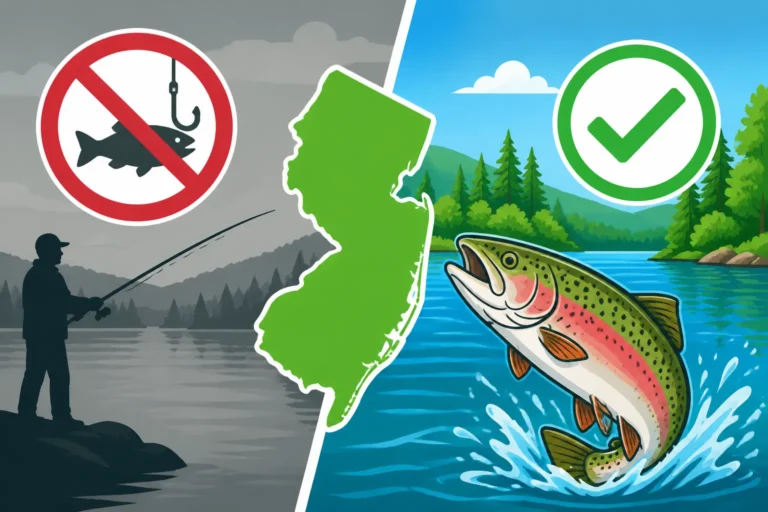
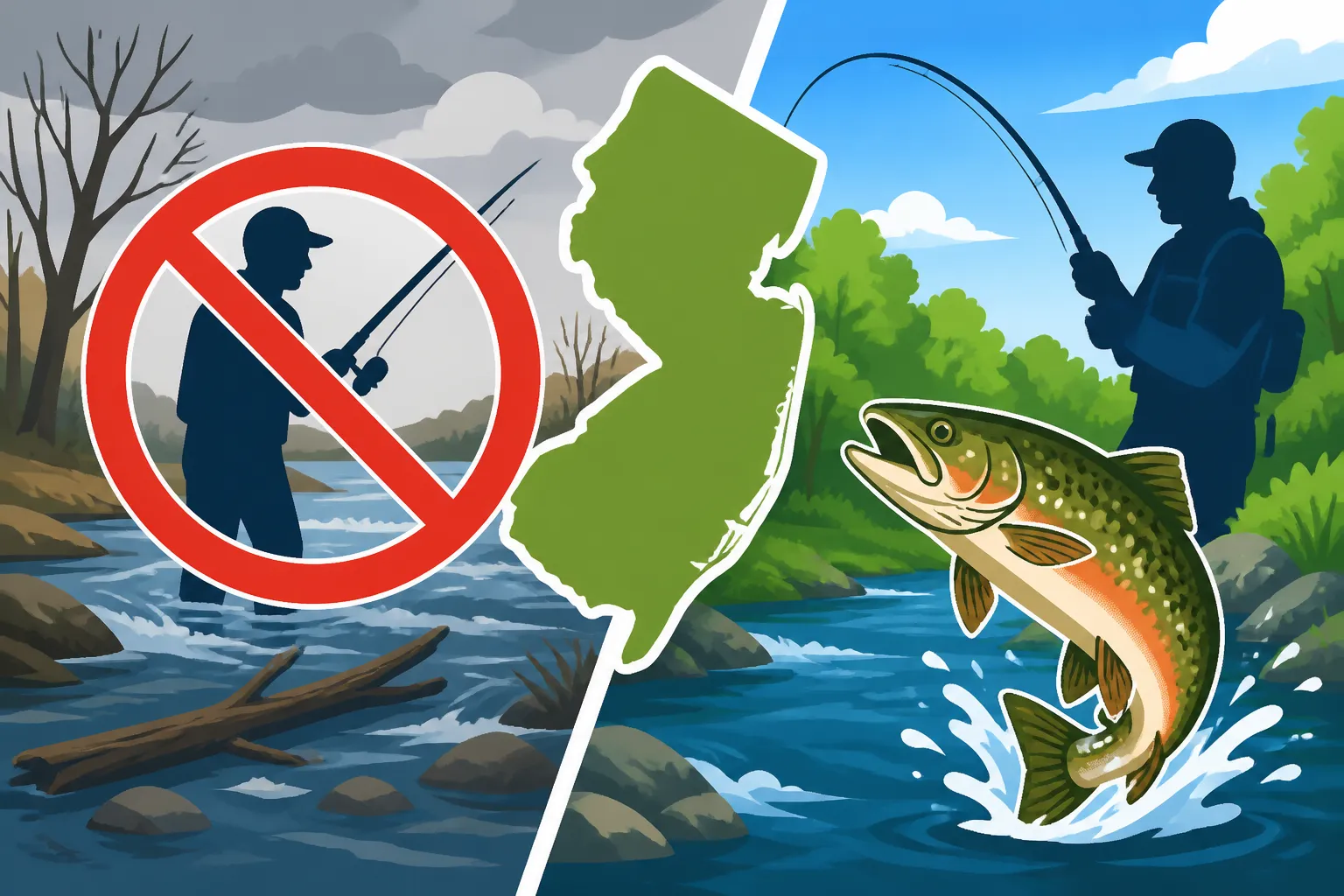
Typically, these waters are closed to all fishing from a specific date in mid-March until 8:00 AM on the official opening day of trout season, which usually falls on the first Saturday in April. For example, if trout season opens on April 6th, the preseason closure might begin around March 18th. During this period, you cannot fish in these designated waters at all, not even for other species like bass or panfish. It's a complete shutdown to allow the trout to be stocked and acclimate without disturbance. You'll often see signs posted along these waterways indicating the closure, but it's always best to consult the official regulations. Our article on New Jersey Trout Season Preseason Closure Explained dives deeper into these specific dates and nuances.
Waters That Remain Open During the Preseason Period
While many prime trout streams are closed, it’s important to remember that not all freshwater bodies in New Jersey are off-limits. Many lakes, ponds, and even some rivers that are not designated as Trout Production Waters remain open to fishing year-round. These typically include lakes that are not stocked for trout, or larger river systems where trout stocking is not the primary management strategy.
For instance, many of New Jersey's larger lakes and reservoirs, such as Lake Hopatcong, Greenwood Lake, or Assunpink Lake, are generally open for species like largemouth bass, pickerel, crappie, and catfish throughout this period. This offers a fantastic opportunity for anglers to pursue warm-water species when trout streams are closed. Furthermore, some lakes that do receive trout stockings but are classified differently (like some "Trophy Trout Lakes" or "Holdover Trout Lakes") might have different rules, sometimes allowing fishing but with specific restrictions. Always double-check the current Fish and Wildlife Digest, but generally, our guide on Trout Stocked Lakes Stay Open During New Jersey's Preseason Closure can give you a good idea of where you can still wet a line. This distinction is vital, as it means you don't have to put your rods away entirely during the preseason.
Implications for Anglers and Enforcement of Rules
The preseason closure, while serving a vital ecological and recreational purpose, comes with specific rules and enforcement measures that every angler in New Jersey needs to be aware of. Ignorance of the law is never an excuse, especially when it comes to fishing regulations.
Understanding the Rules and Checking the Digest
The single most important tool for any angler in New Jersey is the annual New Jersey Fish and Wildlife Digest. This comprehensive guide outlines all the regulations, season dates, bag limits, and specific closures for every species and body of water in the state. Relying on old information or hearsay is a surefire way to run into trouble.
It's your responsibility as an angler to procure and read the current year's digest. You can usually pick up a free physical copy at most bait and tackle shops, sporting goods stores like Dick's Sporting Goods, or Division of Fish and Wildlife offices. Many anglers also find it convenient to download the digital version from the official state website, keeping it handy on their phone or tablet. Some even purchase laminated copies from retailers like Amazon for extra durability in the field. This digest explicitly lists all designated Trout Production Waters that are subject to the preseason closure, along with the precise dates. Make it a ritual to review it before hitting the water, especially at the start of any new season. Our guide on Reading the New Jersey Fish and Wildlife Digest offers practical tips on how to navigate this essential publication effectively.
Penalties for Violating Preseason Closure Rules
Fishing in a closed "Designated Trout Production Water" during the preseason closure is a direct violation of New Jersey's fishing regulations, and the consequences can be significant. The New Jersey Conservation Police are highly active, especially during key periods like the preseason, ensuring compliance and protecting the state's natural resources. They patrol these waters, and if you are caught, you will face penalties.
Penalties for fishing without a license, or fishing in a closed water, can include substantial fines, forfeiture of your fishing equipment (your rod, reel, and tackle), and even suspension of your fishing privileges. These aren't minor slaps on the wrist; they are designed to deter illegal activity and protect the integrity of the state's fisheries. For example, a first offense could result in fines reaching hundreds of dollars, plus court costs. Repeated offenses can lead to even harsher penalties, including being barred from obtaining a fishing license in New Jersey for an extended period. It’s simply not worth the risk. Make sure you understand What Happens If You Get Caught Fishing Without a License in New Jersey? as these penalties often overlap with fishing in closed waters. Always carry your valid fishing license and any required stamps, and be prepared for potential checks by the New Jersey Conservation Police and License Checks.
Making the Most of the Preseason Period
Just because many trout streams are temporarily off-limits doesn't mean you have to hang up your waders and lament the passing weeks. Savvy anglers know that the preseason closure offers a fantastic opportunity to prepare, plan, and even explore other fishing avenues. It's a time for anticipation, not idleness!
Scouting Locations and Organizing Your Gear
The weeks leading up to opening day are prime time for scouting. Since you can't actually fish the designated trout waters, use this time for reconnaissance. Drive or walk along your favorite streams and rivers. Pay attention to water levels and clarity, identify potential access points, note any new fallen trees or changes in the stream bed, and look for deeper pools or faster riffles where trout might hold once stocked. This firsthand knowledge can give you a significant advantage on opening day. You'll know exactly where to go, how to approach a spot, and what conditions to expect, saving you precious fishing time. Just remember to be respectful of private property and observe any "no trespassing" signs.
This is also the perfect time to give all your fishing gear a thorough inspection and organization. Untangle old lines, sharpen hooks, clean your reels, and check your waders for leaks. Replenish your tackle box with fresh bait, new leaders, and any specific lures you plan to use for trout. You might even use the downtime to browse Amazon for that new spinning reel you've been eyeing or restock on your favorite PowerBait or Berkley Gulp! trout lures. Getting all your gear in tip-top shape now means you won't be scrambling on the eve of opening day, leaving you free to enjoy the excitement. Considering the variety of New Jersey Trout Fishing Techniques available, having your gear ready for different approaches is a smart move.
Exploring Alternative Fisheries and Other Species
While the focus might be on trout, New Jersey offers a fantastic diversity of fishing opportunities that remain wide open during the preseason closure. Don't limit yourself! This is an excellent chance to explore other freshwater lakes and ponds that aren't subject to the trout closure. You could target panfish like crappie or bluegill, chase largemouth bass in warmer ponds, or even try for pickerel in weedy areas. Many of these lakes offer excellent fishing, and you might discover a new favorite spot. Our guide to New Jersey's Best Freshwater Lakes for Fishing can provide some inspiration.
If freshwater isn't cutting it, consider venturing to the saltwater bays and inlets along the Jersey Shore. While some species may still be migrating, you can often find early season striped bass, winter flounder, or even some eager bottom fish. Just remember that saltwater fishing often requires a separate registration with the state through the New Jersey Saltwater Registry Explained program, even if it's free. Expanding your horizons during the preseason not only keeps your skills sharp but also deepens your appreciation for the rich fishing tapestry New Jersey has to offer. Plus, you can find a vast selection of saltwater specific lures and gear on Amazon, from bucktails to surf fishing rigs, to get you ready for these alternative adventures.
Participating in Free Fishing Days
New Jersey occasionally offers "Free Fishing Days" where residents and non-residents can fish freshwater without needing a license. While these often occur a bit later in the spring or in the fall, it’s worth checking the New Jersey Fish and Wildlife website for updated schedules. If one of these days happens to fall during the very end of the preseason closure, it could offer a unique opportunity, although usually the designated trout waters would still be closed until the official opening day.
These free days are primarily designed to encourage new anglers and families to try fishing without the initial investment of a license. However, even on free fishing days, all other regulations, including length limits, bag limits, and specific closures for certain waters (like our preseason trout streams), still apply. It's a great chance to introduce a friend or family member to the sport in an open, non-trout-stocked lake or pond. Keep an eye on our article about New Jersey Free Fishing Days Explained for the latest dates and details. Even then, an angler would still need to follow the specific rules for Freshwater Fishing Regulations Every Angler Should Know.
Table: Preseason Closure Quick Reference
| Feature | Designated Trout Production Waters (Preseason) | Other Freshwater Bodies (Open) |
|---|---|---|
| Fishing Status | Closed to all fishing | Open for legal species (check specific rules) |
| Typical Dates | Mid-March until 8:00 AM on Trout Opening Day | Year-round |
| Purpose | Stocking, acclimation, fair chase for trout | General recreational fishing |
| Species Targeted | None during closure; trout after opening day | Bass, crappie, perch, catfish, pickerel, etc. |
| Example Waters | Sections of Pequest River, Musconetcong River, Flat Brook | Lake Hopatcong, Assunpink Lake, most municipal ponds |
| Enforcement | Strict penalties for violation | Standard regulations apply; license required (unless Free Fishing Day) |
| Resource | NJ Fish & Wildlife Digest | NJ Fish & Wildlife Digest |
Disclaimer
The information provided in this guide is for general informational purposes only and is not intended as legal advice. Fishing regulations in New Jersey can change frequently. Always consult the most current New Jersey Fish and Wildlife Digest or visit their official website for the most up-to-date and accurate regulations before engaging in any fishing activity.