New Jersey Trout Conservation Stamp Explained
Ever felt like you've finally got a handle on your New Jersey fishing license, only for another specific requirement, like a "trout stamp," to pop up and throw a wrench in your plans? It’s a common frustration, trying to keep track of all the rules and ensuring you're fishing legally and responsibly. This comprehensive guide is designed to cut through the confusion surrounding the New Jersey Trout Conservation Stamp, breaking down exactly what it is, who needs one, and how your small contribution plays a monumental role in the health of our beloved trout fisheries.
The Heart of the Matter: What is the New Jersey Trout Conservation Stamp?
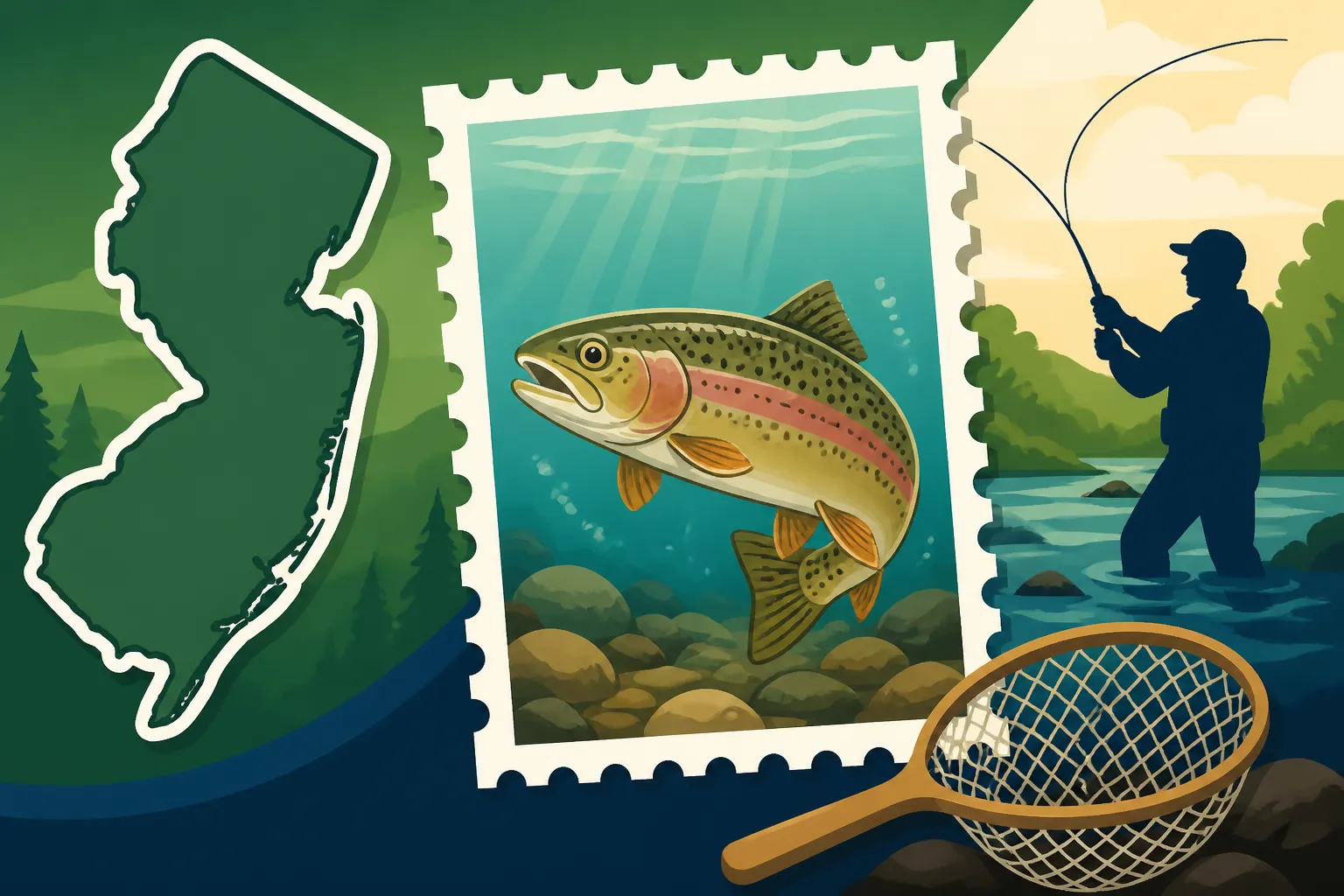
Let's get right to it. The New Jersey Trout Conservation Stamp isn't just another piece of paper; it's a dedicated fund for sustaining and enhancing trout fishing opportunities across the state. Think of it as a direct investment from anglers into the future of their sport. Unlike your general New Jersey Fishing License Guide for 2026, which covers all freshwater species, the trout stamp specifically targets the unique needs of trout management.
Historically, New Jersey has a robust trout stocking program, placing hundreds of thousands of trout into rivers, streams, and lakes annually. These efforts require significant resources, from hatchery operations and fish food to transportation and scientific monitoring. The funds generated directly from the sale of trout stamps are exclusively earmarked for these vital programs. It's a way for trout enthusiasts to contribute directly to the maintenance of healthy trout populations, ensuring that future generations can enjoy the same thrilling experiences on the water.
Why This Special Stamp Exists
The existence of a separate trout stamp stems from the distinct and intensive management required for trout fisheries. Unlike some other species that might thrive with minimal intervention, New Jersey's trout program heavily relies on stocking to provide ample opportunities for anglers, especially in waters that can't support robust natural reproduction throughout the year. The funds collected from the sale of these stamps cover critical aspects such as:
- Trout Stocking Programs: This is perhaps the most visible use of the funds. Every spring and fall, the New Jersey Division of Fish and Wildlife actively stocks numerous waterways with rainbow, brown, and brook trout. These stockings create exciting fishing prospects across the state, from the northern mountains to the central plains. Without the stamp, the sheer volume and consistency of these stockings would be impossible to maintain.
- Habitat Restoration and Preservation: It's not just about putting fish in the water; it's about making sure that water is a healthy place for them to live. Trout require cold, clean, oxygenated water, and stamp funds help support projects aimed at improving stream health, mitigating pollution, and preserving critical riparian zones. This could involve anything from planting trees along stream banks to prevent erosion and cool the water, to removing obstacles that hinder fish migration.
- Research and Management: Biologists continuously monitor trout populations, assess habitat quality, and study fish behavior to make informed management decisions. Trout stamp funds contribute to this scientific research, helping state agencies understand how to best manage the resource, adapt to environmental changes, and ensure sustainable fishing practices. For example, understanding Trout Survival Through Summer in New Jersey Lakes helps determine stocking strategies.
It’s about more than just buying a license; it’s about participating in a cycle of conservation. When you purchase a trout stamp, you're becoming an active partner in keeping New Jersey's trout fishing vibrant and accessible.
Do You Really Need a Trout Stamp? Navigating the Requirements
This is where many anglers get tripped up. The general rule is quite straightforward: if you are fishing for trout in any of New Jersey's freshwater bodies, you need a trout stamp. This isn't just for those actively targeting trout; it also applies if you are fishing in waters designated as "trout-stocked" or "trout production" waters, even if you're hoping to catch bass or panfish. The logic is that your presence and fishing activity in these sensitive areas contribute to the overall pressure on the trout resource.
The New Jersey Division of Fish and Wildlife is pretty clear on this, and it's something you'll want to check in the New Jersey Fish and Wildlife Digest each year, as regulations can sometimes shift. For instance, knowing the New Jersey Trout Season Preseason Closure Explained or understanding that Trout Stocked Lakes Stay Open During New Jersey's Preseason Closure are specific details that often intertwine with trout stamp requirements.
Specific Scenarios Where a Trout Stamp is Mandatory
Let's dive into some common situations where you absolutely need that trout stamp in your possession:
- Actively Targeting Trout: This is the most obvious one. If you're heading out with a fly rod, a spinning rod with PowerBait or worms, or any setup specifically designed to catch trout, you need the stamp. It doesn't matter if it's catch-and-release or if you plan to keep your legal limit; the act of fishing for trout triggers the requirement.
- Fishing in Designated Trout Waters: New Jersey designates specific waters as "Trout-Stocked Waters" or "Trout Production Waters." Even if you're casting for a bass or crappie in these locations, you must have a trout stamp. The idea is that these waters are managed primarily for trout, and any fishing activity there falls under the trout management umbrella. Always check the official trout stocking schedule and map before you go, as these designations are updated annually. A quick search on the NJDEP website, or even a good fishing map you might find on Amazon, can clarify if your chosen spot is a designated trout water.
- During Specific Trout Seasons: Certain periods, like the frenzied opening day of New Jersey Spring Trout Stocking Start Date, are undeniably trout-focused. If you plan to be out during these times, especially in stocked waters, the trout stamp is a non-negotiable item.
- No Age Exemptions for Trout Fishing, with Caveats: While Do Kids Need a Fishing License in New Jersey? clarifies that children under 16 don't need a general fishing license, the trout stamp rule can sometimes catch people by surprise. The general freshwater fishing license requirement for New Jersey kicks in at age 16. However, if a youth is fishing for trout in a designated trout water and falls within the age bracket that requires a trout stamp (usually 16 and older, but always double-check the current digest for any specific nuances), they'll need one. Similarly, while Do Seniors Need a Fishing License in New Jersey? details exemptions for older anglers, the trout stamp might still be required depending on their specific age and if they fall within certain categories. It's best to confirm this directly with NJ Fish & Wildlife or consult the latest digest for details on New Jersey Trout Stamp: Who Needs One.
Here's a simplified table to help you determine if you need a trout stamp:
| Scenario | General NJ Freshwater License Required? | NJ Trout Conservation Stamp Required? |
|---|---|---|
| Fishing for Bass in a non-trout lake | Yes (if 16-69 years old) | No |
| Fishing for Panfish in a non-trout stream | Yes (if 16-69 years old) | No |
| Fishing for Trout in a designated trout water | Yes (if 16-69 years old) | Yes |
| Fishing for Bass in a designated trout water | Yes (if 16-69 years old) | Yes |
| Fishing for Trout (catch & release) in a designated trout water | Yes (if 16-69 years old) | Yes |
| Angler under 16 years old fishing for trout | No (general license) | No (trout stamp) |
| Angler 70+ years old fishing for trout | No (general license) | No (trout stamp) |
Note: Always consult the current New Jersey Fish and Wildlife Digest for the most accurate and up-to-date regulations.
Getting Your Trout Stamp: Step-by-Step Guide and Where to Buy
Acquiring your New Jersey Trout Conservation Stamp is thankfully a pretty straightforward process, much like purchasing your general fishing license. You have a few convenient options, whether you prefer the digital route or a more traditional in-person transaction.
The most important thing to remember is that the trout stamp is an add-on to your general freshwater fishing license. You can't just buy a trout stamp; you must already possess or purchase a valid New Jersey freshwater fishing license first. This is crucial for record-keeping and ensuring that all anglers are properly accounted for in the state's system.
Purchasing Options for Your Convenience
New Jersey has made it fairly easy for anglers to get their licenses and stamps. Here are your primary avenues:
- Online Through the NJDEP Website: This is by far the most convenient option for many anglers, especially if you're a creature of habit and renew your licenses annually. The New Jersey Department of Environmental Protection (NJDEP) Division of Fish and Wildlife website offers a user-friendly portal where you can purchase or renew your fishing license and add the trout stamp in one seamless transaction. You'll need to create an account or log in if you're a returning user. Be prepared with your basic identification information and a credit card. Once purchased, you can often print a temporary copy immediately, and a physical copy might be mailed to you depending on your preference. It’s a great way to handle your New Jersey Fishing License Renewal Rules at the same time.
- Authorized Retailers: For those who prefer a more personal touch, or perhaps need some bait and tackle alongside their stamp, numerous authorized license agents across the state sell fishing licenses and stamps. These typically include:
- Local Bait and Tackle Shops: These are often the heart of the fishing community, where you can not only get your stamp but also chat with knowledgeable staff about local conditions or pick up some fresh bait.
- Sporting Goods Stores: Larger retailers specializing in outdoor gear will almost certainly be equipped to issue licenses and stamps. Think about places like Dick's Sporting Goods or other regional chains.
- Some Walmart Locations: Yes, even big box stores like Walmart sometimes serve as license agents. It’s always a good idea to call ahead to confirm if a specific location offers this service before making a special trip.
You can usually find a list of authorized agents on the NJDEP Fish and Wildlife website. When purchasing in person, make sure to bring a valid form of identification.
- Via Mail: While less common these days, some options for purchasing via mail might still exist, especially for specific categories or if the online system is temporarily unavailable. However, this is generally the slowest method, so it's not recommended if you need your stamp for an immediate fishing trip.
When you purchase your stamp, whether online or in person, remember to keep proof of purchase with you at all times while fishing. This could be a printed copy, a digital copy on your phone (ensure your phone is charged!), or the physical stamp itself. It’s essentially your "ticket" to fish for trout in New Jersey.
Cost and Validity: What to Expect
The cost of the New Jersey Trout Conservation Stamp is relatively modest, designed to be an accessible contribution for all trout anglers. As of the current regulations, the cost for a New Jersey Trout Stamp Cost for Residents and Nonresidents is uniform, typically around $10.00. This fee is in addition to your annual freshwater fishing license fee. So, if you're a resident buying an annual freshwater license and a trout stamp, your total cost will be the sum of both.
The validity period of your trout stamp aligns with your annual freshwater fishing license. Most New Jersey fishing licenses are valid from January 1st to December 31st of the year they are issued. So, if you purchase your license and stamp in March, they will both expire on December 31st of that same year. There typically isn't a pro-rated option, so it makes sense to purchase your stamp when you first plan to fish for trout during the year, or even at the same time you buy your main license. This avoids any confusion or last-minute scrambling when you're eager to hit the water. It’s important to understand How Long Is a New Jersey Fishing License Valid? as this directly impacts your stamp's validity.
Beyond the Purchase: How Your Trout Stamp Helps New Jersey's Fisheries
It's easy to see any additional fee as just another hurdle, another line item in the budget. But with the New Jersey Trout Conservation Stamp, that small investment really does translate into tangible benefits that directly impact your fishing experience and the health of the state's aquatic ecosystems. It’s not just a fee; it’s a commitment to robust, healthy trout fishing for everyone.
Think about the sheer volume of fish that are stocked each year. The New Jersey Division of Fish and Wildlife actively raises and releases hundreds of thousands of trout into over 180 lakes, ponds, and streams across all 21 counties. From the scenic Big Flatbrook in Sussex County to the popular Round Valley Reservoir (where you might need to know What New Jersey Fishing License Do You Need for Round Valley Reservoir?), these waters provide diverse angling opportunities.
Direct Impact on Trout Stocking and Species Diversity
The most direct and visible impact of your trout stamp purchase is the thriving stocking program. Imagine what our trout waters would be like without it. Many of New Jersey's streams and lakes, particularly in the warmer southern parts of the state, simply can't sustain naturally reproducing populations of trout year-round. The stamp ensures that these waters remain viable fishing destinations.
- Diverse Species for Anglers: The stocking program isn't just about one type of trout. New Jersey stocks a mix of species, including rainbow trout, brown trout, and brook trout, each offering unique challenges and characteristics. Anglers can learn about the differences between New Jersey Rainbow Trout vs Brown Trout vs Brook Trout and find their preferred target. This diversity keeps the fishing exciting and caters to various preferences.
- Seasonal Fishing Opportunities: The spring and fall stocking programs provide distinct fishing seasons. The New Jersey Spring Trout Stocking Start Date kicks off a flurry of activity, followed by continued stockings for several weeks, as detailed in How Many Weeks Does New Jersey Stock Trout After Opening Day?. The fall stocking then offers a second, often less crowded, opportunity for trout fishing. These structured seasons, supported by the stamp, ensure there are always fish to pursue.
- "Trophy Trout" Waters: Some waters are designated as "Trophy Trout Lakes," where larger trout are stocked, offering anglers the chance at a truly memorable catch. Understanding What Is a Trophy Trout Lake in New Jersey? can lead you to some incredible experiences, all funded by these conservation efforts.
Contributing to Broader Conservation Goals
Beyond just putting fish in the water, the trout stamp contributes to the broader ecological health of New Jersey's freshwater systems. Healthy trout populations are often indicators of healthy aquatic environments.
- Habitat Improvement Projects: Trout stamps help fund projects that improve water quality, stream bank stabilization, and in-stream habitat structures. These improvements benefit not only trout but also a myriad of other aquatic species and the overall biodiversity of our rivers and streams. This holistic approach ensures that the habitats themselves are sustainable, which is critical in a densely populated state like New Jersey.
- Public Access and Infrastructure: Maintaining access points, parking areas, and informational signage at popular trout fishing locations also requires funding. A portion of these funds can indirectly support the upkeep of these public amenities, making it easier and safer for everyone to enjoy New Jersey's natural resources. If you're looking for gear to make your fishing trips more comfortable, from waders to tackle boxes, you can often find a wide selection on Amazon, helping you prepare for your next outing.
- Educational Outreach: Part of conservation is educating the public. Funds can also support educational programs and materials that teach anglers about responsible fishing practices, conservation ethics, and the importance of preserving our natural heritage. This long-term investment in knowledge helps foster a community of anglers who understand and respect the ecosystems they enjoy.
In essence, the New Jersey Trout Conservation Stamp is more than a permit; it's a vital piece of the puzzle that ensures the longevity and quality of trout fishing in the Garden State. It empowers anglers to be direct participants in the conservation process, securing thriving trout fisheries for years to come.
Disclaimer
The information provided in this guide is for general informational purposes only and does not constitute legal advice. Fishing regulations in New Jersey can change annually. Always consult the official New Jersey Fish and Wildlife Digest or visit the New Jersey Department of Environmental Protection (NJDEP) Division of Fish and Wildlife website for the most current and accurate regulations before heading out to fish.