New Jersey State Park Ponds Stocked With Trout
The dream of catching a beautiful trout, whether it's for dinner or just the thrill of the fight, often feels out of reach if you don't own a fancy boat or have access to private waters. Many anglers, especially families, get frustrated trying to find accessible, well-stocked spots. But what if I told you that some of New Jersey's most productive and family-friendly trout fishing can be found right in our state park ponds? This guide is going to walk you through exactly which of these gems are regularly stocked with trout, why they're perfect for your next fishing trip, and how to make the most of your time there.
Why State Park Ponds Are a Trout Angler's Paradise in New Jersey
New Jersey is a surprisingly diverse state when it comes to fishing, offering everything from deep-sea adventures to quiet freshwater streams. But for many, especially those just starting out or looking for a relaxing day with the kids, the thought of navigating crowded rivers or investing in specialized gear for wild trout streams can be daunting. This is where our state park ponds really shine. They offer a unique blend of accessibility, consistent stocking, and a generally calmer environment that makes them ideal for a successful trout outing.
Easy Access for All Skill Levels
One of the biggest hurdles for new anglers or those with mobility challenges is finding fishing spots that are easily reachable from shore. Many of New Jersey's prime trout rivers, while beautiful, require significant wading, hiking, or specific casting techniques that aren't suitable for everyone. State park ponds, on the other hand, are often designed with public access in mind. You'll frequently find paved pathways, well-maintained grassy banks, and sometimes even fishing piers that make getting to the water's edge a breeze. This means you can bring the stroller, a cooler, and all your gear without breaking a sweat, ensuring everyone in the family, from toddlers to grandparents, can enjoy the experience.
Imagine pulling up to a designated parking area, grabbing your tackle box, and walking a short distance to a clear, calm pond. No bushwhacking, no steep embankments, just open space and easy casting. This kind of setup drastically reduces the barrier to entry for newcomers and allows seasoned anglers to simply focus on fishing, rather than the logistics of getting to the water. It’s the kind of stress-free environment that truly lets you unwind and connect with nature, even if you’re just a stone’s throw from a main road.
Reliable Stocking Programs
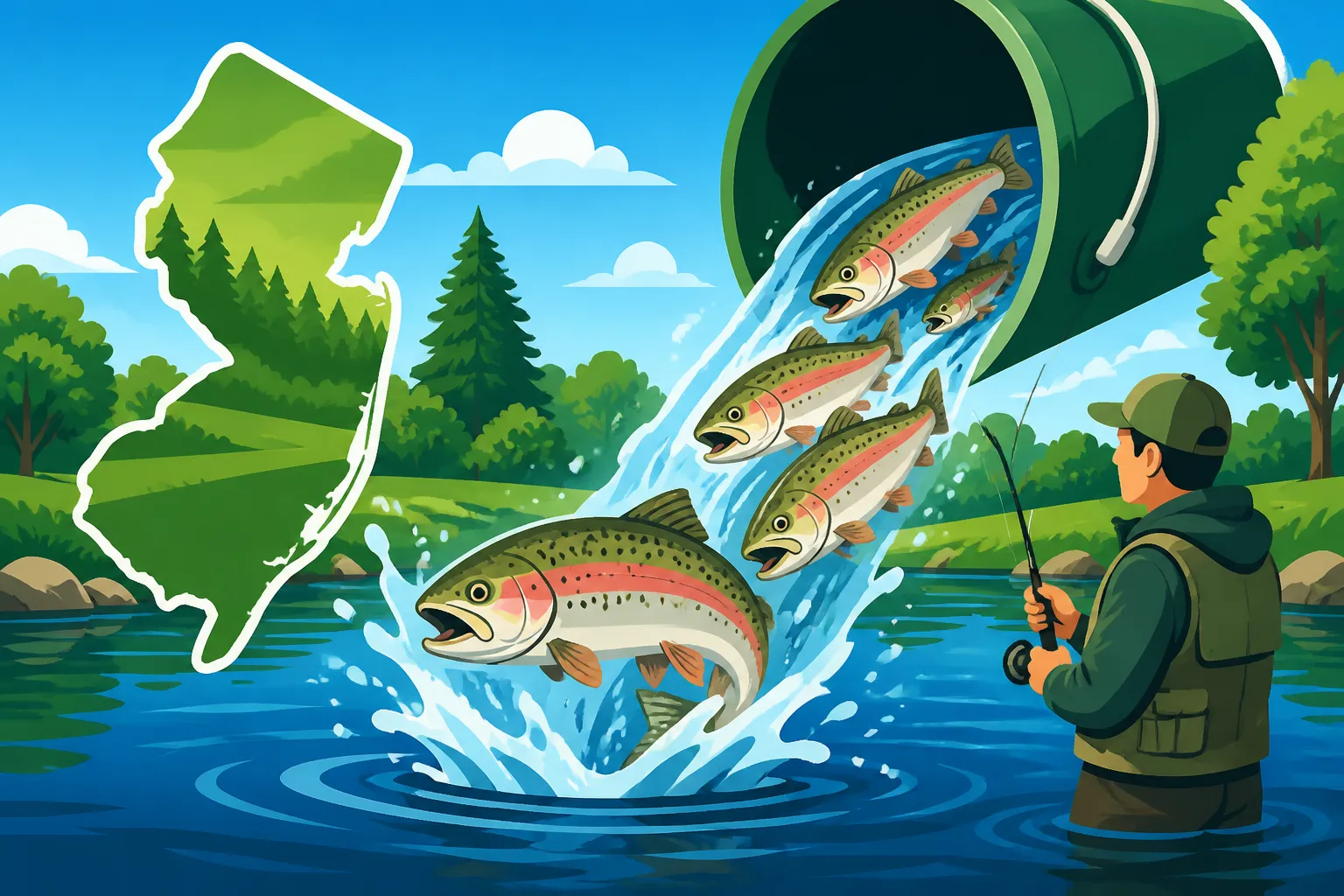
The New Jersey Division of Fish and Wildlife (NJDEP Fish & Wildlife) runs an incredible trout stocking program that benefits many of our state's waterways, and state park ponds are often high on that list. Unlike wild trout streams where populations can fluctuate based on natural spawning success and environmental factors, these stocked ponds offer a much higher chance of success. The state actively raises and releases thousands of rainbow, brown, and brook trout into these waters each spring and often again in the fall, specifically to create a put-and-take fishery for recreational anglers.
This consistent infusion of fresh fish means you're almost guaranteed to encounter trout, especially right after a stocking event. The NJDEP Fish & Wildlife even publishes a detailed trout stocking schedule online, allowing you to plan your trips strategically for the best possible action. Knowing that the state has recently put healthy, catchable trout into your chosen pond takes a lot of the guesswork out of fishing. It really boosts confidence, especially for kids who might get discouraged if the bites aren't coming frequently. It's a wonderful example of how New Jersey Trout Stamp Requirements Explained contribute to keeping our fisheries vibrant and accessible.
Perfect for Family Outings
Beyond the easy access and reliable fishing, state park ponds foster a fantastic environment for family time. These parks often have amenities like picnic tables, playgrounds, and restrooms, making a full day out entirely feasible. You can combine fishing with a hike, a bike ride, or simply relaxing by the water. The slower pace and contained nature of a pond often feel safer for younger children compared to fast-moving rivers or large, open lakes where boats might be present.
It's a chance to introduce the next generation to the joys of fishing without the pressures of a more intense fishing environment. Teaching a child to cast, bait a hook, and feel the tug of a fish on the line in a calm, supportive setting is priceless. Plus, because many of these ponds are stocked with smaller, eager-to-bite trout, kids often experience quick success, which hooks them on the sport for life. Remember, generally, Do Kids Need a Fishing License in New Jersey?, the answer is usually no for those under a certain age, making it even easier to get them involved.
Top New Jersey State Park Ponds Known for Trout Stocking
New Jersey boasts a remarkable number of state parks, and many of them feature ponds or small lakes that are part of the annual trout stocking program. While the exact list can vary slightly year to year based on conditions and stocking plans, some spots are perennial favorites and reliable destinations for trout anglers.
Northern New Jersey's Premier Trout Ponds
Up in the northern reaches of the state, amidst the hills and forests, you'll find several excellent trout ponds within state parks. These offer beautiful scenery often combined with good fishing opportunities.
One shining example is Mountain Lake within Merrill Creek Reservoir in Warren County. While Merrill Creek is known for its large reservoir, Mountain Lake is a smaller, more intimate water body nearby that receives regular trout stockings. It’s got a peaceful, serene atmosphere that feels a world away, even though it's relatively easy to get to. Another great option is Verona Park Lake in Essex County. This urban oasis is an unexpected gem, bringing trout fishing right to suburban communities. It’s highly accessible, with plenty of shore space, and the state makes sure to stock it generously, making it a perfect spot for quick trips after work or school. Lastly, don't overlook Shepherd Lake at Ringwood State Park in Passaic County. This picturesque lake, though larger than a pond, fishes like one in many areas and is consistently stocked, offering a tranquil setting for catching some nice trout.
Central Jersey's Stocked Retreats
Moving into Central New Jersey, there are equally fantastic options that offer trout fishing in accessible state park settings. These areas often blend suburban convenience with pockets of natural beauty.
Spring Lake in South Plainfield, Middlesex County, is a prime example. This popular park pond is a huge draw for local anglers, especially during the spring stocking season. Its well-maintained banks and ample space make it incredibly family-friendly. It's a busy spot for a reason – the fishing can be fantastic! Another excellent choice is Colonial Park Pond in Somerset County's Colonial Park. This smaller body of water is a classic "put-and-take" fishery, meaning it's stocked specifically for anglers to come and enjoy. It’s relatively shallow and easy to fish, making it a great place to hone your skills or introduce a beginner. For those willing to travel a bit further, Mercer Lake within Mercer County Park, near West Windsor, also gets substantial trout stockings. While a larger body of water, its accessible shorelines offer plenty of opportunities for anglers to target trout. You might even discover a few of New Jersey's Best Hidden Fishing Ponds Locals Don't Talk About through word of mouth at these popular spots.
Southern New Jersey's Hidden Waterways
While Northern and Central Jersey might be more renowned for trout streams, Southern New Jersey also offers some wonderful state park ponds that provide excellent trout fishing opportunities, bringing the cold-water species further south.
Parvin State Park Lake in Salem County is a standout. This beautiful lake, surrounded by woodlands, is a consistently stocked trout destination in South Jersey. It offers a truly scenic fishing experience with a good chance of success, and it's less crowded than some of the more urban ponds further north. Another fantastic option is Lake Nummy within Belleplain State Forest in Cape May County. Nestled deep within the state forest, Lake Nummy provides a serene and somewhat wilder feel while still benefiting from state trout stockings. It's an excellent choice if you're looking to combine your fishing trip with camping or hiking. These Southern Jersey spots prove that you don't have to drive far north to experience quality trout fishing in a state park setting.
Here's a quick look at some notable state park ponds and their general characteristics:
| Pond Name | County | General Location | Typical Stocking Season | Accessibility | Notes |
|---|---|---|---|---|---|
| Mountain Lake | Warren | Merrill Creek Reservoir | Spring, Fall | Shore access, tranquil | Scenic, peaceful setting |
| Verona Park Lake | Essex | Verona Park, Verona | Spring, Fall | Excellent shore access, piers | Urban oasis, very popular |
| Shepherd Lake | Passaic | Ringwood State Park, Ringwood | Spring, Fall | Shore access, some trails | Picturesque, larger "pond" |
| Spring Lake | Middlesex | South Plainfield | Spring, Fall | Great shore access | Highly popular, good amenities |
| Colonial Park Pond | Somerset | Colonial Park, Somerset | Spring, Fall | Easy shore access | Ideal for beginners, family-friendly |
| Mercer Lake | Mercer | Mercer County Park, West Windsor | Spring, Fall | Good shore access | Larger lake, but popular for trout |
| Parvin State Park Lake | Salem | Parvin State Park, Elmer | Spring, Fall | Shore access, boat launch | Scenic, quieter South Jersey option |
| Lake Nummy | Cape May | Belleplain State Forest, Woodbine | Spring, Fall | Shore access, boat launch | Rustic setting, great for camping anglers |
Tips for Successfully Catching Trout in Park Ponds
Catching stocked trout in state park ponds doesn't require a master's degree in angling, but having a few tricks up your sleeve can certainly increase your success rate. These fish are often eager biters, but they can also become pressured and finicky after a few days, so adapting your approach is key.
Choosing the Right Tackle and Bait
When it comes to tackle for stocked trout, simplicity is often best. A lightweight spinning rod and reel combo, typically 5 to 6 feet long with light monofilament line (4-6 pound test), is perfectly adequate. You don't need heavy gear; trout aren't particularly large in these ponds, and lighter tackle makes the fight more enjoyable. As for bait, stocked trout are often raised on pellets, so they're not always picky. PowerBait, especially in bright colors like chartreuse, orange, or rainbow, is a perennial favorite. Form it into a small ball around a size 10 or 12 treble hook, and float it just off the bottom using a small split shot or two a foot or so up the line.
Live bait can also be incredibly effective. Small garden worms, mealworms, or even fathead minnows (where legal) can entice even the most wary trout. Suspend them under a small bobber, or fish them on the bottom with a very light sinker. Small inline spinners (like Panther Martins or Mepps) and tiny spoons (like Kastmasters) are also excellent choices for active trout, especially when they're first stocked. These artificials mimic baitfish and trigger an aggressive strike. Many anglers find success with these baits, making it easy to see What Do Stocked Trout Eat?.
Understanding Trout Behavior in Ponds
Stocked trout behave a bit differently than their wild counterparts. When first introduced, they're often disoriented and will cruise the entire pond, sometimes in schools, looking for food. This is when they're most vulnerable and will readily hit a variety of baits and lures. However, after a few days of angler pressure, they can become warier. They might hold closer to deeper water, seek out any available structure like submerged logs or weed lines, or even become nocturnal.
Pay attention to water temperature and time of day. In spring and fall, trout are generally active throughout the day. In warmer summer months, they'll seek cooler, deeper water and be more active during early mornings or late evenings. Look for subtle signs of fish activity, like rises on the surface or disturbances in the water. Focus your efforts near points, inlets, outlets, or any area that breaks up the uniformity of the pond, as these often concentrate fish. Remember to consult the New Jersey Fish and Wildlife Digest for the most up-to-date information on behaviors and regulations.
Safe Handling and Release Practices
While many anglers keep the trout they catch in stocked ponds (within legal bag limits), catch and release is also a popular and encouraged practice, especially if you're just fishing for sport or teaching kids. If you plan to release fish, proper handling is crucial to ensure their survival. Always wet your hands before touching a fish; dry hands can remove their protective slime coat, making them susceptible to disease. Use a soft, rubberized net to land them quickly, minimizing their time out of water.
If a fish is deeply hooked, it’s best to cut the line as close to the hook as possible rather than trying to rip it out. Barbless hooks can also make unhooking much easier and less damaging. Gently hold the fish upright in the water until it regains its strength and swims away on its own. Avoiding excessive handling and quickly returning the fish to the water increases its chances of survival, contributing to a healthier fishery for everyone. Understanding New Jersey Freshwater Fishing Regulations Every Angler Should Know will help ensure you're fishing responsibly.
Navigating Regulations and Getting Ready
Before you head out to your chosen state park pond, it's essential to be prepared not just with your gear, but with the necessary knowledge about New Jersey's fishing regulations. Being informed ensures a smooth, enjoyable, and legal fishing trip.
Licensing and Permits
The most fundamental requirement for fishing in New Jersey is having a valid fishing license. Anyone aged 16 through 69 needs a freshwater fishing license to fish in these stocked state park ponds. This also includes a trout stamp if you intend to fish for or possess trout. There are different options available, from annual licenses to short-term vacation licenses. It’s always best to purchase your license and trout stamp ahead of time. You can usually do this online through the NJDEP Fish & Wildlife website, at a licensed agent like Walmart or a local bait and tackle shop. For all the details on where and how to get yours, check out our guide on Where and How to Buy a New Jersey Fishing License.
It’s crucial to understand that these state-issued licenses are typically all you need for fishing in public state park ponds. You generally won't need an additional "park permit" specifically for fishing in most New Jersey State Parks, but it's always wise to double-check the park's specific rules or website if you're unsure, as some unique regulations might exist for specific activities. If you ever have questions, don't hesitate to reach out to the New Jersey Division of Fish and Wildlife for clarity. Even if you're unsure about the local rules, you can always check platforms like FishingBooker for local guides or charter operators who often have the most up-to-date information on regulations in a given area, even for freshwater spots.
Understanding Season Dates and Bag Limits
Trout fishing in New Jersey has specific season dates, especially regarding the spring opener and fall stocking periods. The state often closes trout-stocked waters for a period before the official spring opening day to allow for stocking and to distribute the fish. Missing these dates can lead to disappointment or, worse, a violation. Similarly, there are daily bag limits (the number of fish you can legally keep) and minimum size limits for trout, which can vary. These regulations are designed to manage fish populations and ensure sustainable fishing for everyone.
For instance, New Jersey Trout Season Preseason Closure Explained details how many rivers and streams are temporarily closed before opening day, though many ponds remain open during that time for other species. However, for trout, the main season dates are vital. Always carry a copy of the current year's New Jersey Fishing Season Dates and Closures and bag limit information with you, either digitally on your phone or a printed copy from the Fish & Wildlife Digest. Ignorance of the law is never an excuse, and New Jersey Conservation Police Officers do patrol these areas to ensure compliance.
Respecting Park Rules and Fellow Anglers
Fishing in a state park pond means you're sharing the space with many others, including hikers, picnickers, and other anglers. Being a considerate park user is paramount. Always dispose of your trash properly; leave no trace behind. Avoid loud noises that could disturb wildlife or other visitors. Be mindful of casting lines near others, especially children, to prevent accidents. If a spot is crowded, try to find another area or politely ask if you can share. Remember that fishing is a recreational activity for everyone, and creating a positive, respectful atmosphere enhances the experience for all.
Furthermore, state parks often have specific rules beyond fishing regulations, such as hours of operation, pet policies, or restrictions on certain types of equipment (like specific types of boats or fires). A quick glance at the park's official website before your visit can save you a lot of hassle. Whether you found your spot through a recommendation, or perhaps even by browsing locations on a service like FishingBooker, the responsibility to understand and follow all local rules ultimately rests with the angler. By being a responsible and respectful angler, you help ensure that these wonderful state park ponds remain accessible and enjoyable for generations to come.
Disclaimer
Please be aware that fishing regulations, stocking schedules, and park rules are subject to change. Always consult the official New Jersey Department of Environmental Protection (NJDEP) Division of Fish & Wildlife website or the current year's New Jersey Fish & Wildlife Digest for the most up-to-date and accurate information before planning your fishing trip.