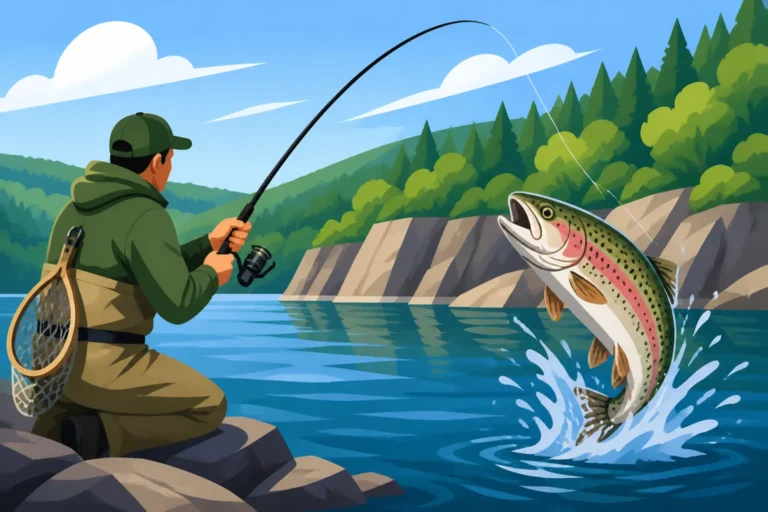
Fishing the Rockaway River for Trout
Oh, the Rockaway River! For many New Jersey anglers, the thought of fishing this legendary waterway conjures up images of beautiful trout, serene moments, and maybe, just maybe, a bit of head-scratching over where to find the best spots. It's a fantastic resource, but knowing where to cast a line and when can make all the difference between a memorable day and a frustrating one. This guide is here to unravel the secrets of fishing the Rockaway River for trout, helping you understand its unique characteristics, find those prime locations, and master the techniques that bring those beautiful fish to hand.
Understanding the Rockaway River as a Trout Fishery
The Rockaway River, flowing primarily through Morris County, holds a special place in the hearts of New Jersey trout anglers. It's not the biggest river in the state, nor is it known for massive, wild trophy trout in every bend. What it is known for, however, is being a consistently stocked and highly accessible trout fishery that provides excellent opportunities for both seasoned fly casters and families looking to spend a day by the water. The river changes character significantly along its course, offering a diverse range of fishing experiences.
The Dynamics of Stocked vs. Wild Trout Sections
While the New Jersey Division of Fish and Wildlife (NJFW) does an incredible job of stocking the Rockaway River with thousands of trout each spring and fall, it's also worth noting that certain sections, particularly the cooler, more secluded headwaters and tributaries, can hold populations of wild brown trout. These wild fish are often more elusive, smaller in number, and require a more subtle approach. However, for many, the challenge of pursuing a truly wild Rockaway River trout is a rewarding experience. The vast majority of the fishing, especially in easily accessible areas, will be for the freshly stocked rainbow and brown trout. Understanding the difference is key to managing your expectations and choosing your approach. You can learn more about the various trout found in the state by checking out our guide on New Jersey Rainbow Trout vs Brown Trout vs Brook Trout.
Key Trout Management Areas
The Rockaway River is broken down into several sections for trout management purposes, which helps anglers understand where to focus their efforts. The most popular stretches are typically those designated as "Seasonal Trout Water." These areas receive the heaviest stocking and are often the most crowded, especially during the initial weeks of the season. However, there are also "Trout Conservation Areas" (TCAs) or "Holdover Trout Lakes" nearby that offer extended opportunities or specific regulations. For instance, sections near Marcella and Denville are well-known for their heavy stocking, providing consistent action for those looking to fill a stringer. Farther downstream, as the river widens and warms, trout opportunities diminish, but other species like bass and panfish become more prevalent. Always consult the official New Jersey Fish and Wildlife Digest to confirm current designations and rules. Knowing when and where trout are stocked can really help you plan your trips, especially during prime times like the spring opener, which you can read about in our article on the New Jersey Spring Trout Stocking Start Date.
Prime Fishing Spots Along the Rockaway River
Finding the "perfect" spot on the Rockaway River really depends on what kind of trout fishing experience you're after. Are you looking for easy access and lots of stocked fish for the kids? Or are you seeking a quieter stretch where you can hone your fly-fishing skills? The river offers a little something for everyone, but knowing where to start your search is crucial.
Public Access Points and Parks
One of the greatest advantages of the Rockaway River is its accessibility. Numerous public parks and road crossings provide excellent points of entry. For example, the sections running through Denville, particularly around Gardner Field and various bridge crossings, are popular due to their easy access and proximity to stocking points. In Rockaway Borough, parks and roadside pull-offs along Route 53 offer ample opportunities to get to the water's edge.
Another notable area is in Boonton, near the Boonton Falls, where the river narrows and cascades. While fishing directly in the falls might be challenging, the stretches just above and below can hold fish, especially early in the season when trout are more congregated. Similarly, sections winding through the woods near Marcella offer a more secluded feel, though access might require a short hike. These areas are ideal for those who prefer a bit more solitude without venturing too far off the beaten path. Always be mindful of private property signs and respect local landowners.
Special Regulation Areas: Catch and Release
For anglers who prioritize the sport over the harvest, the Rockaway River also features special regulation areas, particularly Catch and Release sections. These areas are designed to promote larger, healthier trout populations and often provide a more challenging and rewarding experience. One prominent example is the section designated as the "Rockaway River Catch and Release Artificial Lures Only Area" in Denville. This stretch runs from the footbridge at the end of Morris Avenue downstream to the New Jersey Transit railroad bridge.
In these areas, barbless hooks are usually required, and only artificial lures or flies are permitted. This management strategy allows trout to survive multiple encounters with anglers, giving them a chance to grow larger and develop more natural instincts. Fishing these sections can be incredibly productive, especially later in the season when other stocked areas have been fished out. It’s also a fantastic place to practice Nymphing Techniques for Trout Streams or refine your fly-casting without the pressure of needing to keep fish. Remember, adhering to these specific rules is not just about avoiding penalties; it's about contributing to the long-term health and quality of the fishery.
| Rockaway River Section | Primary Trout Type | Typical Access | Recommended Gear | Key Regulations |
|---|---|---|---|---|
| Upper Reaches (Marcella) | Stocked & Wild Brown | Limited, Hike-in | Light spinning, Fly | General Statewide |
| Denville (Gardner Field) | Heavily Stocked | Easy (Parks, Roads) | Spin/Bait, Fly | General Statewide |
| Denville C&R Area | Holdover & Stocked | Moderate (Walk-in) | Fly, Artificial Lures | Catch & Release, Artificial Lures Only, Barbless Hooks |
| Rockaway Boro (Rt 53) | Heavily Stocked | Easy (Roadside) | Spin/Bait, Fly | General Statewide |
| Boonton Area | Stocked | Easy (Roadside) | Spin/Bait, Fly | General Statewide |
Note: Always verify current regulations with the official NJ Fish and Wildlife Digest before fishing.
Effective Techniques for Rockaway River Trout
Once you've found your spot, the next challenge is convincing those trout to bite. The Rockaway River, being a relatively small-to-medium-sized stream, responds well to a variety of techniques. Your approach will often depend on the time of year, water levels, and whether you're targeting freshly stocked fish or more cautious holdovers.
Spinning Gear Strategies
For many anglers, especially beginners or those fishing with kids, spinning gear is the go-to. It's versatile, easy to use, and incredibly effective for stocked trout. Small inline spinners like Mepps Aglia or Panther Martin in silver, gold, or brass finishes are perennial favorites. Cast them upstream or across, letting them swing through pools and riffles. Vary your retrieve speed; sometimes a slow, steady retrieve is best, other times a quick twitch and pause can trigger a strike.
Another deadly setup involves small spoons or wobblers, especially in areas with deeper pools. Gold and silver Kastmasters are always reliable. Don't underestimate the power of bait, either. PowerBait, especially the fluorescent "trout dough" varieties, fished on a small hook with a minimal sinker, is incredibly effective. Drifting a live worm or a piece of corn through a likely looking run can also produce excellent results. When using bait, a very light line (4-6 lb test fluorocarbon or monofilament) will get you more bites. For specific bait recommendations, check out our guide on Best Bait for Opening Day Trout.
Fly Fishing Approaches
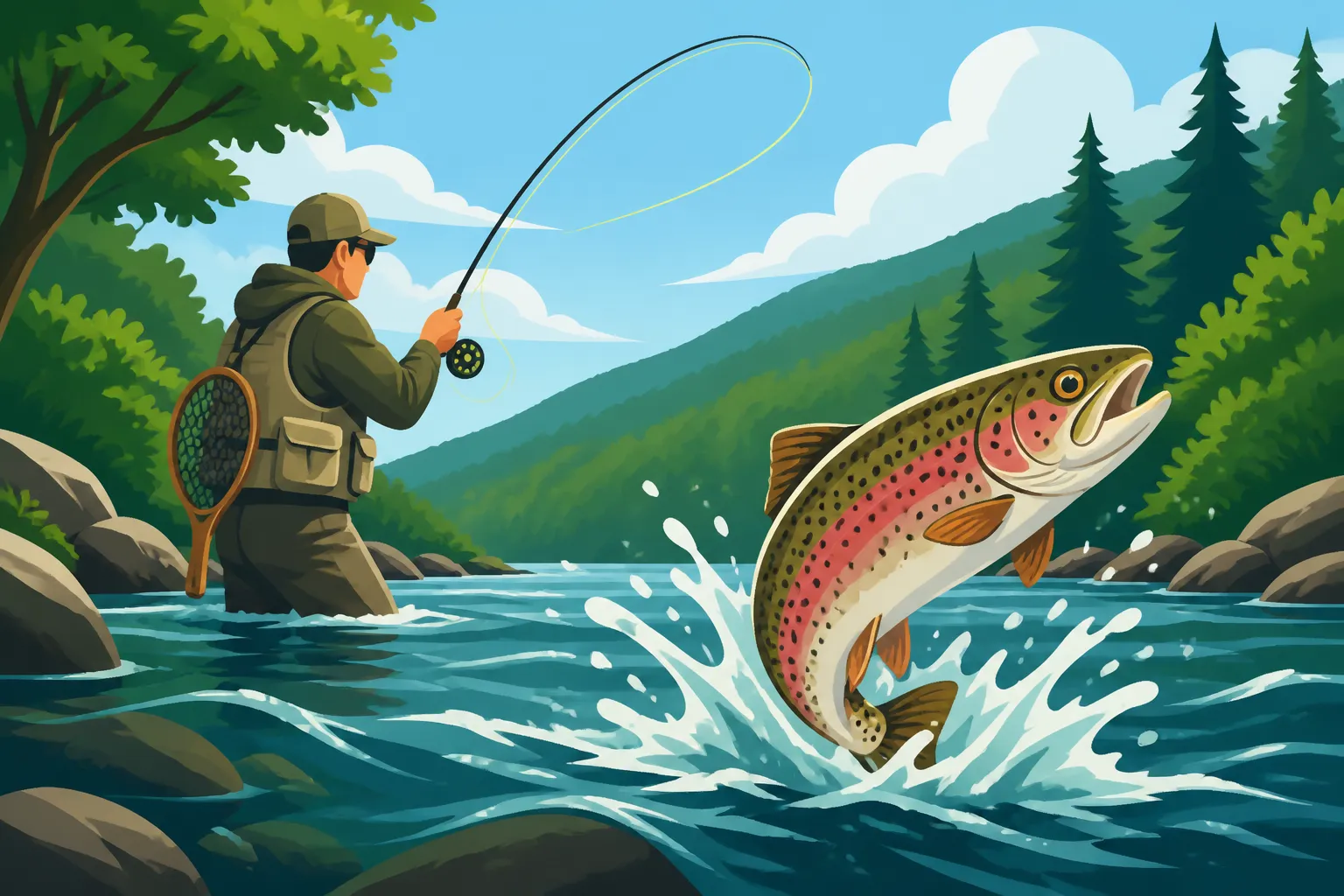
The Rockaway River is a fantastic place to hone your fly-fishing skills, particularly in its more accessible, open sections. While not a classic "wild trout" destination like some of the more remote streams, it offers consistent action, especially in the Catch and Release areas. For spring and fall stockings, simple nymphing setups are highly effective. Try a high-stick nymphing technique with a weighted nymph (like a Pheasant Tail or Hare's Ear) under an indicator, drifting it through riffles and into deeper pools.
Dry fly fishing can be productive during hatches, particularly in late spring and early summer mornings or evenings. Keep an eye out for caddis, mayflies, and stoneflies. If no naturals are hatching, attractor patterns like an Adams or a Royal Wulff can still bring fish up. For experienced anglers, streamers can tempt larger holdover trout, especially during higher water flows or overcast days. A small Woolly Bugger in olive or black, stripped through deeper pockets, can provoke aggressive strikes. Don't forget your trout stamp! You can find out more in our post about New Jersey Trout Stamp Requirements Explained. If you're looking to dive deeper into fly fishing, our guide on How to Fly Fish for Trout in New Jersey Streams offers some excellent tips.
Regulations, Conservation, and Best Practices
Fishing the Rockaway River, like any other New Jersey waterway, comes with a set of rules and responsibilities. Understanding these regulations and adopting conservation-minded practices ensures that this precious resource remains healthy and enjoyable for future generations.
Essential Licenses and Permits
First and foremost, if you're 16 years of age or older, you must possess a valid New Jersey freshwater fishing license to fish the Rockaway River. This isn't just a suggestion; it's the law, and Conservation Police Officers regularly patrol these popular fishing spots. Along with your general fishing license, if you plan on targeting or keeping trout, you'll also need a valid New Jersey trout stamp. The revenue generated from these licenses and stamps directly funds the state's stocking programs, including those that benefit the Rockaway River.
Purchasing your license and trout stamp is easy and can be done online through the NJ Fish and Wildlife website, or at various sporting goods stores and bait shops throughout the state, including retailers like Walmart. It's always a good idea to carry physical proof of your license and stamp, though a digital copy on your phone is often accepted. Make sure you're aware of the specific requirements, which you can read more about in our article on the New Jersey Fishing License Guide for 2026.
Practicing Responsible Angling
Beyond simply following the rules, responsible angling practices are crucial for maintaining the health of the Rockaway River's trout population and its ecosystem. This means:
- Respecting Bag and Size Limits: Adhere strictly to the daily bag limits and minimum size requirements for trout. These limits are in place to ensure sustainable fishing.
- Catch and Release Best Practices: If you're planning to release fish, handle them as little as possible. Wet your hands before touching them, use debarbed hooks, and minimize their time out of the water. Consider using a rubberized net to reduce scale damage.
- Leave No Trace: Pack out everything you pack in. This includes discarded fishing line, bait containers, and any other trash. The river banks are not your personal dumping ground.
- Respecting Others: The Rockaway River can get crowded, especially during peak seasons. Be mindful of other anglers, give them space, and avoid casting over their lines. A little courtesy goes a long way.
- Staying Informed: Regulations can change. Always check the current year's New Jersey Fish and Wildlife Digest before you head out. This document is your ultimate authority on seasons, bag limits, and special regulations for all waters, including the Rockaway River. You can usually find a copy at bait shops or online.
By following these guidelines, you not only ensure you're compliant with the law but also contribute to the long-term enjoyment of fishing the Rockaway River for everyone. If you're ever looking to explore other fishing opportunities in New Jersey, remember that services like FishingBooker can help you connect with local guides who specialize in various species and locations, offering expert advice and ensuring you have all the necessary permits and knowledge for a great trip.
Seasonal Considerations and Water Conditions
The Rockaway River, like most freshwater systems in New Jersey, is highly susceptible to seasonal changes and fluctuating water conditions. Understanding how these factors impact trout behavior and your fishing success is key to becoming a proficient angler on this waterway.
Spring and Fall Stocking Frenzy
Spring is undoubtedly the most popular time to fish the Rockaway River for trout. Beginning in late March and continuing through May, the river receives massive stockings of rainbow and brown trout. This period, especially the opening day and the weeks immediately following, can be a true "fishing frenzy." Trout are actively feeding, sometimes a bit disoriented from their journey, and eager to bite. However, it's also when you'll encounter the most crowded conditions. Targeting stocked fish during this time often means using PowerBait, worms, or small spinners in deeper pools and slower runs.
Fall brings another round of stocking and a second peak season, albeit a much less crowded one. The cooler water temperatures of autumn invigorate the trout, making them aggressive feeders as they prepare for winter. The fall colors along the river banks add a picturesque backdrop to your fishing. Fly anglers often find excellent nymphing and streamer action during the fall, while spin fishermen can do well with minnow imitations or small spoons. These fish tend to be a bit smarter than their spring counterparts, having had some time to adapt to the river, making for a more challenging but rewarding experience. For details on how many trout are stocked, check out How Many Trout Are Stocked Each Year in New Jersey?.
Navigating Summer and Winter Challenges
Summer fishing on the Rockaway River can be tough. As water temperatures rise, trout become stressed and less active. The lower reaches of the river, especially, can become too warm to hold trout safely. During the hotter months, it's best to focus your efforts on the cooler, oxygen-rich upper sections of the river, or target them early in the morning or late in the evening. Fly fishing with terrestrial patterns (like grasshoppers or beetles) or small caddis can sometimes entice a bite. For the most part, summer is a time when many trout anglers shift their focus to other species or higher-elevation, colder trout streams. If you do fish for trout in summer, practice extreme catch-and-release, as their survival rate in warm water is significantly lower.
Winter can offer some surprisingly good fishing on the Rockaway, especially during milder spells. While stocking doesn't typically occur during the coldest months, holdover trout from the fall stockings can be found. These fish are often wary but can be caught on small nymphs, midge patterns, or tiny jigs tipped with bait. Ice fishing isn't typically an option on the flowing river itself, but nearby lakes that feed into the Rockaway system might offer opportunities, provided the ice is safe. Always prioritize safety when fishing in cold weather, and ensure you're properly dressed and aware of potential hazards. Remember, even during the cold season, a valid license is required.
Disclaimer
The information provided in this guide is for general informational purposes only and is not intended as legal advice. Fishing regulations in New Jersey are subject to change by the New Jersey Division of Fish and Wildlife. It is the angler's responsibility to consult the most current New Jersey Fish and Wildlife Digest or visit their official website for the latest and most accurate regulations, seasons, and licensing requirements before engaging in any fishing activities. Adherence to all local, state, and federal laws is mandatory.