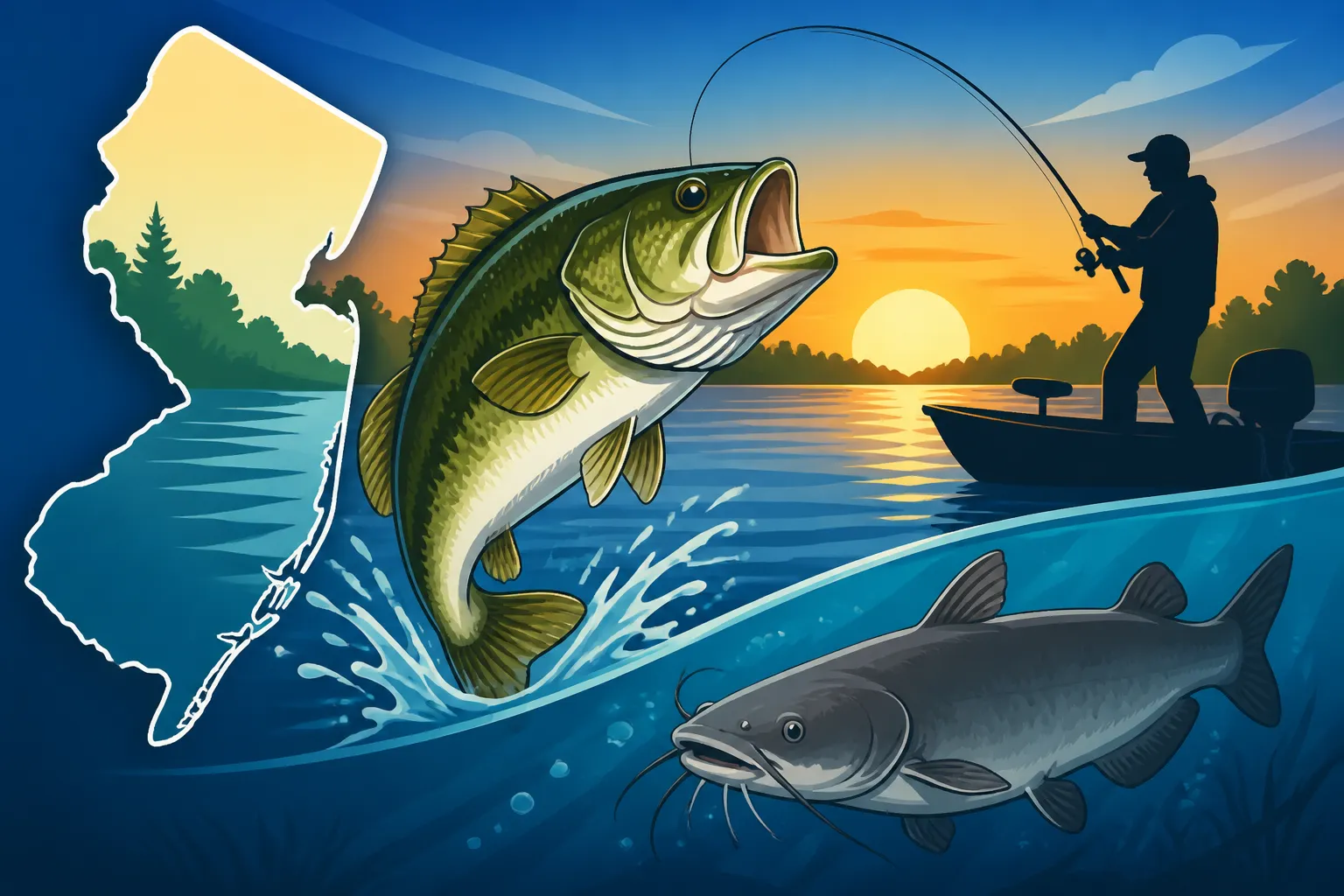
Fishing Assunpink Lake for Bass and Catfish
It can be incredibly frustrating to hit a new lake, unsure of where to cast or what bait to use, especially when you're hoping for a double-header of bass and catfish. Many anglers find themselves guessing, which often leads to slow days and empty stringers. But fear not, because Assunpink Lake, tucked away in the beautiful Assunpink Wildlife Management Area in Monmouth County, is a fantastic freshwater spot that consistently delivers for both largemouth bass and channel catfish. This guide is your in-depth resource to confidently tackle Assunpink, offering all the insights you need for a successful and enjoyable trip.
A Closer Look at Assunpink Lake's Unique Appeal
Assunpink Lake isn't just another pretty pond; it's a meticulously managed fishery designed to provide excellent opportunities for a variety of species, with bass and catfish being two of its biggest draws. Understanding the lay of the land, or rather, the water, is your first step to a productive day.
Understanding Assunpink's Ecosystem
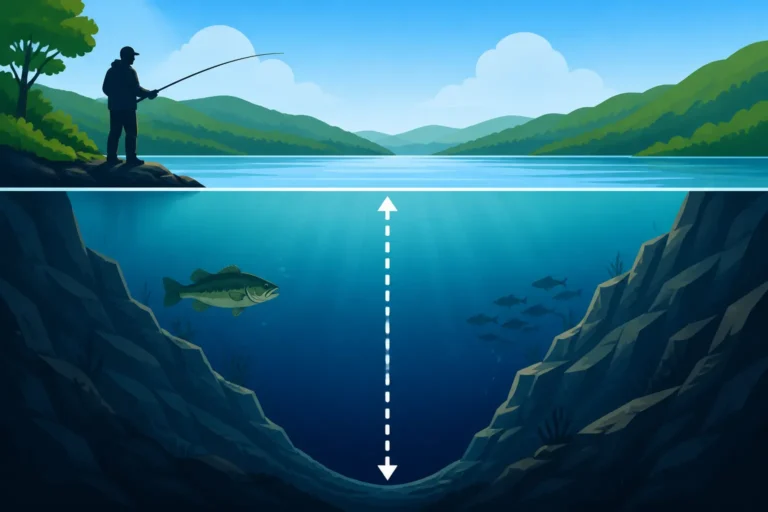
Assunpink Lake is a relatively shallow, fertile impoundment, spanning about 200 acres. Its average depth is around 6-8 feet, with some deeper sections near the dam, making it prime habitat for warm-water species. The lake bottom is a mix of silt, mud, and some scattered gravel, which contributes to its rich aquatic insect life and forage base. You'll find plenty of submerged vegetation, especially during the warmer months, which creates perfect ambush points for predators like largemouth bass and offers food and shelter for baitfish and smaller organisms that catfish feast on. The shoreline is often lined with fallen trees and brush, adding crucial cover.
The surrounding Assunpink Wildlife Management Area ensures a natural, tranquil setting, free from excessive development, which helps maintain water quality and supports a healthy ecosystem. This environment is crucial for both game fish and the food sources they rely on. The lake is also part of a larger system of smaller ponds and streams within the WMA, but the main lake is the primary draw for larger bass and catfish. This blend of shallow, fertile water with ample cover makes it an ideal spot for those who appreciate a natural fishing experience without the heavy recreational boat traffic found on some of New Jersey's larger lakes.
Prime Times to Visit
Knowing when to fish Assunpink Lake is almost as important as knowing how. The lake truly shines during certain periods, offering peak opportunities for both bass and catfish.
For Largemouth Bass: Spring and fall are unequivocally the best seasons for largemouth bass at Assunpink. In the spring, as water temperatures climb into the 50s and 60s Fahrenheit, bass move into the shallower coves and along the edges of weed beds, preparing to spawn. This pre-spawn period, typically late April through May, sees them aggressively feeding, making them highly susceptible to a variety of lures. Post-spawn, in late May and June, they might be a bit lethargic but will eventually resume feeding patterns in and around cover. As the summer heat sets in, bass will often retreat to deeper, cooler water or seek refuge in the densest submerged vegetation. Early mornings and late evenings during summer can still be productive, especially fishing topwater lures over weed beds. The fall bite, from September through November, is another fantastic window as bass fatten up for winter. They become highly active, chasing baitfish and positioning themselves along transition lines and structure.
For Channel Catfish: Channel catfish are generally active when the water is warm, making summer a prime time for them at Assunpink. From late May through September, these bottom-dwellers are on the prowl, especially after dark. While you can catch them during the day, nighttime fishing for catfish can be incredibly productive and add a whole new dimension to your angling experience. Warm, overcast days after a rain shower can also trigger a strong bite as runoff washes nutrients into the lake, stirring up their food sources. Even into early fall, as water temperatures slowly drop, catfish remain active before the cold truly sets in, making them a reliable target when other species might be slowing down.
Targeting Largemouth Bass at Assunpink Lake
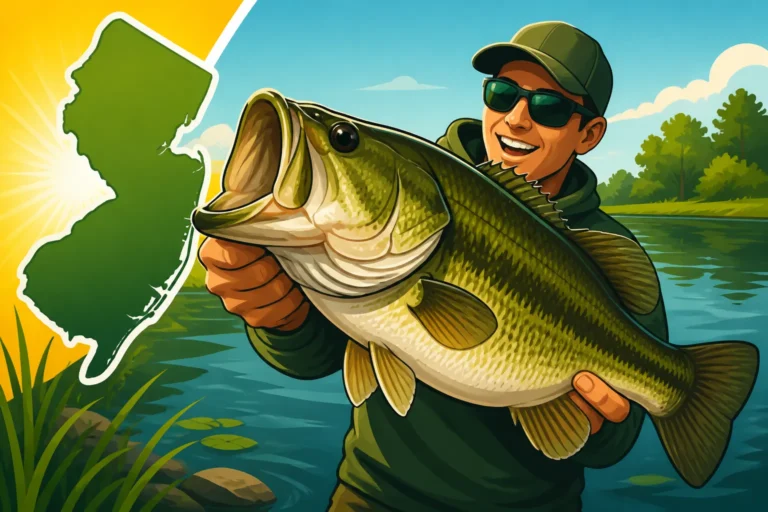
Assunpink Lake is a known producer of quality largemouth bass, offering anglers the chance to hook into some respectable fish. Success here often comes down to understanding their behavior in this particular environment and selecting the right presentation.
Proven Techniques for Assunpink Bass
When it comes to tempting Assunpink's largemouths, versatility is your friend. Because the lake has a good amount of submerged vegetation and shoreline cover, you'll want to employ tactics that exploit these features.
Soft Plastics: These are arguably the most consistent producers. Texas-rigged worms, creature baits, and senkos are phenomenal choices. When fishing around dense weeds or fallen timber, a Texas rig with a bullet weight (1/8 to 1/4 ounce, depending on depth and wind) will allow you to present your bait weedlessly, minimizing snags. Cast these tight to cover, let them sink, and work them with slow drags and pauses. The subtle action of a plastic worm or creature bait can be irresistible to a bass holding tight to structure. For a weightless approach, a 5-inch Yamamoto Senko rigged wacky-style or Texas-style is a bass magnet. Its slow, natural fall is often all it takes to trigger a strike. Imagine that Senko slowly wiggling down next to a submerged log – a bass can't help but investigate!
Jigs and Spinnerbaits: If you're looking for a reaction strike or to cover water quickly, jigs and spinnerbaits are excellent. A skirted jig (1/4 to 1/2 ounce) tipped with a craw trailer can be pitched or flipped into heavy cover, mimicking a crawfish. Work it slowly along the bottom, bumping into structure. Spinnerbaits, particularly those with Colorado and Willow leaf blade combinations, are great for probing the edges of weed beds and submerged wood. The flash and vibration can draw bass out of cover. In slightly stained water, which Assunpink can sometimes be, the added visibility and thumping action of a spinnerbait can make all the difference. Try colors like chartreuse, white, or black-and-blue, matching the forage or water conditions.
Topwater Lures: When conditions are right, there's nothing more exciting than a topwater strike. Early mornings, late evenings, or overcast days, especially in warmer months, are prime for this. Poppers, walk-the-dog style baits (like a Heddon Zara Spook), and hollow-body frogs fished over lily pads or dense submerged weeds can draw explosive strikes. The key is to work them with erratic pauses and twitches, creating a commotion that mimics a struggling baitfish or frog. Remember, when a bass blows up on your topwater, resist the urge to set the hook immediately! Wait until you feel the weight of the fish before delivering a solid hook set.
Key Structures and Cover to Target
Understanding where bass congregate in Assunpink Lake is paramount. These fish are ambush predators, and they constantly seek out structure and cover for protection, warmth, and feeding opportunities.
Weed Lines and Beds: Assunpink has extensive weed growth, particularly as the season progresses. These weed lines, both emergent (like lily pads) and submerged, are magnets for bass. Look for areas where the weeds transition from dense to sparse, or where channels cut through the beds. Bass will patrol these edges, waiting for unsuspecting baitfish or frogs. Fishing parallel to a weed line with a spinnerbait or a crankbait can be highly effective, as can punching through dense mats with a heavy Texas-rigged creature bait. Areas with coontail, hydrilla, or milfoil are especially productive.
Fallen Timber and Brush Piles: Throughout the lake, especially along the shoreline, you'll find fallen trees, logs, and brush piles that have accumulated. These provide excellent overhead cover and ambush points for bass. Pitching jigs or Texas-rigged plastics into these snags is a classic and effective strategy. You might lose a few lures, but the potential for a big bass is high. Remember to use heavier line (15-20 lb fluorocarbon or braided line with a fluorocarbon leader) to muscle fish out of this heavy cover. If you have a boat, using your electronics to identify submerged brush piles away from the visible shoreline can reveal untouched honey holes.
Points and Coves: Subtler changes in the lake bottom or shoreline can also be key. Points that extend out into the lake, even if small, act as highways for bass moving between deeper and shallower water. Fish both sides of the point, paying attention to any rocks or submerged wood. Similarly, secluded coves, especially those with warmer, shallower water and ample vegetation, are often spawning grounds and feeding areas for bass. The northern end of the lake tends to have more coves and shallows that warm up quickly in spring, making them early season hot spots. For finding these specific locations, looking at a detailed map or even using satellite imagery can be incredibly helpful before you even launch your boat. Many anglers also rely on detailed mapping on their fish finders.
Hooking Channel Catfish in Assunpink Lake
If you’re looking for a consistent bite and some powerful freshwater fighters, Assunpink’s channel catfish are an excellent target. These opportunistic eaters are plentiful and can grow to a respectable size, making them a rewarding catch.
Best Baits and Rigs for Assunpink Catfish
Channel catfish are not particularly picky eaters, which is great news for anglers! They are primarily scavengers with an excellent sense of smell, so scent is a major factor in attracting them.
Stink Baits and Prepared Baits: This is where many catfish anglers start. Commercial stink baits, often dough-like or spongy, are designed to release a powerful scent trail in the water. Brands like Berkley PowerBait Catfish Baits or Sonny's Super Sticky Baits are popular choices. You can mold them onto a treble hook or use a special bait holder rig. Another classic is punch bait, which you "punch" a treble hook into, letting it soak up the bait. These baits are incredibly effective because they appeal directly to a catfish's strong olfactory senses. Just be prepared for the smell to linger on your hands!
Natural Baits: For a more natural approach, chicken livers are hard to beat. Their strong scent and soft texture make them irresistible to catfish. The downside is they can be difficult to keep on the hook, so many anglers use a small treble hook or wrap them in a piece of pantyhose. Cut bait, such as pieces of sunfish or carp (where legal and caught live from Assunpink), also works wonders. The blood and oils released from the cut bait are a powerful attractant. Nightcrawlers or large pieces of earthworms are always a reliable option, especially when fished near the bottom. The wiggling action, combined with their natural scent, drives catfish wild. Don't underestimate the effectiveness of a simple worm on a hook for a hungry catfish.
Basic Rigs for Catfish: A simple bottom rig is usually all you need. The most common setup is a Carolina rig or a slip-sinker rig. Thread a 1/2 to 1-ounce egg sinker onto your main line, followed by a bead (to protect the knot), and then tie on a barrel swivel. To the other end of the swivel, attach an 18-36 inch fluorocarbon or monofilament leader (15-20 lb test) and finish with a 2/0 to 4/0 circle hook or Kahle hook. Circle hooks are fantastic for catfish because they typically hook the fish in the corner of the mouth, reducing gut-hooking and making for easy release if you're not keeping your catch. Just let the fish take the bait, and the hook will set itself as the fish swims away. This setup keeps your bait on the bottom where catfish feed, while allowing the fish to pick up the bait without feeling the weight of the sinker immediately.
Night Fishing and Hot Spots for Catfish
While you can catch channel catfish throughout the day, their activity often peaks after the sun goes down, making Assunpink Lake a prime destination for night fishing.
Why Night Fishing? Catfish are nocturnal feeders, using their barbels (whiskers) to detect food in low light conditions. As evening falls, the water often cools slightly, and the boat traffic (if any) subsides, creating a calmer environment where catfish feel more comfortable moving into shallower areas to forage. The cover of darkness also makes them less wary, allowing for more aggressive feeding. Just remember to bring a good headlamp, some bug spray, and let someone know your plans if you're heading out after dark!
Prime Night Spots: Look for deeper holes or channels within the lake, especially those near drop-offs or submerged structure. Catfish will often hold in these deeper areas during the day and move into adjacent shallower flats or weed edges at night. The area near the main dam, which is typically the deepest part of the lake, can be a great starting point, especially if there's any current or inflow. Also, pay attention to points and the mouths of coves where baitfish might congregate. These transition areas often funnel catfish as they search for food. If you can locate any submerged timber or rock piles using your fish finder during the day, those spots will likely hold catfish at night as well. Using a glow-in-the-dark bobber can be incredibly helpful for detecting bites after dark, providing a visual cue even when you can't see your line.
One of the great things about Assunpink is its relatively undeveloped shoreline, offering ample bank access for those without a boat who want to try their hand at night fishing. For anyone considering booking a guided trip to explore other amazing fisheries around New Jersey, platforms like FishingBooker can connect you with experienced captains who know the best local spots and techniques, whether for a day trip or an evening adventure.
Essential Gear and Local Regulations for Assunpink Lake
Having the right equipment and understanding the local rules are crucial for a successful and legal fishing trip to Assunpink Lake. It ensures you're prepared for the fight and compliant with New Jersey's conservation efforts.
Recommended Rods, Reels, and Line
Choosing the right tackle can make a huge difference in your enjoyment and success on Assunpink Lake. You'll want gear that's versatile enough to handle both the strong runs of a catfish and the powerful headshakes of a largemouth bass.
For Largemouth Bass: A medium-heavy action spinning or baitcasting rod, typically 6'6" to 7'6" in length, is a great all-around choice. This rod power provides enough backbone to set hooks firmly and pull bass out of cover, while still having enough tip sensitivity to detect subtle bites. Pair this with a reliable spinning reel in the 2500-3000 size range or a baitcasting reel with a smooth drag system. For line, 10-15 lb fluorocarbon is an excellent choice for its low visibility and abrasion resistance, especially when fishing around weeds and wood. Alternatively, 20-30 lb braided line with a 10-15 lb fluorocarbon leader is a popular setup, offering incredible casting distance and sensitivity, plus the strength to cut through weeds. For heavier cover, bumping up to 50 lb braid can be a lifesaver.
For Channel Catfish: While you could catch smaller cats on your bass setup, a slightly heavier outfit is often preferred for bigger channel catfish. A medium-heavy to heavy action spinning or baitcasting rod, 7 to 9 feet long, will give you the leverage needed for long casts and battling larger fish. A spinning reel in the 4000-6000 size or a stout baitcasting reel capable of holding plenty of line is ideal. Spool up with 15-25 lb monofilament or fluorocarbon, or 30-50 lb braided line. Monofilament offers good shock absorption for hard-hitting catfish, while braid provides superior strength and sensitivity. Remember, these fish can put a serious bend in your rod, so don't skimp on your main line strength! Also, if you’re fishing from shore, a longer rod can help you cast further out to deeper channels. You can use several rods at once in New Jersey, but make sure you adhere to the specific limits for the body of water.
Navigating Assunpink's Rules and Access
Fishing at Assunpink Lake means understanding the specific rules that apply to this Wildlife Management Area, as well as general New Jersey fishing regulations. This ensures a smooth and legal outing.
Fishing Licenses and Saltwater Registry: For freshwater fishing at Assunpink Lake, all anglers 16 years of age and older are required to possess a valid New Jersey freshwater fishing license. It's a fundamental requirement across the state. You don't need a separate saltwater registry for Assunpink, as it's a completely freshwater body. You can easily purchase your license online through the New Jersey Fish and Wildlife website or from a licensed agent. It's always a good idea to carry proof of your New Jersey fishing license with you while you're out on the water.
Boat Access and Restrictions: Assunpink Lake has a public boat ramp that provides convenient access to the water. However, there are specific regulations regarding motor types to maintain the tranquil environment and protect the ecosystem. Only electric motors are permitted on Assunpink Lake; gasoline motors are strictly prohibited. This is fantastic news for kayakers and canoeists, or those with small Jon boats, as it keeps the lake quiet and free from high-speed boat traffic, making for a much more peaceful fishing experience. Always remember to check the latest New Jersey boat ramp rules and access fees before heading out, as these can sometimes change. When planning your trip, you might find valuable insights on other New Jersey fishing locations or even consider booking a charter through a service like FishingBooker for other parts of the state, where motor rules might differ.
General Regulations: Beyond licenses and motor restrictions, standard New Jersey freshwater fishing regulations apply to Assunpink Lake. This includes specific New Jersey Freshwater Fishing Regulations Every Angler Should Know regarding bag limits, size limits, and seasons for various species. While bass and catfish often have relatively generous limits, it's crucial to consult the current New Jersey Fish and Wildlife Digest before you go. This digest also outlines any special regulations that might apply specifically to Assunpink Lake or other waters within the WMA. For example, some species might be catch-and-release only, or have specific bait restrictions. Always double-check these details to avoid any surprises. Remember that knowing What Fish Species Are Illegal to Possess in New Jersey is also important to ensure you're compliant.
| Species | Best Season | Prime Time | Recommended Baits | Key Locations |
|---|---|---|---|---|
| Largemouth Bass | Spring & Fall | Early Morning/Late Evening | Soft Plastics (Worms, Senkos), Jigs, Spinnerbaits, Topwater | Weed lines, Fallen timber, Points, Coves |
| Channel Catfish | Summer (Active) | Nighttime | Stink Baits, Chicken Liver, Cut Bait, Nightcrawlers | Deeper holes, Channels, Dam area, Mouths of Coves |
This table provides a quick overview, but remember, fishing is an art, not a science, and conditions can always change!
Navigating the Seasons for Peak Action at Assunpink
Understanding how the different seasons affect fish behavior at Assunpink Lake will give you a significant edge, allowing you to adapt your strategies for the best possible outcomes, whether you're chasing the New Jersey Largemouth Bass State Record or just a solid meal of catfish.
Spring: The Time of Reawakening
Spring at Assunpink Lake is a period of immense change and high activity. As the ice melts and water temperatures steadily climb, the lake comes alive. This is when largemouth bass begin to shake off their winter sluggishness and move into shallower areas to feed and eventually spawn. You’ll find them congregating along sun-drenched banks, in the backs of coves, and around early weed growth. Think pre-spawn bass, hungry and aggressive! Targeting these areas with slow-rolled spinnerbaits, lipless crankbaits, or even simple jigs and plastics can be incredibly effective. The How to Catch Largemouth Bass in Early Spring guide offers even more detailed tips for this crucial time.
While bass are stealing the show, catfish are also beginning to stir. They might not be in their full summer feeding frenzy yet, but they will start to respond to natural baits like nightcrawlers or chicken livers fished on the bottom, especially on warmer afternoons. The mild temperatures mean less competition for food, making them a viable target even before the heat of summer. For those seeking other adventures, it’s also a good time to remember that if you're exploring diverse fishing opportunities across the state, services like FishingBooker can help you discover guided trips from freshwater lakes to saltwater excursions along the coast.
Summer: Heat, Weeds, and Night Bites
Summer brings full warmth to Assunpink Lake, which means dense weed growth and changes in fish behavior. Largemouth bass will often retreat into the thickest cover – submerged weed beds, lily pads, and shaded areas of fallen timber – to escape the midday sun and ambush prey. This is prime time for fishing topwater frogs over the mats, punching heavy Texas-rigged plastics through vegetation, or flipping jigs into shaded pockets. Early mornings and late evenings offer the most consistent bass action.
For channel catfish, summer is their absolute peak. The warm water makes them incredibly active, and they'll be on the hunt for food day and night. Night fishing for catfish becomes especially productive as they venture into shallower areas under the cover of darkness. Focus on deeper holes, channels, and areas where currents might deliver scent. Use potent baits like chicken livers, cut bait, or commercial stink baits. This is also when you'll truly appreciate why knowing the Best Bait for Channel Catfish can make all the difference. Remember, Assunpink is a busy place in summer, so finding your quiet corner is important.
Fall: The Feeding Frenzy Before Winter
As summer fades and autumn colors begin to appear, Assunpink Lake experiences another burst of fishing activity. Water temperatures start to cool, signaling to all fish species that it's time to fatten up for the leaner winter months. Largemouth bass go on a serious feeding binge, often moving out of the thickest summer cover to chase baitfish in more open water or along prominent points and weed edges. Crankbaits, jerkbaits, and large swimbaits become highly effective as bass actively pursue schooling bait. The cooler, crisper air of fall can make for some truly memorable bass fishing days.
Catfish activity will also remain strong through early to mid-fall, gradually tapering off as water temperatures drop significantly. They'll continue to respond to many of the same baits and tactics used in summer, but they might shift to slightly deeper water as the season progresses. It’s a great time to target both species, often in the same areas, as they share the common goal of packing on calories. Always check the latest New Jersey Fishing Season Dates and Closures to ensure you're compliant with any specific regulations that might apply to Assunpink during the seasonal transitions.
Disclaimer
Fishing regulations, conditions, and fish populations can change. Always consult the latest New Jersey Department of Environmental Protection (NJDEP) Fish and Wildlife regulations before any fishing trip. This guide is for informational purposes only and should not replace official state guidelines.