How to Fish New Jersey’s Tidal Rivers
Fishing New Jersey's tidal rivers can feel like trying to solve a complicated puzzle, especially when you're dealing with constantly shifting currents, varying salinity, and fish that seem to appear and disappear with the moon phases. Many anglers find themselves scratching their heads, wondering where to cast, what bait to use, and how on earth to navigate these dynamic waterways. This comprehensive guide is designed to demystify tidal river fishing in the Garden State, providing you with the knowledge and confidence to successfully target a variety of species, understand the unique challenges, and make the most of your time on the water.
Understanding New Jersey's Tidal Rivers
New Jersey is blessed with an incredible network of rivers that eventually meet the Atlantic Ocean, creating fascinating tidal zones. These aren't your typical placid freshwater streams; they're dynamic ecosystems where freshwater and saltwater blend, creating unique habitats that attract a diverse array of fish. Getting a handle on what makes these rivers tick is the first step toward consistent success.
What Makes a River "Tidal"?
A tidal river is essentially a river section that experiences the ebb and flow of the ocean's tides. The water level in these sections rises and falls, often twice a day, in sync with the ocean's high and low tides. This isn't just about water depth; it's about the movement of water, or current, which is arguably the most critical factor for fishing. When the tide comes in (incoming or flood tide), saltwater pushes upstream, increasing salinity and bringing in baitfish from the ocean. When the tide goes out (outgoing or ebb tide), freshwater from upstream mixes with the estuarine water, creating powerful currents that flush bait out towards the ocean.
These forces create a constantly changing environment. The width and depth of the river, combined with the lunar cycle, dictate the strength and duration of these tidal currents. For instance, a narrow river mouth might experience extremely strong currents, while a wider, shallower bay behind it might have slower, more subtle movements. Understanding this rhythmic breathing of the river is paramount because fish instinctively respond to these changes, using currents for feeding, migration, and seeking shelter. It's a fundamental difference from stillwater lakes or non-tidal river sections, and ignoring it is often why anglers struggle.
Key Tidal Rivers in New Jersey
New Jersey boasts several prominent tidal rivers, each offering its own unique fishing opportunities and challenges. Knowing these waterways helps you anticipate conditions and target specific species.
- Delaware River: This mighty river forms a significant portion of New Jersey's western border and is tidal well upstream, past Trenton. It’s famous for its Delaware River Shad Run Fishing in spring, but also hosts excellent smallmouth bass, stripers, catfish, and even sturgeon in its lower, wider reaches. The currents here can be incredibly strong, demanding heavier tackle and a good understanding of how to anchor or drift effectively. Its vastness means diverse fishing, from industrial areas to serene, wooded banks.
- Raritan River: Flowing into Raritan Bay, the lower Raritan River is a fantastic tidal fishery, especially known for its incredible striped bass fishing during the spring and fall migrations. It's a bustling waterway with lots of boat traffic, but also offers excellent shore access in many spots. You'll find stripers, white perch, catfish, and fluke in its brackish waters. The confluence with the bay provides a rich feeding ground. For more on the bigger picture, check out our Raritan Bay and Sandy Hook Bay Fishing Guide for details on the wider area.
- Mullica River: Located in the Pinelands, the Mullica is a tannin-stained, acidic river that flows into Great Bay. It's a unique blend of freshwater species like largemouth bass, pickerel, and crappie, alongside saltwater visitors like striped bass, white perch, and even bluefish further downstream. Its winding nature and marshy banks offer a more secluded fishing experience compared to the larger rivers.
- Great Egg Harbor River: Similar to the Mullica, this southern New Jersey river eventually opens into Great Egg Harbor Bay. It’s another excellent spot for a mix of freshwater and saltwater species, with good opportunities for striped bass, white perch, and even some fluke pushing far upstream into the brackish water. Its lower sections are a maze of marsh grass and creeks, perfect for kayak or small boat exploration.
- Toms River and Navesink River: These are classic central Jersey tidal rivers, famous for their white perch and striped bass. They often serve as important spawning grounds for stripers and are popular among kayakers and small boat anglers due to their narrower channels and calmer conditions compared to the open bays.
Each of these rivers, and many smaller tidal creeks and estuaries, presents a unique set of circumstances. While they all share the fundamental characteristic of being tidal, their individual topographies, depth profiles, and surrounding environments dictate how fish behave within them.
The Importance of Tides and Currents
If there's one golden rule for fishing tidal rivers, it's this: understand the tides. The tide dictates everything – where fish will be, when they'll feed, and how you should present your bait or lure. Ignoring the tide is like trying to drive a car without steering; you might move, but you won't get anywhere effectively. You can learn more about this in our guide on How to Read Tide Charts for Better Fishing in New Jersey.
Incoming Tide (Flood Tide): As the tide pushes in, it brings cooler, more oxygenated, and often saltier water upstream. This influx often carries baitfish, crabs, and other forage into the river. Fish like striped bass and bluefish will move with the incoming tide, often positioning themselves at current breaks, eddies, or structure to ambush prey. The water clarity might improve, making some lures more effective. This can be a prime feeding window, especially as the tide approaches high slack.
Outgoing Tide (Ebb Tide): The outgoing tide pulls water, and crucially, all sorts of dislodged baitfish and invertebrates, out of the marsh creeks and deeper sections of the river. This "flushing" action concentrates bait, making it another fantastic feeding period. Fish often congregate at the mouths of creeks, channel edges, and drop-offs to capitalize on this outflow. The strongest currents are typically mid-tide, providing excellent conditions for drifting baits.
Slack Tide (High and Low): This is the period when the current essentially stops, just before the tide changes direction. While some anglers find this challenging, it can be productive for others. At high slack, fish might move into shallower areas to feed on crabs or mussels that are now accessible. At low slack, fish might pull back into deeper holes or channels, consolidating their numbers. Sometimes, the brief lull in current can make jigging or presenting a stationary bait more effective, as fish aren't fighting a strong flow. However, often, the bite slows considerably during these periods.
Current Breaks and Eddies: No matter the stage of the tide, fish will almost always position themselves in relation to the current. Look for structure that creates current breaks: bridge pilings, submerged rocks, dock lines, fallen trees, or even subtle changes in bottom contour. These spots offer fish a place to rest out of the main current while still being able to dart out and grab passing food. Eddies, where the current swirls back on itself, are also prime ambush points. Learning to spot these subtle water movements is a skill that will dramatically improve your catch rate.
Essential Gear for Tidal River Fishing
Having the right tools for the job is crucial, especially when tackling the diverse conditions of New Jersey's tidal rivers. You don't need to break the bank, but investing in appropriate gear will make your experience more enjoyable and successful.
Rods, Reels, and Line Selection
For most tidal river fishing, you'll want versatile setups that can handle both larger gamefish and smaller panfish, while also being robust enough for the marine environment.
- Rods: A medium to medium-heavy spinning rod, typically in the 7 to 8-foot range, is an excellent all-around choice. This length provides good casting distance for shore anglers and boaters alike, offering enough backbone to fight powerful fish like striped bass, but still sensitive enough for fluke or white perch. For lighter work, a medium-light rod around 6'6" to 7' is perfect for panfish or lighter lure presentations. If you're specifically targeting larger stripers with big lures or bait, a heavier 9-foot surf rod might be necessary, especially if you're fishing from larger piers or open riverbanks where longer casts are needed. You can often find great value combos or individual rods on
Amazonthat fit these specifications. - Reels: Pair your rods with equally versatile spinning reels. A 3000 to 4000 series reel is ideal for most applications, offering a good balance of line capacity, drag power, and retrieve speed. Look for reels with smooth drags and corrosion resistance, as saltwater environments are harsh. Brands like Penn, Shimano, and Daiwa offer reliable options across various price points. A good reel will last you for years if properly maintained.
- Line: Braided line is king for tidal river fishing. Its lack of stretch provides superior sensitivity, allowing you to feel even the subtlest bites and detect bottom structure. Its thinner diameter also means less current resistance, which is a huge advantage when fishing strong flows. For the main line, 15 to 30-pound test braid is a good range. You'll want to use a fluorocarbon leader of 15 to 30-pound test (depending on your target species and water clarity) for its abrasion resistance and invisibility underwater. Connect your braid to your fluorocarbon leader using a strong knot like an FG knot or a Double Uni knot; these are crucial for holding up against strong tidal currents and powerful fish.
Terminal Tackle for Tidal Waters
The small things often make the biggest difference. Having the right hooks, sinkers, and swivels for tidal conditions is non-negotiable.
- Hooks: A variety of hook sizes and types are essential. Circle hooks, in sizes 1/0 to 5/0, are excellent for bait fishing, especially for striped bass, as they reduce gut-hooking and are often required for certain species (like striped bass with natural bait). J-hooks in similar sizes are good for artificial lures or situations where quick hooksets are needed. For smaller panfish, size 6 or 8 bait holder hooks will work well. Always opt for strong, corrosion-resistant hooks.
- Sinkers: The current in tidal rivers demands heavy sinkers to keep your bait on the bottom. Pyramid sinkers (1 to 6 ounces) are great for holding in current when fishing from shore or an anchored boat. Bank sinkers (1 to 4 ounces) are versatile for drifting or when a rounder profile is preferred. For lighter currents or jigging, egg sinkers or bullet weights might be appropriate. It’s always smart to have a range of weights on hand, as conditions can change rapidly.
- Swivels and Snaps: Ball-bearing swivels are best for preventing line twist, especially when drifting or using lures that spin. Interlock snaps or duo-lock snaps allow for quick changes of lures or rigs. Size 5 to 7 swivels are generally good for connecting leaders to main lines, while smaller sizes are suitable for more delicate presentations.
- Leader Material: As mentioned, fluorocarbon leader is vital. Not only is it nearly invisible underwater, but its abrasion resistance is key when fishing around submerged structures, oyster beds, or rocky bottoms common in tidal rivers. Keep a spool of 15-30lb test on hand.
Navigating the Waters: Boats, Kayaks, and Shore Access
How you access the tidal rivers will dictate your strategy and equipment needs. Each method has its pros and cons.
- Boats: A small skiff, center console, or even a jon boat can provide excellent access to tidal rivers, allowing you to cover more water, reach secluded spots, and fight fish more effectively. Make sure your boat is equipped with a reliable motor, anchor, and safety gear. Understanding how to anchor properly in strong currents is critical to avoid dragging and potentially dangerous situations. When boating, always be aware of no-wake zones and channel markers.
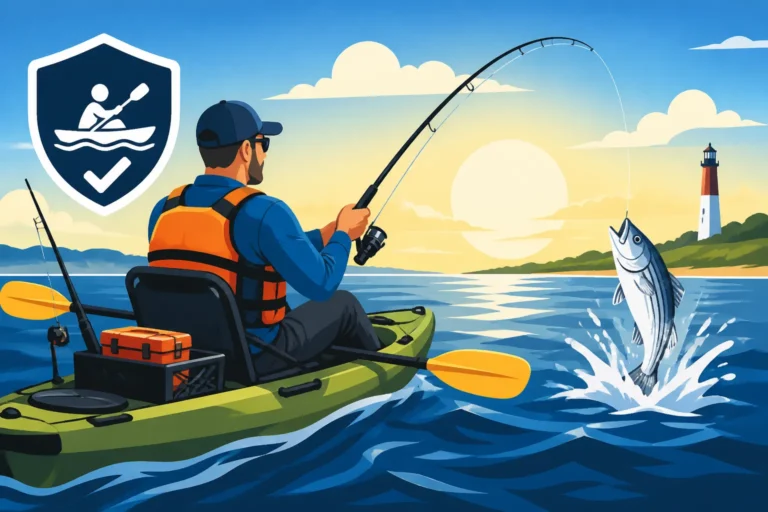
- Kayaks and Canoes: These offer a quiet, low-impact way to explore the narrower creeks and shallower areas of tidal rivers. Kayak fishing has exploded in popularity in New Jersey, and for good reason—it gets you into places larger boats can't go, and it offers an incredibly intimate fishing experience. You'll need a good quality fishing kayak with rod holders, stable enough for standing (if desired), and safety gear like a PFD and whistle. Learning to paddle and position your kayak in currents takes practice, but it's incredibly rewarding. Many models are available on
Amazonwith features specifically designed for anglers. - Shore Access: Many New Jersey tidal rivers offer surprisingly good shore fishing opportunities from public parks, bridges, causeways, and designated fishing areas. Places like the lower Raritan River in Edison or sections of the Delaware River near Camden provide access. When fishing from shore, pay close attention to safety, especially near strong currents or busy roads. A longer rod can be advantageous for reaching deeper water or casting over obstacles. Always be respectful of private property and local regulations regarding access.
| Species | Best Season | Common Baits | Effective Lures | Key Location |
|---|---|---|---|---|
| Striped Bass | Spring, Fall | Bloodworms, Bunker, Clams | Plugs, Swim Shads, Bucktails | Bridge pilings, Channel edges, Creek mouths |
| Fluke (Summer Flounder) | Summer | Spearing, Gulp, Live Minnows | Bucktails, Jig heads w/ plastics | Drop-offs, Channel edges, Shallow flats |
| White Perch | Spring, Summer, Fall | Bloodworms, Grass Shrimp, Worms | Small Jigs, Spinnerbaits | Structure, Docks, River bends |
| Catfish | Spring, Summer, Fall | Cut Bait, Worms, Dough Balls | N/A | Deeper holes, Log jams, Slackwater areas |
| Bluefish | Summer, Early Fall | Cut Bait, Live Bunker | Metal Lures, Poppers | Outgoing tide, Mouths of rivers, Open water |
Target Species and When to Find Them
One of the most exciting aspects of fishing New Jersey's tidal rivers is the incredible diversity of species you can encounter. Depending on the season, salinity, and water temperature, you might be catching anything from a feisty striped bass to a chunky catfish. Knowing what to expect and when to expect it will greatly increase your chances of success.
Striped Bass: The Tidal River King
The striped bass, often affectionately called "stripers" or "rockfish," is undoubtedly the most sought-after gamefish in New Jersey's tidal rivers. These powerful fish use our tidal estuaries and rivers as vital migration routes, feeding grounds, and even spawning areas.
- Spring Run: This is arguably the most anticipated time of year for striper fishing in the tidal rivers. As water temperatures rise (typically from late March through May), migratory striped bass move into the rivers to spawn. They'll gorge on abundant baitfish, like river herring and bunker, as they push upstream. This is a fantastic time for both boat and shore anglers. Concentrate your efforts around structure – bridge pilings, submerged rocks, and the mouths of smaller creeks where baitfish are flushing out. Bloodworms are a perennial favorite bait for early spring stripers, often fished on a simple fish-finder rig. Plugs, soft plastics, and bucktails can also be incredibly effective, especially when fished near current seams. It’s also crucial to be aware of the New Jersey Striped Bass Slot Limit Explained as regulations are strictly enforced during this sensitive time.
- Fall Run: Just as exciting as spring, the fall run (late September through November) sees striped bass migrating south along the coast, often pushing into the tidal rivers to ambush migrating baitfish. While less focused on spawning, their feeding intensity is unmatched as they pack on weight for the winter. Live bunker, when available, is a top choice, but cut bait, large swim shads, and topwater plugs can also produce explosive strikes. Focus on the outgoing tide, especially around creek mouths and jetties where bait is being swept out.
- Resident Stripers: Don't forget that many smaller striped bass are residents of the tidal rivers year-round, especially in the brackish zones. While not the trophy fish of the migratory runs, these schoolie stripers offer consistent action on light tackle. They'll often respond to small artificial lures, soft plastics, or even grass shrimp and bloodworms. Targeting them during the summer months can be a great way to hone your skills when the bigger fish have moved on.
Fluke and Other Bottom Dwellers
While striped bass get a lot of attention, tidal rivers are also fantastic places to target a variety of bottom-dwelling species, particularly summer flounder, affectionately known as fluke in New Jersey.
- Fluke (Summer Flounder): These delicious flatfish migrate into New Jersey's bays and tidal rivers as water temperatures warm up, usually from May through September. They are ambush predators, lying in wait on the bottom, often near drop-offs, channel edges, or shallow flats, ready to pounce on passing bait. Drifting with spearing, squid, or Gulp! artificial baits (especially in white or chartreuse) on a bucktail or a traditional fluke rig is the most popular and effective method. Pay close attention to current – a moderate drift is ideal for covering ground and presenting your bait naturally. You can find excellent details on
Amazonfor popular bucktail jigs and soft plastics, like Berkley Gulp!, which are staples for fluke fishing. Understanding the New Jersey Fluke Size and Bag Limits Explained is critical before you head out. - White Perch: Often overlooked, white perch are a true gem of the tidal rivers. They are abundant, eager biters, and excellent eating. You'll find them in both brackish and freshwater sections, often congregating around docks, bridge pilings, and oyster beds. They are active from spring through fall and can be caught on small pieces of bloodworm, grass shrimp, or tiny jigs tipped with bait. They're a fantastic target for beginners and kids due to their aggressive feeding habits.
- Catfish: Channel catfish and white catfish are common in the tidal rivers, particularly in the less saline, upper sections. They are primarily nocturnal feeders but can be caught throughout the day, especially in deeper holes or areas with slower currents. Cut bait (bunker, clam), worms, or stink baits fished on the bottom are highly effective. They offer a powerful fight and are excellent table fare.
Panfish, Catfish, and Freshwater Crossover Species
The beauty of the tidal zone is its blend of environments. As you move further upstream, the influence of saltwater diminishes, and you start to encounter more traditional freshwater species.
- Sunfish and Crappie: In the upper, less saline reaches of tidal rivers, you'll find plenty of bluegill, pumpkinseed sunfish, and crappie. These panfish are fantastic for light tackle fun, especially for families and younger anglers. They'll readily take small worms, crickets, or tiny jigs under a bobber. Look for them around aquatic vegetation, fallen trees, and docks.
- Largemouth Bass: While typically associated with lakes and ponds, largemouth bass can thrive in the upper brackish and freshwater sections of tidal rivers, particularly where there's plenty of cover like lily pads, submerged timber, and brush. They'll hit spinnerbaits, plastic worms, and topwater lures, especially during the warmer months. These fish offer an exciting challenge in a river environment.
- Yellow Perch: Another excellent panfish, yellow perch are often found in the freshwater and slightly brackish sections of tidal rivers. They school up and can provide fast action, especially in cooler water. Small worms, minnows, or tiny jigs are effective.
- Eels: Don't forget about eels! While not everyone's favorite, they are plentiful in tidal rivers and can be caught on cut bait or worms fished on the bottom, especially at night. They make surprisingly good bait for larger predators.
Understanding the seasonal movements and preferred habitats of these diverse species will empower you to tailor your approach, ensuring that your time on New Jersey's tidal rivers is both productive and enjoyable. Always check the current New Jersey Fishing Season Dates and Closures for specific regulations before you head out.
Mastering Tidal River Techniques
Fishing tidal rivers isn't just about showing up; it's about understanding how to present your bait or lure effectively in a constantly moving environment. The currents dictate almost everything, and adapting your techniques to work with them, rather than against them, is key to consistent success.
Live Bait Presentations
Live bait is often the most effective choice for finicky fish, and in tidal rivers, presenting it naturally is paramount. The goal is to make your bait look like an easy meal being swept along by the current.
- Fish-Finder Rigs: This is a staple rig for fishing the bottom in tidal currents. It consists of a main line, a barrel swivel, a leader (usually fluorocarbon), and a hook. A sinker (pyramid or bank style) slides freely on your main line above the swivel. The advantage here is that when a fish takes the bait, it feels no resistance from the sinker, allowing it to move off with the bait before you set the hook. This rig is perfect for presenting live bunker chunks, clam pieces, bloodworms, or live killifish on the bottom for striped bass, catfish, or even larger fluke. Cast it upstream and let it drift naturally with the current, occasionally taking up slack.
- High-Low Rigs: Also known as a "hi-lo" rig or a "top-and-bottom" rig, this setup allows you to present two baits at different depths simultaneously. It typically features a sinker at the bottom, with two snelled hooks branching off the main line above it. This rig is incredibly versatile for various species, from white perch (using small hooks with grass shrimp or bloodworms) to fluke (using larger hooks with spearing and squid combos). The key is to use enough weight to hold bottom but allow the baits to flutter naturally in the current. It's an excellent choice when you're unsure what depth the fish are feeding at, or when you want to target multiple species.
- Float Fishing (Bobbers): While less common in strong currents, float fishing can be highly effective in slower eddies, backwaters, or during slack tide. A slip bobber, which allows you to adjust your depth easily, is ideal. This method is fantastic for targeting white perch, sunfish, or even smaller striped bass with live bait like worms or grass shrimp. The bobber keeps your bait suspended at a desired depth, allowing it to drift naturally with any subtle current, mimicking a free-floating meal. Keep an eye on the current – if it's too strong, your bait will swing out of the strike zone too quickly.
When using live bait, always ensure it's fresh and lively. Baitfish like killifish, spearing, and shiners can often be purchased at local tackle shops, or you can catch your own. For a truly irresistible offering, nothing beats fresh bunker or clams for stripers and catfish.
Lure Fishing Strategies
Lure fishing in tidal rivers demands an understanding of how to make your artificial offerings mimic natural prey in the current. It's often more active than bait fishing, requiring constant engagement with your rod.
- Jigging: Jigging is incredibly effective in tidal rivers, especially for fluke, striped bass, and even white perch.
- Bucktail Jigs: These are legendary for fluke and stripers. They sink fast, allow for good bottom contact, and their pulsating deer hair imitates baitfish or crabs. Tip them with a piece of Gulp! or a strip of natural bait (like a spearing or squid strip) for added scent and appeal. The technique involves casting upstream, letting the jig sink to the bottom, and then bouncing it along the bottom with short lifts of the rod tip as your boat or kayak drifts, or as the current pulls it along. When fishing from shore, cast out, let it sink, and retrieve with a series of hops and pauses. You can buy these in various weights and colors from any local tackle shop or an online retailer like
Amazon. - Soft Plastics: Paddle tails, shad bodies, and grub tails rigged on jig heads are fantastic for striped bass, bluefish, and even larger white perch. Colors like white, chartreuse, pink, and pearl are often go-tos. Fish them similarly to bucktails, allowing them to drift and bounce near the bottom, or retrieve them with a steady swim just above structure. The key is finding the right weight jig head to maintain bottom contact without getting snagged.
- Bucktail Jigs: These are legendary for fluke and stripers. They sink fast, allow for good bottom contact, and their pulsating deer hair imitates baitfish or crabs. Tip them with a piece of Gulp! or a strip of natural bait (like a spearing or squid strip) for added scent and appeal. The technique involves casting upstream, letting the jig sink to the bottom, and then bouncing it along the bottom with short lifts of the rod tip as your boat or kayak drifts, or as the current pulls it along. When fishing from shore, cast out, let it sink, and retrieve with a series of hops and pauses. You can buy these in various weights and colors from any local tackle shop or an online retailer like
- Crankbaits and Plugs: These are excellent for covering water, especially when targeting active striped bass or bluefish.
- Shallow-Diving Plugs: Use these in shallower areas or over submerged structure, casting them upstream or across the current and retrieving them at a steady pace. They imitate baitfish and can draw aggressive strikes.
- Topwater Plugs: Poppers and walk-the-dog style lures create commotion on the surface, which can be electrifying during a striper or bluefish blitz. Use these early morning, late evening, or on overcast days when fish are feeding aggressively near the surface.
- Spinnerbaits and Inline Spinners: These are particularly effective for freshwater crossover species like largemouth bass, pickerel, and even some aggressive white perch in the less saline areas. The flash and vibration can trigger strikes in stained water or around heavy cover.
Remember, the retrieve is crucial. Experiment with different speeds and actions until you find what the fish are responding to. Sometimes a slow, methodical retrieve is best, while other times a fast, erratic one will trigger strikes.
Reading the Water for Success
Beyond the obvious tide charts, truly "reading the water" in a tidal river involves paying attention to subtle clues that reveal where fish might be holding and feeding. This is an advanced skill that comes with practice, but knowing what to look for will accelerate your learning.
- Current Seams and Eddies: As mentioned, these are prime ambush points. Look for lines where two currents meet or where the current slows down behind an obstruction. These are often visible as subtle changes in the water's surface texture. Cast your bait or lure into the faster current and let it drift into the slower water of the seam or eddy, where fish are likely waiting.
- Color Changes and Turbidity: Tidal rivers often have varying water clarity. A clear incoming tide might meet a muddier outflow from a creek. Fish will often hold along these "mud lines," as they offer both cover and a concentration of dislodged baitfish. Conversely, very clear water might require lighter leaders and more natural presentations.
- Baitfish Activity: Look for signs of baitfish, such as schools dimpling the surface, birds diving, or predator fish busting the water. If you see bait, you can bet the gamefish are not far behind. Focus your efforts where bait is concentrated or being actively pursued.
- Structure, Structure, Structure: Always think about structure. Bridge pilings, docks, fallen trees, rock piles, oyster beds, and even channel markers all provide cover and current breaks. Cast your offerings as close to these structures as possible, as fish will use them to ambush prey. The deeper the structure, the more likely it is to hold fish during strong currents or extreme tides.
- Depth Changes (Drop-offs): Use your fishfinder (if on a boat or kayak) or simply pay attention to where the bottom drops off. Fish often stage along these contours, moving up shallower to feed during specific tide stages and retreating to deeper water during slack tide or when conditions are less favorable.
By combining an understanding of tides and currents with effective bait and lure presentations and keen observation of the water, you'll significantly increase your success rate in New Jersey's dynamic tidal rivers.
Seasonal Considerations for Tidal River Anglers
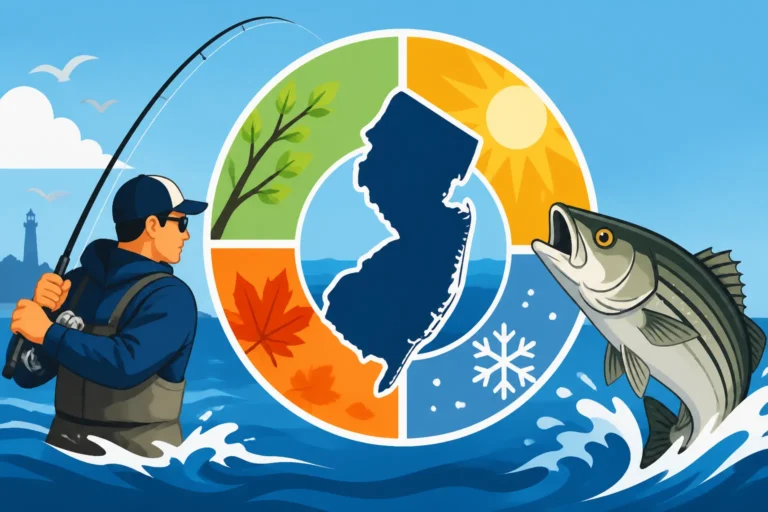
The fishing in New Jersey's tidal rivers changes dramatically with the seasons. What works in spring might be entirely ineffective in summer. Understanding these seasonal shifts and adapting your approach is critical for consistent success.
Spring Run Frenzy
Spring is arguably the most exciting time to fish New Jersey's tidal rivers, largely due to the arrival of migratory striped bass and other species. The rivers come alive as water temperatures rise, triggering a burst of activity.
- Striped Bass Spawning Migration: As mentioned, the main event in spring is the movement of striped bass into the rivers to spawn. This typically begins in late March and can last through May, depending on water temperatures. The lower Delaware and Raritan rivers are prime locations for this. Fish are often hungry after their long migration and will aggressively feed on herring, bunker, and other baitfish.
- Techniques: Live bait (especially bloodworms in early spring, then bunker chunks as water warms) fished on a fish-finder rig is highly effective. Soft plastic swim shads and bucktail jigs can also be deadly, particularly when fished in current seams or around bridge pilings.
- Focus Areas: Look for channels, deeper holes, and areas where tributaries meet the main river. The outgoing tide can be particularly productive as bait is swept out of these smaller creeks.
- White Perch and American Shad: Concurrent with the striper run, white perch become very active, and American shad make their migratory push up rivers like the Delaware.
- White Perch: These feisty fish will be schooling up in brackish sections, hitting small pieces of bloodworm or grass shrimp on high-low rigs, or tiny jigs. They offer great light tackle fun.
- American Shad: The Delaware River is renowned for its shad run, usually peaking from April to May. Small, brightly colored darts and spoons are the go-to lures. This is a fantastic sight-fishing opportunity in many areas.
- Early Fluke: In late spring, as bay waters warm, the first waves of fluke begin to push into the lower tidal rivers and estuaries. They'll often stage in shallower, muddy areas that warm up faster. Bucktails tipped with Gulp! or spearing are the best bet.
Spring is a time of high energy and opportunity, but also requires paying close attention to temperature and water conditions, as these can dictate the exact timing of fish movements.
Summer Slowdown and Opportunities
As the scorching New Jersey summer arrives, the fishing in tidal rivers often changes. Water temperatures can get quite high, especially in shallower areas, which can cause some species to slow down or move out. However, don't write off summer; it presents its own unique opportunities.
- Fluke Peak Season: Summer is prime time for fluke. They will be actively feeding in the lower tidal rivers, estuaries, and bays. The warmer water means they're energetic, and baitfish are abundant.
- Techniques: Drifting with bucktails tipped with Gulp! or natural bait (spearing, squid strips) remains the most effective. Pay attention to deeper channel edges, drop-offs, and areas with good current flow that bring in cooler, oxygenated water. Our New Jersey Fluke Season Dates for 2026 provides specific dates and regulations.
- Focus Areas: Look for deeper holes and areas with a consistent current that will keep the water cooler and more oxygenated. The mouths of the tidal rivers, where they meet the open bays, are often hot spots.
- Resident Stripers and Bluefish: While the big migratory stripers generally move offshore or further north, resident schoolie stripers remain in the rivers, often congregating in deeper, cooler holes or around shaded structure during the day. Early morning and late evening, or even night fishing, can be very productive for these fish.
- Bluefish: Smaller bluefish ("snappers") often move into the tidal rivers during summer, providing fast action on light tackle. They'll hit metal lures, poppers, or small pieces of cut bait. Larger bluefish might make sporadic pushes into the lower reaches, especially on an outgoing tide.
- Panfish and Catfish: The summer heat means panfish (white perch, sunfish, crappie) and catfish are very active, especially in the upper, less saline sections of the rivers.
- Techniques: Fishing worms or cut bait on the bottom, or small jigs under a bobber, can yield consistent catches. These are fantastic species for family outings and beginners.
- Focus Areas: Look for shaded areas, undercut banks, fallen trees, and deeper holes where water temperatures might be slightly cooler.
Summer can require more patience and a willingness to fish during the cooler parts of the day, but the rewards are often worth it.
Fall Feeding Blitz
Fall brings a renewed sense of urgency to the tidal rivers as fish begin their southbound migrations and prepare for winter. Cooler water temperatures invigorate both baitfish and predators, leading to some of the year's best fishing.
- Striped Bass Migration: The fall striped bass run is legendary along the Jersey Shore, and the tidal rivers play a crucial role. As water temperatures drop from September through November, massive schools of stripers move through, actively feeding on bunker, mullet, and other baitfish.
- Techniques: This is a time for aggressive presentations. Live lining bunker (if available and legal), chunking fresh bunker on fish-finder rigs, and casting large swim shads, poppers, and metal lips are all highly effective. Fish often move in tight schools, so when you find them, the action can be non-stop. Check out When Do Striped Bass Migrate Through New Jersey? for more details on timing.
- Focus Areas: Concentrate on river mouths, channel edges, and areas where baitfish are bottlenecked by structure or current. The outgoing tide, flushing bait from the rivers, is often the most productive.
- Bluefish: Large bluefish often accompany the striped bass during the fall run, crashing baitfish schools with incredible ferocity. They'll readily hit many of the same lures as stripers, often before the stripers move in. Be prepared for their sharp teeth with heavy leaders!
- White Perch and Flounder: White perch remain active well into fall, offering consistent action. Fluke will also be making their way out of the rivers and bays towards the ocean, often congregating in deeper channels before their offshore migration. You might catch some of the largest fluke of the season during this period.
- Freshwater Crossover Species: In the upper tidal sections, largemouth bass, pickerel, and panfish will also be in a feeding frenzy as they bulk up for winter.
- Techniques: Spinnerbaits, jigs, and live minnows can be very effective for these species as water temperatures cool.
- Focus Areas: Look for remaining vegetation, woody cover, and deeper holes.
Fall is a dynamic and rewarding time to fish New Jersey's tidal rivers, offering some of the best opportunities for trophy-sized fish and consistent action across multiple species. Always be prepared for changing weather conditions, as fall in New Jersey can bring anything from warm, sunny days to cold, blustery fronts.
Safety and Regulations in New Jersey's Tidal Rivers
Fishing New Jersey's tidal rivers is an incredible experience, but it comes with responsibilities. Being aware of safety protocols, understanding the rules, and practicing good environmental stewardship are crucial for both your well-being and the health of our fisheries.
Navigational Hazards and Best Practices
Tidal rivers, with their constantly changing depths and strong currents, present unique challenges that every angler should be mindful of.
- Strong Currents: This is perhaps the most significant hazard. Strong incoming or outgoing tides can quickly pull small boats or kayaks into dangerous situations, especially near inlets or narrow passages. Always be aware of the tide schedule and the capabilities of your vessel. If you're new to a particular river, start fishing during weaker tides or when the current is at its slowest. If you're fishing from a boat, always anchor securely from the bow, using enough rode (rope) to ensure your anchor holds. Never anchor from the stern in a strong current, as this can swamp your boat.
- Submerged Obstacles: Tidal rivers are often filled with hidden dangers like submerged logs, old pilings, rock piles, and even discarded debris. These can damage boat propellers or lead to dangerous snags. If boating, operate with caution, especially in unfamiliar waters or at low tide when some obstacles might become visible. A good quality map or a GPS with detailed charts can be invaluable.
- Boat Traffic: New Jersey's tidal rivers, particularly the lower Raritan River or sections of the Delaware, can be busy waterways with commercial vessels, recreational boats, and jet skis. Always maintain a safe distance, be aware of wakes, and follow all navigational rules. If you're kayaking, make yourself highly visible with bright colors and flags.
- Weather Changes: River conditions can change quickly. A calm morning can turn into a windy, choppy afternoon. Always check the marine weather forecast before heading out, paying attention to wind speed and direction, which can significantly impact conditions on the water. Be prepared to head back to shore if conditions deteriorate.
- Personal Safety Gear: Regardless of how you're fishing, always wear a U.S. Coast Guard-approved personal flotation device (PFD), especially when in a boat or kayak. Carry a whistle, a knife, and communication devices (fully charged cell phone, VHF radio if on a boat). A first-aid kit is also a wise addition to your tackle box.
Licensing and Conservation Rules
Navigating the rules for fishing in New Jersey's tidal rivers can be a bit confusing, as you're often in a transition zone between freshwater and saltwater regulations.
- New Jersey Fishing License Requirements: If you're fishing for freshwater species or in the freshwater sections of tidal rivers, you absolutely need a New Jersey Fishing License Guide for 2026. This includes species like largemouth bass, panfish, and trout (if stocked in a tidal section, which is rare but possible).
- New Jersey Saltwater Registry: For saltwater species, such as striped bass, fluke, bluefish, and white perch, you typically need to register with the New Jersey Saltwater Registry Explained. The good news is that the New Jersey Saltwater Registry is free and relatively easy to complete online. This registration helps state and federal agencies track fishing effort and inform management decisions. Even if you're not planning to keep fish, registration is usually required.
- Combined Waters: The confusion often arises because many tidal rivers are brackish, meaning they have a mix of fresh and saltwater. The general rule of thumb is: if you're targeting freshwater species, you need a freshwater license. If you're targeting saltwater species, you need the saltwater registry. If you're fishing in a truly ambiguous zone and might catch both, it's always safest to have both the freshwater license and be registered for saltwater.
- Bag and Size Limits: New Jersey has specific bag and size limits for various species, which are subject to change annually. It's your responsibility to know these rules. For instance, striped bass have a specific slot limit, and fluke have minimum size and bag limits. Consult the latest New Jersey Fish and Wildlife Digest (available online) before each trip. Our How Bag and Size Limits Work in New Jersey guide can help clarify these.
- Catch and Release Best Practices: For species like striped bass, especially those outside the slot limit, practicing proper catch and release is vital. Minimize handling, use barbless hooks, and revive fish gently before release. This ensures the long-term health of the fishery. Always respect the species you are targeting and practice ethical angling.
Environmental Stewardship
As anglers, we are the first line of defense for our aquatic environments. Practicing good stewardship ensures that these incredible tidal river fisheries remain healthy for generations to come.
- Leave No Trace: Always pack out everything you pack in, and more. This includes discarded fishing line, bait containers, food wrappers, and anything else. Monofilament line in particular is incredibly damaging to wildlife. Many fishing areas have recycling bins specifically for fishing line.
- Protect Habitats: Be mindful of sensitive habitats like marsh grasses, oyster beds, and spawning areas. Avoid trampling vegetation, disturbing bird nesting sites, or dragging anchors through oyster beds.
- Prevent Invasive Species: If you're moving between different bodies of water, always clean, drain, and dry your boat, kayak, and gear to prevent the spread of invasive species (like zebra mussels or hydrilla). These non-native species can severely disrupt ecosystems.
- Report Violations: If you witness any poaching, pollution, or other environmental violations, report them to the New Jersey Division of Fish and Wildlife's Bureau of Law Enforcement. Protecting our resources is a collective effort.
By adhering to these safety guidelines, understanding the regulations, and acting as responsible stewards of the environment, you can enjoy New Jersey's tidal rivers to their fullest while ensuring their health and vitality for future anglers.
Disclaimer
Please remember that fishing regulations in New Jersey can change. It is always the angler's responsibility to consult the most current New Jersey Fish and Wildlife Digest or visit the official NJDEP Fish and Wildlife website for the latest rules, seasons, and licensing requirements before heading out on the water. This guide is for informational purposes only and does not supersede official regulations.