Best Time of Year to Fish for Striped Bass in New Jersey
It's a familiar feeling for any angler in New Jersey: you’re itching to hit the water, your gear is ready, but a nagging question pops into your head – "Is this the right time to go for striped bass?" Timing is everything when it comes to these elusive, powerful fish, and getting it wrong can lead to frustrating, fishless days. This comprehensive guide will break down the intricate seasonal patterns and environmental factors that dictate when and where you'll have the best shot at hooking into New Jersey's most sought-after saltwater game fish.
Understanding Striped Bass Migration in New Jersey
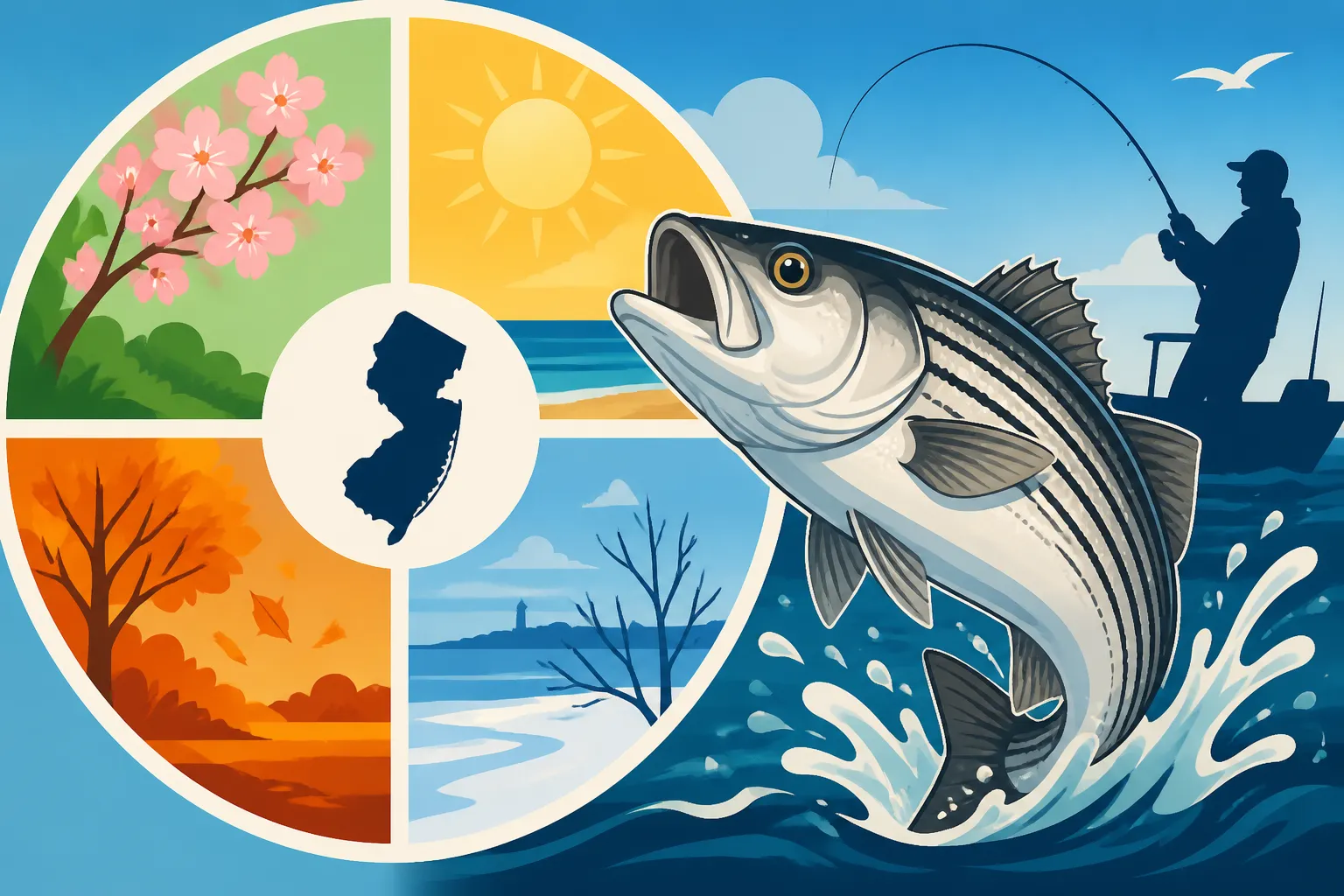
Striped bass, often affectionately called stripers or rockfish, are migratory creatures along the Atlantic Coast, and New Jersey sits right in the middle of their epic journey. Their movements are largely dictated by water temperature and the availability of their favorite forage. This annual pilgrimage gives us distinct fishing seasons, each with its own challenges and rewards. Understanding these Seasonal Fish Migration Patterns Along the New Jersey Coast is crucial for any serious angler.
The Spring Run: A Time of Excitement
As winter’s icy grip loosens and water temperatures slowly climb, usually from late March into May, the first whispers of the spring run begin. This is when the initial wave of migratory striped bass, often smaller "schoolie" fish, moves northward along the coast, following baitfish like bunker (Atlantic menhaden), herring, and spearing. These fish are hungry after their winter dormancy and are heading towards their spawning grounds, primarily in the Chesapeake Bay and Delaware River systems.
The spring run truly kicks into high gear when water temperatures in the bays and nearshore ocean hit that sweet spot, generally between 48 to 55 degrees Fahrenheit. You'll find a mix of fish, from those eager schoolies to larger, pre-spawn breeders that are fattening up before making their way into the rivers. This is a period of high anticipation, as anglers dust off their rods and reels, eager for the first bend in their tip. The action can be hot and heavy, especially in the back bays and estuaries, offering fantastic light tackle opportunities.
Summer Patterns: Seeking Deeper, Cooler Waters
Once the blazing summer sun really takes hold, typically from June through August, and nearshore water temperatures soar above the comfort zone for stripers (generally above 68-70 degrees Fahrenheit), the fishing changes dramatically. Many of the large migratory stripers that passed through in spring will continue north to cooler waters in New England. However, a significant population of "resident" stripers, often referred to as "back bay bass" or "holdovers," will remain in New Jersey.
These summer stripers seek refuge in deeper, cooler water. You'll find them lurking in inlets, around jetties, beneath bridges, or in the cooler, oxygen-rich thermoclines offshore. Bay fishing can still be productive, especially during the cooler morning and evening hours, or at night, as these fish become more nocturnal to avoid the heat and boat traffic. Offshore, they might congregate around wrecks and artificial reefs if conditions are right. It requires a more strategic approach, often involving deeper presentations or targeting low-light conditions.
The Epic Fall Run: Last Chance for Giants
Without a doubt, the fall run, from September through December, is the most celebrated time for Striped Bass Fishing in New Jersey. As air and water temperatures begin to drop, huge schools of striped bass migrate southward from their summer feeding grounds in the north, pushing an enormous amount of baitfish along the coast. This is when massive blitzes can erupt right off the beaches, offering spectacular sight-fishing opportunities.
The fall run is driven by one thing: feeding. Stripers are voraciously gorging themselves on bunker, mullet, peanut bunker, and spearing, building up fat reserves for their winter migration. This is the period when anglers have their best chance at landing truly trophy-sized fish, some well over 40 pounds. The entire coast, from Sandy Hook down to Cape May, can light up with action. The intensity of the bite can fluctuate daily, but when it's on, it's an experience every angler remembers. Anglers who want to learn How to Fish for Striped Bass in New Jersey should definitely plan a trip during this season.
Key Factors Influencing Striped Bass Activity
While the general migration patterns give us a framework, successful striped bass fishing requires paying close attention to several environmental factors. These elements can turn a slow day into an epic one, or vice versa, regardless of the season.
Water Temperature and Forage Availability
We've touched on it, but water temperature is truly paramount for striped bass. Their preferred range is quite broad, from about 48°F to 68°F, but they become more active feeders as temperatures rise within that range. Too cold, and they're lethargic. Too warm, and they seek deeper, cooler water. The movement of baitfish—bunker, mullet, spearing, herring, and even squid—is directly linked to these temperatures. If the bait is present and the water temperature is ideal, the stripers won't be far behind.
Forage availability is the other side of this coin. Striped bass are opportunistic predators, and they follow their food source. If vast schools of bunker are migrating along the coast, you can bet the stripers will be right there, often pushing them to the surface, creating those exciting "blitzes." Conversely, if a particular area lacks bait, even if the water temperature seems perfect, the stripers are unlikely to stick around. Keeping an eye on bait reports and local conditions is just as important as checking the thermometer.
Tides and Moon Phases
For coastal and back bay striped bass fishing, understanding the tides is non-negotiable. Stripers use tidal currents to ambush baitfish, making specific parts of the tide cycle much more productive. Generally, moving water, whether incoming or outgoing, is better than slack tide. Stronger currents disorient baitfish and concentrate them, making them easier targets for predators.
Many experienced anglers swear by certain moon phases as well, particularly the new and full moons. These phases bring the strongest tidal currents (spring tides), which can supercharge the fishing, especially around inlets and bottlenecks where bait is funneled. Learning How to Read Tide Charts for Better Fishing in New Jersey is a skill that will pay dividends for any serious striper enthusiast. While not always a guarantee, combining strong tidal movement with favorable water temperatures and bait presence significantly increases your chances.
Weather Conditions and Barometric Pressure
Believe it or not, the weather above the water also plays a significant role in striper behavior. Overcast days, especially those with a light chop on the water, can often be more productive than bright, sunny days, as they offer stripers more cover for ambushing prey. Strong winds can make fishing difficult, but moderate winds can create current and concentrate bait, leading to good fishing.
Barometric pressure, the weight of the atmosphere, is another subtle but powerful factor. Fish, including stripers, can often sense changes in pressure. A steadily falling barometer, indicating an approaching front, often triggers a feeding frenzy as fish sense a change is coming. Conversely, a rapidly rising barometer after a storm can sometimes shut down the bite temporarily. While not the primary factor, keeping an eye on the forecast and how pressure is trending can give you an edge, especially during marginal conditions.
Seasonal Breakdown: What to Expect Month by Month
Let's dive into a more granular look at what you can expect from New Jersey's striped bass fishery throughout the year. Remember, these are general guidelines, and Mother Nature always has the final say!
Spring March – May
- March: This is generally when the first signs of life appear. Late March sees the earliest schoolie stripers showing up in the warmer backwaters and estuaries, especially around the Mullica River, Great Egg Harbor Bay, and Barnegat Bay. These are typically smaller fish, perfect for light tackle.
- April: The action picks up considerably in April. Larger migratory stripers start moving along the coast. Raritan Bay becomes a major hotspot, with herring and bunker drawing in bigger fish. You'll see increased activity in rivers like the Navesink and Shrewsbury. Many anglers will be using bloodworms or small artificials like soft plastics. Don't forget, New Jersey Striped Bass Slot Limit and Season regulations are in effect, so always check the current rules.
- May: May is often peak spring run, especially for larger fish. Big breeders are migrating north, sometimes moving close to shore. Raritan Bay continues to be phenomenal, and the surf gets active as bunker schools appear. This is a great month for boat anglers trolling Mojos or umbrella rigs, and surfcasters throwing poppers or plugs. The bite can be incredible, but it's also a busy time on the water.
Summer June – August
- June: As water temperatures climb, the big migratory fish start pushing north, and the focus shifts to resident fish. Early June can still offer good action in the surf and bays, particularly during cooler stretches. Later in the month, the inlets, jetties, and deeper areas become key. Night fishing really comes into its own.
- July: This is typically the slowest month for striper fishing in New Jersey due to high water temperatures and boat traffic. Your best bets are fishing very early mornings, late evenings, or deep into the night. Targeting structure in inlets like Manasquan Inlet or Point Pleasant Canal, or fishing deeper channels in New Jersey's Barnegat Bay Fishing Guide, can yield results. Live eels are a top bait during summer nights. Offshore anglers might find them around deeper structure.
- August: Similar to July, August requires dedication and strategic timing. The same tactics apply: low light, deep water, and structure. Some anglers have success targeting stripers around bridges, piers, and other man-made structures that offer shade and current breaks. Don't give up, but adjust your expectations and methods.
Fall September – December
- September: The first whispers of the fall run begin. Cooler nights start to drop bay water temperatures, bringing life back into the estuaries. Schools of mullet and peanut bunker begin their southward migration, signaling the stripers to start moving. Early fall fishing can be fantastic in the back bays and inlets for schoolie to mid-sized fish.
- October: The fall run explodes in October. The entire coast can be red-hot, with large schools of stripers pushing vast quantities of baitfish along the beaches and into the inlets. This is prime time for surfcasters, boat anglers, and kayakers alike. Blitzes can happen anywhere, anytime. Plugs, poppers, bucktails, and soft plastics all become deadly. Many of the internal links, like Raritan Bay Striped Bass Spots or New Jersey Surf Fishing Techniques, become incredibly relevant here.
- November: Often considered the peak of the fall run, November sees consistent action with truly trophy-sized fish migrating through. The bunker schools are huge, and the stripers are in full feeding mode. Anglers often fish cut bait or live bunker from boats, and surfcasters can have incredible days with large plugs and metal. This is the month when chasing a personal best is a very real possibility.
- December: The fall run continues strong into early December, especially in the southern parts of the state. As water temperatures continue to drop, the fish will eventually move offshore or to deeper, warmer pockets for the winter. The later in December, the more challenging it becomes, but dedicated anglers can still find success right up until Christmas, particularly in deep channels and inlets, often using live eels or clams.
Winter January – February
- January & February: These are the toughest months for targeting striped bass in New Jersey. Most migratory fish have moved south or offshore to their wintering grounds. However, hardy anglers can still find "holdover" stripers in specific deep-water areas within estuaries, rivers, and power plant discharges where water stays slightly warmer. These fish are often lethargic, and the bite is subtle, requiring patience and finesse. Think bloodworms, small soft plastics, or eels fished very slowly. It's not for the faint of heart, but a winter striper is a hard-earned trophy.
Top New Jersey Striped Bass Hotspots by Season
Knowing when to fish is only half the battle; knowing where can make all the difference. New Jersey offers a diverse range of environments, each with its own seasonal appeal for striped bass.
Spring Run Havens
During the spring run, the back bays and estuaries are often the first to warm up and become active.
- Raritan Bay: This bay, especially its western reaches and surrounding rivers like the Raritan and Navesink, is legendary for its early spring striper action. Herring and bunker migrate here, drawing in impressive numbers of bass, including large spawning females. Check out Raritan Bay Striped Bass Spots for more specific information.
- Barnegat Bay: Further south, Barnegat Bay also comes alive with schoolie stripers in the spring, especially around the inlets and sedge islands. The relatively shallow water warms quickly, attracting bait and bass. Our guide on New Jersey's Barnegat Bay Fishing Guide delves deeper into these opportunities.
- Delaware River: For those on the western side of the state, the tidal Delaware River system is a significant spawning ground, attracting large stripers in spring. Fishing here offers a unique freshwater-to-brackish experience.
Summer Structure and Inlet Action
When summer hits, stripers seek structure, current, and cooler water.
- Inlets (Manasquan, Shark River, Barnegat, Absecon, Cape May): These are prime locations throughout the summer. The constant current, deep water, and abundant bait make them ideal ambush points. Fishing around the jetties, bridge pilings, and deeper channels, especially at night, can be very productive. Live eels, fresh bunker chunks, or large soft plastics are go-to baits.
- Bridges and Docks: Any substantial structure in bays or rivers that offers shade and current breaks can hold resident stripers. Think the Route 35 bridge over the Manasquan River, or various bridges in Barnegat Bay. These spots often require stealth and a quiet approach.
- Offshore Reefs and Wrecks: While primarily known for sea bass and tautog, deeper artificial reefs and natural wrecks offshore can hold stripers during the summer months, especially during cooler spells. Trolling Mojos or deep jigging can sometimes find them.
Fall Run Blitzes
The fall run is truly a coastal affair, with action potentially erupting anywhere along the surf.
- The Entire Jersey Shore Surf: From Sandy Hook down to Cape May, the entire coastline becomes a potential hotspot. Popular beaches like Island Beach State Park, Long Beach Island, Seaside Park, and those around Cape May Point are known for incredible surf fishing. Island Beach State Park Fishing Access is a phenomenal place for chasing stripers, especially during the fall.
- Inlets and Bay Mouths: As bait funnels out of the bays and along the coast, inlets become chokepoints where stripers gorge. Manasquan Inlet and Barnegat Inlet are particularly famous for their fall run intensity, with both boat and shore anglers enjoying phenomenal action.
- Raritan Bay (again!): While often thought of as a spring destination, Raritan Bay can also hold a strong fall run, especially earlier in the season, as stripers stage before their full southward migration.
Gear and Techniques for Seasonal Striped Bass Fishing
Matching your gear and approach to the season and fish behavior is critical. You wouldn't use a light freshwater rod for a fall run trophy, just as you wouldn't lug a heavy surf rod to a narrow spring backwater.
Spring and Fall Blitz Tactics
For both the spring and fall runs, when stripers are actively feeding and often pushing bait to the surface, a versatile medium-heavy spinning rod (7-9 feet) paired with a reliable 4000-6000 series reel spooled with 30-50lb braided line is a solid choice. This setup allows for casting various lures and fighting powerful fish.
- Lures: During these active periods, artificial lures shine. Poppers create surface commotion, imitating fleeing baitfish, and are incredibly exciting to fish. Swimming plugs (like Daiwa SP Minnows, or various offerings you can find on Amazon) imitate baitfish subsurface. Metal lip swimmers are also very effective. For deeper water or when fish are holding down, bucktail jigs (many anglers prefer the traditional Spro bucktails) or soft plastics (like a white or chartreuse Fin-S Fish) rigged on jig heads are deadly. Check out our guide on the Best Lures for Striped Bass Fishing for more details.
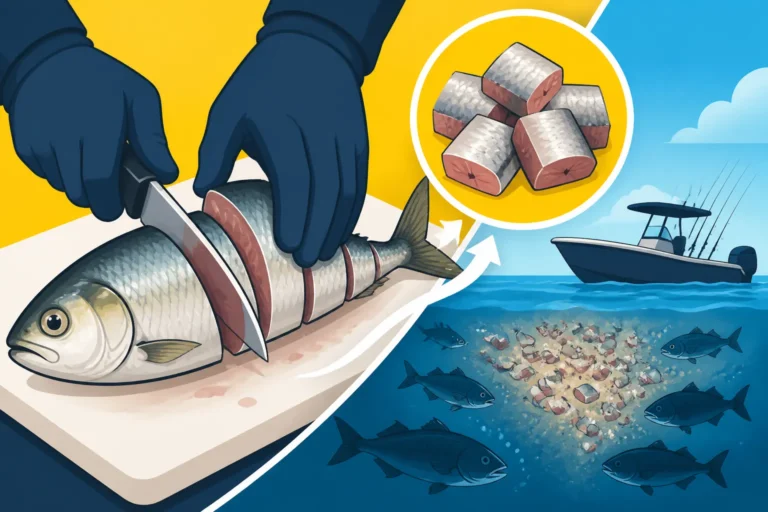
- Bait: While artificials are popular, bait can be equally effective, especially when fish are finicky or during slower periods. Fresh clam, cut bunker, or whole live bunker (if legal and available) are phenomenal. In the spring, particularly in Raritan Bay, bloodworms are a top choice. Remember to adhere to New Jersey Circle Hook Requirements for Bait Fishing when using natural bait.
Summer Lures and Baits
Summer fishing often requires more finesse or a willingness to fish with live bait during the darker hours.
- Lures: Inlets or around structure, bucktail jigs worked slowly along the bottom or soft plastics on heavier jig heads are effective. For night fishing, dark-colored swimming plugs or eels can be enticing. If you're targeting fish around deeper reefs offshore, weighted metal jigs can draw strikes.
- Bait: Live eels are arguably the king of summer striper baits, especially at night around inlets and bridges. They are irresistible to larger stripers. Fresh bunker chunks or live small baitfish (like mullet or snapper blues) can also work well, fished on a fish-finder rig on the bottom.
When purchasing new gear, it's always a good idea to check reputable fishing supply stores or even online retailers like Amazon for quality rods, reels, and terminal tackle that can withstand the rigors of saltwater fishing. Investing in quality ensures your gear stands up to big fish and harsh conditions.
Common Mistakes and How to Avoid Them
Even seasoned anglers can fall into traps when targeting striped bass. Being aware of these common pitfalls can help you improve your success rate.
Misreading Migration Patterns
One of the biggest mistakes is assuming that because it's "striper season," fish will be everywhere. As we've discussed, stripers are highly migratory, and their presence in a particular area is transient. Anglers who consistently fish the same spot with the same method all season long often miss out.
How to avoid it:
- Stay Informed: Join local fishing forums, follow reputable tackle shops on social media, and read local fishing reports. These resources provide real-time updates on where the fish are and what they're biting on.
- Be Flexible: Don't be afraid to travel to a different part of the coast or change your fishing style if your usual spot isn't producing. If the bite is hot in Barnegat Inlet, but you're still fishing the Sandy Hook surf with no success, it might be time for a change of scenery.
- Understand the "Why": Don't just follow reports blindly. Try to understand why the fish are where they are. Is it bait? Water temperature? Current? This helps you anticipate their movements rather than just reacting to them.
Ignoring Local Conditions
Another common mistake is to ignore the hyper-local conditions of your chosen fishing spot. The general tide chart might say high tide, but what's happening right in front of you? Is there a strong rip current? Is the water unusually dirty or clear? Is bait present?
How to avoid it:
- Observe: Before making your first cast, take a few minutes to observe the water. Look for signs of baitfish (nervous water, splashes, birds diving), current lines, structure, and changes in water color.
- Check Temperature: If you have a portable thermometer, use it. A few degrees difference can entirely change a spot's productivity.
- Adapt Your Approach: If the water is dirty, switch to brighter, louder lures or natural bait. If the current is ripping, use heavier jigs or sinkers. If there's no visible bait, try a different presentation or move to another area. Don't be a one-trick pony. For instance, sometimes a slower retrieve with a bucktail jig is more effective than a fast one, depending on the current and mood of the fish.
By constantly learning, adapting, and paying attention to both the big picture migration and the small details of local conditions, you'll significantly increase your chances of consistent success when chasing New Jersey's magnificent striped bass.
Here's a quick summary of what to expect throughout the year:
| Season | Months | Primary Location Types | General Fish Size | Key Techniques / Baits | Challenges |
|---|---|---|---|---|---|
| Spring Run | March – May | Back bays, tidal rivers, nearshore ocean, Raritan Bay | Schoolie to Large | Bloodworms, bunker chunks, soft plastics, plugs, jigs | Variable weather, crowds, regulations change |
| Summer | June – August | Inlets, jetties, deep channels, bridges, offshore wrecks | Resident to Medium | Live eels, bunker chunks, deep jigs, night fishing | High water temps, boat traffic, slower bite |
| Fall Run | September – December | Surf, inlets, nearshore ocean, Raritan Bay | Medium to Trophy | Plugs, poppers, bucktails, live/cut bunker | Intense crowds, rapidly changing conditions |
| Winter | January – February | Power plant discharges, deep estuaries, warmer pockets | Holdover Schoolie | Slow-fished bloodworms, small plastics | Very cold, scarce fish, subtle bite |
Disclaimer
Fishing conditions and regulations in New Jersey can change frequently. Always consult the latest New Jersey Division of Fish and Wildlife digest or website for the most current rules, seasons, and size limits before heading out on the water. This guide is for informational purposes only.