How to Fish a Falling Tide
There's nothing quite as frustrating as heading out to your favorite New Jersey fishing spot, only to find the bite completely shut down. You've got the right bait, the perfect lure, and the weather's cooperating, but the fish just aren't biting. Often, the silent culprit is the tide, especially if you're not paying attention to its subtle shifts. But here's a secret: a falling tide can be one of the most productive times to fish along the Jersey Shore and its estuaries, if you know how to read it and what to do. This comprehensive guide will walk you through everything you need to know about fishing a falling tide in New Jersey, transforming those slow days into memorable catches.
Understanding the Dynamics of a Falling Tide in New Jersey
To truly master fishing a falling tide, you first need to grasp what a tide is and how it behaves specifically in our diverse New Jersey waters. It's not just water going out; it's a complex dance influenced by the moon, sun, and the unique geography of our coastline and back bays.
The Basics of Tidal Movement and How it Affects Fish
Tides are essentially the rise and fall of sea levels caused by the gravitational forces of the moon and sun, combined with the rotation of the Earth. In New Jersey, we experience semi-diurnal tides, meaning we generally have two high tides and two low tides each day. A "falling tide" or "outgoing tide" is the period when the water level is receding from high tide to low tide. This isn't just an aesthetic change in the waterline; it's a fundamental shift in the underwater environment that triggers a feeding response in many fish species.
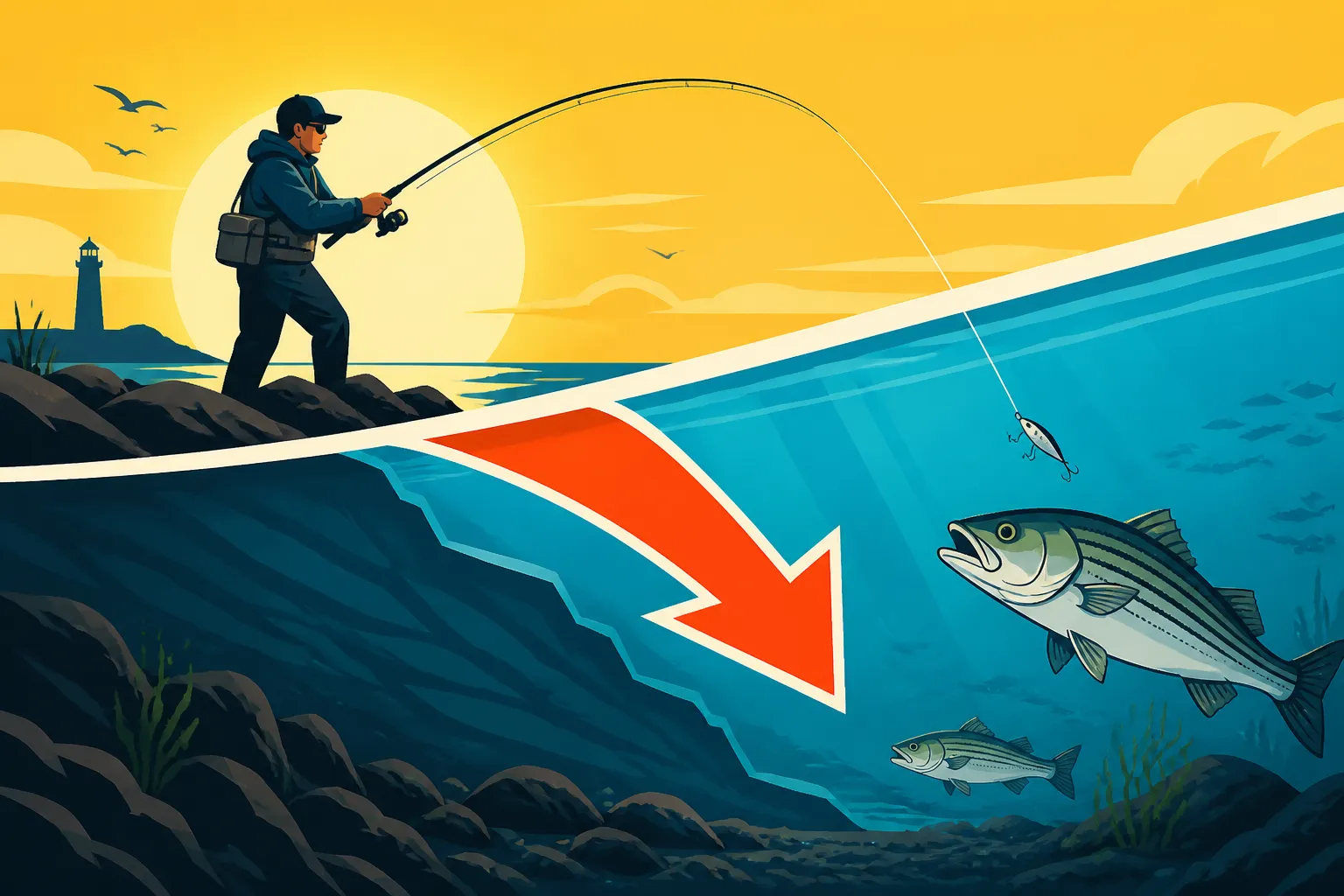
As the water starts to drop, it creates currents that sweep through bays, inlets, and along the coastline. These currents dislodge baitfish, crabs, shrimp, and other forage from their hiding spots, carrying them out of shallow areas or concentrating them in specific zones. Fish, being opportunistic predators, are well-attuned to these movements and position themselves to intercept this easy meal. Understanding this basic principle is your first step towards consistently finding fish during this crucial tidal phase.
Reading New Jersey Tide Charts Like a Pro
Knowing when the tide is falling and how fast it's moving is paramount. Thankfully, with modern technology, reading tide charts is simpler than ever. You can find detailed tide predictions for virtually every major inlet and bay along the Jersey Shore through various online resources or apps. These charts will show you the exact times for high and low tide, often along with the predicted height of the water.
When looking at a chart, identify the high tide mark, then look for the subsequent low tide. The period in between is your falling tide window. But it's not just about the start and end times; the rate of the fall is also critical. The strongest currents usually occur during the middle hours of the falling tide, often referred to as "mid-outgoing." This is frequently when the fishing is at its peak, as bait is flushing out most vigorously. Paying attention to these specifics, including checking out comprehensive guides on How to Read Tide Charts for Better Fishing in New Jersey, can make all the difference in planning your trip.
Differences Between Bay, Inlet, and Ocean Falling Tides
New Jersey offers an incredible variety of fishing environments, and how a falling tide impacts them varies significantly. In the vast, shallow expanses of Barnegat Bay, for example, the falling tide might create gentle currents that slowly drain water from marsh grass and flats, bringing bait out into deeper channels. The impact here is more about exposing structure and concentrating forage as water recedes.
Contrast that with a major inlet like Manasquan Inlet or Barnegat Inlet. Here, a falling tide can generate incredibly strong, fast-moving currents that act like a river. This powerful flush of water can be dangerous for smaller boats and waders, but it's also a highway for migrating fish and an ambush point for predators. Offshore in the ocean, the influence of the local tide on currents diminishes, but it can still affect nearshore structure, rips, and the movement of bait pods closer to the beach. Each environment demands a slightly different approach, both in technique and in safety precautions.
Why Falling Tides Are Often More Productive for Anglers
Many seasoned New Jersey anglers swear by the outgoing tide, and for good reason. It’s not just a preference; there are fundamental ecological reasons why fish become more active and accessible during this phase.
Concentrating Bait and Predators in Key Areas
As the tide falls, water drains from vast areas of shallow flats, marsh grass, and feeder creeks. All the small baitfish – think mullet, spearing, killifish – and crustaceans like crabs and shrimp that took refuge in these areas during high tide are suddenly exposed or pushed out into deeper channels, troughs, and current seams. It’s like a conveyor belt of food moving directly into the waiting mouths of larger predatory fish.
Striped bass, bluefish, fluke, and weakfish understand this dynamic perfectly. They will stage themselves strategically at the mouths of creeks, along channel edges, or behind structure where the current creates an eddy. Here, they can expend minimal energy while maximum food comes to them. For an angler, this means you can often pinpoint where the fish should be, rather than blindly casting into open water. Knowing these concentration points drastically increases your chances of a hook-up.
Exposing Structure and Uncovering Food Sources
High tide often masks a wealth of underwater structure: oyster beds, mussel banks, rock piles, downed trees, and sandbars. As the water level drops, these features begin to emerge or become more pronounced. This isn't just about revealing hidden snags for your lure; it's about exposing prime feeding grounds. Crabs, worms, and other bottom-dwelling organisms become more vulnerable or are dislodged by the retreating water, sending out scent trails that attract scavengers and predators.
Furthermore, this exposure of structure helps anglers visualize the underwater topography. What might have looked like featureless water at high tide now reveals contours, drop-offs, and current breaks where fish love to hold. Whether you’re fishing from shore, a dock, or a boat, paying attention to how the falling tide interacts with structure can reveal hotspots you’d otherwise overlook. This is particularly true in areas with extensive marsh systems, where the edges of the Spartina grass become critical feeding lanes.
Increased Current Activity and Oxygenation
The movement of water during a falling tide isn't just about transporting bait; it’s also about activating the entire aquatic system. Increased current flow stimulates fish, making them more active and aggressive. Think of it like a treadmill for fish – they need to work a little harder to hold their position, which often makes them more willing to strike. This current also oxygenates the water, which can be particularly beneficial during hot summer months when oxygen levels might dip in stagnant areas.
Moreover, the current helps to disperse scent from your bait, creating a wider attractant field. If you’re using cut bait or live bait, the falling tide’s current will carry those natural smells downstream, drawing fish in from a broader area. This synergy of concentrated bait, exposed structure, and active, oxygenated water makes the falling tide a consistently rewarding time for New Jersey anglers targeting a wide array of species.
Prime Fishing Locations for New Jersey's Falling Tides
Knowing that a falling tide is good is one thing; knowing where to fish it effectively is another. New Jersey offers a plethora of spots that come alive during the outgoing flow.
Inlets and Estuaries: Natural Funnels for Fish
New Jersey's numerous inlets and expansive estuaries are perhaps the most iconic spots to fish a falling tide. Inlets act as natural funnels, concentrating vast amounts of water and everything in it as the tide moves in and out of the bays and oceans. As the water rushes out of Barnegat Bay, for instance, through the Barnegat Inlet, it creates powerful rips and current seams that baitfish are forced through. Predators like striped bass, bluefish, and even large fluke will lie in wait at these choke points, ambushing anything carried their way.
Estuaries, where freshwater rivers meet saltwater bays, offer similar but often less aggressive dynamics. The mouths of rivers like the Toms River or Mullica River, as they empty into their respective bays, become prime ambush points. Fish will position themselves along channel edges, submerged bars, or jetty rocks, using the current to their advantage. Whether you’re fishing from the jetty rocks at Manasquan Inlet or exploring the back channels of Great Bay, these areas demand attention on a falling tide.
Docks, Piers, and Bridge Pilings: Man-Made Structure
Man-made structures like docks, piers, and bridge pilings provide excellent ambush points on a falling tide. These structures break up the current, creating eddies and slack water areas on their downstream side where baitfish can momentarily find refuge, and predators can hide. As the tide falls, bait is swept past these structures, offering a perfect target for fish waiting in ambush.
Consider fishing the Point Pleasant Canal or around the bridges crossing the lagoons in towns like Toms River. Striped bass and tautog are particularly fond of holding tight to pilings, ready to dart out and snatch a passing meal. For anglers, this means casting your bait or lure upstream of the structure and allowing the current to carry it naturally past the pilings or along the dock lines. This method allows your presentation to look like an easy meal caught in the current, which is often irresistible. Don't forget to check out a guide on Best New Jersey Piers and Jetties for Shore Fishing for specific locations.
Shallow Flats and Spartina Grass Edges
While high tide allows fish and bait to spread out over shallow flats and deep into the Spartina grass marshes, a falling tide reverses this. As the water recedes, these areas become too shallow, forcing baitfish, crabs, and shrimp out into deeper channels, creek mouths, and bay edges. This exodus creates a feeding frenzy opportunity.
Anglers targeting fluke, weakfish, and smaller striped bass will often do well fishing the edges of these retreating waterlines. Focus on the last remaining pockets of water on the flats, or cast along the demarcation line where the marsh grass meets the slightly deeper channel. Fish will patrol these edges, picking off any forage that can no longer hide. This is a subtle but highly effective strategy, especially in expansive bay systems like New Jersey's Barnegat Bay Fishing Guide or Great Egg Harbor Bay.
Beachfront Washes and Gutters for Surf Anglers
For those who prefer the sand between their toes, the falling tide can be incredibly productive for surf fishing along New Jersey's vast coastline. As the ocean water pulls back, it exposes hidden features in the surf zone: deeper gutters, sandbars, and wash zones where waves break. These areas often hold baitfish seeking shelter and, consequently, attract predatory fish like striped bass and bluefish.
The receding water also creates a strong undertow, which can dislodge crabs, worms, and clams from the sand, making them available to fish patrolling the troughs. Anglers should focus their efforts on casting into the visible cuts and depressions created by the falling tide. Pay attention to where the waves are breaking and where the water looks deeper; these are often the "sweet spots." When the water pulls back, it becomes easier to identify these productive areas. Learn more about effective strategies in our guide to New Jersey Surf Fishing Techniques.
Top Species to Target During a Falling Tide
While many fish will respond to tidal movements, some species are particularly active and accessible during the falling tide in New Jersey. Knowing what to target will help you choose the right gear and techniques.
Striped Bass: The Apex Predator of the Current
Striped bass are absolute masters of using current to their advantage, making them a prime target on a falling tide. Whether they are resident fish in a bay or migratory giants pushing through the inlets, stripers will position themselves strategically to ambush bait being swept out with the current. Inlets like Manasquan or Barnegat become hotspots during the outgoing flow, especially during the spring and fall migrations.
You’ll find them holding in eddies behind structure, along the edges of rips, or in deep channels where the current is strong. They'll be looking for an easy meal, so presenting a bait or lure that mimics something struggling in the current is key. Popular choices include live bunker, eels, or artificial lures like bucktail jigs, soft plastics, or swimming plugs. Remember to stay compliant with local rules like the New Jersey Striped Bass Slot Limit Explained when targeting these impressive fish.
Fluke (Summer Flounder): Drifters and Ambush Hunters
Fluke, also known as summer flounder, absolutely love a falling tide, particularly in the bays and around inlets. These flatfish are ambush predators that rely on current to bring food directly to them. They'll bury themselves in the sand or mud, often along channel edges, points, or the mouths of creeks, waiting for unsuspecting baitfish or crustaceans to drift by.
As the tide falls, bait is flushed out of shallower areas, creating a perfect feeding scenario for fluke. Drifting with the current using live bait (like spearing, snapper bluefish, or killifish) or bucktail jigs tipped with Gulp! or cut bait is an incredibly effective technique. Focus on areas where the current forms distinct edges or where there are sudden changes in depth. Don't forget to keep an eye on the New Jersey Fluke Size Limit: 18 Inches to ensure your catches are legal.
Bluefish: Aggressive Feeders in the Current
Bluefish are notorious for their aggressive feeding habits, and a strong outgoing tide often triggers them into a frenzy. Like striped bass, they use the current to their advantage, herding baitfish and tearing through schools with reckless abandon. You'll often find them lurking in inlets, rips, and along the beachfront during a falling tide, especially when schools of bunker or spearing are present.
Metal lures like Kastmasters or diamond jigs, poppers on topwater, or even live or cut bait (like bunker chunks) are all effective for bluefish. They’re not picky, but their sharp teeth demand a strong leader! When they're in a "bluefish blitz" during an outgoing tide, it can be some of the most exciting fishing around. Being aware of the New Jersey Bluefish Season Peak Timing can help you plan your trips for maximum success. You can also learn How to Chum for Bluefish in New Jersey Waters for even better results.
Weakfish and Tautog: Structure Lovers on the Move
While perhaps not as synonymous with falling tides as stripers or fluke, weakfish and tautog (blackfish) also respond well to the outgoing flow, especially around specific structures. Weakfish, known for their iridescent sheen and delicate mouths, often feed in channels and around structure where current delivers their preferred prey of shrimp, spearing, and worms. The falling tide can activate them, particularly in estuaries and bay mouths. Soft plastics like pink or chartreuse Fin-S Fish or Gulp! shrimp are excellent choices.
Tautog, on the other hand, are strictly structure-oriented. While they don't actively hunt in the current like bass, the outgoing tide can bring a steady stream of crabs, mussels, and other crustaceans past their rocky hideouts. Fishing green crabs or fiddler crabs tight to bridge pilings, jetty rocks, or wrecks during a falling tide can be very productive for tautog. They'll patiently wait for their meal to come to them.
Essential Techniques and Gear for Falling Tides
To make the most of a falling tide, you need to employ the right techniques and have the appropriate gear. This isn't just about what you use, but how you use it to mimic natural prey behavior in moving water.
Live Bait Rigging and Presentation
When fishing with live bait on a falling tide, your presentation needs to look as natural as possible. The current will do most of the work for you, so it's often about minimal weight and proper positioning. For fluke, a classic "fish-finder" or "sliding sinker" rig with a small weight that allows your bait to drift naturally along the bottom is excellent. For striped bass or bluefish, a free-lined live bunker or eel with just enough weight to keep it in the strike zone, or even no weight at all in lighter currents, can be deadly.
The key is to cast your bait upstream of where you expect the fish to be and allow the current to carry it down naturally. Avoid heavy weights that peg your bait to the bottom, as this looks unnatural. Adjust your weight as the current strength changes. Fresh, lively bait is crucial, as its natural movements will be amplified by the current, making it even more enticing to predators.
Lure and Jig Selection for Current
Artificial lures, especially bucktail jigs and soft plastics, are incredibly effective on a falling tide because they can be worked to imitate struggling baitfish in the current. Best Lures for Striped Bass Fishing often include these versatile options. Bucktails, in particular, are designed to cut through the water and pulse enticingly as they drift and are retrieved. The weight of the jig should match the current strength – you want just enough weight to get it to the bottom and stay in the strike zone without being swept away too quickly.
When fishing soft plastics, use lighter jig heads and allow the current to impart much of the action. Cast upstream and let the lure tumble and swim naturally downstream, occasionally twitching your rod tip to add movement. Swimming plugs and metal spoons can also be highly effective, particularly in inlets where predators are actively chasing schools of bait. Again, choose lures that can hold their action in current and mimic the forage present. You can find a vast selection of these on Amazon, making it easy to stock up before your next trip.
Rod and Reel Considerations
For fishing a falling tide, especially in strong currents, a rod and reel setup that can handle the extra strain is essential. For most bay and inlet fishing, a medium-heavy to heavy action spinning rod (7-8 feet) paired with a reliable spinning reel in the 4000-6000 size range is ideal. This setup provides the backbone to fight strong fish in current and the casting power needed to reach distant rips. Look for a reel with a good drag system, as fish caught in strong currents can pull exceptionally hard.
For those targeting larger striped bass or offshore species in deep inlets, a conventional setup might be preferred, offering even more cranking power and line capacity. Braid is often the line of choice due to its sensitivity and strength-to-diameter ratio, which helps cut through the current. However, a fluorocarbon leader is always recommended for abrasion resistance and stealth. Don't cheap out on your gear; a reliable setup can make all the difference, and a quick search on Amazon for "saltwater fishing rod and reel combo" will give you plenty of robust options.
Casting and Presentation Strategies
The most important casting strategy for a falling tide is to "read the water" and understand how the current is moving. Identify eddies, current seams (where two currents meet), and areas where the current slows down behind structure. These are prime ambush points. Cast your bait or lure upstream of these areas and allow the current to carry it naturally into the strike zone.
Avoid simply casting straight out or directly into the current, as your bait will likely just sit unnaturally or get swept away too quickly. The goal is to present your offering as if it’s another piece of food being carried by the natural flow. Pay attention to your line and feel for subtle bites, as fish in current can sometimes hit very lightly. A slow, controlled retrieve, allowing the current to impart much of the action, is often more effective than a fast, aggressive one. Always be prepared for an immediate strike as your lure or bait enters the prime feeding zone.
Safety and Environmental Awareness on Falling Tides
While incredibly productive, fishing a falling tide, especially in dynamic New Jersey waters, requires a strong awareness of your surroundings and adherence to safety protocols.
Navigating Strong Currents and Rips Safely
The very currents that make a falling tide so productive can also be dangerous. Inlets and passes connecting large bodies of water can develop extremely powerful rips and swift currents that can quickly sweep away unsuspecting waders or small boats. If you're fishing from shore, be mindful of how quickly the water can recede, potentially stranding you on an exposed bar or creating a deep, fast-moving channel between you and the shore. Always wear appropriate footwear with good grip.
If you're fishing from a boat, never underestimate the power of these currents. Know your boat's capabilities and always wear a life jacket. Be aware of other boat traffic, as navigation can become tricky in strong rips. It’s always a good idea to scout an area at different tidal stages before fishing it for the first time, especially if you plan to navigate by boat. Strong currents can also cause your anchor to drag, so make sure your anchoring system is up to the task or consider drifting safely through productive zones.
Watching for Exposed Hazards and Changing Bottom
As the tide falls, submerged rocks, sandbars, oyster beds, and other hazards that were hidden at high tide can become exposed or dangerously close to the surface. This is particularly true in shallower bay systems and estuaries. For boaters, this means exercising extreme caution, especially if you're exploring new areas. Rely on up-to-date nautical charts and keep a close eye on your depth finder.
For shore anglers and waders, exposed structure can create excellent fishing opportunities but also pose a tripping hazard. Be aware of slippery surfaces, sharp oyster shells, and uneven bottom contours. What looked like a flat, sandy bottom at high tide might reveal a minefield of rocks and holes once the water pulls back. Always wear sturdy boots or wading shoes, and consider a wading staff for added stability.
Personal Safety and Wading Considerations
Wading during a falling tide requires extra precautions. The receding water can create strong undertows, even in seemingly calm areas, pulling sand out from under your feet. Never wade into water that is moving faster than you can safely walk against, and always be aware of your escape route. The bottom can be deceptive, dropping off suddenly or becoming extremely soft in patches.
Consider fishing with a buddy, especially if you're exploring new wading spots. Always let someone know where you're going and when you expect to return. Dress in layers, as conditions can change quickly, and bring plenty of water and sun protection. In New Jersey, you might also consider securing your New Jersey Saltwater Registry Explained if fishing coastal waters. Being prepared and respectful of the powerful forces of the ocean will ensure a safe and enjoyable fishing experience, allowing you to focus on the thrill of the catch rather than potential dangers. And remember, staying informed about New Jersey Fishing Regulation Changes for 2026 and even New Jersey Fishing License Guide for 2026 is part of being a responsible angler.
Summary of Falling Tide Strategies
| Species Targeted | Prime Falling Tide Locations | Recommended Bait/Lures | Key Techniques | Safety Considerations |
|---|---|---|---|---|
| Striped Bass | Inlets, Estuary Mouths, Bridge Pilings | Live Bunker/Eels, Bucktails, Swimming Plugs | Cast upstream, allow natural drift, target current breaks | Strong currents, boat traffic |
| Fluke (Summer Flounder) | Bay Channels, Creek Mouths, Shallow Flat Edges | Live Spearing/Killifish, Gulp! Shrimp, Bucktails | Drift with current, bounce bait off bottom | Watch for exposed bars in shallow areas |
| Bluefish | Inlets, Beachfront Washes, Rips | Metal Lures, Poppers, Cut Bait (Bunker) | Fast retrieve with metal lures, popping topwater | Sharp teeth, fast current, avoid blitzes from small craft |
| Weakfish | Estuaries, Bay Channels, Docks | Soft Plastics (Pink/Chartreuse), Gulp! Shrimp | Slow retrieve with jig, allow current to move bait | Keep an eye on depth, sensitive bite |
| Tautog | Bridge Pilings, Jetties, Wrecks, Rocks | Green Crabs, Fiddler Crabs, Clams | Fish tight to structure, heavy sinker to hold bottom | Slippery rocks, swift currents around structure |
Disclaimer
The information provided in this guide is for general informational purposes only and is not intended as legal advice or a definitive statement of fishing regulations. Fishing rules and conditions in New Jersey can change frequently. Always consult the latest New Jersey Fish and Wildlife Digest or their official website for the most up-to-date regulations, including licensing requirements, bag limits, and size restrictions, before heading out on the water. Stay safe and fish responsibly.