Legality of Shark Fishing From New Jersey Beaches
So, you've been dreaming of that epic battle with a powerful shark right off a New Jersey beach, haven't you? It's a primal urge, and there's nothing quite like the thrill of feeling that weight on the end of your line. But before you cast out, many anglers, myself included, have wondered: is shark fishing from our beautiful New Jersey beaches even legal? This guide will dive deep into the regulations, species, and best practices to ensure your shore shark fishing adventures are both compliant and responsible.
Understanding the Basics of Shore-Based Shark Fishing Legality in New Jersey
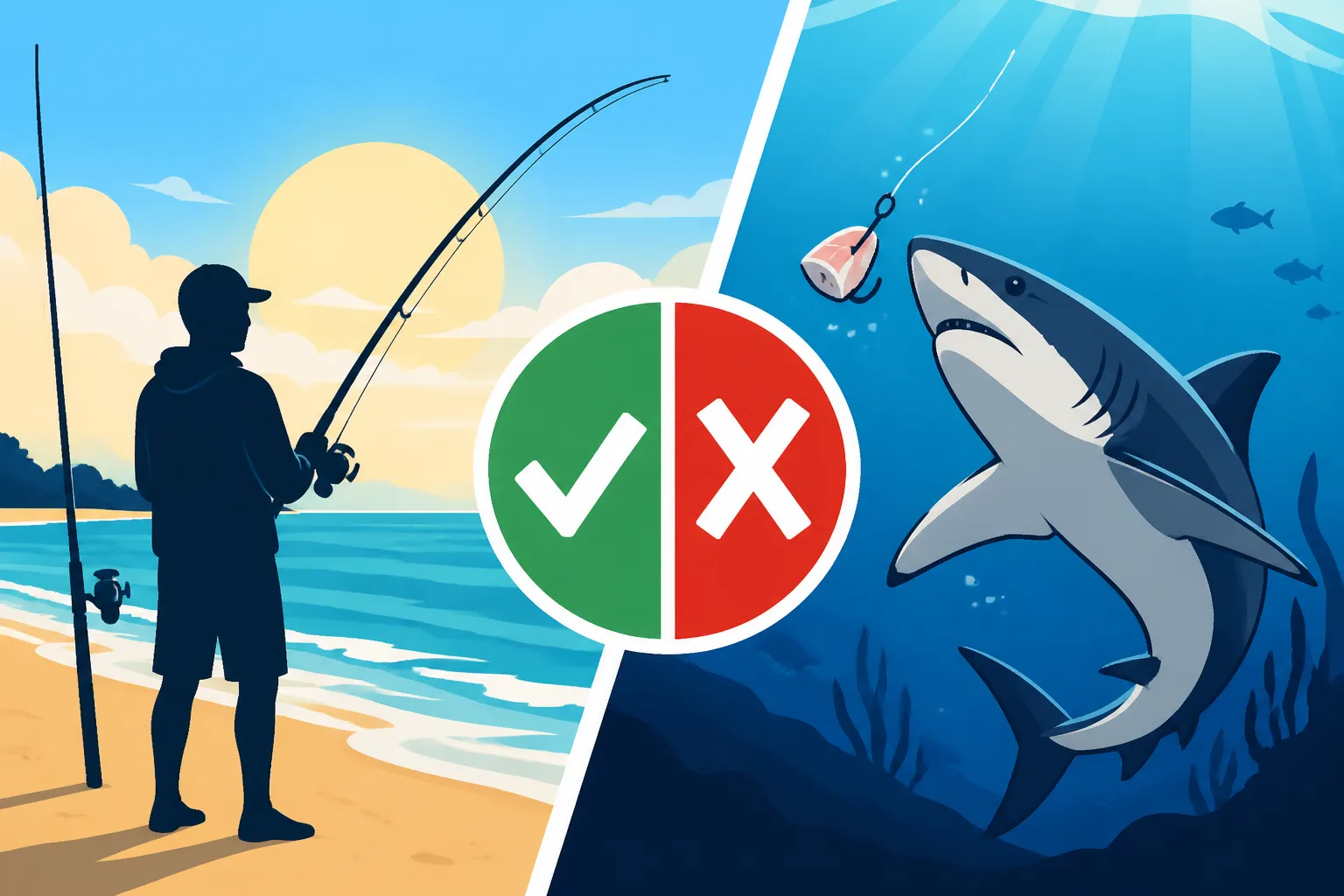
Let's cut right to the chase because this is often where the confusion begins: Yes, it is generally legal to fish for sharks from New Jersey beaches, but there are some absolutely critical "buts" you need to understand. It's not a free-for-all, and the regulations are in place for good reasons – primarily conservation and public safety. You can't just reel in any shark you catch and toss it in your cooler. The rules are designed to protect vulnerable populations while still allowing recreational angling for certain species under specific conditions.
The biggest hurdle for many anglers is navigating the federal and state regulations that govern highly migratory species like many sharks. New Jersey falls under the Atlantic States Marine Fisheries Commission (ASMFC) and the National Oceanic and Atmospheric Administration (NOAA) Fisheries, which means you're dealing with layers of rules. This isn't like catching a fluke where the state sets a simple size and bag limit. Sharks are a whole different beast, both literally and figuratively, when it comes to regulations.
Federal and State Regulations for Sharks
When you're fishing for sharks from the beach in New Jersey, you're primarily concerned with two sets of rules: federal and state. Federal regulations, set by NOAA Fisheries, generally apply to highly migratory species across their entire range in U.S. waters. These rules dictate things like which shark species are prohibited from harvest (meaning you can't keep them, even if you accidentally catch them), minimum sizes for permitted species, and specific gear requirements. New Jersey then adopts or adds to these federal guidelines for its state waters, often making things even more specific. It's crucial to consult the latest New Jersey Fish and Wildlife Digest, which you can usually find online or at tackle shops, as regulations can and do change. This document is your Bible for all things legal on the water.
One of the first things you'll encounter is the Highly Migratory Species (HMS) Angling Permit. While most recreational anglers fishing from shore won't need this federal permit if they only intend to catch and release, if you ever plan to harvest a shark (which is rare for shore anglers, but possible for some species), or if you venture onto a boat that targets HMS, you need to be aware of it. For most shore-bound shark enthusiasts, the focus will be on understanding the species-specific rules for catch and release and how those interact with your New Jersey fishing license. Remember, you'll still need a valid New Jersey Fishing License Guide for 2026 to fish any public waters, freshwater or saltwater, and if you're in saltwater, you'll also need to comply with the New Jersey Saltwater Registry Explained.
Understanding Prohibited vs. Permitted Species
This is perhaps the most critical distinction for any aspiring shore shark angler. Not all sharks are created equal in the eyes of the law. Many species are federally protected and are strictly catch-and-release, often with specific handling requirements to ensure their survival. These are the "prohibited species," and keeping one is a serious offense. Think sand tiger sharks, white sharks, dusky sharks, and a host of others. Even if you accidentally catch one, you must release it immediately and unharmed.
Then there are "permitted species" – sharks that, under specific conditions, can be retained. For shore anglers, this usually means smaller species like Atlantic sharpnose sharks, smooth dogfish, or spiny dogfish. However, even for these, there will be strict New Jersey Daily Bag Limits by Species and size limits. For example, if you catch an Atlantic sharpnose, you can't just keep it because it's a "permitted species" – you still need to make sure it meets the minimum size requirement and that you haven't exceeded your daily bag limit. It's a lot to keep track of, but it's essential for both legal compliance and the health of our marine ecosystems. A good resource for checking the most current regulations for each specific species is always the Reading the New Jersey Fish and Wildlife Digest.
Navigating Species-Specific Rules, Size Limits, and Gear Requirements
The world of shark fishing regulations can feel like a labyrinth, especially when you factor in all the different species. It's not just about knowing if you can fish for sharks; it's about which sharks, how big they need to be, and what gear you're allowed to use. This complexity is designed to protect vulnerable shark populations, many of which are slow-growing and late to reproduce, making them particularly susceptible to overfishing.
When you're casting your line from a Jersey Shore beach, you’re engaging with a delicate ecosystem. Understanding the specific rules for each shark species is paramount, not just to avoid penalties but to be a responsible angler. The fines for violating shark fishing regulations can be steep, and ignorance is rarely accepted as an excuse.
Prohibited Shark Species: Identify and Release
First and foremost, you need to familiarize yourself with the list of prohibited shark species. These are sharks that, by law, cannot be kept, possessed, or harvested in any way. If you catch one, you are legally obligated to release it immediately, alive, and with as little harm as possible. This means no dragging it onto the sand for a photo op, no gaffing it, and minimizing the time it spends out of the water.
Common prohibited species you might encounter from the New Jersey shore include:
- Sand Tiger Sharks: These are often caught by surf anglers and are easily identifiable by their slender, pointed teeth. They are a federally protected species.
- Sandbar Sharks: Another common catch, often mistaken for other species. They have a more blunt snout than sand tigers.
- Dusky Sharks: These are also a federal prohibited species and look similar to sandbar sharks but have a more triangular dorsal fin.
- White Sharks: While rare, juvenile white sharks are sometimes seen closer to shore. If you hook one, it's an immediate, careful release.
- Hammerheads (certain species): Specific hammerhead species are prohibited; others may have very strict regulations.
It's your responsibility to be able to identify these species quickly and accurately. This can be challenging in the heat of the moment, especially if you're new to shark identification. Many anglers carry a laminated shark identification chart, or have one readily accessible on their phone, to help with quick identification. You can often find these guides online or through educational resources. Investing in a good pair of pliers or a dehooking tool is crucial for a quick release, minimizing stress on the fish.
Permitted Shark Species: Size, Bag Limits, and Seasons
Now, let's talk about the sharks you can potentially keep, provided they meet all legal requirements. For shore anglers, these are typically smaller, more common species. Even for permitted species, however, you must adhere to strict size and bag limits set by both federal and state authorities. These limits are subject to change, so always check the latest regulations in the New Jersey Fish and Wildlife Digest.
Examples of commonly permitted shark species from shore include:
- Atlantic Sharpnose Shark: A smaller shark, usually under three feet.
- Smooth Dogfish: Often confused with small sharks, these are abundant and frequently caught.
- Spiny Dogfish: Similar to smooth dogfish, but with a spine at the front of each dorsal fin.
For these species, pay close attention to the details in the New Jersey Marine Fish Size Chart 2026 and How Bag and Size Limits Work in New Jersey. You might find rules like "one shark per person per day, not to exceed X inches." The combination of these rules is designed to allow recreational harvest while preventing overfishing. It’s a balancing act. Sometimes, specific seasons might also apply, so be mindful of the New Jersey Fishing Season Dates and Closures.
Circle Hook Requirements and Other Gear Restrictions
Beyond species and size, the type of gear you use for shark fishing from shore is also regulated, particularly concerning hooks. Federal regulations often mandate the use of non-offset circle hooks when fishing for sharks (and other HMS like tuna or billfish) with natural bait.
Why circle hooks? They are a conservation tool. Circle hooks are designed to hook fish in the corner of the mouth, rather than deep in the gullet. This significantly reduces gut hooking, which is often fatal for fish, especially if you plan on releasing them. If you're using natural bait for sharks, even if you intend to release them, it's generally a very good idea, and often a legal requirement, to use non-offset circle hooks. Always check the current regulations, but consider making circle hooks your default for any bait fishing, particularly for sharks. You can easily find various sizes and strengths of these hooks on platforms like Amazon, ensuring you’re well-equipped and compliant.
Using appropriate tackle is also essential. Trying to land a large shark on light gear not only stresses the fish unnecessarily but can also lead to long fight times that exhaust the shark, reducing its chances of survival post-release. Heavy-duty surf rods, robust reels, and strong lines are a must. Many anglers fishing from shore also employ a "leader" system, which is a strong, bite-resistant line (often monofilament or fluorocarbon) attached to your main line, followed by a wire leader connected to your hook. This setup helps prevent the shark's sharp teeth from cutting your line.
Responsible and Ethical Shark Fishing Practices from New Jersey Shores
Once you understand the legal landscape, the next step is embracing responsible angling. Shark fishing from the beach isn't just about catching a fish; it's about respecting the animal, the environment, and your fellow beachgoers. Practicing ethical shark fishing ensures the sustainability of these incredible predators and contributes to a positive image of the sport. It's a commitment that goes beyond simply staying within the law.
Catch and Release Best Practices
The vast majority of shark fishing from New Jersey beaches, especially for larger or prohibited species, is (and should be) catch and release. To maximize the survival rate of released sharks, follow these guidelines:
- Minimize Fight Time: Use appropriate tackle that allows you to land the fish as quickly as possible without over-stressing it. A prolonged fight can exhaust a shark to the point where it cannot recover.
- Keep the Shark in the Water: This is crucial. If possible, dehook the shark while it's still in the wash or partially submerged. If you must bring it onto the sand briefly, keep it wet and handle it gently. Avoid dragging it up the dry sand, which can strip its protective slime layer.
- Quick Dehooking: Have your tools ready. Long-handled dehookers or pliers are invaluable for removing hooks quickly and safely. If the hook is deeply embedded and removal would cause more trauma, cut the line as close to the hook as possible. Circle hooks, which are often mandatory for shark fishing with natural bait, greatly aid in quick and safe dehooking as they usually lodge in the corner of the jaw.
- Avoid Excessive Handling: Do not hold the shark by its tail (unless absolutely necessary for a quick, controlled release) or by its gills. Avoid putting your fingers into its mouth. If you need to hold it, support its body horizontally.
- Minimize Air Exposure: Keep the shark's time out of water to an absolute minimum – ideally, just long enough for a quick dehook and a photo (if you choose to take one). Every second counts.
- Revive If Necessary: If a shark appears sluggish upon release, hold it gently facing into the current or moving it back and forth to force water over its gills until it shows signs of recovery and swims away strongly.
Remember, the goal is to leave the shark in the best possible condition to continue its life. Check out Catch and Release Rules in New Jersey for more general guidance on ethical catch and release practices.
Safety for Anglers and Beachgoers
Shark fishing from the beach can raise concerns, particularly with other beach users. It's essential to be mindful of your surroundings and prioritize safety for everyone.
- Choose Appropriate Locations and Times: Avoid crowded swimming beaches, especially during peak swimming hours. Early mornings, late evenings, or less populated stretches of beach are generally better.
- Be Aware of Your Backcast: When casting heavy shark rigs, make sure no one is behind you. These casts can be powerful and dangerous.
- Manage Your Gear: Keep your lines tight and clear of swimming areas. If you're using multiple rods, space them out and clearly mark your fishing zone.
- Inform Others (Respectfully): If someone approaches your fishing area with questions or concerns, politely explain what you're doing and assure them of your safety precautions. Most people are simply curious or misinformed.
- Be Mindful of Bait and Blood: Keep your bait clean and contained. Avoid leaving blood or bait scraps on the sand where they might attract unwanted attention from other wildlife or create an unpleasant scene for other beach users.
- Personal Safety: Sharks are powerful creatures. Always handle them with extreme caution, and never turn your back on a landed shark. Their thrashing can be dangerous. Consider fishing with a buddy for added safety.
Being a visible advocate for responsible fishing helps maintain access to our beautiful shorelines for future generations of anglers.
The Role of Conservation and Data Collection
Every angler plays a part in conservation. Shark populations, globally, have faced significant challenges, and responsible angling contributes to their recovery. This means:
- Adhering to Regulations: This is the most basic and vital step. By following all size, bag, and season limits, and immediately releasing prohibited species, you're directly contributing to conservation efforts.
- Participating in Surveys: If you're contacted by NOAA Fisheries or a state agency for a New Jersey Recreational Fishing Survey: Why You Might Get a Call, please participate. Your data is crucial for assessing fish populations and informing future management decisions.
- Reporting Violations: If you witness illegal shark fishing activity (e.g., someone keeping a prohibited species, exceeding limits), it's important to report it to the New Jersey Conservation Police Officer Contact Information. This protects the resource for everyone.
- Educating Yourself and Others: Stay informed about shark conservation issues and share your knowledge responsibly. Resources like books on marine biology or fishing guides, often available on Amazon, can deepen your understanding.
Avoiding Penalties and Common Mistakes in New Jersey Shore Shark Fishing
Even with the best intentions, it's easy to make a mistake when the regulations are as complex as they are for shark fishing. The penalties for violating these rules can be severe, ranging from hefty fines to confiscation of gear, and even potential jail time for serious offenses. Beyond the legal ramifications, missteps can also harm the fish or create negative interactions with the public.
It's far better to be over-prepared and cautious than to face the consequences of a misunderstanding. Many of the issues arise from a lack of up-to-date information or an underestimation of the power of these incredible creatures.
Common Misconceptions and Costly Errors
Anglers often stumble into trouble due to a few common pitfalls:
- Misidentification of Species: This is arguably the biggest and most frequent mistake. A sandbar shark looks similar to a dusky shark to the untrained eye, but one might be permitted with strict limits while the other is strictly prohibited. The onus is entirely on the angler to correctly identify their catch before making any decision about retention. If you're unsure, treat it as a prohibited species and release it immediately and carefully. Don't risk it for a photo or a guess.
- Ignoring Size and Bag Limits: Even for permitted species like smooth dogfish or Atlantic sharpnose sharks, there are specific size and bag limits. People sometimes assume that because it's a smaller shark, they can keep it. Always have a measuring device handy and know the current limits before you start fishing. Remember, the New Jersey Daily Bag Limits by Species and size limits apply to all retainable fish.
- Failure to Use Proper Gear: The requirement for non-offset circle hooks when using natural bait for sharks isn't just a suggestion; it's a regulation. Using a J-hook with bait for sharks can lead to deep hooking, making a successful release nearly impossible and often resulting in a fine. Ensure your tackle box contains compliant hooks, easily sourced from retailers like Amazon.
- Improper Handling of Prohibited Species: Dragging a large sand tiger shark onto the sand for a picture, trying to remove a deeply swallowed J-hook, or keeping a prohibited species out of water for too long are all serious violations. The goal is to minimize stress and get the shark back in the water as quickly and safely as possible.
- Lack of a Valid Fishing License or Saltwater Registry: While not directly related to shark species rules, failing to have a current New Jersey Fishing License Guide for 2026 and, if applicable, being registered with the New Jersey Saltwater Registry Program Requirements, will instantly put you in violation before you even cast a line. These are fundamental requirements for any fishing in New Jersey waters.
- Not Checking Current Regulations: Fishing regulations are not static. They can change annually, and sometimes even mid-season, based on stock assessments and conservation needs. Relying on last year's digest or hearsay from other anglers is a recipe for disaster. Always check the current New Jersey Fishing Regulation Changes for 2026.
Enforcement and Penalties
New Jersey's Conservation Police Officers (CPOs) are the primary enforcement agents for fishing regulations. They patrol beaches, state parks, and waterways, and they are well-versed in shark fishing rules. They have the authority to check your license, your catch, your gear, and your adherence to all regulations.
Penalties for violations can include:
- Fines: These can range from hundreds to thousands of dollars, depending on the severity and nature of the offense. For example, keeping a prohibited species often carries a substantial fine.
- Confiscation of Gear: Your fishing rods, reels, and even your vehicle in serious cases, can be seized.
- Loss of Fishing Privileges: Your fishing license can be suspended or revoked, preventing you from legally fishing in New Jersey for a period.
- Criminal Charges: In egregious cases, particularly those involving commercial poaching or repeated severe violations, criminal charges can be filed.
It's not just about avoiding punishment; it's about being a steward of the resource. The CPOs are doing their job to protect New Jersey's natural resources for everyone. Cooperation and compliance are always the best approach. If a CPO approaches you, be polite, provide the requested information, and comply with their instructions. Knowing New Jersey Conservation Police and License Checks procedures can help you be prepared.
Shark fishing from New Jersey beaches is a thrilling pursuit, offering a unique opportunity to connect with some of the ocean's most impressive creatures. By understanding and respecting the legal framework, prioritizing safety, and committing to ethical practices, you can enjoy these adventures responsibly and ensure these magnificent fish continue to thrive in our waters for years to come.
Table of Common New Jersey Shark Species and General Retention Guidelines
This table provides a general overview for common shark species encountered in New Jersey waters, particularly from shore. Always consult the latest New Jersey Fish and Wildlife Digest for current and exact regulations before fishing, as rules are subject to change.
| Shark Species | Common Shore Encounter? | General Status & Retention* | Key Identification Notes | Important Considerations |
|---|---|---|---|---|
| Sand Tiger Shark | Yes | PROHIBITED | Slender, sharp, protruding teeth; often confused with Sandbar. | Immediate, careful release; federally protected. |
| Sandbar Shark | Yes | PROHIBITED | Broad, blunt snout; triangular dorsal fin originates over pectoral fin. | Immediate, careful release; federally protected. |
| Dusky Shark | Yes | PROHIBITED | Similar to Sandbar, but first dorsal fin is lower, originates behind pectoral fin. | Immediate, careful release; federally protected. |
| Smooth Dogfish | Yes | PERMITTED | Small, slender body; no spines on dorsal fins. Often found in bays. | Check current size & bag limits; often caught on light tackle. |
| Spiny Dogfish | Yes | PERMITTED | Similar to Smooth Dogfish, but has a sharp spine in front of each dorsal fin. | Check current size & bag limits; less common in very shallow shore waters. |
| Atlantic Sharpnose Shark | Yes | PERMITTED | Small, slender; pointed snout; small, pointed teeth. | Check current size & bag limits; popular target for light tackle. |
| Nurse Shark | Rare (Southern NJ) | PROHIBITED | Distinctive barbels near mouth; sluggish bottom dweller. | Immediate, careful release; federally protected. |
| White Shark (Juvenile) | Extremely Rare | PROHIBITED | Distinctive triangular teeth; stout body. | Immediate, careful release; highly protected. |
*Note: "PERMITTED" always means subject to specific size, bag, and season limits. "PROHIBITED" means absolutely no harvest allowed, and immediate, careful release is mandatory.
Disclaimer
This article is for general informational purposes only and does not constitute professional advice. Laws, prices and regulations vary by location and change over time. Consult a qualified professional for guidance on your specific situation.